
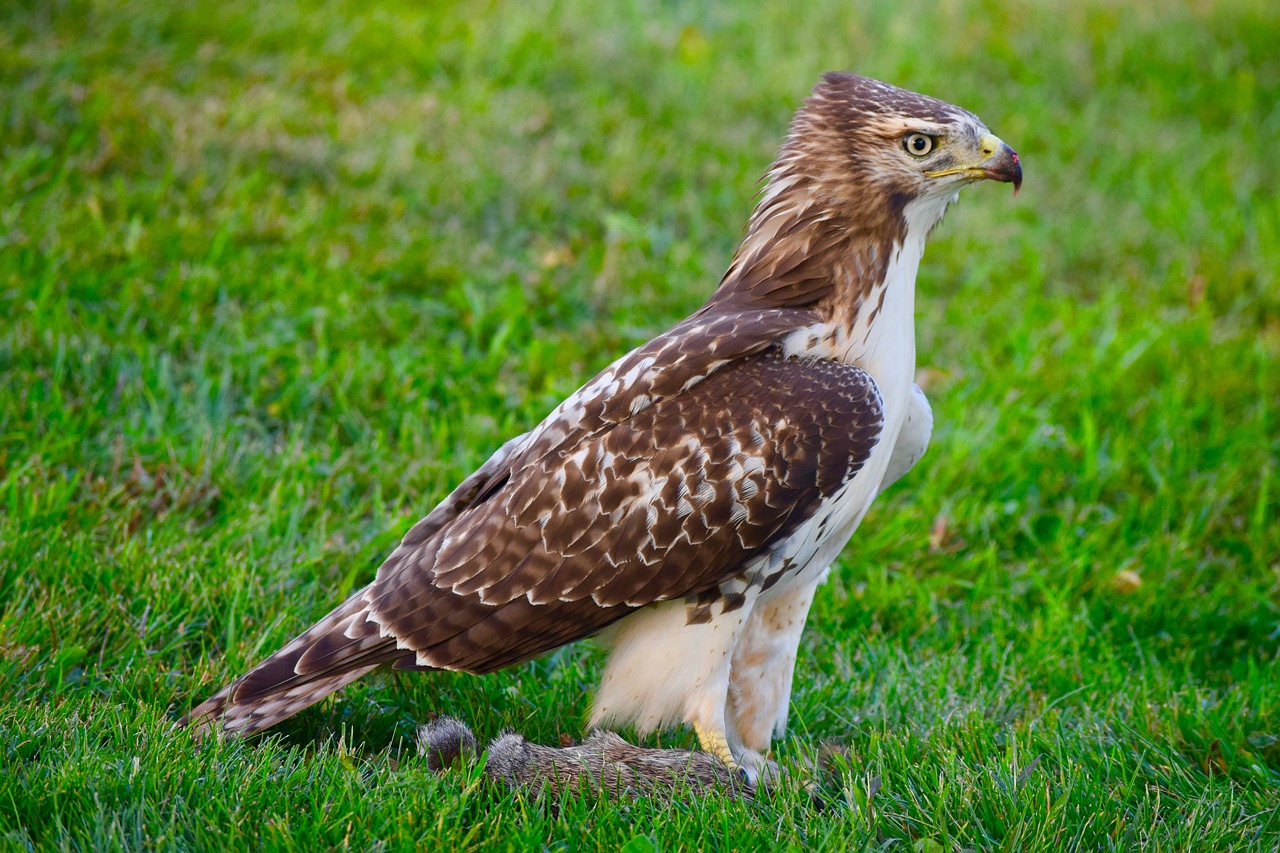
Taking care of your Red-Tailed Hawk’s health is vital. Issues like feather mites, parasites, and respiratory problems can be common. Regular vet check-ups are key to catching any concerns early. In this guide, we will discuss some common health issues to watch out for and preventative measures you can take.
Common Health Issues
Feather Mites
Feather mites are microscopic parasites that live on birds’ skin. While they are not harmful in small numbers, a large infestation can cause irritation and feather loss. Signs of feather mites include excessive preening and scratching, bald patches on feathers, and poor feather condition.
To prevent feather mite infestations, ensure your Hawk’s enclosure is clean and free from debris or old feathers. Regularly inspect your bird’s feathers for signs of mites and consult with a vet if you suspect an infestation. Treatment typically involves medicated baths or topical treatments.
Parasites
Parasites, like roundworms and tapeworms, can also affect your Red-Tailed Hawk’s health. These parasites are usually contracted through ingesting contaminated prey or from other birds. Signs of parasite infection include weight loss, diarrhea, and poor feather condition.
To prevent parasite infections, properly clean any prey before feeding it to your Hawk. Regular fecal exams by a vet can also help detect and treat parasites early on.
Respiratory Problems
Red-tailed hawks are susceptible to respiratory problems such as Aspergillosis, a fungal infection that affects the lungs. This can be caused by exposure to moldy bedding or food or by inhaling irritants in the air. Signs of respiratory issues include difficulty breathing, coughing, and nasal discharge.
To prevent respiratory problems:
- Make sure your Hawk’s enclosure is clean and well-ventilated.
- Avoid using dusty bedding or feed that may contain mold.
- Regularly inspect your bird for any signs of respiratory issues and seek veterinary care if necessary.
Prevention
Aside from regular vet check-ups, there are some preventative measures you can take to keep your Red-Tailed Hawk healthy:
- Keep their living space clean and free from debris.
- Use high-quality food sources to ensure proper nutrition.
- Quarantine new birds before introducing them to your current Hawk (s).
- Monitor their behavior and appearance daily for any changes or concerns.
- Provide a balanced and varied diet to support their immune system.
- Keep up with vaccinations and parasite control as recommended by your vet.
By being proactive in caring for your Red-Tailed Hawk’s health, you can help prevent common health issues and ensure your bird lives a long and happy life. Always consult a veterinarian if you have any concerns or notice any changes in your Hawk’s behavior or appearance. With proper care and attention, your Red-Tailed Hawk will thrive under your loving care. So be sure to give them the best possible care by following these guidelines.
Common diseases that affect Red-tailed Hawk
Feather mites, parasitic infections, and respiratory issues are common diseases affecting red-tailed hawks. Respiratory infections are caused by various factors, such as viruses, bacteria, or fungi, leading to symptoms like sneezing, nasal discharge, and difficulty breathing. Parasitic infestations, including mites and lice, can weaken the Hawk’s immune system and cause feather loss. Nutritional deficiencies, especially in vitamins and minerals, can result in poor feather quality and overall health issues. Bacterial infections like salmonellosis can be contracted through contaminated food or water sources, causing severe gastrointestinal problems. Fungal diseases such as aspergillosis can affect the respiratory system and lead to breathing difficulties. To better understand these common diseases, let’s break down their key aspects in the table below:
| Disease | Causes | Symptoms | Treatment |
| Respiratory infections | Viruses, bacteria, fungi | Sneezing, nasal discharge | Antibiotics, antifungals |
| Parasitic infestations | Mites, lice | Feather loss | Parasite treatments |
| Nutritional deficiencies | Lack of vitamins, minerals | Poor feather quality | Nutritional supplements |
| Bacterial infections | Salmonella contamination | Gastrointestinal issues | Antibiotics |
Supplements to keep your red-tailed Hawk healthy
Supplements play a critical role in maintaining your Red-Tailed Hawk’s health. While a balanced and varied diet is crucial, supplements help fill any nutritional gaps and support their immune system. Here are some essential supplements to consider for your Hawk:
- Vitamin and mineral supplements help prevent deficiencies that can lead to poor feather condition and other health issues.
- Probiotics: These good bacteria can promote digestive health and ward off harmful pathogens.
- Omega-3 fatty acids: These healthy fats have anti-inflammatory properties and can improve overall health.
- Calcium supplements: Adequate calcium intake is crucial for strong bones and eggshell production in breeding hawks.
Be sure to consult with a veterinarian before adding any supplements to your Hawk’s diet. They provide valuable insight and recommendations based on your bird’s specific needs.
Caring for your red-tailed Hawk’s health is essential for their well-being and longevity. By being aware of common diseases, taking preventive measures, and providing necessary supplements, you can help ensure that your Hawk remains healthy and happy. Regular check-ups with a veterinarian specializing in birds of prey can also help catch any potential health issues early on.