
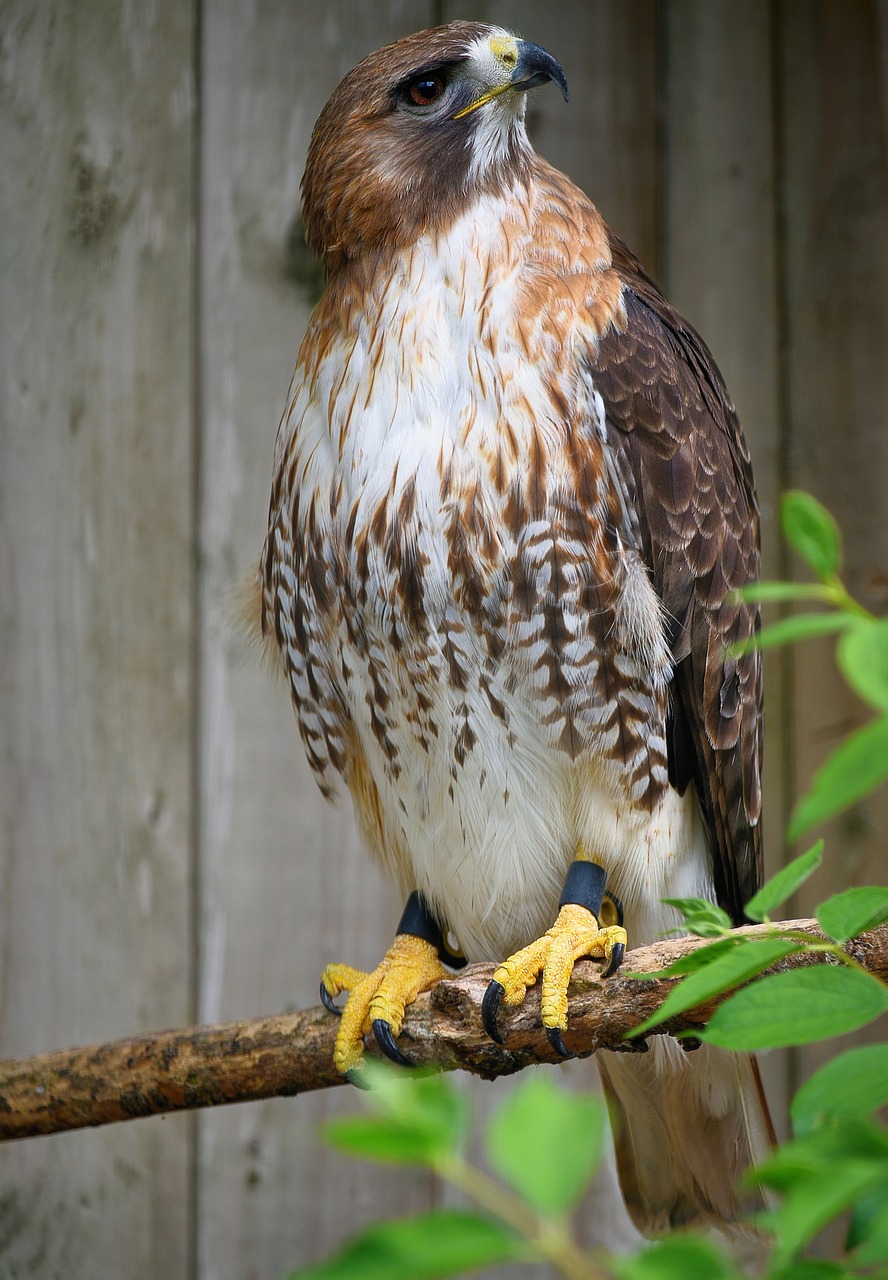
Red-tailed hawks are known for their monogamous behavior, forming strong and lasting bonds with their partners. These majestic birds often mate for life, showcasing their commitment through shared nest-building, hunting, and parenting duties. Their elaborate courtship displays involving aerial acrobatics and vocalizations help solidify their pair bond. Let me explain further about these raptors and the factors that can influence their usual monogamous behavior.
Red-Tailed Hawk Mating Behavior Overview
When observing Red-Tailed Hawk mating behavior, one can notice intricate courtship rituals that display their strong bond and communication skills. Breeding habits play a pivotal role in the life of Red-Tailed Hawks. They typically breed once a year, with the female selecting a mate based on various factors such as territory quality and hunting skills. Nest building is another fascinating aspect of their mating behavior. Red-tailed hawks construct large nests made of sticks and lined with softer materials such as leaves and bark. These nests are often reused in subsequent breeding seasons, showcasing their dedication to their partnership.
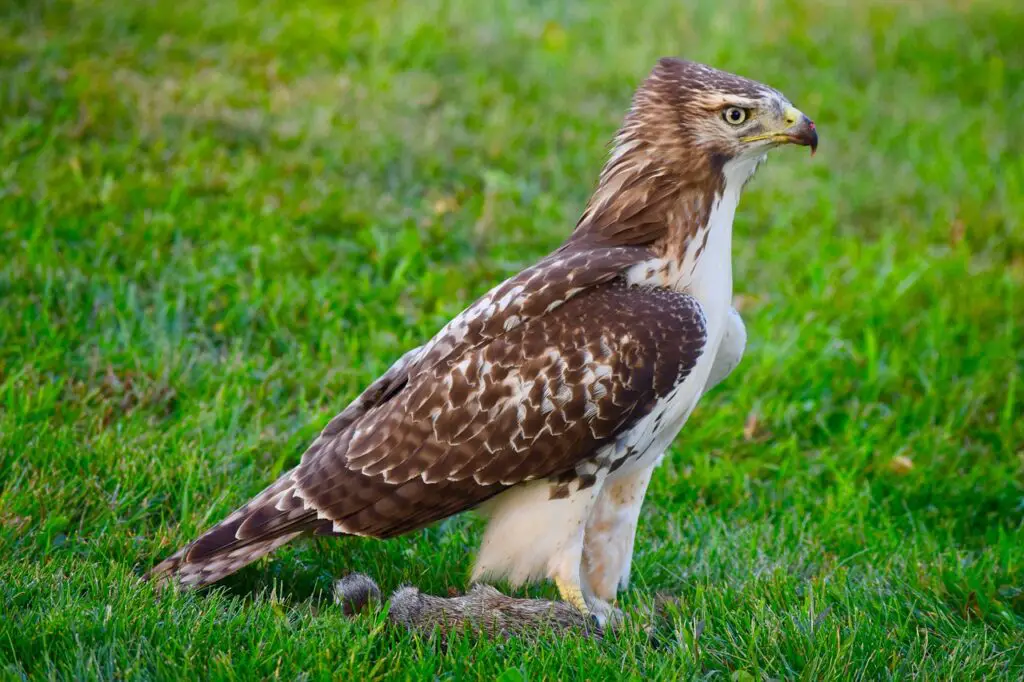
Courtship displays are elaborate and involve aerial acrobatics, vocalizations, and mutual food sharing between mates. These displays not only strengthen the pair’s bond but also serve as a way to establish and reinforce their territory. Reproductive success is closely tied to the effectiveness of these courtship rituals, as they ensure proper mate selection and pair bonding, which are essential for successful breeding. Overall, the mating behavior of Red-Tailed Hawks is a complex and fascinating process that highlights their strong commitment to their partners and offspring.
Are red-tailed hawks monogamous?
I’ve noticed that red-tailed hawks exhibit both monogamous and polygamous behaviors, depending on the circumstances. In the wild, they usually mate for life, forming strong bonds with their partners. However, in falconry, hawks may be trained to have multiple mates due to human intervention and breeding programs.
In Falconry
In falconry, the monogamous nature of red-tailed hawks can be somewhat altered due to human involvement in their breeding and training. Falconers may sometimes encourage controlled polygamous pairings to enhance genetic diversity and ensure the breeding of desirable traits. This practice diverges from the natural monogamy displayed by hawks in the wild. The domesticated environment of falconry often brings hawks into contact with multiple potential mates, disrupting their typical lifelong bonds. Therefore, while red-tailed hawks have an innate tendency towards monogamy, the circumstances and objectives of falconry can lead them to exhibit more flexible mating practices.
In the Wild
In their natural habitat, red-tailed hawks typically maintain strong monogamous bonds with a single mate, often lasting for the duration of their lives. These birds invest significantly in building and maintaining territories, nests, and rearing their young, all of which strengthen their pair bonds. However, this monogamous behavior can be influenced by several factors. Limited genetic diversity or environmental stresses such as territorial disputes may challenge these lifelong partnerships, occasionally leading to the formation of new bonds. Nonetheless, the natural inclination of red-tailed hawks is to mate for life, reflecting their strong commitment to their partners and offspring.
Observations of Pair Bonding
Upon closely observing red-tailed hawks in their natural habitat, intriguing insights into their pair-bonding behavior have been revealed. These raptors exhibit strong bonding rituals, often engaging in territorial behavior to establish and defend their nesting areas. The pair collaborates on nest building, with the male providing materials while the female constructs the nest. This cooperative effort extends to hunting strategies, where the hawks work together to secure prey for themselves and their offspring.
During courtship displays and mating rituals, red-tailed hawks showcase their bond through intricate aerial acrobatics and vocalizations. This bonding is crucial for their reproductive success, as the pair shares responsibilities in parental care, including incubating eggs and feeding the young. Communication plays a pivotal role in their social interactions, with the hawks using a variety of calls and body language to maintain their connection and synchronize their activities. Overall, the observations of pair bonding in red-tailed hawks highlight the importance of cooperation and communication in maintaining their strong relationships.
Challenges to Lifelong Monogamy
As we delve deeper into the dynamics of red-tailed hawk mating behavior, it becomes evident that despite their strong pair bonding tendencies, challenges to lifelong monogamy do exist within their social structure. These challenges arise from various factors such as genetic diversity, social dynamics, territorial disputes, infidelity risks, and parental responsibilities.
| Challenges | Description |
| Genetic Diversity | Limited genetic diversity within a monogamous pair can lead to potential health issues in offspring. |
| Social Dynamics | Changes in group dynamics or environmental factors can strain the bond between red-tailed hawk mates. |
| Territorial Disputes | Competing for territory can introduce stress and conflict, impacting the stability of the pair bond. |
| Infidelity Risks | Opportunities for infidelity may arise, challenging the commitment to a single mate over the long term. |
| Parental Responsibilities | Balancing the demands of raising offspring can strain the pair’s relationship and test their commitment. |
These challenges highlight the complexities of maintaining lifelong monogamy in red-tailed hawk pairs, showcasing the intricate interplay between biological imperatives and environmental pressures.
Based on my observations and research, it seems that red-tailed hawks do exhibit monogamous mating behavior, forming lifelong pair bonds with their mate. However, challenges such as territory disputes or the loss of a partner can disrupt this monogamous relationship. Overall, the red-tailed hawk’s mating behavior is a fascinating and complex aspect of their natural history, highlighting the importance of knowing and appreciating the intricacies of these relationships.