
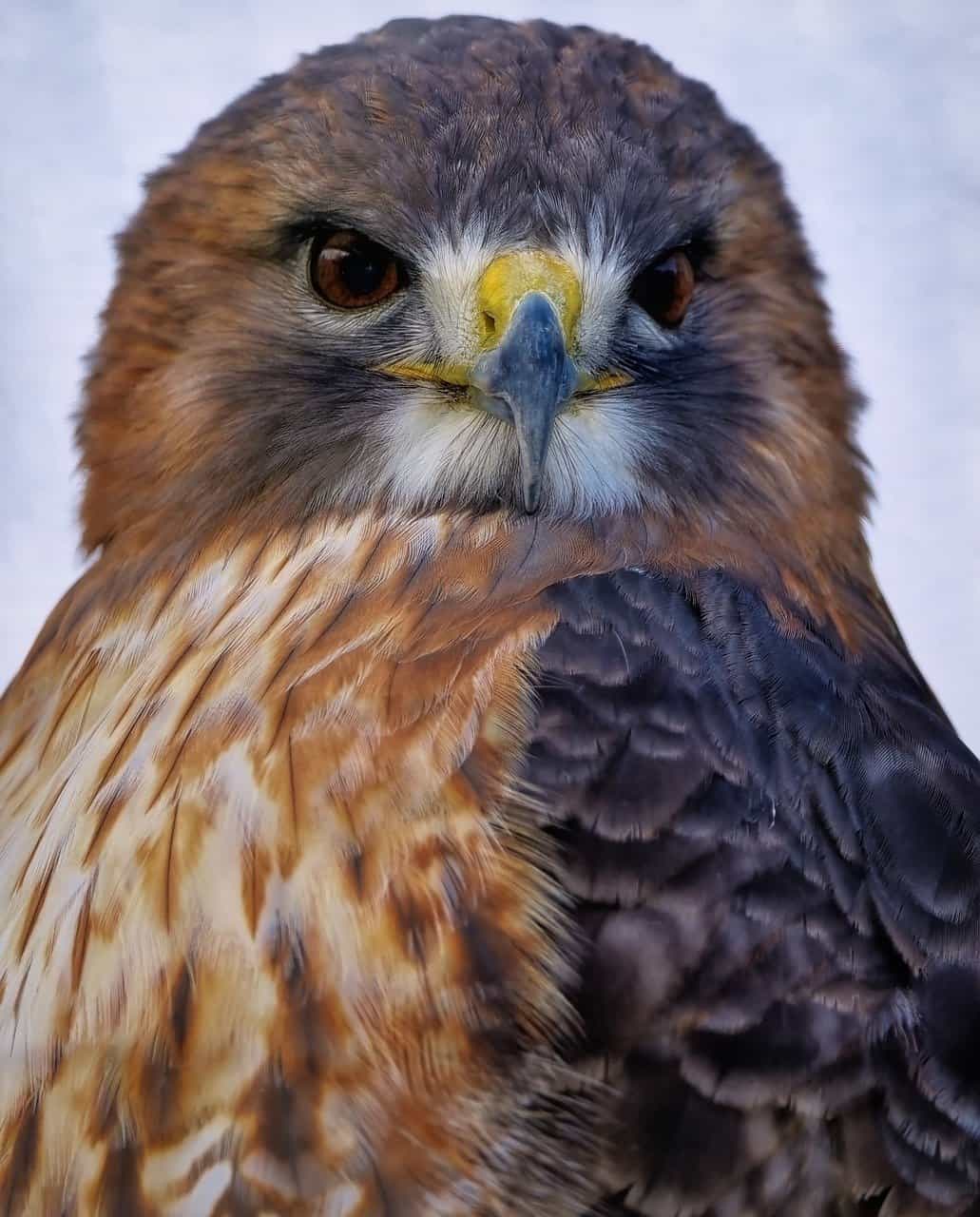
Owning a red-tailed hawk requires a license to ensure legal compliance and the bird’s well-being. Proper care and legal permissions are crucial for owning a creature of this magnitude. Beyond the excitement of having a red-tailed hawk, it’s important to follow regulations to protect the species and ensure they receive the care they deserve. The process involves obtaining the necessary permits and understanding the responsibilities that come with owning a red-tailed hawk. Throughout this post, I will highlight what is required and how to go about it.
Red-Tailed Hawk Ownership Laws Overview
The most recent legislation regarding falconry strongly emphasizes the vital aspects of conservation, ensuring the public’s safety and prioritizing the birds’ welfare. These comprehensive regulations are designed to protect Red-Tailed Hawks from exploitation and harm. Under these new laws, Falconers are required to obtain a specific license, which serves as a testament to their capability to provide the necessary care for these birds. This includes ensuring that the hawks have access to adequate housing that meets their unique needs, a balanced and nutritious diet, and prompt veterinary care when needed. These criteria are set to ensure that the birds live in environments that closely mimic their natural habitats, promoting their physical and psychological health.
Safety measures have been carefully considered given the powerful predatory nature of Red-Tailed Hawks. These measures are paramount to preventing potential accidents that could arise during falconry practices. The legislation mandates the use of specialized equipment and training techniques designed to protect both the falconer and the general public from unintended harm.
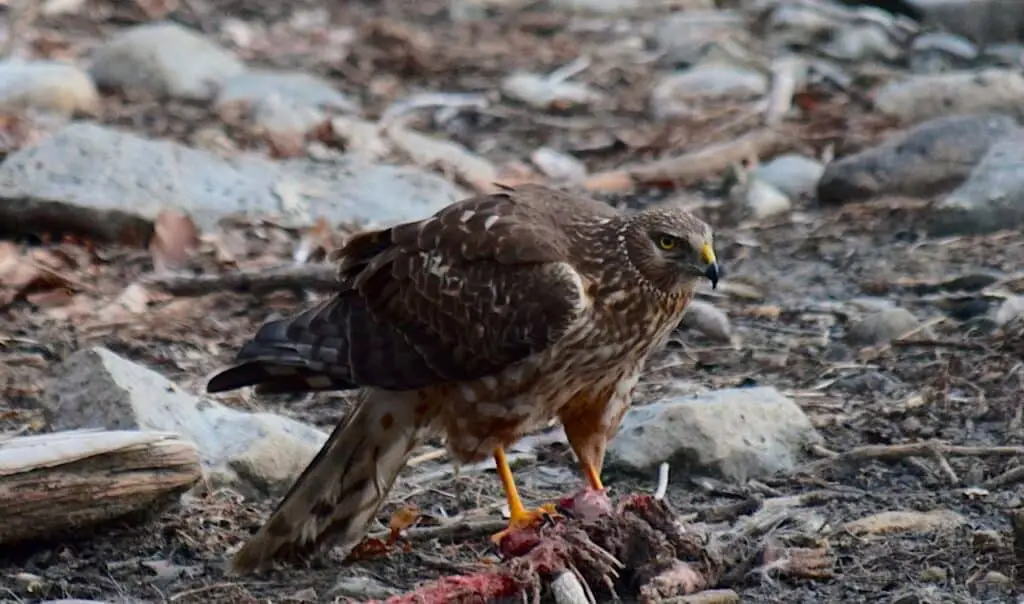
Moreover, the role of falconers has expanded beyond traditional falconry. Many are now involved in wildlife rehabilitation efforts, working in collaboration with specialized centers to provide care for injured or orphaned hawks. This not only aids in the recovery and rehabilitation of these birds but also contributes to the broader efforts of wildlife conservation.
These detailed laws and guidelines underscore the serious responsibility associated with owning and housing for a Red-Tailed Hawk. They aim to preserve these majestic creatures for future generations, ensuring their survival and well-being. At the same time, these regulations safeguard the safety and well-being of both the birds and the public, highlighting the importance of responsible falconry and wildlife management practices.
Licensing Requirements for Red-Tailed Hawks
As a responsible individual interested in owning a Red-Tailed Hawk, my journey begins with understanding the stringent licensing requirements mandated for these magnificent birds. To own these birds, you will need to become an apprentice falconer, and in doing so, you will become a part of an ancient tradition that has been practiced for centuries.
The initial step towards obtaining your license is through apprenticeship. To qualify as an apprentice falconer, you must be at least 12 years old and pass both a written and practical exam. The written exam covers topics such as biology, behavior, and care of raptors, as well as the various state and federal regulations governing falconry. The practical exam involves demonstrating your skills in handling, training, and flying a trained hawk.
Once you have passed these exams, you can then apply for an apprentice license from your local wildlife agency. This license is valid for two years, and during this time, you will be mentored by a licensed falconer who will guide you through the process of caring for and training your bird.
After two years, depending on your level of experience, you can apply for a general falconry license. These licenses have additional requirements and allow for more advanced falconry practices.
Red-tailed hawks are majestic birds of prey, and their ownership is regulated to ensure their well-being and conservation. To legally own a Red-Tailed Hawk, one must delve into the world of wildlife rehabilitation and avian management. Here is a breakdown of the key aspects of licensing requirements for Red-Tailed Hawks:
| Licensing Requirements | Description |
| Raptor Species | Red-tailed hawks are classified as raptor species, requiring specialized care and housing. |
| Legal Restrictions | Ownership of Red-Tailed Hawks is subject to strict legal restrictions to protect the species |
| Avian Management | Knowledge of avian management is essential to provide proper care, diet, and enrichment. |
| Wildlife Rehabilitation | Some licenses may require experience in wildlife rehabilitation to ensure the bird’s welfare. |
Permits and Documentation Needed
Permits and documentation play a pivotal role in the regulatory framework governing the ownership of Red-Tailed Hawks. As a bird of prey enthusiast, ensuring compliance with legal documentation is crucial not only for the well-being of the bird but also for conservation efforts. Here are some key permits and documents needed when owning a Red-Tailed Hawk:
- Federal Permit: A federal permit is required from the U.S. Fish and Wildlife Service to legally possess a Red-Tailed Hawk.
- State Permit: Many states also require a state permit for the ownership of birds of prey.
- Raptor Rehabilitation Certification: Individuals involved in raptor rehabilitation must have the proper certification to handle and care for injured Red-Tailed Hawks.
- Wildlife Rehabilitation License: A wildlife rehabilitation license is essential if you plan to rehabilitate wildlife, including Red-Tailed Hawks.
Training and Experience Prerequisites
Training and experience are crucial prerequisites for obtaining a license to own a Red-Tailed Hawk. These requirements ensure that the individual seeking ownership has the necessary skills and Knowledge to provide appropriate care for these birds. Here are some key training and experience prerequisites:
- Apprenticeship: As mentioned earlier, becoming an apprentice falconer is the first step in owning a Red-Tailed Hawk. This apprenticeship involves hands-on training and guidance from a licensed falconer.
- Knowledge of Falconry Techniques: A thorough understanding of falconry techniques, such as handling, training, and flying hawks, is essential for becoming a licensed falconer.
- Experience in Avian Management: Experience in avian management is highly recommended to ensure proper care and handling of Red-Tailed Hawks.
- Knowledge of Legal Regulations: A comprehensive understanding of state and federal regulations governing falconry is crucial for obtaining a license to own a Red-Tailed Hawk. This includes Knowledge of laws related to housing, hunting, and transportation of these birds.
Owning a red-tailed hawk requires a lot of responsibility and dedication. From obtaining the necessary licenses and permits to undergoing proper training and experience, it’s important to follow all regulations and guidelines set forth by falconry authorities. By complying with these laws, we can ensure the well-being and conservation of these magnificent birds of prey. So, if you’re considering owning a red-tailed hawk, make sure you do your research and follow the proper procedures to become a responsible falconer.