
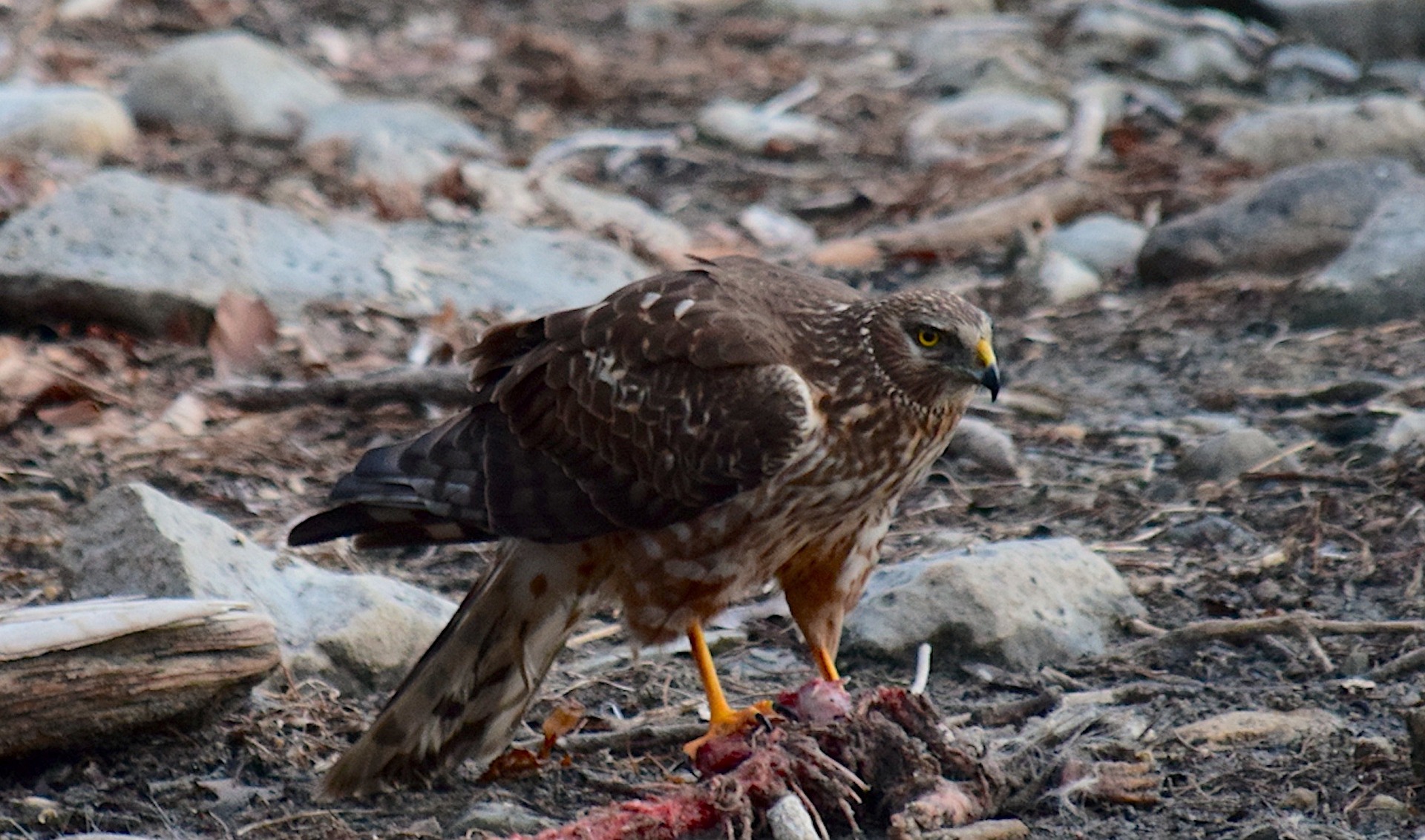
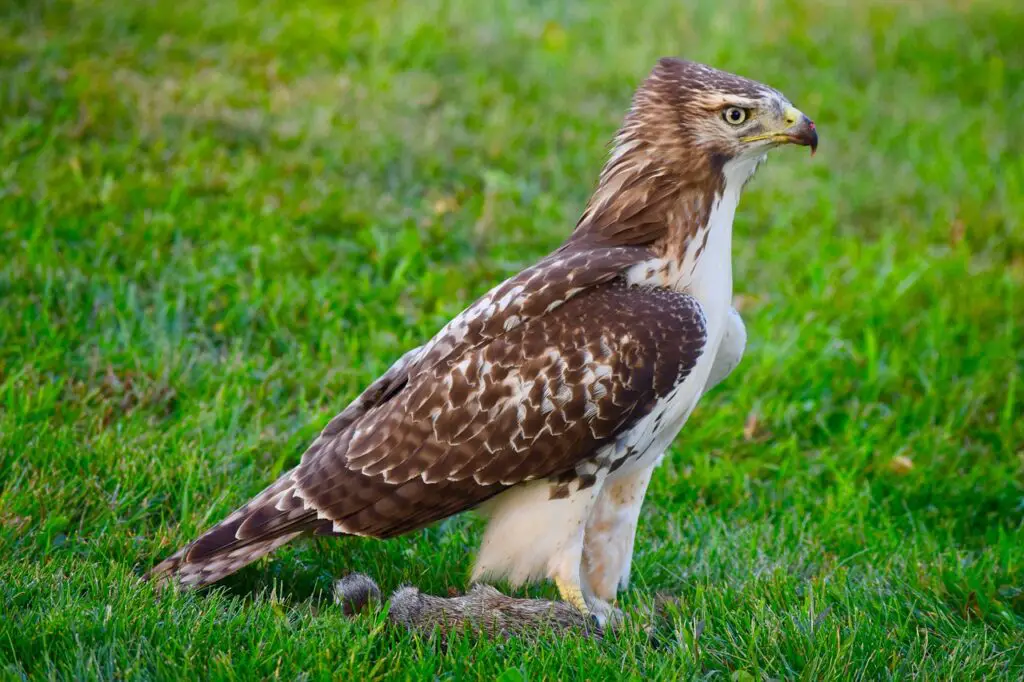
Red-tailed hawks usually weigh between 2.5 to 4.5 pounds (1.13 to 2.04 kg) when they reach adulthood. Their weight can vary based on factors like food availability, seasonal changes, and habitat conditions. Monitoring their weight is crucial for evaluating their health, spotting any changes, and identifying potential threats. I will outline below how you should go about weight management and estimates to guide you along the process.
Average Weight of Red-Tailed Hawks
I’ll start by discussing the average weight of Red-Tailed Hawks across different life cycle stages: chicks, juveniles, and adults. Understanding these distinctions gives insight into the size variations within the Red-Tailed Hawk population. This information is crucial for appreciating the growth and development of these magnificent birds.
Chick
Harris Hawk Chick Weight from Week 1 to 5
When examining the weight of Harris Hawk chicks, it’s important to note that, like the Red-tailed Hawks, they go through significant growth within the first few weeks of life. The table below outlines the average weight of a Harris Hawk chick from week 1 to week 5, providing both pound and kilogram values to cater to varying preferences for measurement units.
| Week | Weight in Pounds | Weight in Kilograms |
| 1 | 0.25 – 0.5 | 0.11 – 0.23 |
| 2 | 0.5 – 1 | 0.23 – 0.45 |
| 3 | 1 – 1.5 | 0.45 – 0.68 |
| 4 | 1.5 – 2 | 0.68 – 0.91 |
| 5 | 2 – 2.5 | 0.91 – 1.13 |
This data shows that Harris Hawk chicks experience rapid growth, almost doubling their weight each week for the first couple of weeks before the rate of growth begins to slow down as they approach the fifth week. This period is critical for the chicks’ development, requiring ample nutrition to support their growth and ensure their health as they prepare for the fledging stage.
Juvenile
As red-tailed hawk chicks mature into juveniles, their average weight increases significantly, reflecting their growth and development towards adulthood. During this phase, juveniles experience a rapid growth rate, which is supported by a diet rich in small mammals, birds, and reptiles obtained through active hunting and exercise.
Their physical characteristics become more defined, aiding in successful hunting behaviors. Environmental factors play a crucial role in the health of juvenile red-tailed hawks, influencing their nesting habits.
Juveniles exhibit curious behavior, honing their skills through practice flights and interactions with their surroundings. This period of their life marks a crucial stage in their development, preparing them for the challenges of adulthood. Similarly, juvenile Harris hawks, another species known for their remarkable hunting skills, should weigh between 1.54 and 2.65 pounds (0.7 to 1.2 kg), depending on factors such as age, diet, and environmental conditions, which are essential for maintaining their agility and effectiveness in hunting.
Adult
In adulthood, red-tailed hawks reach their maximum weight, averaging 2.5 to 4.5 pounds (1.13 to 2.04 kg). This weight is necessary to sustain their energy needs and maintain their physical capabilities for successful hunting. Age plays a significant role in determining the exact weight of adult red-tailed hawks. Older birds tend to be larger and heavier than younger ones, reaching weights close to the higher end of the average range.
Factors Influencing Red-Tailed Hawk Weight
Several factors significantly influence my red-tailed hawks’ weight and overall health in falconry. These factors, if not carefully managed, can impact their performance, well-being, and ability to train effectively.
Diet and Nutrition
The most critical factor is their diet and nutrition. It is essential to provide a balanced diet that closely mimics their natural prey in the wild. The quality and variety of food we offer affect their weight, energy levels, and hunting efficiency. Overfeeding or underfeeding can lead to weight issues that may impede their training or even lead to health problems.
Exercise and Training
Regular exercise and training play a significant role in maintaining red-tailed hawks’ ideal weight. These activities keep them at an optimal weight for hunting and flying and ensure their muscles are strong and their reflexes sharp. Lack of exercise can make overweight hawks sluggish and less effective hunters.

Seasonal Changes
Seasonal changes also affect their weight. During winter, red-tailed hawks may put on extra weight to insulate against the cold, while they might lose weight during the breeding season due to increased activity and stress. Understanding these seasonal fluctuations is crucial for effective weight management.
Health Issues
Finally, health issues can significantly impact their weight. Parasites, diseases, or injuries can lead to weight loss, while some health problems may cause weight gain. Regular health checks are vital to promptly identify and address any issues, ensuring they maintain a healthy weight.
Importance of Monitoring Weight
Monitoring and maintaining the weight of my Harris Hawks is critical to their overall health and hunting proficiency in falconry. To ensure accurate monitoring, I employ a routine weighing process using a reliable digital scale that provides precise readings. This daily practice helps detect any minor fluctuations in their weight, which can be indicative of health issues or the need for dietary adjustments.
How I Monitor Their Weight
The process begins each morning before feeding. The hawks are placed on the scale, and their weights are recorded in a dedicated log. This record-keeping allows for tracking weight trends over time, enabling me to adjust their diet or exercise regimen as needed. Consistency in the timing of weighing is key to obtaining accurate data, as weight can fluctuate throughout the day based on feeding and activity levels.
Maintaining Their Weight
Maintaining an optimal weight involves a delicate balance of diet, exercise, and health management. I provide a varied diet that closely aligns with their natural prey, ensuring it meets their nutritional requirements without contributing to excessive weight gain or loss. The balance of proteins, fats, and vitamins is tailored to each hawk’s individual requirements based on their activity level, age, and health status. In addition to diet, regular flying exercises and hunting simulations are conducted to keep them physically fit and mentally stimulated. These activities help maintain muscle tone and prevent obesity, which is detrimental to their health and hunting ability.
The Importance of Weight Management
Effective weight management is paramount for several reasons. Primarily, it influences the hawk’s flying and hunting capabilities; a hawk that is either underweight or overweight may struggle with flying efficiency and speed, affecting their success in the hunt. Furthermore, weight serves as a general indicator of health; sudden changes can alert me to potential health issues that require immediate attention. Proper weight management also plays a role in training and behavior, impacting their responsiveness and motivation to participate in training sessions.
In conclusion, the average weight of a red-tailed hawk typically ranges from 2 to 4 pounds, with females slightly larger than males. Factors such as age, sex, and health influences their weight, making it important to monitor it regularly. By keeping track of their weight, falconers, and conservationists can gather valuable data on the health and well-being of these majestic raptors.