

Breeding red-tailed hawks in falconry can be quite the challenge; every move must be precise and calculated to ensure success. As a falconer, understanding the intricacies of this process is paramount to the health and well-being of my raptors and their offspring. From selecting the ideal breeding pair to navigating potential challenges, the journey of breeding these majestic birds is filled with nuances that, in my opinion, are worth exploring further and below, I will lay out what you need to do from start to finish.
The Reproduction Process
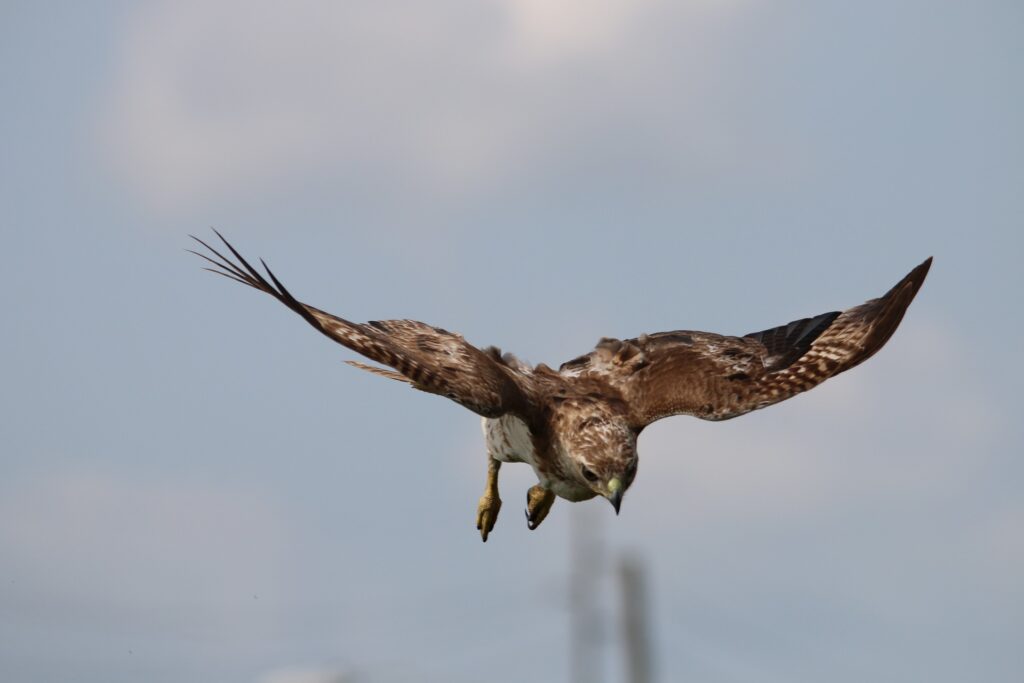
During the breeding season, red-tailed hawks exhibit intricate courtship behaviours to establish pair bonds and prepare for nesting. The breeding behaviours of red-tailed hawks are fascinating to observe. Males engage in elaborate aerial displays, soaring high and then diving steeply towards the ground to impress potential mates. These displays not only demonstrate the male’s physical prowess but also serve to attract females. Once a pair bond is formed, the hawks begin their reproductive cycles.
Genetic variation plays a crucial role in the breeding process of red-tailed hawks. Mates are carefully chosen based on various factors, including genetic compatibility. This ensures that the offspring will inherit a diverse set of genes, which is essential for the long-term health of the species.
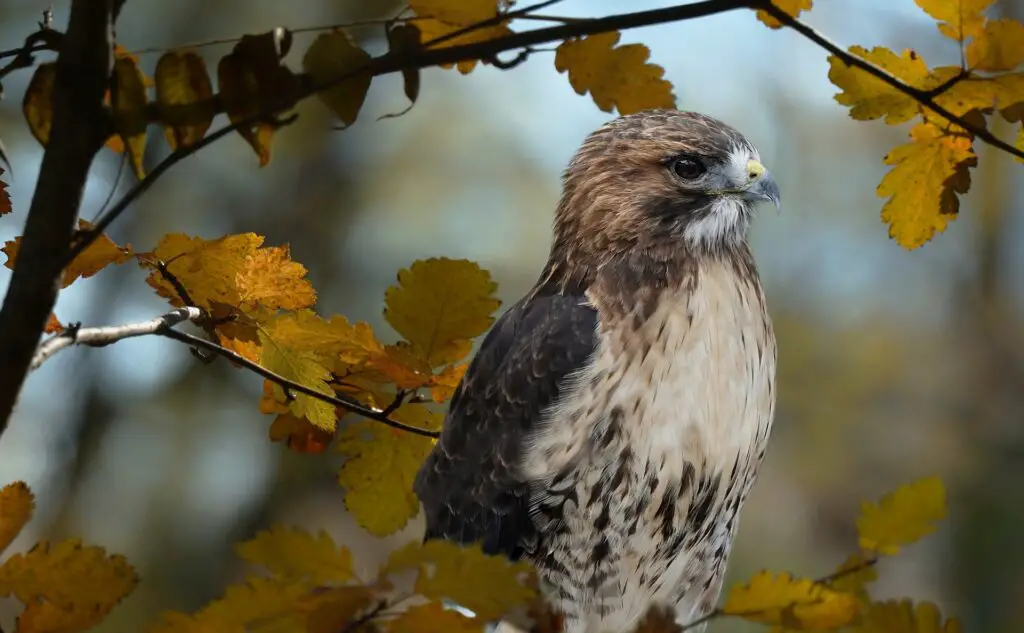
After successful mating, the female red-tailed hawk will lay eggs in a carefully constructed nest. The eggs are then incubated for a period of around 29 to 35 days. During this time, both parents take turns keeping the eggs warm and protected. Once the eggs hatch, the pair will care for the fledglings, feeding them regurgitating food and teaching them essential hunting skills. This fledgling care is crucial for the survival and development of the young hawks, preparing them for life in the wild.
Legal Requirements
You first need to ensure that you possess the necessary permits to engage in Red-Tailed Hawk breeding. The aviary prerequisites for housing these birds must comply with strict legal standards to ensure their well-being and safety. Proper documentation of breeding activities is essential to meet legal requirements and maintain compliance with falconry regulations.
Permits
What legal requirements must be met before engaging in Red-Tailed Hawk breeding for falconry purposes? When it comes to breeding these birds, several permits and licenses are essential to comply with regulations. Breeding restrictions are in place to ensure the conservation of the species, and permits must be obtained to breed Red-Tailed Hawks legally. During the breeding season, strict regulations govern the breeding pairs, requiring specific licenses for each pair used in breeding programs. Additionally, breeding facilities must meet certain approvals to ensure the well-being of the birds and adhere to guidelines for breeding management. These permits and licenses play a crucial role in overseeing and regulating Red-Tailed Hawk breeding practices for falconry purposes.
Aviary prerequisites
Aviaries used for breeding Red-Tailed Hawks must adhere to specific legal requirements to ensure proper care and management of the birds. When designing an aviary for Red-Tailed Hawks, factors such as space, perching arrangements, and nesting areas are crucial for their well-being. Proper egg incubation techniques, including temperature and humidity control, are vital for successful hatching. Regular behavior observation of the breeding pairs helps in identifying any issues early on, allowing for prompt intervention and ensuring the overall well-being of the hawks.
Documentation
Documentation for breeding Red-Tailed Hawks in falconry is essential to ensure compliance with regulations and standards set forth by governing authorities. Proper record-keeping is crucial for data analysis, ensuring accurate monitoring of embryo growth, identifying pregnancy signs, and managing the weight of breeding hawks. Additionally, documentation is vital for tracking any instances of artificial insemination, which may be necessary for breeding success. Below is a table I use that will help you outline key aspects of the legal requirements for breeding Red-Tailed Hawks in falconry:
| Legal Requirement | Importance |
| Data Analysis | Monitors progress |
| Embryo Growth | Tracks development |
| Pregnancy Signs | Indicates health |
| Weight Management | Ensures well-being |
| Artificial Insemination | Assists reproduction |
Setting up your breeding environment
When setting up a breeding environment for Red-Tailed Hawks in falconry, it is crucial to consider aspects such as space, protection from predators, nesting area, perch placement, and temperature control. Adequate space allows the birds to move freely and exhibit natural behaviours, while protection from predators ensures the safety of the breeding pair and their offspring. Additionally, providing a suitable nesting area, strategically placing perches, and maintaining optimal temperature levels are essential factors in creating a conducive environment for successful breeding.
Space
Efficiently utilizing space in the breeding environment is crucial for the successful reproduction of red-tailed hawks in falconry. When setting up the breeding space, consider the following:
- Nesting Area: Provide a secluded area for nesting, mimicking their natural habitat to encourage breeding behaviours.
- Flight Space: I always allow for ample room for the hawks to fly and exercise, promoting physical health and natural behaviours.
- Perching Sites: Install various perches at different heights to encourage perching and territorial behaviours.
- Food and Water Stations: Strategically place feeding and watering stations to ensure easy access and prevent competition during breeding.
Protection from predators
Protecting red-tailed hawks from predators is paramount in securing the well-being and successful breeding of these magnificent birds of prey. In my aviary setup, I employ a layered approach to predator defence to ensure the hawks, eggs, and fledglings remain safe from common threats like raccoons, snakes, and larger birds. The enclosure is surrounded by a high-grade mesh fence, robust and finely woven, to deter climbing predators and birds attempting to infiltrate the aviary. Additionally, I have installed an overhang on the fencing to prevent predators from climbing over.
The bottom of the aviary is reinforced with buried hardware cloth, extending outward, creating a barrier that thwarts digging attempts by determined predators. Within the aviary, the nesting and perch areas are strategically elevated, placing them out of reach and sight from ground-level threats, providing the hawks with a heightened sense of security. I also employ motion-activated lights and ultrasonic deterrents around the perimeter of the aviary to scare away potential intruders during vulnerable nighttime hours. Frequent inspections for any signs of attempted breaches or wear ensure immediate rectification of security flaws, maintaining a fortress-like protection for my valued red-tailed hawks.
Nesting area
Creating the right nesting area for my red-tailed hawks involves replicating their natural habitat as closely as possible to encourage instinctual breeding behaviours. I start by choosing a quiet and secluded spot within the aviary, away from frequent human activity and potential disturbances. I then build the nest ledge using natural materials like branches, twigs, and leaves, offering the hawks the materials they would typically use in the wild. This provides a familiar setting and allows them to participate in the nest-building process, an important behavioural aspect for bonding and preparing for egg laying. The positioning of the nest is crucial; it’s elevated to ensure safety from ground-level threats and to mimic their preference for high nesting sites in the wild. The surrounding area is kept clear of excess debris to prevent hiding spots for predators, ensuring a secure environment for the eggs and, eventually, the fledglings.
Perch Placement
Careful consideration must be given to the placement of perches when setting up the breeding environment for red-tailed hawks to ensure optimal conditions for their breeding success. Placing perches strategically throughout the enclosure promotes behavioural enrichment by offering varied heights and textures for the hawks to explore. Additionally, proper perch placement aids in flight conditioning, allowing the birds to exercise and strengthen their wings effectively. Ensuring that perches are positioned near feeding stations facilitates prey management, enabling the hawks to exhibit hunting behaviours. Feather health is also influenced by perch placement, as providing perches of suitable materials and sizes helps prevent feather damage and promotes grooming behaviours essential for plumage maintenance.
Temperature control
Adequate temperature regulation is essential when setting up the breeding environment for red-tailed hawks to ensure optimal reproductive conditions. Red-tailed hawks exhibit specific nesting habits influenced by temperature variations throughout the year. Understanding their seasonal changes is crucial for successful breeding. These raptors have remarkable climate adaptation abilities, but maintaining a stable temperature in the breeding environment is still necessary for breeding success. Parental behaviour, such as egg incubation and chick rearing, is highly dependent on the ambient temperature. Therefore, precise temperature control is vital to mimic natural conditions and support the hawks’ breeding behaviours effectively. By carefully monitoring and adjusting the temperature, falconers can enhance the breeding success of red-tailed hawks in captivity.
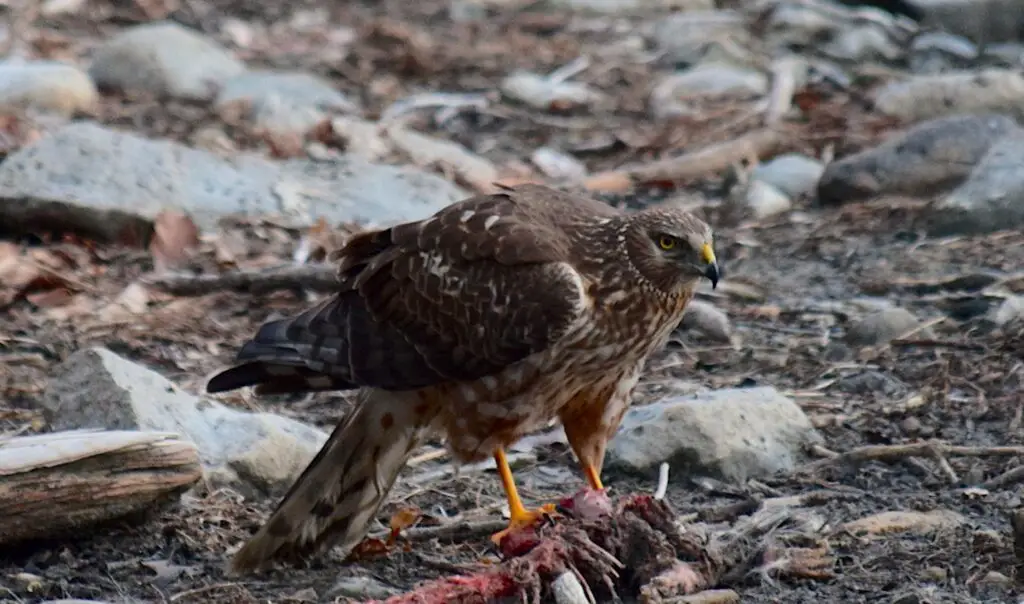
How to mimic the natural breeding environment
In my opinion, artificial lights play a crucial role in mimicking the natural breeding environment of red-tailed hawks in falconry to simulate the changing day length and seasons that trigger breeding behaviour. Providing natural nesting materials like sticks, twigs, and leaves allows the hawks to construct their nests as they would in the wild, promoting a sense of security and comfort during the breeding season. By carefully recreating these environmental cues, I encourage my Red-Tailed Hawks to engage in natural breeding behaviours, fostering successful reproduction and healthy offspring.
Artificial lights
When considering how to mimic the natural breeding environment for red-tailed hawks in falconry, the use of artificial lights plays a crucial role in regulating their reproductive cycles.
- Light intensity: Adjusting the duration and intensity of artificial light exposure can simulate changes in daylight length, influencing breeding behaviour.
- Circadian rhythm: Maintaining a consistent light schedule helps regulate the hawks’ circadian rhythms, promoting overall health and reproductive readiness.
- Reproductive hormones: Artificial lights can influence the secretion of key reproductive hormones, such as prolactin and gonadotropins, essential for successful breeding.
Natural Nesting Materials:
Mimicking the natural breeding environment for red-tailed hawks in falconry involves carefully selecting and providing appropriate natural nesting materials that cater to their instinctual behaviours and preferences. When mimicking the nesting habits of red-tailed hawks, it is crucial to offer materials such as twigs, branches, leaves, and soft grasses that replicate their natural environment. These nesting materials not only provide a comfortable and secure space for the hawks but also stimulate their natural instincts for breeding and raising young. By incorporating these natural elements into their environment, I encourage the hawks to exhibit their natural nesting behaviours, contributing to successful breeding practices.
Selecting a breeding pair
Selecting a suitable breeding pair of Red-Tailed Hawks in falconry involves meticulous evaluation of both physical characteristics and behavioural attributes to maximize breeding success. When choosing a pair, I always consider the following factors:
- Breeding strategies: Assess the breeding history of the hawks to understand their reproductive patterns. Look for pairs that have a track record of successful breeding to increase the chances of reproductive success.
- Genetic diversity: Avoid inbreeding by selecting a pair with diverse genetic backgrounds. Genetic variability is crucial for the health and vitality of the offspring.
- Behavioural compatibility: Observe the interactions between potential breeding partners. Ensure that the hawks display harmonious behaviours, as aggression or territorial disputes can hinder breeding success.
- Environmental enrichment: Create a stimulating environment for the breeding pair. Provide ample space, nesting materials, and opportunities for exercise to promote natural behaviours and enhance the breeding process.
How to introduce the breeding pair and what to look out for
To ensure a successful introduction of the breeding pair of Red-Tailed Hawks in falconry, careful monitoring of their initial interactions is essential to identify signs of compatibility and establish a harmonious bond conducive to breeding. Pair bonding is critical during this phase, as it sets the foundation for successful reproduction. Behaviour monitoring plays a key role in assessing the dynamics between the Hawks. Observing their interactions closely can reveal valuable insights into their compatibility and readiness for breeding.
Compatibility assessment involves observing how the hawks interact with each other. Signs of aggression, avoidance, or excessive dominance may indicate potential issues that could hinder successful breeding. Conversely, behaviours such as preening to each other, mutual grooming, and engaging in courtship displays are positive indicators of a strong bond.
Courtship observation is a vital component of introducing the breeding pair. Watching how the hawks engage in courtship rituals, such as aerial displays, vocalizations, and food exchanges, can provide valuable information about their bond’s progress and readiness to breed. By carefully monitoring these behaviours, falconers can ensure a successful introduction and lay the groundwork for a productive breeding season.
Compiling data and analyzing it
I document the laying dates, carefully noting the progression of embryo growth rates, and meticulously record the resulting hatch dates. This data compilation and analysis provide crucial insights into the reproductive timeline and developmental milestones of Red-Tailed Hawks in falconry. By systematically organizing and examining these key metrics, I can enhance breeding success and ensure the well-being of the breeding pair and their offspring.
Laying dates
I usually monitor and track laying dates to gain insights into the reproductive readiness of the hawks. By analyzing the laying dates, I can determine if there are any delays or abnormalities that may require intervention.
- Incubation Period: Hawks typically start incubating their eggs shortly after the second egg is laid.
- Egg Development: Eggs are laid every 2-3 days, with the entire clutch usually consisting of 2-5 eggs.
The growth rate of embryos
The growth rate of embryos can provide invaluable insights into the health and development of the offspring. Monitoring and analyzing the growth rates of embryos allows for the early identification of any developmental anomalies or health issues, enabling timely intervention if necessary. Furthermore, this data helps in predicting hatching times more accurately, ensuring that the necessary preparations for the hatching process and immediate care of the hatchlings are in place. By systematically tracking embryo growth, falconers can also assess the effectiveness of their breeding strategies and make informed adjustments to environmental factors, such as temperature and humidity within the nest, to optimize conditions for successful egg incubation and embryo development.
Hatch dates
Analyzing the hatch dates of Red-Tailed Hawk chicks provides valuable information on the reproductive success and health of the breeding pair. Falconers can track any changes or trends that may affect future breeding outcomes by comparing this data with previous breeding seasons. Additionally, documenting hatch dates is crucial for planning and preparing for the care and training of the offspring as
How to know when your raptor is pregnant.
To determine if your raptor is pregnant, closely monitor its behaviour and physical changes for signs of gravidity.
- Nesting Behavior: A pregnant raptor will exhibit nesting behaviour, such as gathering materials to build a nest or rearranging its environment in preparation for egg-laying.
- Bodily changes: As the pregnancy progresses, you may notice some changes in the sizing and shape of the raptor’s abdomen as the eggs develop inside.
Observing these behaviours and physical changes can provide valuable insights into the pregnancy status of your raptor. As the pregnancy progresses, it is crucial to provide the necessary support and care to ensure the well-being of both the raptor and the developing eggs. Understanding these signs of pregnancy is essential for effective breeding and ensuring the successful hatching of healthy chicks.
Nutritional, Weight Management, and Healthcare Requirements for Breeding Red Tail Hawk
I carefully monitor the nutritional intake of my breeding Red Tail Hawk, ensuring a balanced diet rich in proteins, fats, and vitamins essential for egg production and overall health. Weight management is crucial during breeding season, as maintaining the hawk at an optimal weight contributes to successful breeding outcomes and reduces the risk of complications. Regular healthcare check-ups are scheduled to detect any health issues early on, allowing for prompt intervention and ensuring the well-being of both the hawk and potential offspring.
Nutritional requirements
When considering the nutritional requirements for breeding Red-Tailed Hawks in falconry, it is essential to meticulously plan a balanced diet to ensure optimal health and reproductive success.
- Feeding schedules: Establish a consistent feeding routine to mimic natural hunting patterns.
- Dietary supplements: Include necessary supplements like calcium and vitamins to meet specific breeding requirements.
- Protein sources: Offer a variety of protein-rich foods such as mice, rats, and quail to support muscle development and egg production.
- Calcium intake: Ensure sufficient calcium intake through food and supplements to prevent deficiencies that could lead to egg-binding issues.
- Vitamin requirements: Provide a diverse diet with fruits, vegetables, and organ meats to fulfil essential vitamin needs for overall health and breeding success.
Weight management
Maintaining optimal weight in breeding Red-Tailed Hawks is crucial for ensuring their health, reproductive success, and overall well-being in falconry. Feeding schedules should be consistent, providing a balanced diet to meet their nutritional needs without excess that could lead to obesity. Exercise routines are essential to keep the hawks fit; flying free or on a creance helps maintain muscle tone and agility. Monitoring progress involves regular weigh-ins and body condition assessments to track weight fluctuations. Ideal weights vary but typically range between 2.5 to 3.5 pounds for males and 3.5 to 4.5 pounds for females. Behavioural cues, such as energy levels and response to training, also indicate if a hawk is at an appropriate weight for breeding.
Healthcare
How do the nutritional, weight management, and healthcare requirements differ for breeding Red-Tailed Hawks in falconry?
- Preventative care: Regular health check-ups are crucial to detect any issues early.
- Veterinary check-ups: Scheduled visits with a specialized avian veterinarian ensure overall health.
- Dietary supplements: Providing necessary vitamins and minerals to support breeding and overall health.
- Parasite prevention: Regular monitoring and preventative measures to avoid parasitic infestations.
In breeding Red-Tailed Hawks, a comprehensive healthcare regimen is essential. Preventative care through veterinary check-ups, dietary supplements, and parasite prevention are paramount. Additionally, being prepared for emergency care situations is vital to ensure the well-being of the breeding hawks.
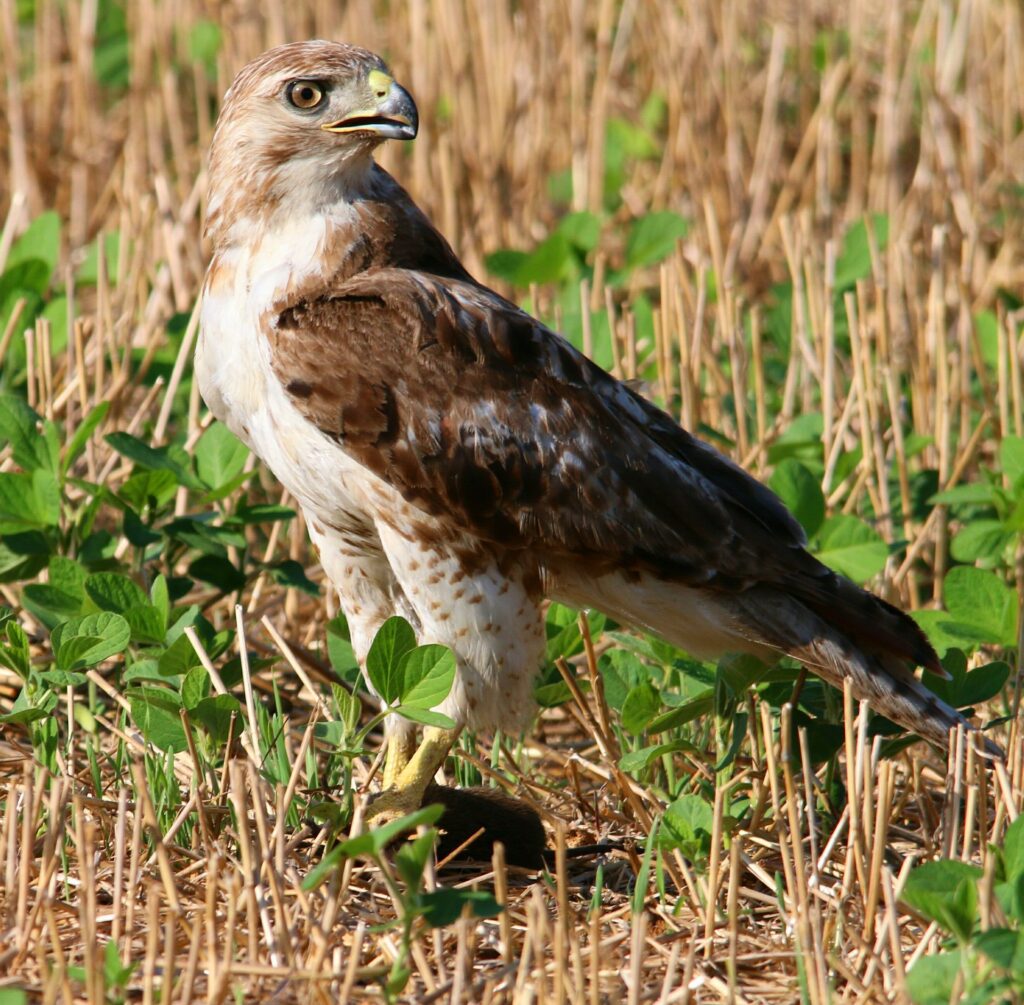
What is artificial insemination, and how is it done for red tail-Hawks
Artificial insemination for red-tailed hawks involves the collection of semen from a male bird and the deposition of the semen into the female hawk’s reproductive tract using specialized techniques. This method is crucial in falconry breeding programs to enhance genetic diversity, improve fertility rates, increase reproductive success, and ultimately influence breeding outcomes positively.
| Aspects of Artificial Insemination | Details |
| Semen Collection | Semen is collected from a male hawk through manual massage of the cloacal protuberance to stimulate ejaculation. The semen is then carefully aspirated using a micropipette. |
| Semen preparation | Once collected, the semen is evaluated for quality, concentration, and motility. It is then diluted in a special extender to provide nutrients and support for the sperm cells. |
| Insemination Process | The insemination is performed by inserting a flexible catheter into the female hawk’s oviduct under endoscopic guidance. The semen is gently released near the infundibulum, allowing natural fertilization. |
Artificial insemination in red-tailed hawks offers a controlled method for managing breeding programs, especially when natural mating is unsuccessful or when specific genetic traits need to be preserved. By utilizing reproductive techniques such as artificial insemination, falconers can play a vital role in maintaining healthy hawk populations and promoting successful breeding practices.
In conclusion, breeding red-tailed hawks in falconry requires careful planning, attention to detail, and adherence to legal regulations. Successful breeding can be achieved by creating a suitable breeding environment, selecting the right pair, and closely monitoring their health and nutrition. Understanding the intricacies of the breeding process, including challenges and solutions, is essential for the well-being of both the raptors and their offspring. Through dedication and proper care, the beauty of these majestic birds can be preserved for future generations.