Caring for a red-tailed hawk requires dedication, patience, and knowledge about its natural behavior and needs. These majestic birds of prey require specialized care to thrive in captivity. This article will discuss the essential aspects of caring for a red-tailed hawk to ensure its healthy and happy life.
Red-Tailed Hawk Diet Requirements
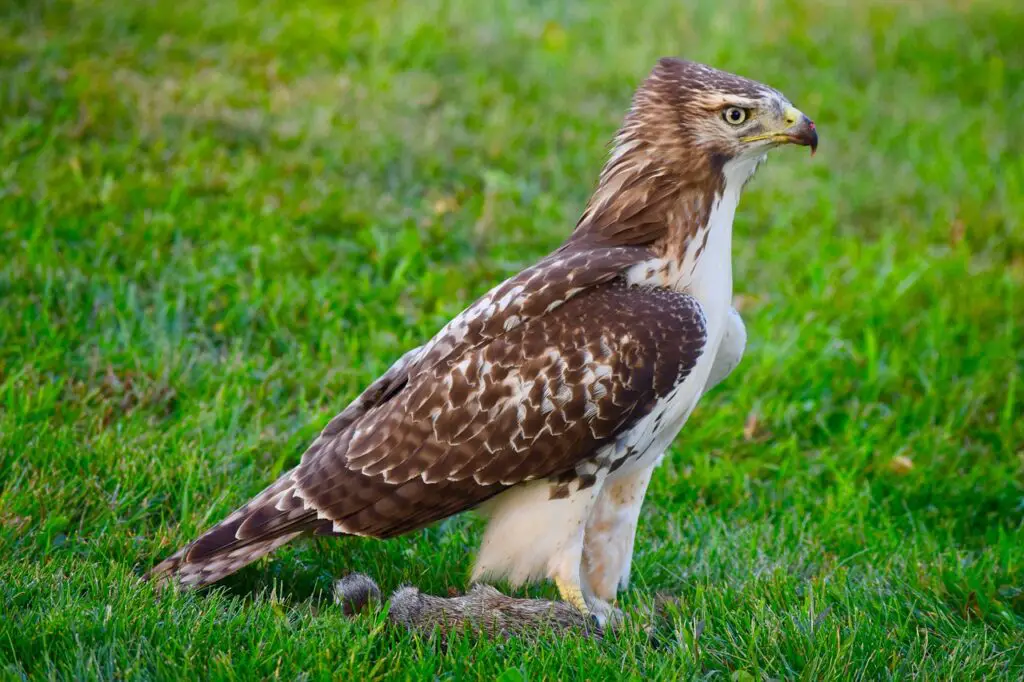
When caring for a red-tailed hawk, understanding its specific diet requirements is crucial for its health and well-being. Establishing a proper feeding schedule is essential to meet the nutritional needs of these majestic birds of prey. Red-tailed hawks mainly feed on small mammals like rodents, rabbits, and squirrels, but they also consume birds, reptiles, and insects.
Offering a variety of prey in their diet is important to ensure they receive a healthy nutritional intake. Incorporating nutritional supplements can be beneficial to enhance their diet, especially for birds that may have specific dietary deficiencies.
Understanding red-tailed hawks’ hunting techniques can also help provide a diet that mimics their natural feeding behaviors. Proper food storage is key to preserving freshness and preventing contamination. By being attentive to their prey preferences and hunting habits and ensuring a varied and nutritious diet, we can support the health and vitality of these magnificent birds in our care.

Suitable Housing for Red-Tailed Hawks
Size
As an experienced falconer, I recommend providing a spacious aviary for a Red-Tailed Hawk to ensure they have enough room to move and exercise freely. Red-tailed hawks have impressive wingspans, ranging from 3.5 to 4.5 feet, so the enclosure should allow for ample wingspan clearance. Considering weight, these hawks can reach up to 4 pounds, so sturdy perches and structures are crucial.
Their space requirements will increase during their growth stages, which last about 6 months, necessitating a larger aviary. Feeding intervals are typically once or twice a day, so the aviary should have a designated feeding area. To mimic their natural habitat, include branches, perches, and sheltered spots in the aviary for the hawk’s comfort and security.
Perches
To provide suitable housing for a Red-Tailed Hawk, the choice and placement of perches are vital components in creating a comfortable and enriching environment for these majestic birds. Consider placing them at various heights to mimic their natural habitat when setting up perches. Opt for sturdy materials like natural branches to prevent foot issues and allow for gripping.
Ensure the perch size is suitable for the bird to comfortably stand and move around. Regularly clean the perches to maintain hygiene and prevent any health issues. By thoughtfully considering perch placement, materials, height, size, and cleaning, you create a safe and stimulating environment that promotes the well-being of your Red-Tailed Hawk.
Roosting and Nesting
Red-tailed hawks typically build their nests on tree branches, but they may require assistance in captivity. Providing suitable nesting materials like twigs and grass can help them build a sturdy nest. Providing a safe and comfortable roosting area for the hawk to rest and sleep is essential. Perches with flat surfaces or platforms can be used as roosting spots, but ensure they are placed at a height where the bird feels secure. Regularly check and clean the roosting area to maintain hygiene and prevent any potential health issues.
Mental Stimulation and Enrichment
In captivity, it’s important to provide mental stimulation and enrichment activities for Red-Tailed Hawks to maintain their physical and mental well-being. Training and socialization are crucial components of a hawk’s mental stimulation. By establishing a training routine, you can bond with your hawk while also keeping their minds active. Socializing them with other hawks or other species can help reduce boredom and promote natural behaviors.
Additionally, providing activities like puzzle toys or hiding food in different locations within the aviary can encourage foraging and hunting instincts. We must also encourage flight and outdoor hunting for exercise, which is essential for a hawk’s physical health. By incorporating different forms of mental stimulation and enrichment in their daily routine, we can ensure that our Red-Tailed Hawks are happy and thriving.
Exercise and Flight Training
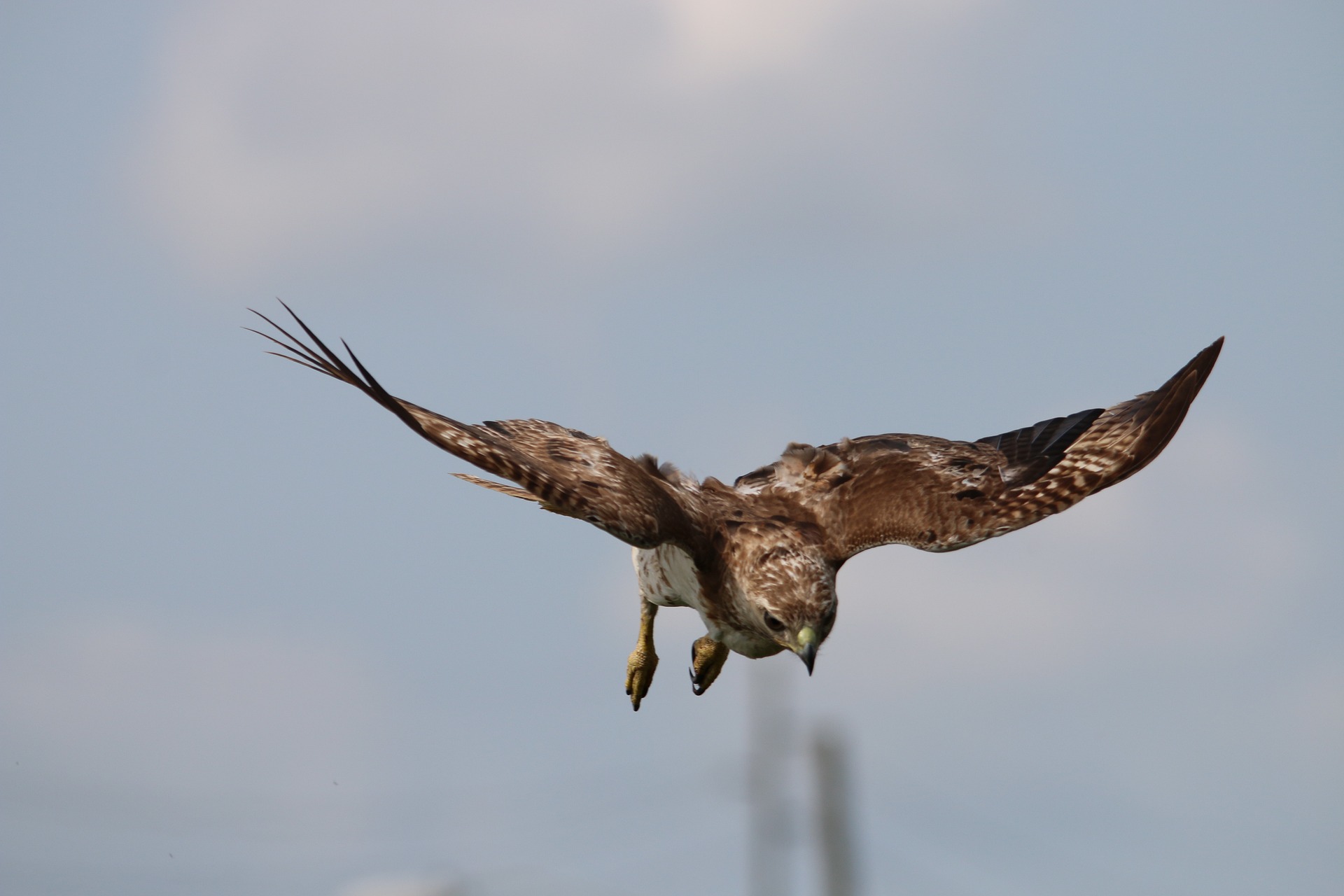
Regular exercise is vital for a Red-Tailed Hawk’s physical health, as it helps maintain muscle strength and mobility. In captivity, it’s important to provide opportunities for flight training and outdoor hunting to ensure they get enough exercise. A spacious aviary with lots of room for flying is crucial, along with providing open areas outside their enclosure for free-flight exercises. Additionally, training them to fly to a lure effectively promotes exercise and maintains their natural hunting instincts. With proper flight training and exercise, we can ensure our Red-Tailed Hawks stay physically fit and healthy.
Veterinary Care for Red-Tailed Hawks
Caring for a red-tailed hawk includes monitoring its health and well-being with regular checkups from a licensed avian veterinarian. Establishing a good relationship with an avian vet who has experience working with birds of prey is essential. Regular checkups help detect any health issues early on, preventing potential complications and promoting prompt treatment.
In addition to regular checkups, observing your hawk’s behavior and physical appearance daily is crucial. Changes in behavior or appearance can indicate potential health issues. A healthy Red-Tailed Hawk should have bright, clear eyes, clean and well-trimmed beaks and talons, and smooth and shiny feathers.
It’s important to keep in mind that birds are masters at hiding signs of illness or injury to protect themselves in the wild. Therefore, it’s crucial to pay close attention to any changes or abnormalities and seek veterinary care if necessary.
Spending time with your Red tail hawk
Spending quality time with your Red-tailed hawk is crucial for building a strong bond and fostering a successful partnership. When it comes to training methods, consistency is key. Establish a routine that includes both mental stimulation and physical exercise to keep your hawk engaged and responsive. Bonding activities such as flying together or practicing hunting techniques can strengthen your relationship and trust with your hawk.
Understanding behavioral cues is essential in interpreting your hawk’s needs and emotions. Pay close attention to body language and vocalizations to communicate effectively. Socialization tips involve introducing your hawk to different environments gradually to prevent stress and fear. Handling techniques should always prioritize the safety and comfort of your hawk. Approach with confidence and gentleness, ensuring proper equipment and support.

In conclusion, providing suitable housing, a varied and nutritious diet, mental stimulation, exercise, and proper veterinary care are essential for the well-being of Red-Tailed Hawks in captivity. These magnificent birds require attention to their natural behaviors and preferences to thrive in captivity.