
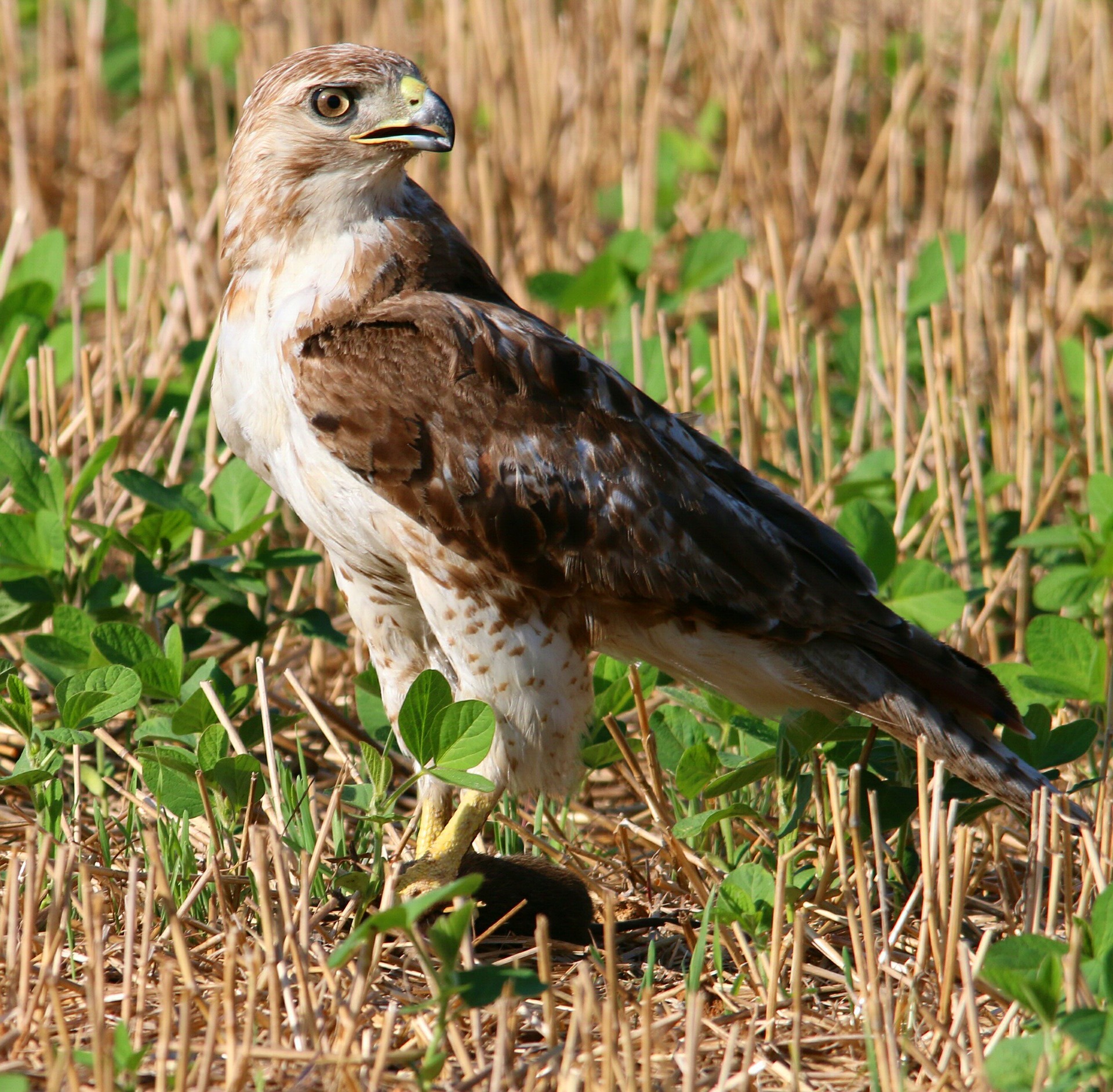
Establishing a solid foundation is key in preparing my Red-Tailed Hawks for training. Every step is crucial, from developing a precise feeding routine to creating a conducive training environment. Bonding exercises, keen observation, and the right equipment all play significant roles in this process. With each interaction, a unique connection forms. Let me enlighten you on how I do this, and I’m sure it will help you prepare for training a red-tailed hawk.
How to prepare your red-tailed hawk for training
Before embarking on training sessions with your red-tailed hawk, it is crucial to establish a strong foundation through proper preparation. A consistent feeding schedule is paramount to ensuring your hawk is healthy and receptive to training. Red-tailed hawks are most responsive to training when they are not hungry but also not overly full.
- A designated training perch is essential for your hawk to associate a specific spot with training sessions. This perch should be comfortable, stable, and strategically placed in an area with minimal distractions.
- Consider the prevailing weather conditions when planning training sessions. Avoid training during extreme weather, such as heavy rain or strong winds, as this can stress your hawk and hinder progress.
- Understanding the molting season is crucial as hawks may be more sensitive during this period. Adjust training intensity and duration accordingly to accommodate their changing feathers.
- Develop proper handling techniques early on to build trust and familiarity with your hawk. Respect their boundaries and handle them gently to establish a positive training environment.
- Use a hood or blindfold to cover your hawk’s eyes during handling and training sessions. This reduces visual stimulation and helps them focus solely on the task at hand.
- Before attempting to train your red-tailed hawk, familiarize yourself with falconry equipment, such as jesses, leash, and swivel. Proper understanding and use of these tools are essential for both you and your hawk’s safety.
- Bonding exercises, such as feeding from the glove and short free-flights, are crucial for building trust and communication between you and your hawk. Start with these before moving on to more advanced training techniques.
Additional tips for successful red-tailed hawk training
- Always be patient and consistent in your training approach. Training a red-tailed hawk takes time and dedication.
- Observe and understand your hawk’s body language to gauge their comfort level during training sessions.
- Celebrate small victories and progress, as it motivates both you and your hawk to continue learning and improving.
- Seek guidance from experienced falconers or join a club for support and advice throughout the training process.
Building trust with your red-tailed hawk before training starts
Establishing trust with your red-tailed hawk before training is fundamental for a successful and harmonious learning experience. Trust building is the cornerstone of our relationship, laying the foundation for all future interactions. Bonding exercises play a crucial role in achieving this. Spending quality time together and engaging in activities like gentle stroking or offering treats helps foster mutual understanding and respect.
Building a strong relationship with your hawk involves more than just physical interactions; it requires effective communication techniques. Understanding your hawk’s body language and vocalizations is key to developing your own language. By observing their responses closely, you can learn to anticipate their needs and desires, strengthening the bond between you.
As you engage in these trust-building activities, remember that patience and consistency are paramount. Trust is not built overnight but through a series of positive experiences that reinforce the connection between you and your hawk. Investing time and effort into this foundational stage sets the stage for a successful training journey ahead.
Essential Equipment and Supplies Needed
To equip yourself properly for training your red-tailed hawk, it is essential to have the right tools and supplies at your disposal. Training gear is vital, including a well-fitted leather glove for handling, a comfortable hood to help keep your hawk calm during non-training periods, and a creance for initial training sessions. Food rewards play a crucial role in reinforcing positive behaviors; using high-quality meat such as quail or rabbit can be highly effective. Behavior shaping involves consistent training techniques to encourage desired actions and discourage unwanted behaviors.
Conditioning exercises help build your hawk’s physical fitness and stamina for flying and hunting. Additionally, enrichment activities like providing different perches, toys, or interactive objects can keep your hawk mentally stimulated and prevent boredom. By having this essential equipment and supplies, you create an environment conducive to effective training sessions with your red-tailed hawk.
Safety Measures and Precautions
Safety measures and precautions must be meticulously followed to ensure the well-being of both yourself and your red-tailed hawk during training sessions. When handling my hawks, I prioritize safety by using proper restraint methods and clear communication signals to establish trust. In case of emergencies, having a well-thought-out plan and basic first aid knowledge is crucial. Additionally, considering environmental factors and potential hazards like weather conditions or nearby predators is essential for a safe training environment.
| Safety Measures | Precautions |
| Proper Handling Techniques | Always approach hawks calmly |
| Effective Restraint Methods | Use appropriate falconry gear |
| Communication Signals | Establish clear cues for commands |
| Emergency Response | Have a first aid kit readily available |
Regularly monitoring training progress allows me to make timely adjustments if needed, ensuring a positive and safe training experience for both myself and my red-tailed hawk. Establishing trust, providing essential equipment, and prioritizing safety measures can create a positive and effective training experience for you and your hawk, ultimately leading to a successful partnership and rewarding experiences in falconry.
Frequently Asked Questions
How Long Does It Take to See Progress in Training?
- Training red-tailed hawks requires consistent effort and time commitment. Progress milestones vary, but improvements can be seen within weeks with effective reinforcement techniques, patience, and persistence. Building trust and understanding of the bird’s behavior accelerates training.
What Are Common Behavioral Challenges During Training?
- During training, handling aggression, building trust, overcoming fear, redirecting focus, and managing distractions are common behavioral challenges. It takes patience, consistency, and understanding to address these issues effectively and develop a strong bond with my hawks.
How Do You Introduce a Red-Tailed Hawk to Other Animals?
- I carefully manage animal interactions when introducing my red-tailed hawk to other animals. The socialization process is gradual, considering hawk behavior and making necessary training adjustments. Introducing other species is a strategic part of their development.