
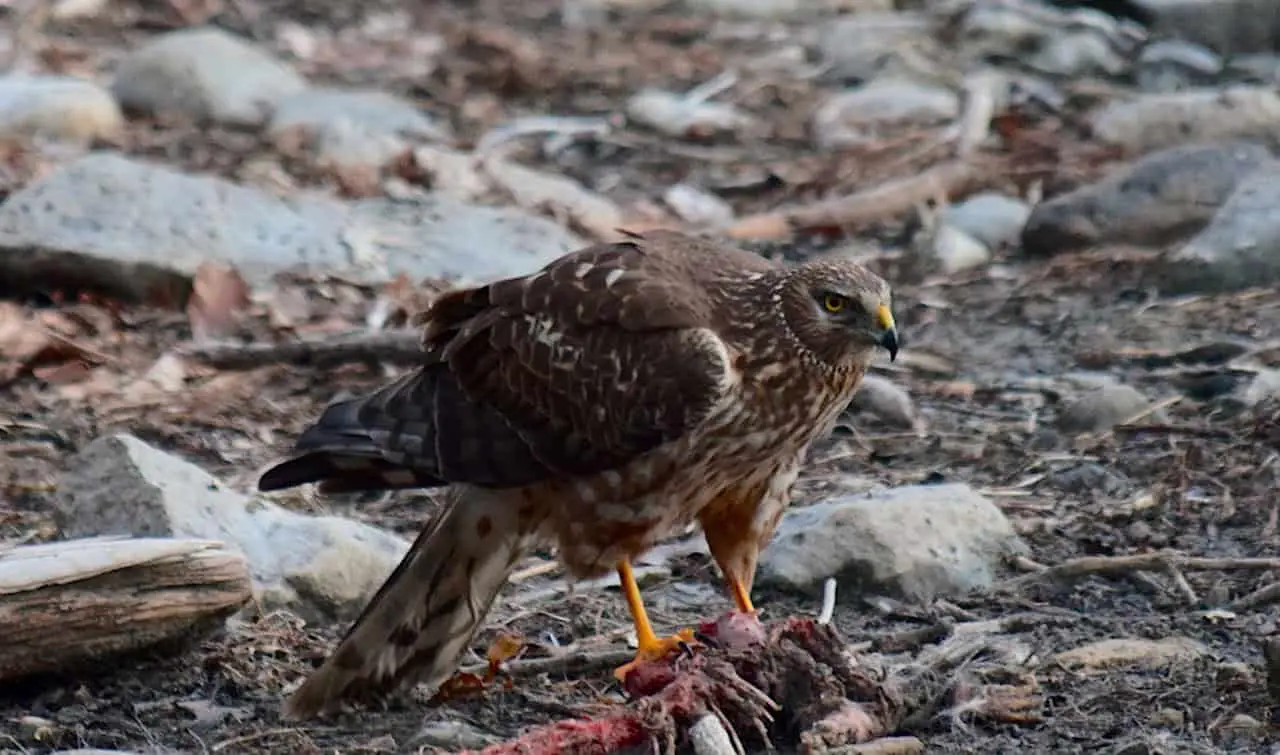
To select a breeding pair of Red-Tailed Hawks, observe their hunting skills and territorial defense to start with. You should keep an eye out for many things, and over the years, I have narrowed them down to a few main things to consider when selecting your breeding pair. Below I will highlight things like gene pool variation and how to asses physical characteristics etc. Keep reading below and use my experience to guide you along.
What to Look for When Selecting a Breeding Pair of red-tailed hawks.
When selecting your breeding pair of Red-Tailed Hawks, there are a few key factors to consider. These include:
- Genetic Variation
- Physical Characteristics
- Hunting Skills and Temperament
Genetic Variation
Choosing a breeding pair with different genetic backgrounds is important to promote strong and healthy offspring. This means avoiding mating hawks that are closely related, as this can lead to genetic abnormalities and weakened immune systems in their offspring. It is best to select a male and female hawk from different geographic locations, wild populations, or different falconers/breeders.
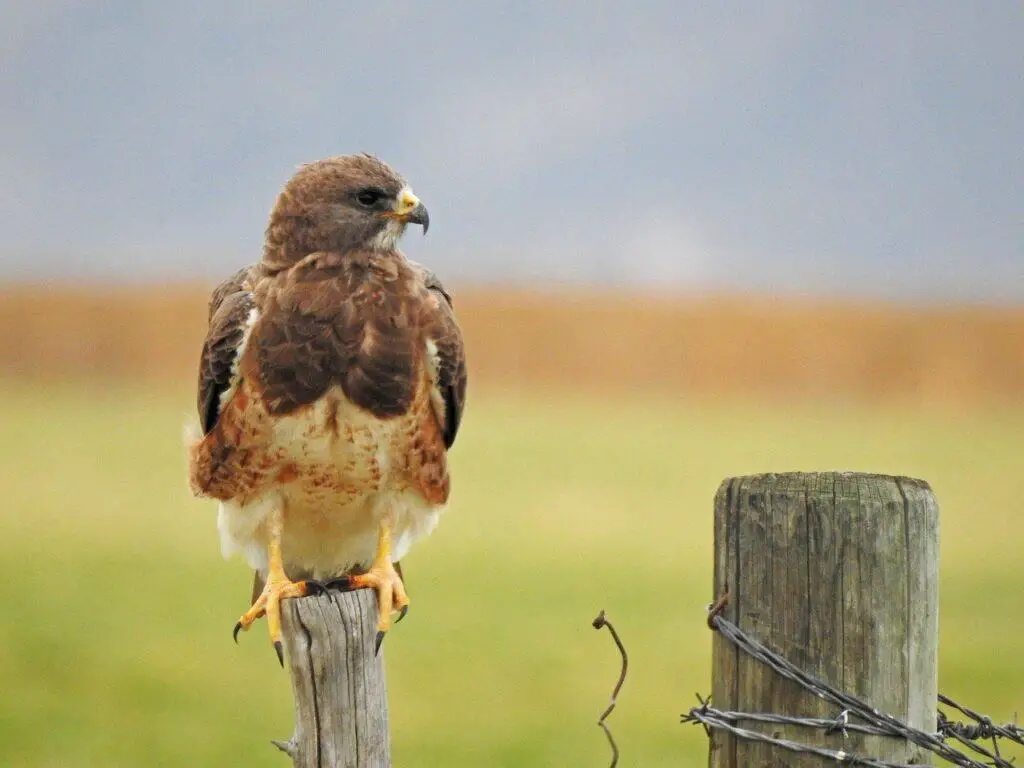
Physical Characteristics
When selecting your breeding pair, it is important to consider the physical characteristics of each bird. Look for hawks with strong and well-defined features, such as sharp beaks and talons, as these indicate good hunting abilities and overall health. Choosing birds of similar size and weight is also important, as this will ensure compatibility during breeding and prevent dominance issues.
Hunting Skills and Temperament
Each bird’s hunting skills and temperament are crucial factors to consider when selecting a breeding pair. Observing the hawks’ hunting techniques, such as their flight patterns and success rates, to determine their skills. Additionally, it is important to choose hawks with a calm and docile temperament, as aggressive birds may have difficulty bonding and caring for their offspring.
Tips for Assessing Hunting Skills
To assess the hunting skills of your potential breeding pair, here are a few tips:
- Observe their hunting techniques: Do they have effective flight patterns? Are they successful in catching prey?
- Look for signs of aggression: Aggressive hawks may struggle with bonding and caring for their offspring.
- Consider their previous hunting experience: Hawks that have been successfully hunting in the wild are more likely to pass on strong hunting skills to their offspring.
Evaluating Physical Attributes
Assessing the physical attributes of potential breeding red-tailed hawks is crucial for determining their suitability as a mating pair. When evaluating these birds, consider their wing span, eye color, feather condition, beak shape, and tail length. Wing span is important as it can indicate the bird’s ability to soar and hunt efficiently. Eye color can vary, but a bright, clear eye often suggests good health. Check the feather condition; they should be sleek, well-groomed, and free from damage.
A sharp, well-shaped beak is essential for catching prey, so ensure your choice of raptor beak is in good condition. Additionally, tail length is a factor to note, with longer tails often associated with agility in flight. Observing these physical attributes can provide valuable insights into the overall health, hunting prowess, and genetic potential of the red-tailed hawks being considered for breeding. Remember, a thorough assessment of these features can help in selecting a compatible and strong breeding pair.
Assessing Genetic Compatibility
To ensure the successful breeding of red-tailed hawks, it is imperative to thoroughly evaluate the genetic compatibility of potential mating pairs. Genetic diversity plays a crucial role in the health and adaptability of offspring. When selecting breeding pairs, it is essential to consider each hawk’s genetic background to maximize the population’s diversity.
Parental care is another vital aspect to evaluate when assessing genetic compatibility. The ability of both hawks to provide adequate care for their young greatly impacts breeding success. Observing the parenting behaviors of individual hawks can give insight into their compatibility as a breeding pair. Health screening is a necessary step in assessing genetic compatibility. Conducting thorough health checks can help identify any underlying genetic issues that may affect the breeding process or the health of the offspring.
Considering these factors when evaluating genetic compatibility can lead to successful breeding outcomes and ensure the production of healthy offspring with strong genetics.
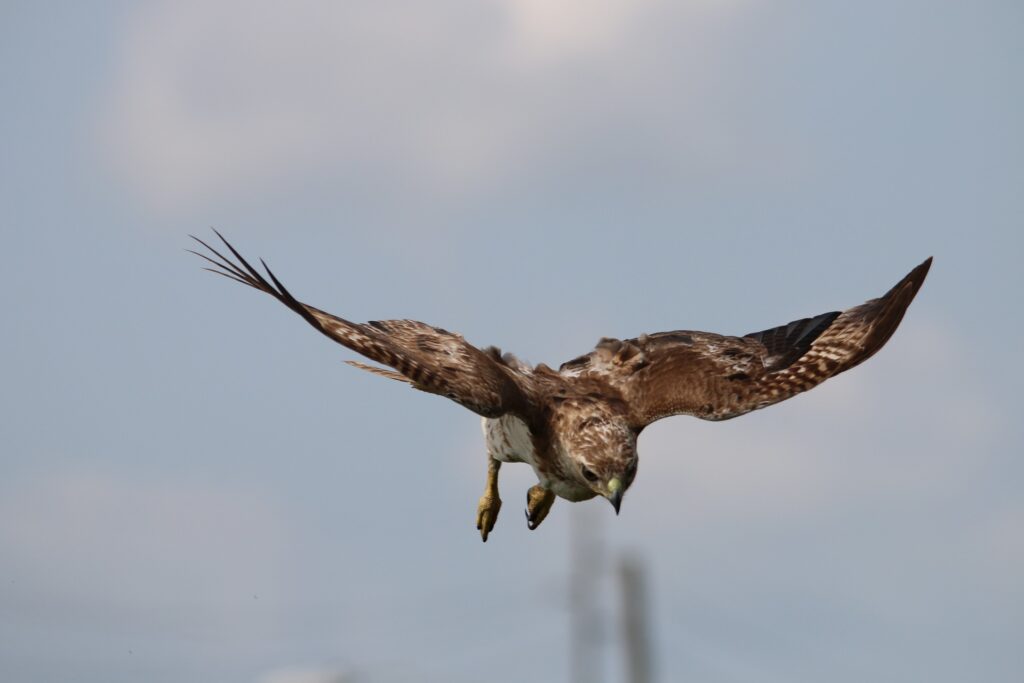
Creating a Suitable Environment
Creating an optimal environment is essential for the successful breeding and raising of red-tailed hawks. Providing suitable materials for nest building is crucial when setting up the habitat. Red-tailed hawks typically build nests in tall trees, so offering branches and twigs of varying sizes can simulate their natural nesting behavior. Perch placement is also vital; hawks prefer elevated perches that allow them to survey their surroundings. Ensuring a variety of perch options can promote exercise and mental stimulation for the birds.
Understanding their feeding habits is key; red-tailed hawks are carnivorous and require a diet of small mammals like mice and rabbits. Climate control is essential, as red-tailed hawks are sensitive to extreme temperatures. Maintaining a suitable temperature range in their environment is crucial for their health and breeding success. By paying attention to these factors, you can create an environment that supports the natural behaviors and needs of red-tailed hawks.
Monitoring Pair Dynamics
In understanding the dynamics between a breeding pair of red-tailed hawks, observing their interactions and communication cues is crucial for ensuring their successful breeding and raising of offspring. Behavioral observations play a significant role in monitoring pair dynamics. Observing how the hawks interact during various activities such as hunting, feeding, and nest-building can provide valuable insights into their bond and compatibility. Pair bonding is essential for the Hawks to work together effectively in raising their young.
Territory defense is another key aspect to monitor. Red-tailed hawks are territorial birds, and observing how the pair defends their territory against intruders can indicate their ability to protect their nesting site and offspring. Successful territory defense is often linked to higher reproductive success rates in red-tailed hawks.
Courtship displays are also important to observe. These displays involve intricate behaviors that strengthen the pair’s bond and readiness for breeding. Monitoring courtship displays can help assess the pair’s reproductive readiness and potential success in raising healthy offspring.
Selecting a breeding pair of red-tailed hawks requires attention to detail and dedication. Breeders can ensure successful reproduction and healthy offspring by observing and understanding the dynamics between two hawks. With proper care and monitoring, breeding red-tailed hawks can be a fulfilling and rewarding experience for both the hawks and their caretakers.