
When I set up my mew for a red-tailed hawk, I prioritize understanding hawk behavior, providing enriching stimuli, ample space for movement, and using suitable materials. Creating a sturdy structure with perches at different heights, feeding stations, and weatherproofing techniques is essential.
Setting up a mew can become a costly endeavor, so make sure you find out about materials properly before purchasing, but I will touch on types of materials along with space requirements and enrichment for your raptors to aid you in setting up your mew or aviary so have a read through the below content and pick up what you need, hope this helps.
Requirements When Building a Mew for a Red-Tailed Hawk
Space and Design
First and foremost, designing a mew with sufficient space for a red-tailed hawk is critical. The enclosure should be large enough to accommodate the bird’s wingspan and allow for flight within the space. A recommended minimum size is 8 feet long, 8 feet wide, and 7 feet high, ensuring the hawk can comfortably stretch and exercise. Additionally, the mew should include a separate weathering area exposed to natural elements like rain and sunlight.

Construction Materials
The materials used for building a mew should be durable and weather-resistant. Common choices include treated wood, strong metal mesh or hardware cloth for the walls, and a solid roof for protection against the elements. The flooring, such as concrete or compacted gravel, should be easy to clean to maintain hygiene and prevent any foot problems for the hawk.
Perching
Providing multiple perches at various heights allows the hawk to choose its preferred resting spot and tones the bird’s muscles. These perches should be natural branches or materials that mimic natural textures to prevent foot ailments. Ensuring stability and proper diameter, typically 2-3 inches, will maintain the health of the bird’s feet.
Enrichment and Stimulation
Hawks require mental and physical stimulation to prevent boredom and encourage natural behaviors. Incorporating items such as hanging toys, climbing structures, and puzzle feeders can significantly enhance the hawk’s quality of life. Regularly rotating these items will keep the hawk engaged and stimulated.
Feeding and Watering Stations
Properly positioned feeding and watering stations should be included in the mew. These should be sturdy and easy to clean, located away from perches to prevent contamination from droppings. Fresh water must always be available, and food should be offered to mimic the hawk’s natural hunting behavior.
Safety and Security
Ensuring the mew is secure against potential predators and escape is paramount. Reinforced doors, locks, and double-door entry systems can prevent accidental release and intrusions. Additionally, regular inspection of the enclosure for any signs of wear or damage is crucial to maintaining a safe environment.
By carefully considering these requirements, you can build a functional and enriching mew for a red-tailed hawk, promoting the bird’s health, well-being, and overall quality of life. I cannot stress enough that understanding hawk behavior is crucial when setting up a mew for a red-tailed hawk. These raptors have predatory instincts that must be considered to ensure their well-being and enrichment. Raptor care involves creating an environment that mimics their natural habitat as closely as possible while also providing the necessary safety and comfort.
Materials for building a red-tailed hawk mew
Creating a durable and safe mew for a red-tailed hawk requires selecting the right materials and employing proper construction techniques. Here’s how to build a secure environment for your hawk and a comprehensive list of materials and tools needed.
Construction Materials:
- Wood: Choose a high-quality, durable wood frame. Cedar or redwood are excellent options because of their strength and resistance to decay.
- Wire Mesh: Opt for stainless steel or coated wire mesh to provide ventilation, keep the hawk safe from predators, and prevent escape.
- PVC: Lightweight and durable, PVC can be used for parts of the structure where less weight is needed, and easy maintenance is preferred.
- Metal (Optional): If opting for metal components, select galvanized or stainless steel to avoid rust.
Weatherproofing Supplies:
- Weather-Resistant Paint or Stain: Protect the wooden parts of the mew from weather elements.
- Sealant: To seal gaps and prevent water ingress.
Nesting Materials:
- Hay or Straw: Provide natural materials for the hawk to build its nest.
Tools and Hardware:
- Screws: Rust-resistant screws for assembling the frame and attaching mesh.
- Hinges and Latches: For doors or access panels, ensure they are secure and cannot be manipulated by the hawk.
- Drill and Drill Bits: These are used to assemble the frame and attach the mesh.
- Saw: To cut wood and PVC to the required dimensions.
- Wire Cutters: For cutting and shaping the wire mesh.
- Paintbrush or Sprayer: For applying weatherproofing materials.
Construction Tips:
- Frame Construction: Use the wood to build a sturdy frame, ensuring it can support the hawk’s weight and withstand adverse weather conditions.
- Mesh Installation: Securely attach the wire mesh to the frame, ensuring there are no gaps for the hawk to escape or injure itself.
- Ventilation and Security: Use wire mesh for ventilation, and ensure all doors or access panels have secure latches.
- Weatherproofing: Apply weather-resistant coatings to all wooden surfaces and ensure the roof is sloped to effectively drain water away.
- Interior Setup: Include multiple perching spots at different heights and provide suitable nesting materials. Set up feeding stations that keep food clean and allow the hawk to eat undisturbed.
By carefully selecting materials and considering the specific needs of your red-tailed hawk, you can construct a mew that offers security, comfort, and a touch of the natural environment in which the bird thrives.
Step by step, I will show you how to create a mew or aviary for a red-tailed hawk.
How can one effectively create a mew or aviary for a red-tailed hawk while ensuring optimal comfort and safety for the bird? When building a space for your red-tailed hawk, it is crucial to consider various aspects such as building techniques, space requirements, maintenance tips, weatherproofing strategies, and decorative elements.
Creating a Mew or Aviary
Step 1: Planning and Design
Determine the Size:
- Decide on the dimensions of the mew based on the space available and the size of your hawk. Red-tailed hawks require ample space to stretch their wings—ideally, the mew should be at least 8 feet tall, 8 feet wide, and 12 feet long.
Sketch the Layout:
- Draft a detailed plan, including the placement of perches, feeding stations, and access points. Ensure the design includes proper ventilation and drainage.
Step 2: Gathering Materials and Tools
- Materials:
- High-quality, durable wood (Cedar or Redwood)
- Stainless steel or coated wire mesh
- Weather-resistant paint or stain
- Rust-resistant screws
- Hay or straw for nesting
- Hinges and latches for secure doors
- Tools:
- Drill and drill bits
- Saw
- Wire cutters
- Paintbrush or sprayer
Step 3: Constructing the Frame
- Cut Wood to Size:
- Use the saw to cut the wood to the dimensions specified in your plan.
- Assemble the Frame:
- Begin by constructing the base and then attach vertical supports. Ensure the frame is sturdy and level.
- Build the Roof Frame:
- The roof should slope to facilitate water drainage. Attach roof supports securely.
Step 4: Installing the Wire Mesh
- Attach Wire Mesh Panels:
- Using rust-resistant screws, secure the wire mesh to the wood frame. Ensure there are no gaps larger than 1 inch.
- Cut Mesh for Ventilation and Access:
- Create openings for ventilation and doors. Reinforce these areas to prevent escape or injury.
Step 5: Weatherproofing
- Apply Weather-Resistant Coating:
- Paint or stain the wooden components to protect against the elements. Allow sufficient drying time.
- Seal All Gaps:
- Use a sealant to fill any gaps, particularly at joints and corners, to prevent water ingress.
Step 6: Interior Setup
- Install Perches:
- Securely attach natural branches or suitably textured materials at varying heights to mimic the hawk’s natural environment.
- Set Up Feeding and Watering Stations:
- Position sturdy feeding and watering stations away from perching areas to keep food and water clean.
- Add Nesting Materials:
- Place hay or straw in an area where the hawk can build a comfortable nest.
Step 7: Final Inspection and Adjustments
- Check Security Features:
- Ensure all hinges, latches, and mesh attachments are secure and cannot be manipulated by the hawk.
- Inspect for Safety Hazards:
- Look for any sharp edges or protruding nails that could harm the bird. Make necessary adjustments.
By following these detailed steps and ensuring each phase is executed meticulously, you can create a safe, comfortable, and stimulating environment for your red-tailed hawk. Regular maintenance and inspection will keep the mew or aviary in optimal condition, promoting the well-being of your bird.
Choosing the Right Location
Selecting the ideal location for your mew or aviary involves careful consideration of various factors to ensure the safety and well-being of your red-tailed hawk. Safety measures should be a top priority when choosing a spot for your hawk’s habitat. Here are some key factors to consider:
| Ideal Location | Safety Measures | Landscaping Options |
| Away from Predators | Secure Perimeter Fencing | Native Plant Species |
| Good Drainage | Adequate Roosting Areas | Water Features |
| Shelter from Winds | Regular Inspections | Shaded Areas |
Consider implementing weatherproofing strategies and noise reduction techniques in your chosen location to protect your red-tailed hawk from the elements and disturbances.
Size considerations
The size of your red-tailed hawk habitat will determine the level of comfort and stimulation provided to the bird. A large mew or aviary allows for more natural flight patterns, perching options, and nesting spaces. Ensure there is sufficient space for feeding stations and maintain a clutter-free environment. A well-designed and spacious mew or aviary will promote your red-tailed hawk’s physical and psychological health.
Designing the Mew Structure
To ensure optimal living conditions for your red-tailed hawk, careful attention must be given to the structural design of the Mew or Aviary, incorporating key considerations for the hawk’s well-being and comfort. The roof design is crucial to protect the hawk from the elements and provide shelter. Ensure the roof is sturdy and weatherproof.
When it comes to flooring options, consider materials that are easy to clean, like concrete or gravel, while providing a comfortable surface for the hawk to walk on. Temperature control is essential; consider insulation for colder months and proper ventilation for warmer seasons. Predator-proofing is vital; use strong materials and secure locks. Lastly, natural lighting is beneficial for the hawk’s well-being, so incorporate windows or skylights while ensuring they don’t compromise the hawk’s safety.
Ensuring Proper Ventilation
Ventilation’s importance cannot be overstated, as it directly impacts the health and well-being of the bird. To control airflow effectively, consider the placement of vents strategically to promote air circulation without causing drafts. When designing ventilation systems, prioritize both intake and exhaust to maintain a fresh and clean environment. Techniques like installing adjustable vents or mesh screens can help regulate airflow according to seasonal requirements. Additionally, remember these ventilation tips: avoid placing perches directly in front of vents, clean ventilation systems regularly to prevent blockages, and monitor humidity levels to ensure a comfortable and healthy habitat for your red-tailed hawk.
Providing Adequate Perches
Properly selecting and positioning perches within a Mew or Aviary is essential to ensure the comfort and well-being of a red-tailed hawk. Elevated perches provide the hawk with a sense of security and mimic their natural roosting habits. Natural branches offer varying diameters for foot health and exercise. Multiple levels allow for different vantage points and encourage movement. Swings and ropes add enrichment and opportunities for physical activity. Platform perches give the hawk a stable resting spot and a place to eat comfortably. By strategically incorporating these various perch types throughout the Mew or Aviary, I create a stimulating environment promoting the hawk’s physical and mental health.
Implementing Hygiene Practices
When constructing a Mew or Aviary, it is crucial to prioritize hygiene practices to maintain a clean and healthy environment for the red-tailed hawk. Establishing a regular cleaning schedule is essential to prevent the buildup of waste and odors. I utilize sanitizing methods to ensure all surfaces are clean and free from harmful bacteria. Proper waste management and odor control are vital aspects that I pay close attention to. Implementing disinfection techniques helps in keeping the environment hygienic and safe for the hawk. Pest prevention measures are also in place to avoid any infestations. Adequate drainage and sufficient air circulation play key roles in maintaining a dry and well-ventilated space.
Adding Enrichment and Stimuli
Maintaining a clean and healthy environment for the red-tailed hawk through hygiene practices allows for the next step of adding enrichment and stimuli to the mew or aviary. Enrichment activities play a crucial role in keeping the red-tailed hawk mentally engaged and physically active. Providing behavioral stimulation through interactive toys, environmental enhancements like perches and hiding spots, and opportunities for physical exercise such as flying obstacles or climbing structures are essential for the hawk’s well-being. These elements prevent boredom and stress and mimic the bird’s natural habitat, promoting its natural behaviors. Incorporating a variety of enrichment activities ensures the red-tailed hawk remains healthy, stimulated, and content in its new environment.
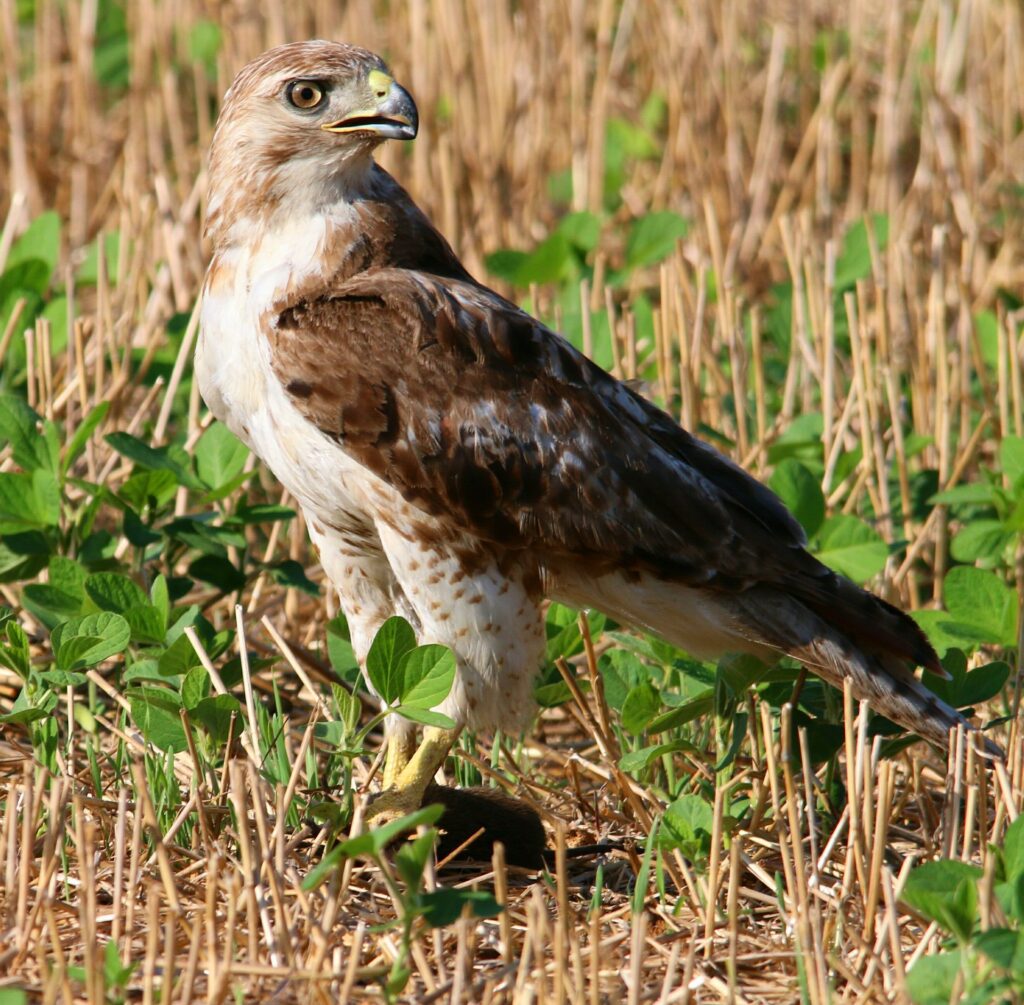
| Enrichment Activities | Behavioral Stimulation | Environmental Enhancements | Mental Engagement |
| Interactive toys | Flying obstacles | Perches | Problem-solving games |
| Foraging puzzles | Climbing structures | Hiding spots | Training sessions |
In conclusion, setting up a mew for a red-tailed hawk requires careful planning, the right materials, and attention to detail. By following the steps outlined and considering key factors like size, location, and safety, you can create a suitable and comfortable living space for your hawk. Remember to always prioritize the well-being and happiness of your feathered friend when designing their mew or aviary.