
To set up red-tail hawks mew for breeding, here’s my expert advice. First, choose a location with ample space and light, sturdy perching options, and secluded nesting areas. Design the mew with safety, comfort, and predator-proof measures, including a heating system and various roosting perches. Ensure the mew size is at least 8ft x 8ft x 8ft and provide suitable nesting materials and privacy for breeding pairs. There is a lot more that goes into the setup of the aviary and the above is just the basics but fear not because I will cover these topics in depth and other important things you must have when setting up your mew or aviary.
Step-by-step guide on how to set up a mew or aviary for breeding red-tailed hawks
Choose a suitable location.
The first step in setting up a mew or aviary for breeding red-tailed hawks is to choose a suitable location. This includes considering the area’s size, access to natural light, and the surrounding environment. Ideally, the mew should have ample space for flight and exercise, as well as secluded areas for nesting and privacy. It is also important to choose a location that is away from potential predators like cats, dogs, or other birds of prey.
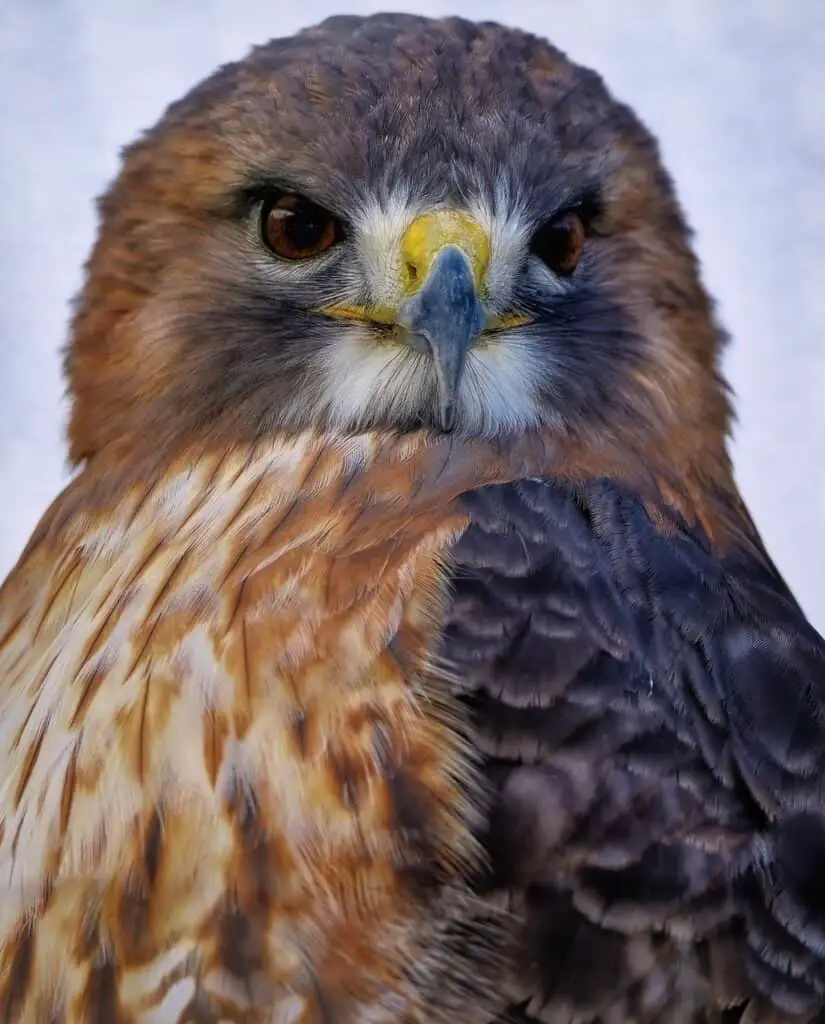
Design the mew with safety in mind.
When designing the mew, it is important to keep safety as a top priority. This includes using sturdy materials for perches and flooring, ensuring there are no sharp edges or potential hazards, and providing a secure door or lock to prevent escape. It is also recommended that predator-proof measures such as mesh wire or netting around the mew be installed to keep out potential threats.
Consider the heating and ventilation system.
Red-tailed hawks require a comfortable temperature range for breeding, so it is important to have a heating system in place to regulate the temperature. This is achieved through using heat lamps or installing a heating system in the mew. Additionally, proper ventilation is crucial to maintain fresh air and prevent the buildup of harmful bacteria.
Provide suitable perches and nesting areas.
Red-tailed hawks are arboreal birds, meaning they spend most of their time perching in trees. Therefore, it is important to provide a variety of perches at different heights and materials for the hawks to perch on. This can include branches, natural logs, and man-made platforms. For nesting, it is recommended to use suitable materials like shredded bark or wood chips for lining the nest area.
Ensure privacy for breeding pairs.
To encourage successful breeding, providing privacy for the breeding pairs is important. This can be achieved by placing the nesting area in a secluded spot within the mew and minimizing disturbances from outside sources. Limiting human interaction with the hawks during the breeding season is also recommended.
Selecting the Right Location
When choosing the ideal location for a Red Tail Hawks Mew, prioritize a spot that offers ample space, natural light, and minimal disturbances. For perch placement, ensure that there are sturdy branches or structures where the hawks can comfortably rest and observe their surroundings. The nest box should be positioned in a quiet area with a privacy screen to shield the hawks from excessive human activity. Sun exposure is crucial for warmth and vitamin D synthesis; hence, select a location that receives plenty of sunlight throughout the day.
Additionally, predator protection should be considered by sitting the mew in an area where ground predators like raccoons or foxes cannot easily access the hawks. Creating a balance between providing visibility for the hawks and ensuring their safety is essential when choosing the location for the mew. By carefully considering these factors, you can establish a conducive environment for the Red Tail Hawks’ breeding and nesting activities.
Designing the Mew Structure
To ensure the optimal breeding conditions for Red Tail Hawks, the mew structure must be meticulously designed with a focus on safety, comfort, and functionality. Perch placement within the mew is crucial for the Hawks’ well-being. Providing various perches at different heights and textures mimics their natural habitat, promoting exercise and reducing muscle strain. Nesting materials should be soft, insulating, and easily replaceable to maintain cleanliness. Temperature control is vital; installing a thermostat-controlled heating system ensures that the mew remains within the ideal temperature range for breeding.
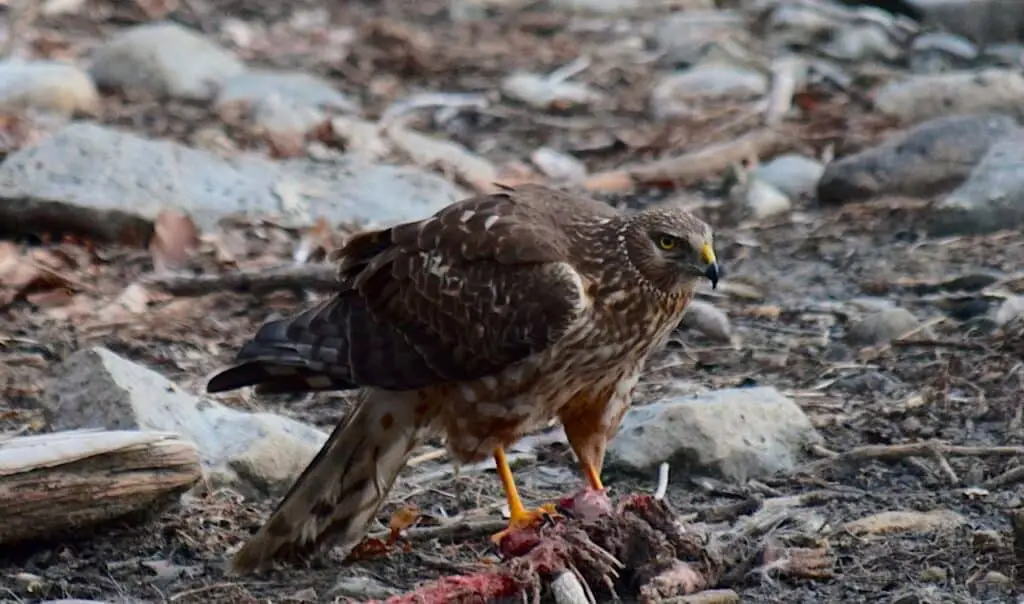
Predator protection is paramount, with sturdy walls, secure doors, and predator-proof meshing to safeguard the hawks. Lighting requirements should mirror natural daylight patterns to regulate the breeding cycle effectively. Implementing timers for consistent light exposure aids in maintaining the hawks’ circadian rhythms. By meticulously addressing these design elements, the mew structure can provide a safe, comfortable, and functional environment for successful breeding.
Providing Adequate Space
Adequately spacious living quarters are essential for Red Tail Hawks in a breeding environment to ensure their physical and mental well-being. Meeting the space requirements of these majestic birds is crucial for successful breeding. Here are some key elements to consider when providing adequate space for Red Tail Hawks:
| Aspect | Details |
| Space requirements | Red Tail Hawks need ample space to move around freely. A mew size of at least 8ft x 8ft x 8ft is recommended. |
| Nesting materials | Provide suitable materials like sticks, twigs, and soft bedding to encourage nesting behavior. |
| Roosting perches | Incorporate various roosting perches at different heights to mimic their natural habitats. |
| Privacy needs | Ensure secluded areas within the mew where hawks can retreat for privacy, especially during breeding season. |
| Breeding season preparations | Prepare the mew with additional nesting materials and ensure minimal disturbances for breeding pairs. |
Ensuring Proper Ventilation
Moving on from the importance of providing adequate space for Red-Tailed Hawks in a breeding environment, ensuring proper ventilation within the mew is critical to maintaining their health and well-being. Ventilation requirements for Red-Tailed Hawks are stringent due to their sensitivity to air quality. To achieve optimal air circulation, a well-designed ventilation system is essential. The ventilation design should include both intake and exhaust fans to ensure a constant fresh air flow while expelling stale air.
Regular ventilation maintenance is crucial to prevent dust, feathers, and dander buildup, which can compromise air quality. Monitoring the ventilation system for any malfunctions or blockages is necessary to promptly address any issues that may arise. Proper ventilation helps regulate temperature and humidity levels and plays a significant role in preventing respiratory issues and promoting overall bird health, making it a fundamental aspect of a Red-tailed Hawks mew or aviary setup.
Furnishing With Essential Resources
Ensuring the Red Tail Hawks’ mew is furnished with essential resources involves strategically placing perches, nesting materials, and enrichment items to cater to the birds’ behavioral and physiological needs.
- Nesting materials: Providing suitable nesting materials like twigs, leaves, and soft bedding is crucial for the hawks to build secure nests for breeding.
- Feeding stations: Strategically positioning feeding stations with fresh prey or appropriate food sources ensures the hawks have easy access to nutrition for breeding and rearing young.
- Perch options: Offering a variety of perch options of different heights and textures mimics the hawks’ natural environment, allowing them to rest, observe, and feel secure in their surroundings.

In addition to the key elements mentioned above, it is essential to incorporate water sources for hydration, bathing, and privacy areas where the hawks can retreat and feel safe during vulnerable times like nesting and caring for their young. These thoughtful furnishing choices contribute to creating a conducive environment for the successful breeding and raising of Red Tail Hawks. By providing a suitable environment for breeding, you ensure the health and well-being of your red tail hawks and increase the likelihood of successful breeding.