

Training my red-tailed hawks involves building trust through consistent care and positive reinforcement. I use food rewards and flight training for bonding and physical strength. Simulated prey activities hone their hunting skills. Proper handling is key to our connection. Setting up perches and mews, using leather jesses, and conducting hunting simulations are crucial. Basic commands, vocal cues, and rewards shape their behavior. Conditioning their diet, flight training, and monitoring weight are essential. Enrichment activities keep them mentally and physically sharp. Join me on this exciting journey to discover the intricacies of training these majestic birds with the content laid out below.
Step-by-step process on how to train red-tailed hawks
Build trust through consistent care and positive reinforcement
- Red-tailed hawks are wild birds, so it’s important to establish a sense of trust with them
- before beginning any training.
- Consistent care, such as providing regular meals and clean living conditions, helps build
- rapport with the hawk.
- Positive reinforcement is key in building trust with these birds. Using food rewards and
- praise when the hawk responds to training cues will help create a positive
- association.
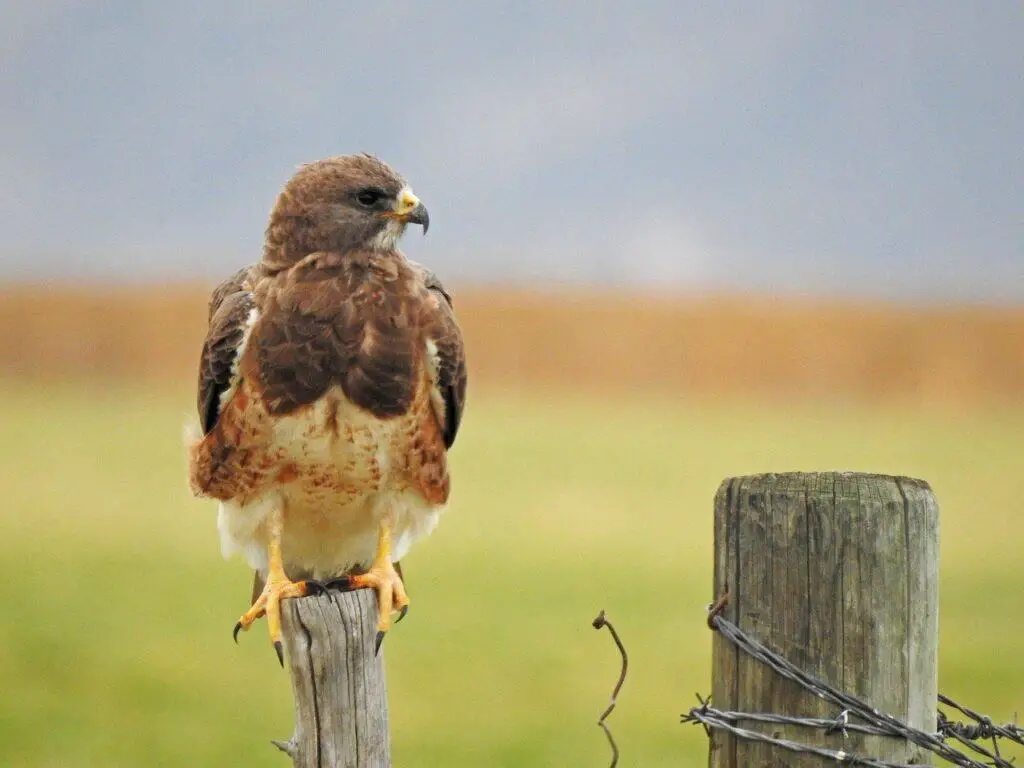
Use food rewards and flight training for bonding and physical strength
- Red-tailed hawks are intelligent birds that respond well to food rewards during training.
- The hawk will learn to associate good behavior with receiving a
- treat by using food as a reward. This will also help strengthen the bond between trainer and bird.
- Flight training is crucial for a red-tailed hawk’s physical strength. It allows them
- to build up their flight muscles and develop the necessary skills for
- successful hunting.
Conduct simulated prey activities to hone hunting skills
- Red-tailed hawks are natural hunters, but they may need some assistance in developing
- their skills.
- Using simulated prey activities, such as a lure or dummy prey, can help the hawk
- practice hunting techniques and improve their accuracy and speed.
Proper handling is crucial for building trust and maintaining safety
- When handling a red-tailed hawk, it’s important to always use leather jesses (straps attached
- to the bird’s legs). This ensures a secure grip and prevents injury to both the
- trainer and the bird.
- Handling should always be done with care and respect for the hawk. Rough handling can
- damage trust and hinder training progress.
Set up appropriate perches and mews
- Perches are essential for a red-tailed hawk’s comfort and well-being. They should be of
- varying sizes and placed in different locations to provide mental stimulation.
- A mews (housing for the hawk) should be properly set up with enough space for the bird
- to spread its wings fully. It should also have proper ventilation, temperature
- control, and a secure entrance.
Use basic commands, vocal cues, and rewards
- Basic commands such as “step up” and “come” can be taught to a
- red-tailed hawk using vocal cues and rewards. These commands will help with
- handling and recall training.
- Vocal cues should be consistent and used in conjunction with rewards to reinforce good
- behavior.
Condition their diet, monitor weight, and conduct regular health checks
- Conditioning the hawk’s diet is important for maintaining their health and energy levels. A
- balanced diet of fresh meat, bones, and supplements is essential.
- Monitoring the hawk’s weight is crucial to ensure they are at a healthy weight for flight
- training and hunting.
- Regular health checks should also be conducted to catch any potential issues early on.
Provide enrichment activities
- Enrichment activities, such as puzzle feeders and flying exercises, are important for
- keeping red-tailed hawks mentally and physically stimulated.
- These activities can also help prevent boredom and negative behaviors often
- associated with birds kept in captivity.
Building Trust and Bonding
Building trust and bonding with a red-tailed hawk requires consistent interaction and positive reinforcement to establish a strong foundation for training. Trust exercises and bonding activities are crucial in developing a deep connection with these magnificent birds of prey. Communication strategies and relationship building play a significant role in fostering mutual understanding and respect.
By engaging in teamwork challenges and trust-building exercises, both the hawk and the trainer learn to rely on each other, strengthening their bond. Socialization techniques and bonding activities help create a sense of companionship and trust between the hawk and the trainer. Building rapport through connection exercises is essential for establishing a harmonious relationship based on trust and cooperation. Through these methods, trust and bonding are laid, paving the way for successful training sessions and a fulfilling partnership with the red-tailed hawk.
Training Environment and Equipment
Establishing a conducive training environment and having the right equipment are key factors in ensuring successful interactions and progress with a red-tailed hawk. Indoor perches provide a safe space for the hawk to rest and perch comfortably. On the other hand, outdoor mews offer the hawk exposure to natural elements and varying stimuli essential for its development. Leather jesses, strong and reliable, are crucial for handling and training the hawk effectively, ensuring safety for both the bird and the trainer.
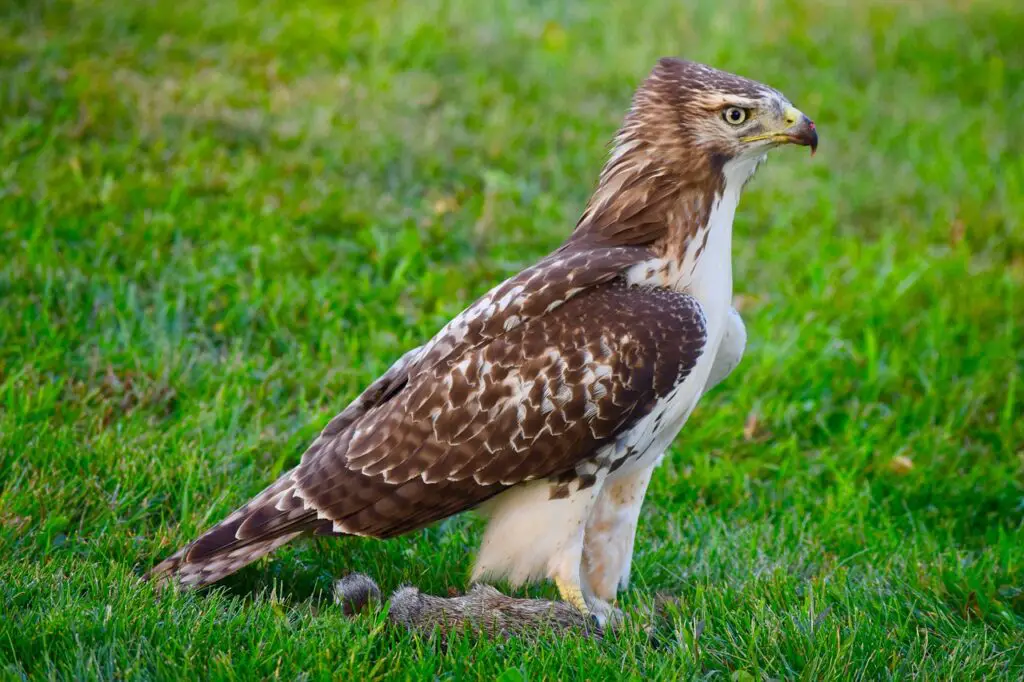
Hunting simulations are invaluable for enhancing the red-tailed hawk’s hunting instincts. These simulations mimic real hunting scenarios, allowing the hawk to hone its skills and instincts. Telemetry tracking plays a vital role in monitoring the hawk’s movements during training sessions and outdoor flights. This technology ensures that the hawk doesn’t fly too far and can be easily located if it ventures beyond sight. Training red-tailed hawks becomes a fulfilling and successful endeavor by creating a supportive environment and utilizing the right equipment.
Basic Commands and Signals
Harnessing a red-tailed hawk’s innate intelligence and instincts and mastering basic commands and signals is fundamental to establishing a strong communication bond between the bird and the trainer. Feeding techniques play a crucial role in training. 0By associating specific vocal cues with feeding times, the hawk learns to respond to commands promptly. Flying exercises are essential for the bird’s physical and mental health. The hawk becomes adept at following directional signals during flight through consistent practice. Vocal cues also aid in guiding the hawk during free flights, fostering trust and cooperation.
A rewards system reinforces positive behavior, encouraging the hawk to obey commands willingly. Providing treats or food rewards immediately after a successful response effectively reinforces the desired behavior. Perch training is vital for teaching the hawk where to land and wait for further instructions. I cultivate a strong bond with my red-tailed hawks by incorporating these elements into training sessions, ensuring effective communication and successful training outcomes.
Physical Conditioning and Exercise
I prioritize physical conditioning and exercise in their training regimen to ensure peak performance and well-being for my red-tailed hawks. Proper diet management is essential, providing the necessary nutrients for energy and strength. Flight training is key, allowing the Hawks to build stamina and agility in the air. Weight management is carefully monitored to ensure they are at an optimal flying weight. Agility exercises such as obstacle courses and target training help improve their maneuverability and coordination. Enrichment activities like providing different perches and toys stimulate their minds and bodies, preventing boredom and promoting overall health. Below is a table highlighting the key aspects of physical conditioning and exercise for my red-tailed hawks:
| Aspect | Description |
| Diet Management | Balanced nutrition for energy and strength |
| Flight Training | Building stamina and agility in the air |
| Weight Management | Monitoring to maintain optimal flying weight |
| Agility Exercises | Obstacle courses and target training for maneuverability and coordination |
| Enrichment Activities | Providing varied perches and toys for mental and physical stimulation |
Advanced Training Techniques
Incorporating innovative training methods elevates the capabilities and bond between myself and my red-tailed hawks, enhancing our partnership and their skills. Advanced handling techniques involve refining the communication between me and my hawks, ensuring precise cues and responses. Flight training at this stage focuses on advanced maneuvers, such as sharp turns and high-speed dives, to showcase the hawk’s agility and mastery of the sky.
Behavior modification plays a crucial role in shaping the hawks’ desired actions and reactions. I can encourage behaviors aligning with our training goals using positive reinforcement and consistent training. Prey simulation becomes more intricate, mimicking real hunting scenarios to challenge the hawks’ hunting instincts and decision-making abilities.
Performance evaluation is a continuous process in which I assess the Hawks’ progress, identify areas for improvement, and adjust our training regimen accordingly. This meticulous approach allows us to push the boundaries of what my red-tailed hawks can achieve, fostering a deep sense of accomplishment and partnership between us.

Training red-tailed hawks is a rewarding journey that requires patience, dedication, and a deep understanding of these majestic birds. By building trust, creating a positive training environment, and using effective techniques, you can develop a strong bond with your hawk and achieve incredible results. Remember to always prioritize the well-being and welfare of your hawk throughout the training process. With determination and passion, you can unlock the full potential of your red-tailed hawk and experience the beauty of falconry like never before.