
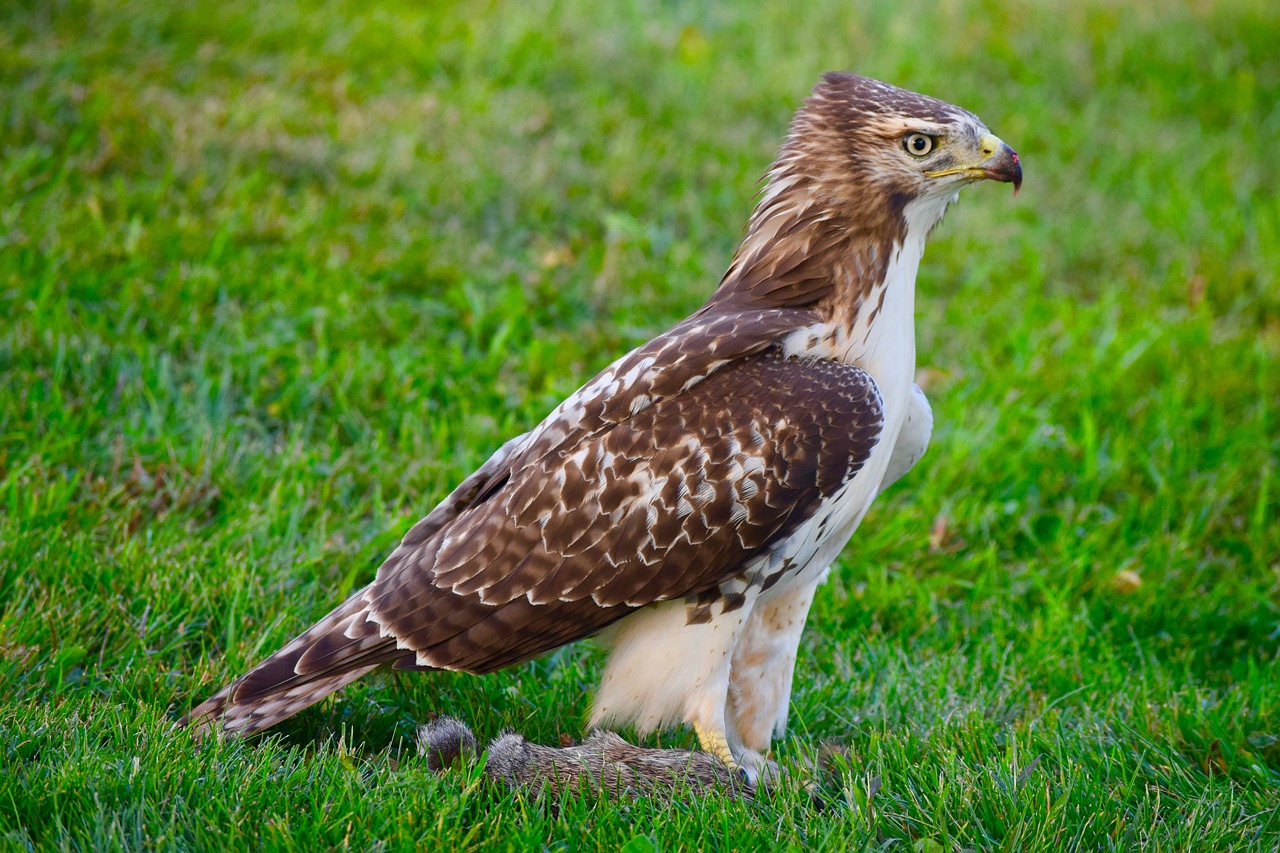
The Red-tailed hawk (Buteo jamaicensis) is a large bird of prey throughout North America. These majestic birds are known for their striking appearance, impressive hunting abilities, and fascinating behaviors. Here are some interesting things about the red-tailed hawk that you may not know:
Appearance
- As the name suggests, red-tailed hawks have distinctive brick-red tails that make them easy to identify in flight.
- Their bodies are typically brown or gray with lighter underparts and a white chest.
- Red-tailed hawks have sharp, hooked beaks and powerful talons used for catching and killing their prey.
Range and Habitat
- Red-tailed hawks can be found in various habitats, including forests, open grasslands, and even urban areas.
- They are North America’s most widespread hawk species, found from Alaska to Panama.
Hunting Abilities
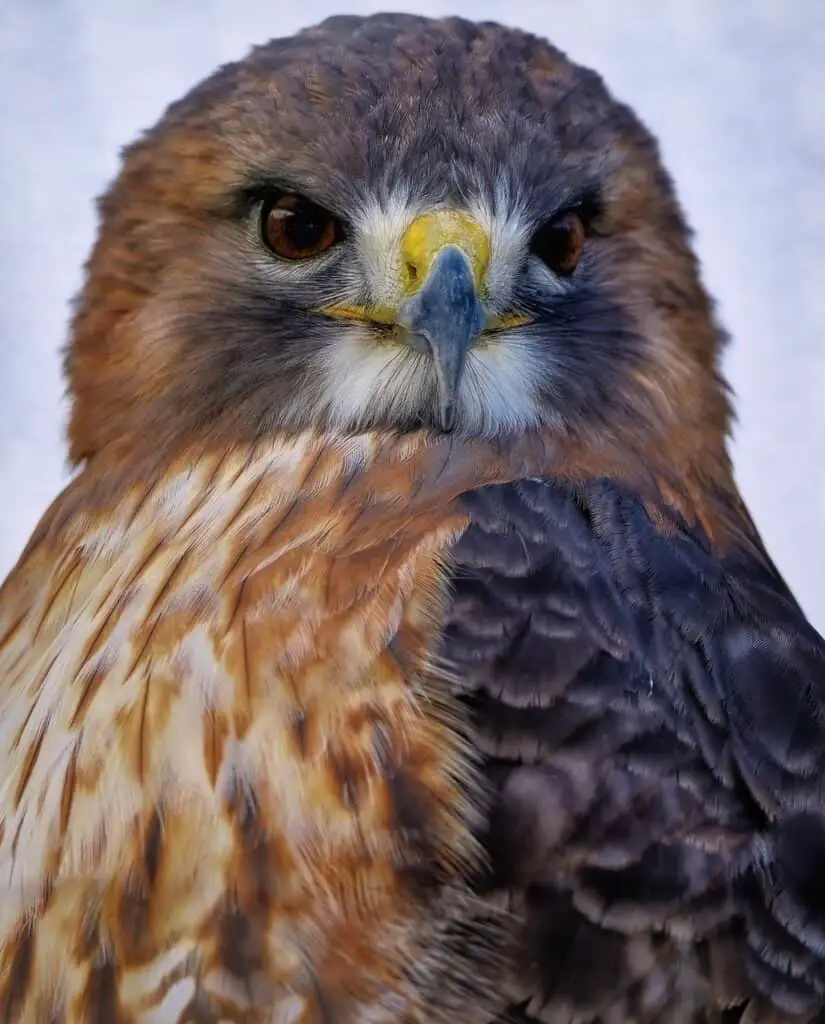
- These birds of prey are skilled hunters, able to take down a variety of prey, including small mammals, birds, reptiles, and even other raptors.
- Red-tailed hawks have excellent vision and can spot their prey from over a mile away.
- In flight, they use thermals (rising columns of warm air) to soar high above the ground while searching for food.
Breeding Behavior
- Red-tailed hawks are monogamous and typically mate for life. They will return to the same nesting site each year.
- The female is responsible for the nest, which is usually located in a tall tree or cliff ledge.
- Both parents alternate in incubating and caring for the young.
Cultural Significance
- Native American cultures have long revered the red-tailed hawk, which is considered a symbol of strength, courage, and wisdom.
- Throughout history, they have also played prominent roles in various mythologies and folk tales.
- Today, these birds can be found on currency, state flags, and as mascots for sports teams.
Conservation Status
- While red-tailed hawks are not currently listed as threatened or endangered, they still face threats such as habitat loss and human disturbance at nesting sites.
- However, their adaptability has allowed them to thrive in many different environments.
- By learning more about these magnificent birds, we can continue to appreciate and protect them for future generations to enjoy.

Additional Fun Facts
- Did you know that red-tailed hawks have a special nictitating membrane that covers and protects their eyes while hunting?
- These birds can live up to 21 years in the wild and longer in falconry.
- Red-tailed hawks are known for their piercing screech, often used as a sound effect in movies and television shows.
- The oldest recorded red-tailed hawk was over 30 years old.
In addition to their impressive abilities and cultural significance, red-tailed hawks play a crucial role in maintaining the balance of ecosystems. As top predators, they help control populations of prey species and contribute to overall biodiversity. By knowing and appreciating these creatures, we can ensure their continued presence in our environment.