Observing a juvenile red-tailed hawk in falconry mesmerizes me as I witness its keen eye spotting prey and swift dives for catches. The awakening mating behaviors subtly hint at its maturation process, while territorial disputes showcase its growing dominance. From evolving vocalizations to adult calls, each moment spent with this magnificent creature unveils layers of its incredible journey toward independence, and I hope to share my experiences with juvenile red-tailed hawks.
Juvenile Hawk Development: Physical and Behavioral Traits
Like most birds of prey, juvenile red-tailed hawks undergo significant physical and behavioral changes during their maturation process. These changes are driven by a combination of genetics and experience as the young hawks learn to survive in the world. Here are some key traits to look out for when observing a juvenile red-tailed hawk:
Plumage
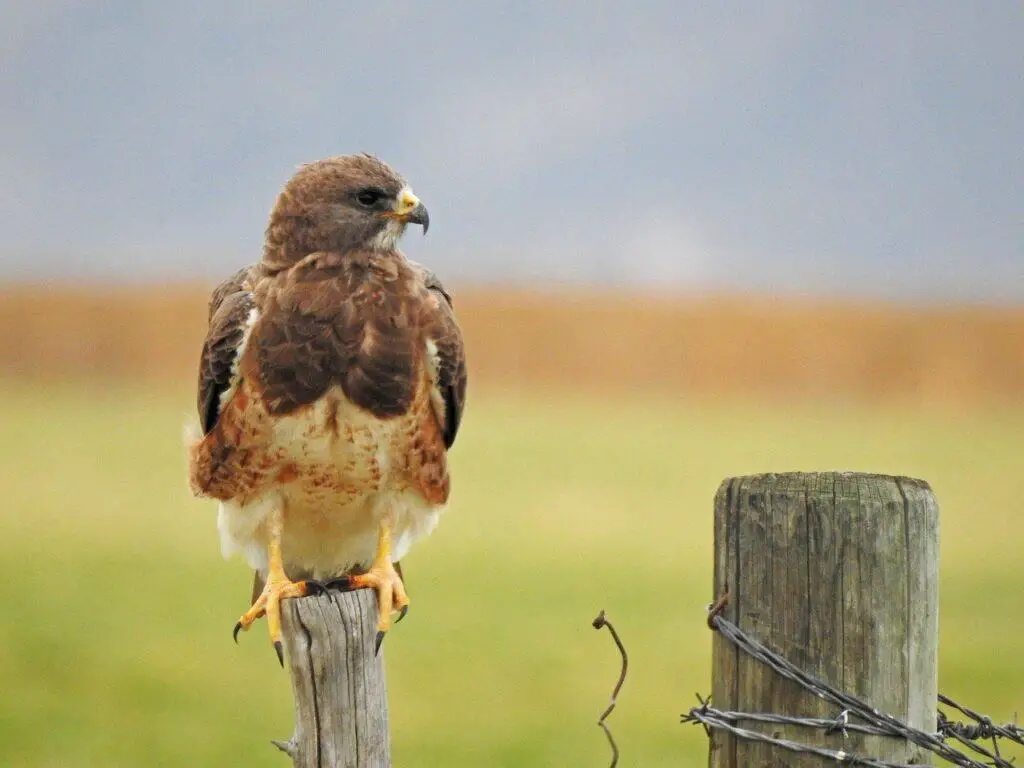
One of the most noticeable changes in juvenile hawks is their plumage. Young hawks have a distinct brown coloration with streaks of white on their chest and belly. This helps them blend in with their surroundings while still learning to hunt effectively.
As they mature, juveniles molt their feathers several times before reaching adulthood. During this time, their plumage gradually shifts to the more iconic red-tailed hawk coloring of bright chestnut-red feathers on their back and wings, with a pale underside.
Size and Shape
When first hatched, juvenile hawks are small and fluffy. They quickly grow in size and strength as they consume prey provided by their parents. However, they take a few months to reach their full adult size.
While still growing, juveniles may have slightly different proportions compared to adults. Their wings may appear longer in proportion to their body, making them seem more slender.
Hunting Skills
Juvenile hawks begin learning hunting skills from their parents at a young age. Initially, they may just observe their parents catching prey and returning it to the nest. As they get older and more confident, they will start practicing hunting on their own.
This process can be quite comical to watch, as the young hawks may stumble and make mistakes while trying to catch prey. However, with practice and guidance from their parents, they become skilled hunters by the time they reach adulthood.
Juvenile Hawk Behavior: Mating and Territorial Displays
As juvenile red-tailed hawks near sexual maturity, they start exhibiting behaviors associated with mating and establishing territory. These behaviors are important for the species’ survival and showcase these birds’ incredible instincts.
Mating Behaviors
While still juveniles, hawks may start performing courtship displays with potential mates. These can include aerial acrobatics, vocalizations, and gift-giving of prey items. These behaviors are a way for the hawks to practice and refine their skills for future breeding seasons.
Territorial Displays
As juvenile hawks start establishing their own territories, they may engage in territorial disputes with other hawks. This can involve aggressive behavior such as dive bombing, screeching, and talon grappling.
These displays showcase the strength and dominance of the juvenile hawk as it seeks to defend its territory and attract a mate in the future.
Transition from Nesting to Independence
One of the most exciting moments in observing a juvenile red-tailed hawk is witnessing its transition from being dependent on its parents to becoming an independent adult. This process can take several months and involves learning essential skills such as hunting and defending territory.
As the young hawk becomes more proficient in these skills, it will start spending less time at the nest and eventually leave for good. This moment marks the successful completion of the juvenile’s journey towards independence and begins its life as an adult red-tailed hawk.
Juvenile Hawk Diet and Feeding Behavior
Juvenile red-tailed hawks rely heavily on their parents for food during their maturation process. As they begin learning hunting skills, they may also start capturing small prey on their own.
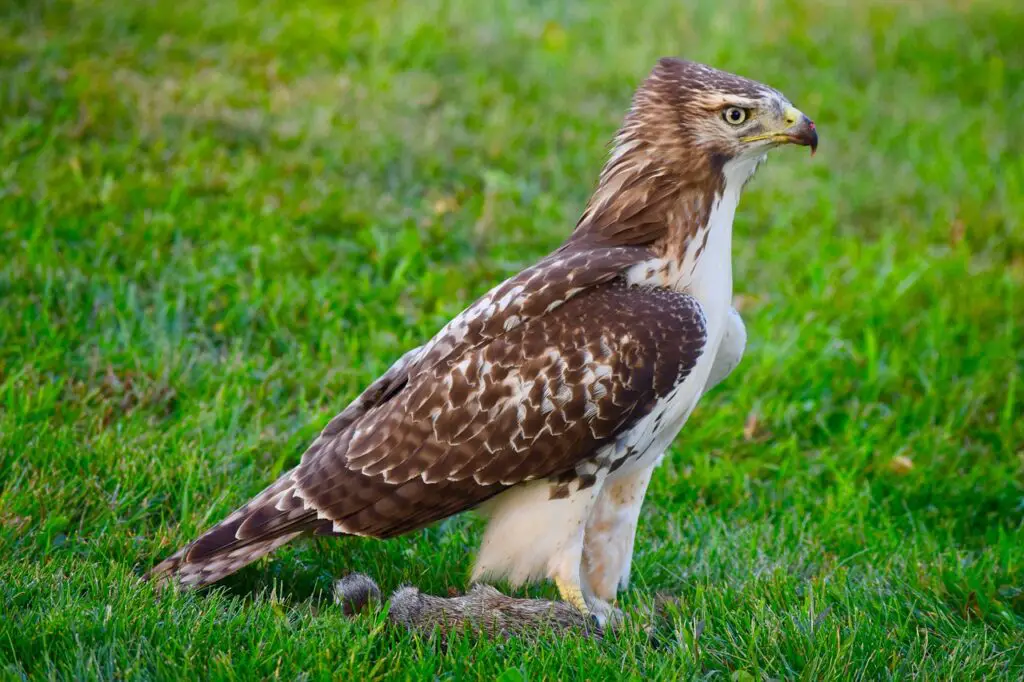
Juvenile hawks mainly eat small mammals such as rodents and rabbits, but they may also consume birds, reptiles, and insects. They are opportunistic hunters and will take advantage of whatever prey is available to them.
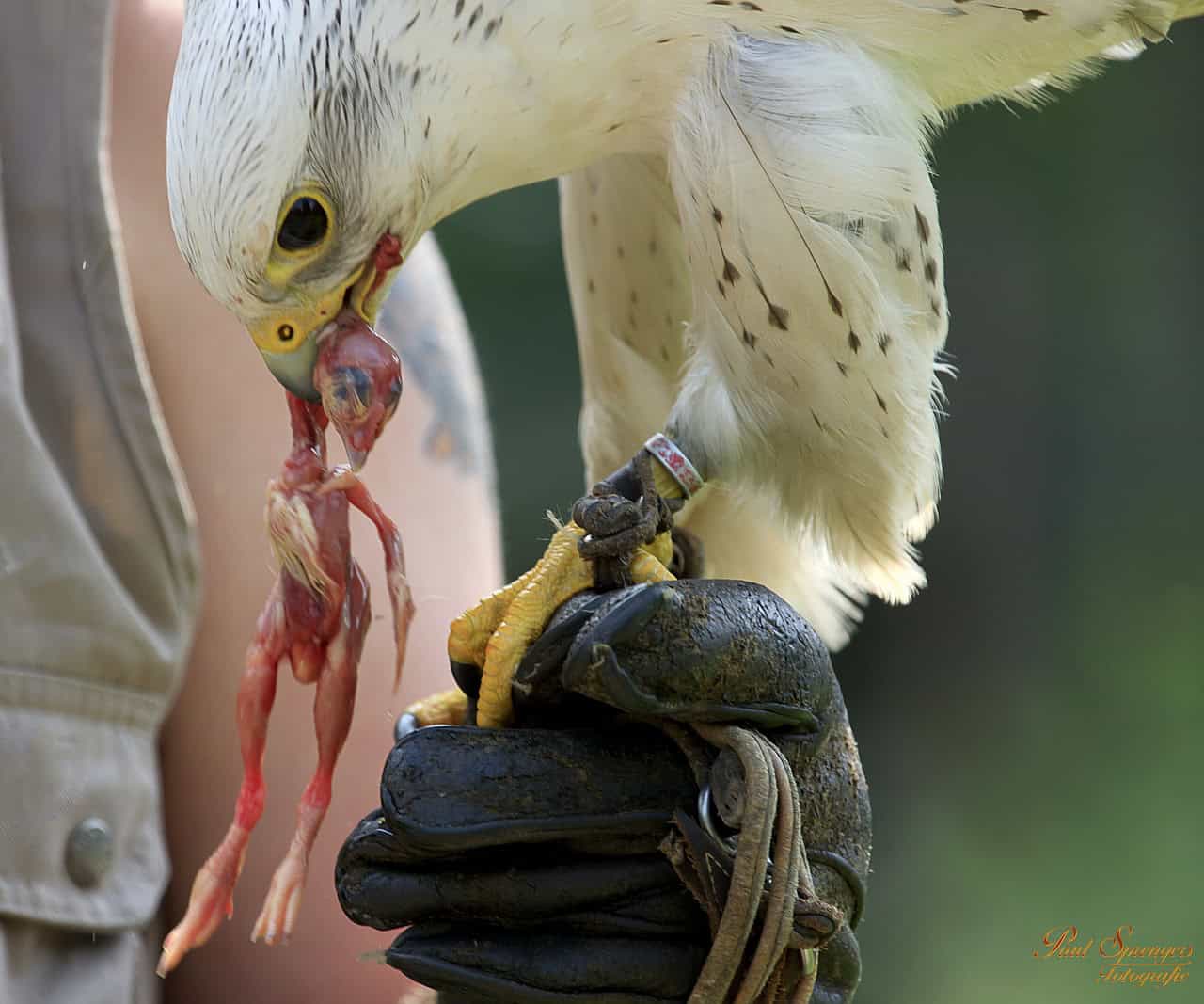
Watching a juvenile hawk feed can provide valuable insights into its hunting techniques and preferences. As the hawk grows and becomes more skilled, its feeding behavior will also evolve.
Social Dynamics Among Juveniles
Engaging with other juvenile red-tailed hawks, I observed intricate social dynamics that underscored the importance of cooperation and hierarchy in their early interactions. A clear social hierarchy emerged within the group dynamics through subtle dominance displays and communication cues. Peer interactions were crucial for establishing these roles, with each hawk vying for its place within the group. The communication cues were fascinating to witness – from sharp calls to body language, these juveniles had a sophisticated way of conveying their intentions and asserting dominance.
In observing their social interactions, it became evident that these juvenile red-tailed hawks rely heavily on their ability to navigate the complexities of the group dynamics. Those who displayed stronger dominance often received priority access to food and perching spots, indicating the significance of establishing oneself within the social hierarchy. Through these interactions, the juveniles learned valuable social skills that would undoubtedly aid them in their future as independent hunters in the wild.
Parental Care and Juvenile Independence
Initially, the young hawk closely follows its parents’ lead, learning essential skills like hunting techniques and territory marking through parental guidance. As time passed, the juvenile hawk’s innate survival instincts began to surface, driving it to actively participate in hunting and exploring its surroundings.
- Parental Guidance: The adult hawks played a crucial role in teaching the juvenile essential skills for survival.
- Survival Instincts: As the young hawk grew older, its instincts for hunting and territorial behavior became more pronounced.
- Growing Independence: Over time, the juvenile hawk started to exhibit behaviors indicating its readiness to assert independence from its parents.

Environmental Exploration and Adaptation
Exploring the diverse terrain of the falconry environment, the juvenile red-tailed hawk showcased remarkable adaptability in navigating its surroundings and honing its survival skills. In its habitat exploration, I observed the hawk employing various survival strategies to overcome environmental challenges. One notable behavioral adaptation was its ability to camouflage itself in different settings, blending seamlessly with the landscape to avoid predation.
| Environmental Challenges | Survival Strategies |
| Varied terrain with dense vegetation | Camouflaging in foliage |
| Presence of potential predators | Quick evasion maneuvers |
| Fluctuating weather conditions | Seeking shelter in trees |
The hawk’s resilience in adapting to these challenges highlighted its remarkable ability to thrive in diverse environments. By constantly fine-tuning its skills and behaviors, the juvenile red-tailed hawk exemplified the essence of survival.
Observing the juvenile red-tailed hawk in falconry has been a truly mesmerizing experience. From watching its physical and behavioral development to witnessing its transition to independence and acquisition of hunting skills, every moment has been filled with awe and wonder. Seeing how this magnificent bird navigates its environment and adapts to new challenges is amazing.