
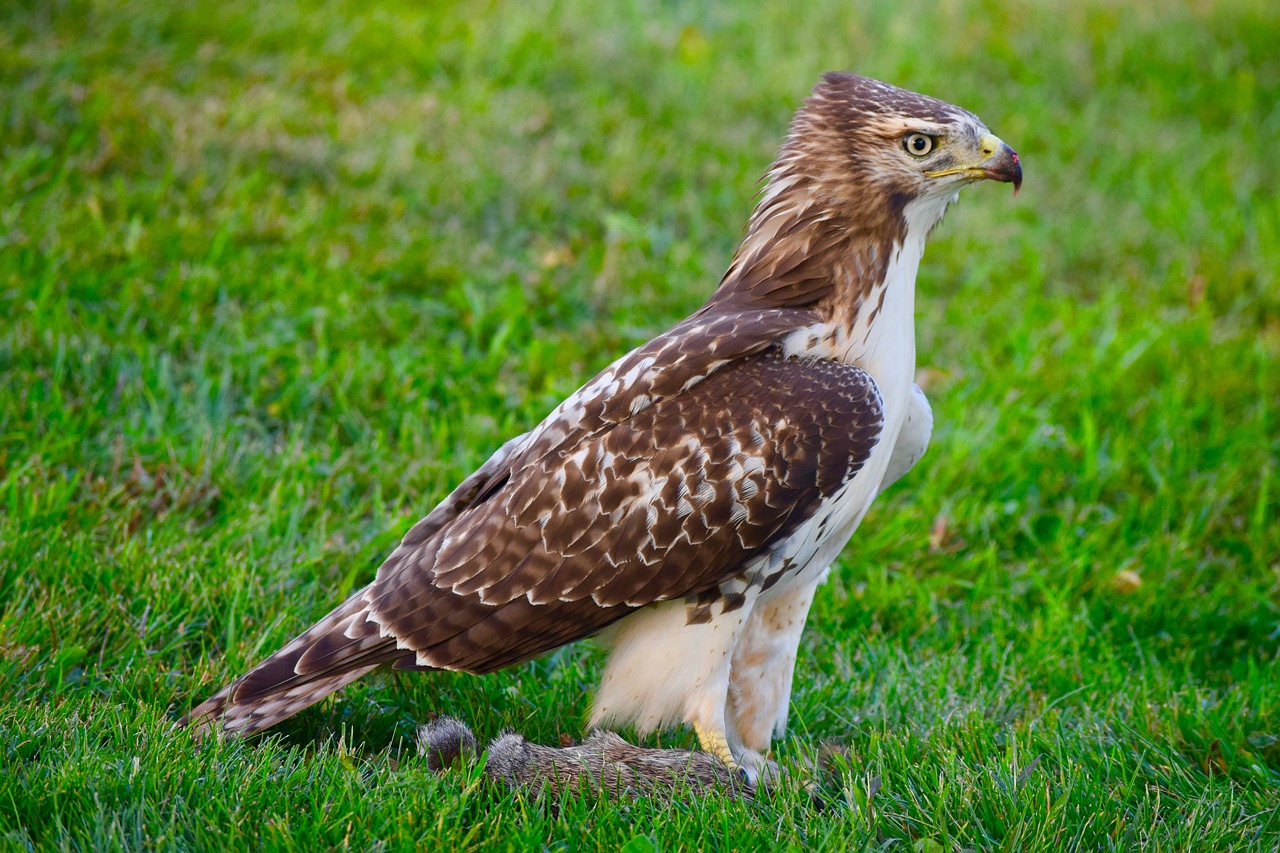
Lure training red-tailed hawks is a meticulous process requiring patience and a deep understanding of these magnificent birds. From the initial stages of conditioning to the advanced techniques involving specialized lures, the art of training red-tailed hawks is a delicate dance between tradition and innovation. But how does lure training fit into this, how is it done, and what types of lures are used in the sport? Join me as I explain all this below.
What is Lure Training?
Lure training involves using a baited object to teach red-tailed hawks to follow and return to the falconer. Falconry techniques play a crucial role in this training method, as they rely on the bird’s natural hunting instincts. Understanding bird behavior is essential when implementing prey simulation during lure training. The hawk learns to associate the lure with a successful hunt by mimicking real hunting scenarios, reinforcing the desired behavior.
Consistency in training is key to effectively lure train a red-tailed hawk. By regularly practicing with the baited object, the bird learns to respond predictably to the falconer’s cues. This consistency helps build trust between the bird and the trainer, creating a strong bond essential for successful falconry. Understanding the bird’s innate hunting instincts and behaviors is fundamental to tailoring the training to the individual hawk’s needs. Falconers can develop a skilled and reliable hunting companion by incorporating these elements into lure training.

Step-by-Step Guide to Lure Train a Red-Tailed Hawk
Step 1: Initial Conditioning
The first step in lure training a red-tailed hawk is to acclimate the bird to its new environment. This involves spending time near the hawk, allowing it to get used to human presence. Start by placing the hawk in a large enough enclosure with ample perches and ensuring it is comfortable. You also need to establish a feeding routine to build trust. Slowly introduce the bird to the lure, such as a leather pouch or dummy bait, by placing it in the bird’s enclosure during feeding time.
Step 2: Introducing the Lure
Once the bird is comfortable in its surroundings, introduce the lure more directly. Begin by holding the lure and letting the bird examine it without any direct interaction. Place small pieces of meat on it to make sure it associates the lure with food. This helps create a positive connection between the lure and feeding.
Step 3: Establishing Response to the Lure
With the bird accustomed to the lure, the next step is to encourage a response. Start by attaching a piece of meat to the lure and gently swinging it in front of the hawk. If the bird moves towards it or shows interest, reward it immediately with the meat. Repeat this process several times, gradually increasing the movement of the lure to encourage the hawk to follow it.
Step 4: Distance Training
As the raptor becomes more responsive to the lure, start increasing the distance between the hawk and the lure. Begin by gently placing the hawk on a perch and moving back a few feet, swinging the lure. Encourage the bird to fly towards the lure by rewarding each successful attempt with a treat. Gradually increase the distance as the hawk becomes more confident and reliable in its responses.
Step 5: Integrating Prey Simulation
To simulate hunting scenarios:
- Begin using the lure in open spaces where the hawk can practice short flights.
- Attach feathers or small pelts to the lure to mimic the appearance of prey.
- Swing the lure in a manner that replicates the erratic movements of live prey, encouraging the hawk to pursue and capture it.
This step helps refine the bird’s hunting skills and improves its agility and reaction times.
Step 6: Consistent Practice
Consistency is crucial in lure training. Regularly practice with the bird, gradually increasing the complexity of the training sessions. Vary the environments and scenarios to prepare the hawk for real-world hunting situations. Always reward successful attempts and maintain a positive and patient approach.
Step 7: Advanced Techniques
Once the bird reliably responds to the lure, you can introduce more advanced techniques. These may include incorporating multiple types of lures, varying the speed and direction of the swings, and challenging the bird with longer distances and more complex maneuvers.
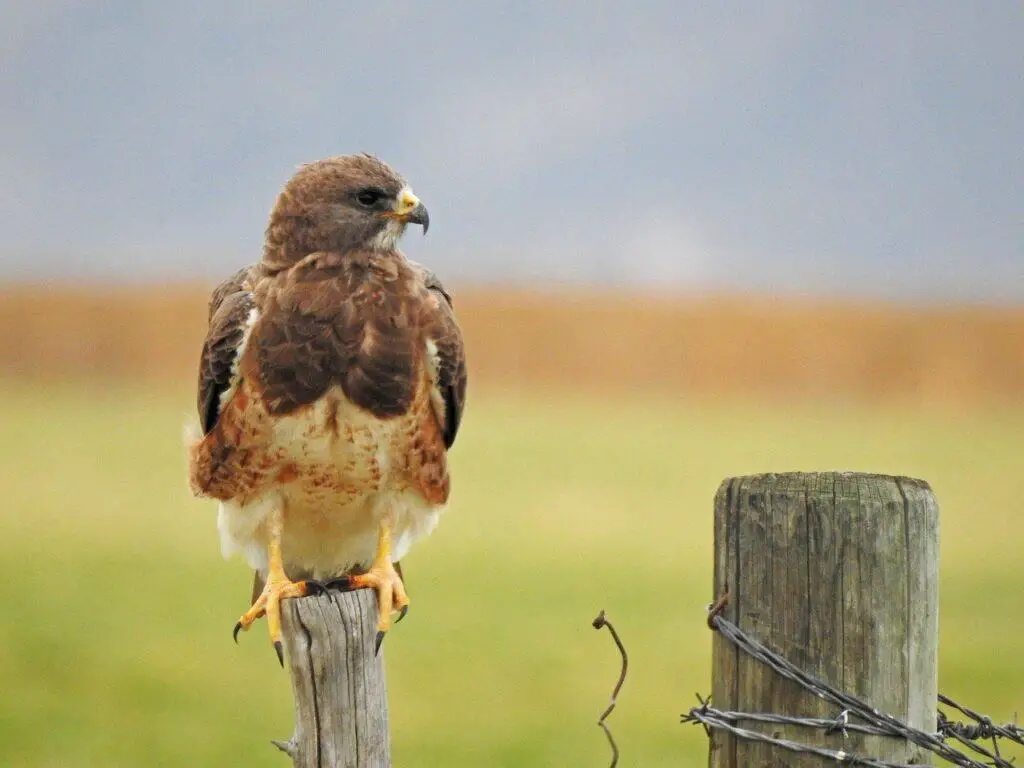
Kite lure training with red-tailed hawk.
Initiating kite lure training with a red-tailed hawk involves strategically incorporating a fluttering kite to simulate prey behavior and engage the hawk’s hunting instincts. Kite flying plays a crucial role in this training method, where the hawk learns to associate the movement of the kite with potential prey. Understanding wind dynamics is essential as it affects the behavior of both the kite and the hawk during training sessions. Observing bird behavior is key in adapting the kite’s movements to mimic natural prey, stimulating the red-tailed hawk’s predatory instincts.
As a feathered predator, the red-tailed hawk showcases remarkable aerial acrobatics when pursuing prey. Falconry techniques are utilized to guide the bird’s training, ensuring a harmonious interaction between the kite and the hawk. Through prey mimicry, the kite becomes a tool for honing the hawk’s hunting instincts, encouraging it to exhibit its natural predatory behaviors. Kite lure training provides a dynamic and engaging environment for the red-tailed hawk to develop its hunting skills effectively.
Can you train a red-tailed hawk with balloon lures?
Utilizing balloon lures in training a red-tailed hawk introduces a novel approach to stimulating its hunting instincts through visual cues resembling airborne prey. Balloons can be effective in capturing the hawk’s attention due to their movement and resemblance to potential prey. However, training challenges may arise as the hawk needs to learn to associate the balloons with successful hunting experiences. Behavior modification techniques such as positive reinforcement can be employed to help the hawk understand that interacting with the balloon leads to a reward.
Observing the hawk’s response to the balloon lures is crucial in gauging their effectiveness. Some hawks may show immediate interest and engage with the balloons actively, while others might require more time and patience to get accustomed to this new form of training. Conducting a feasibility assessment before starting balloon lure training can help determine if this method aligns with the individual hawk’s learning style and preferences.
Different types of lures used to train red-tailed hawks
Various types of lures are used in training red-tailed hawks, each with unique benefits and purposes. Some common examples include:
- Leather Pouch Lure: A leather pouch filled with small pieces of meat is a traditional lure used in basic training to build the hawk’s trust and association with food.
- Dummy Bait Lure: Similar to the leather pouch lure, this method uses realistic-looking dummy prey to stimulate the hawk’s hunting instincts.
- Kite Lure: As discussed earlier, kites are used to mimic prey movement and encourage the hawk to exhibit its natural hunting behaviors.
- Balloon Lure: Balloons can also be utilized in training to represent flying prey and capture the hawk’s attention and interest.
- Wing-Assisted Lure: This lure involves attaching feathers or wings to the lure, creating a more natural-looking prey for the hawk to pursue.
- Drone Lure: With advancements in technology, drones can now be used as lures, providing an interactive and realistic hunting experience for hawks.
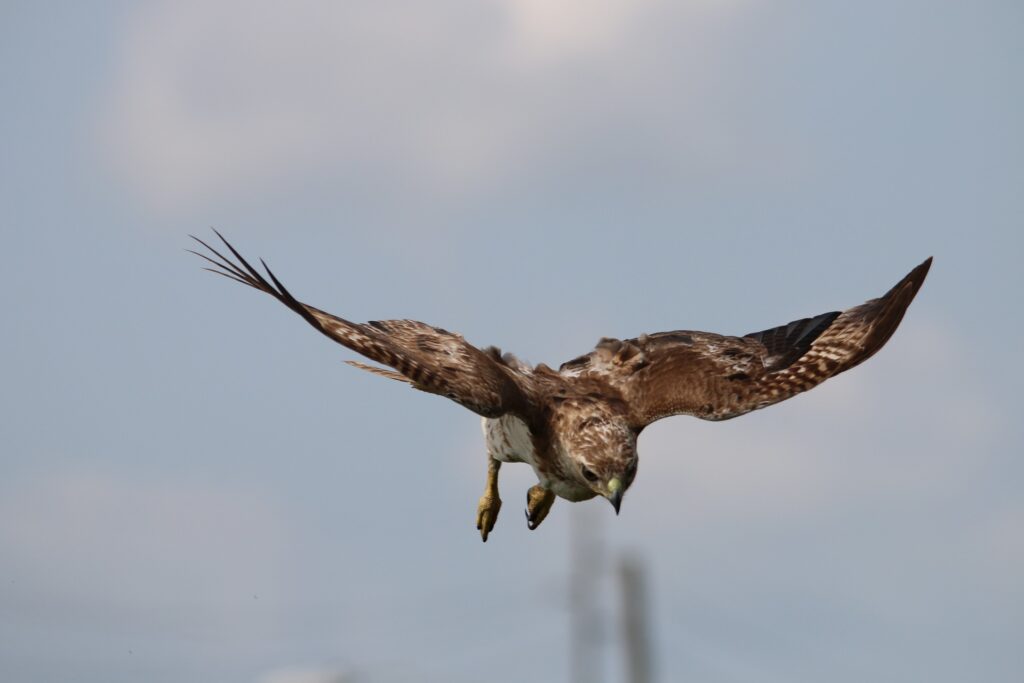
In conclusion, lure training red-tailed hawks is a crucial aspect of falconry that enhances their hunting skills and strengthens the bond between the bird and the trainer. By incorporating kite lure training and balloon lures, falconers can teach these birds to respond to baited objects and simulate real hunting scenarios. This form of training builds the hawk’s physical abilities and fosters a relationship based on trust and successful hunts.