
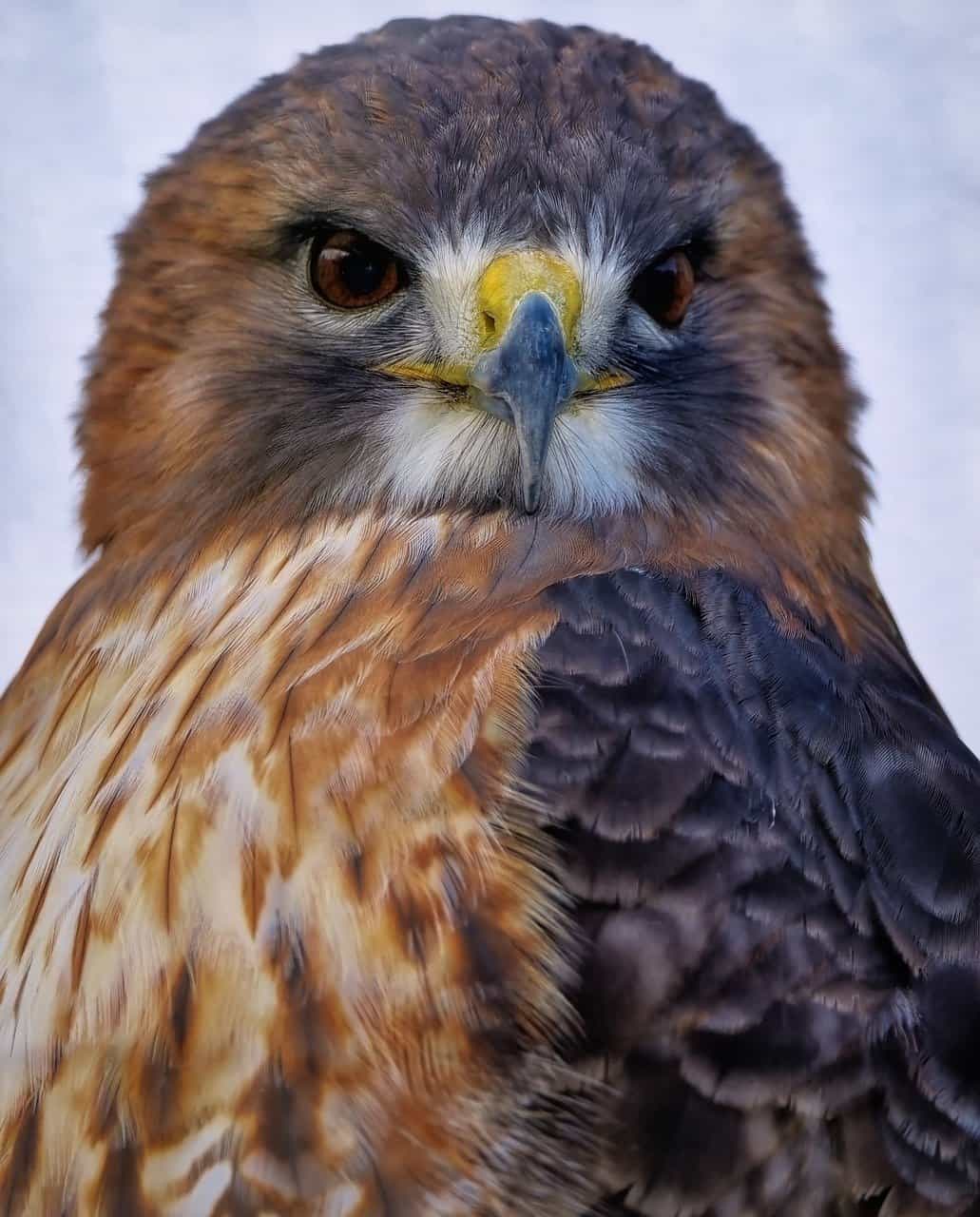
Each time I breed my red-tailed hawks, I get excited about the nesting period because this is when I get to see the full extent of their natural instincts and behaviors. Red-tailed hawks are known for their impressive nesting skills; it is an incredible experience to witness firsthand. So, based on what I witnessed during my time as a falconer, I will explain the nesting process below to help you understand it better. So you can increase your success rates.
Nesting Habits and Preferences in falconry:
In falconry, the nesting habits and preferences of red-tailed hawks play a crucial role. Falconers must understand these behaviors to successfully breed and train their birds.
Similar to wild red-tailed hawks, captive birds also prefer elevated spots for their nests. Falconers can provide these by providing perches or platforms within the aviary. Sturdy materials, such as twigs and branches, are also needed for nest construction.
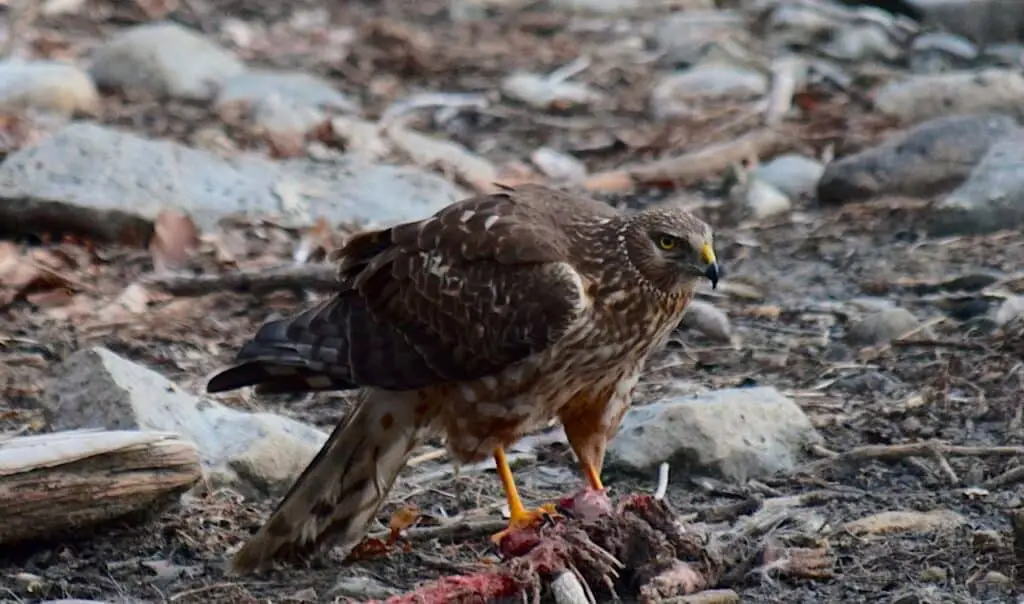
Depending on the individual bird’s personality and training, some may allow their handlers to observe the nesting process up close, while others may become protective and territorial. This is why falconers must establish trust and a strong bond with their birds before attempting breeding or nesting activities.
The Importance of Courtship and Mating:
In the wild, red-tailed hawks start their nesting process with courtship displays in early spring. In falconry, falconers also need to closely monitor this phase as it is a crucial step towards successful breeding. Birds showing signs of compatibility and interest through courtship displays are more likely to produce offspring.
Once the pair has bonded, they will begin constructing their nest together. Falconers can simulate this process by providing nesting materials to their birds and encouraging them to build a nest.
Parenting Roles and Responsibilities:
Similar to wild red-tailed hawks, captive birds have specific roles and responsibilities regarding parenthood. The female primarily handles egg incubation, while the male guards the nest and provides food. Falconers must ensure proper nutrition for both birds during this time to support their breeding efforts.
Once the eggs hatch, the pair will share hunting and feeding responsibilities for their young. Again, falconers must provide a balanced diet for all birds involved to ensure healthy growth and development.
Nest Construction and Materials
Red-tailed hawks meticulously construct their nests using a variety of natural materials such as twigs, branches, and soft vegetation, showcasing their adeptness in nest-building craftsmanship. The twig selection is a crucial step, with hawks meticulously choosing sturdy twigs to form the base of the nest. These twigs are intertwined with precision to create a stable structure. Branches are then strategically placed to provide support and enhance the nest’s durability.
Once the basic structure is in place, the hawks meticulously line the interior with feathers for insulation and comfort. This feather lining not only provides warmth but also softens the eggs. The construction process is meticulous, with each aspect serving a specific purpose to ensure the nest’s functionality.
Throughout the nesting period, the hawks engage in nest maintenance, reinforcing weak spots and adding additional materials as needed. This continuous upkeep highlights the Hawks’ dedication to creating a safe and secure environment for their offspring.
Incubation Period and Egg Care:
The incubation period for red-tailed hawks is typically 28-35 days. During this time, the female will remain on the nest almost constantly, leaving only briefly to stretch her wings or relieve herself. The male will take over guarding duties during these short breaks.

Both parents play a pivotal role in caring for the eggs, ensuring they are kept at a constant temperature and protected from potential threats. In falconry, falconers must also monitor the nest and provide necessary support to ensure successful hatching.
Once the eggs hatch, falconers need to carefully handle and care for the young hawks to ensure they receive proper nutrition and socialization. This process requires knowledge and skill to raise healthy and well-adjusted birds.
Fledging and Young Hawk Development:
After about 42-46 days, the young hawks are ready to leave the nest and begin flight training. The parents play a vital role in this stage, teaching their offspring crucial hunting and survival skills. Falconers also need to closely monitor this process, providing support and guidance as needed.
Once the young hawks have fled, they continue to rely on their parents for several weeks before becoming fully independent. This period allows falconers to bond with their birds further and continue training them for future falconry activities.
Watching my nesting red-tailed hawks has been a fascinating and rewarding experience. From the meticulous construction of their nest to the attentive parenting duties, I have been able to witness the entire process up close. As the young hawks fledge and begin to develop their hunting skills, I am grateful for the opportunity to observe these magnificent raptors up close.