
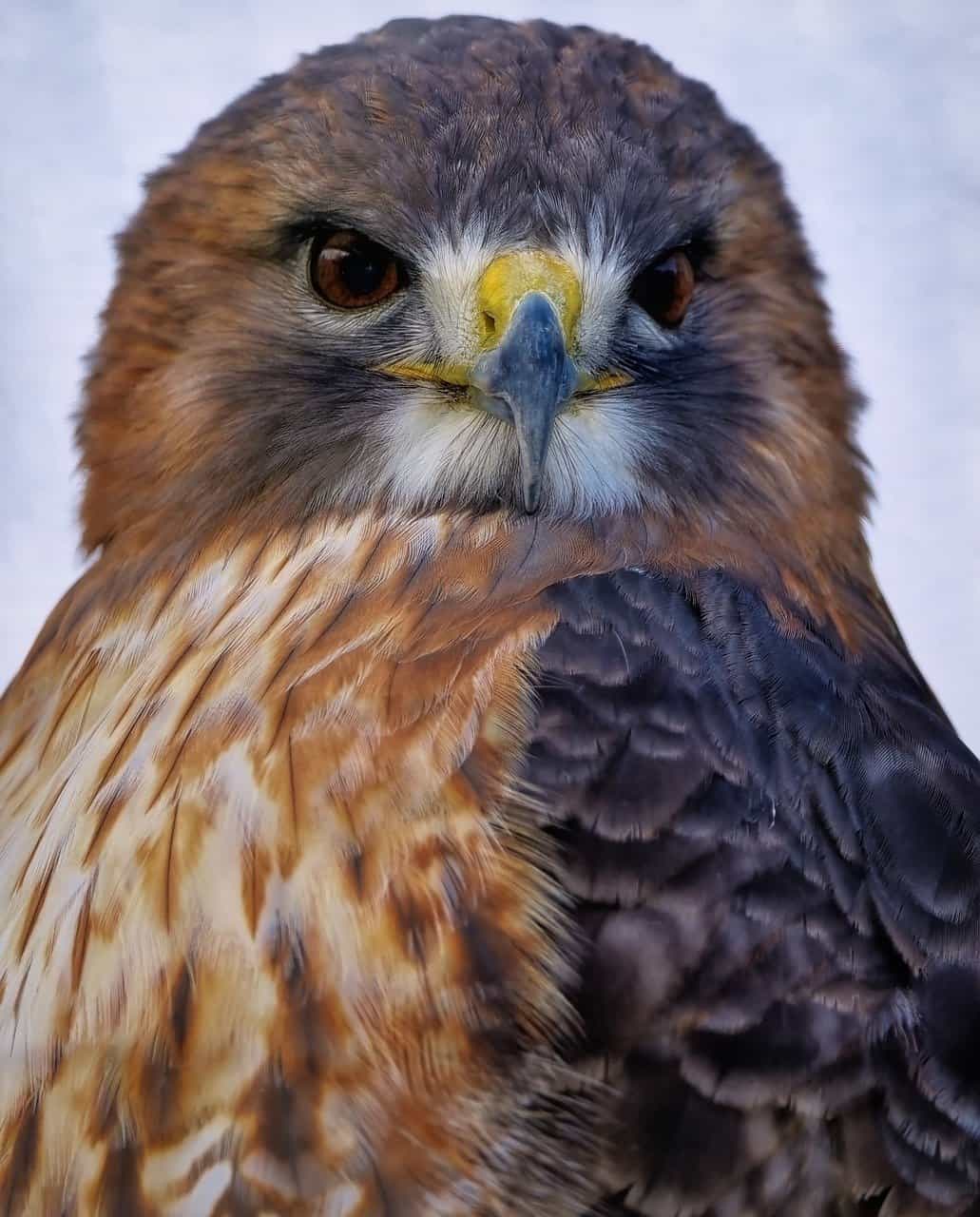
When breeding red-tailed hawks, a protein-packed diet abundant in essential vitamins and minerals is key for their health and reproductive success. Proteins are vital for egg production and muscle strength, with meat sources like mice, rats, and chicks being primary. Essential vitamins such as A, D, E, and K support skin, feathers, and immune system. These are just the basics. There is a whole world of things to consider regarding their diet, like portion controls and routine as well as how to serve, etc., so I will help you with this by providing a layout of how to go about feeding red-tailed hawks.
Ideal Foods for Breeding Red-Tailed Hawks
- Mice and Rats: These are excellent sources of protein and should form the bulk of the diet.
- Day-old Chicks: Another crucial protein source that also provides variety.
- Rabbits: Offer occasionally for variety and additional protein; ensure they are of appropriate size.
- Quail: Provides essential nutrients and adds diversity to their diet.
- Fish: Can be included occasionally for variety, but ensure it is fresh and clean.
- Supplements: Vitamins and minerals tailored to birds of prey should be added to ensure a balanced diet, particularly vitamins A, D, and E, as well as minerals like calcium.
- Insects: Occasionally, adding insects such as crickets or mealworms can provide additional nutrients and enrichment.
It’s important to consult with a veterinarian or an avian nutritionist to tailor the diet specifically for your breeding pair, ensuring their nutritional needs are fully met for optimal health and successful breeding.
Protein Requirements for Red-Tailed Hawks
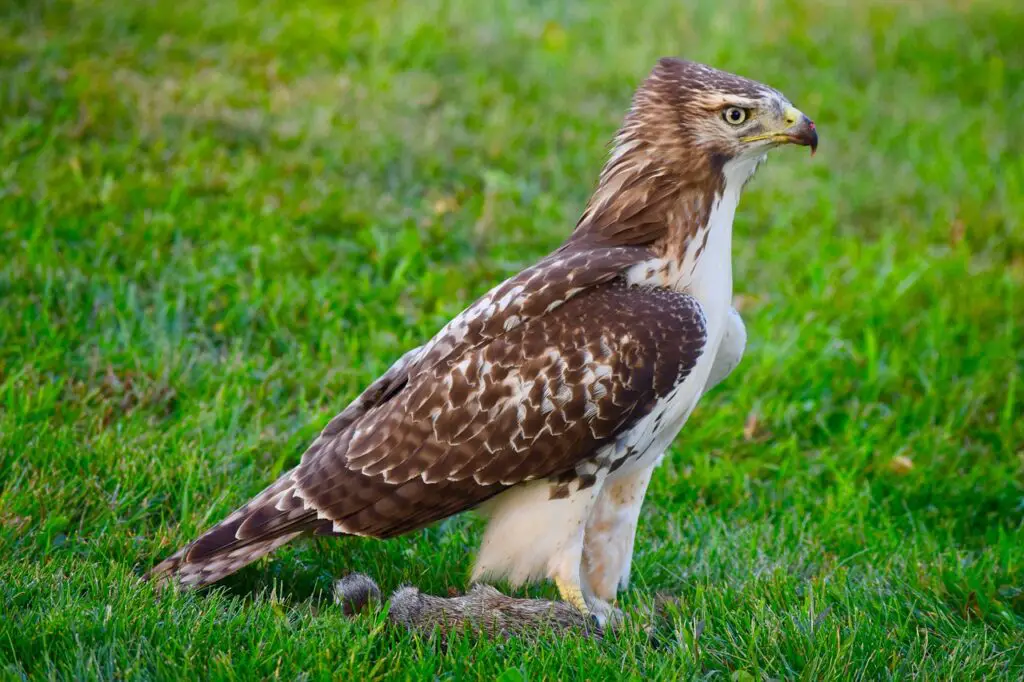
Protein is the building block of muscle, essential for feather quality, and plays a vital role in egg production. During the breeding season, Red-Tailed Hawks require a diet rich in protein to support the demanding needs of courtship, nest-building, and raising young chicks.
Meat sources are the primary protein source for Red-Tailed Hawks in the wild. As a falconer, I know the importance of providing a varied diet that consists of whole prey items like mice, rats, and chicks. These meat sources deliver essential proteins and offer a natural balance of nutrients crucial for the bird’s overall health.
Sometimes, dietary supplements may be necessary to ensure the hawk receives adequate protein. However, consulting with a veterinarian or avian nutritionist is essential to maintain the correct nutritional balance. By carefully selecting protein sources and monitoring the hawk’s diet, breeders can enhance the chances of successful breeding and healthy offspring.
Essential Vitamins for Breeding Hawks
In breeding hawks for optimal health and successful reproduction, ensuring they receive essential vitamins is paramount to their well-being and breeding success. Vitamin supplements play a crucial role in maintaining the nutritional balance necessary for avian health and optimal reproductive performance. Vitamins such as A, D, E, and K are essential for the overall well-being of breeding hawks.
Vitamin A is vital for the development and maintenance of healthy skin, feathers, and eyesight in hawks. Vitamin D aids in calcium absorption, which is crucial for strong bones and eggshell formation during the breeding season. Vitamin E is an antioxidant that helps protect cells from damage, supporting the immune system and overall health. Vitamin K plays a key role in blood clotting and is essential for preventing excessive bleeding during egg-laying.
Ensuring breeding hawks receive a well-rounded diet rich in these essential vitamins through natural food sources, or supplements is fundamental to their breeding success and the health of both parents and offspring.
Mineral Needs During Breeding Season
Ensuring breeding hawks receive adequate minerals is crucial for their reproductive success and overall health during the breeding season. Calcium intake plays a vital role in the eggshell formation, skeletal development, and muscle function. It is essential to provide sources of calcium such as crushed eggshells or commercially available supplements to meet the increased demands during breeding. Monitoring phosphorus levels is equally important, as an imbalance between calcium and phosphorus leads to health issues like egg-binding in female hawks.
Trace minerals like zinc, copper, and manganese are also essential for various physiological processes and should be included in the diet. Iron supplements may be necessary to prevent anemia and support optimal health in cases of known deficiencies. Regularly assessing mineral levels and adjusting the diet can help prevent deficiencies that could impact breeding success and the overall well-being of red-tailed hawks.

Hydration and Water Sources
Staying adequately hydrated is critical to ensuring the health and well-being of breeding red-tailed hawks. Water availability is crucial for these birds to thrive during the breeding season. As a passionate falconer, I understand the importance of providing proper hydration to my red-tailed hawks. Here are some hydration tips and water sources that can help maintain their fluid intake and prevent dehydration:
| Hydration Tips | Water Sources |
| 1. Monitor water levels in the enclosure | Clean, fresh water should be available at all times. |
| 2. Offer water-rich foods like fruits. | Natural sources such as ponds or streams can be beneficial. |
| 3. Provide water in shallow dishes for easy access. | Regularly clean and refill water containers to ensure freshness. |
| 4. Check for signs of dehydration, like lethargy or sunken eyes. | Consider using misting systems on hot days to aid in cooling and hydration |
Feeding Schedule and Portions
Monitoring the feeding schedule and portion sizes is crucial for ensuring breeding red-tailed hawks’ optimal health and development. Daily meals should consist of a well-balanced diet that meets the nutritional needs of these majestic birds. Feeding frequency holds a significant role in maintaining their energy levels and overall well-being. It is essential to provide a consistent feeding routine to prevent overeating or undernourishment.
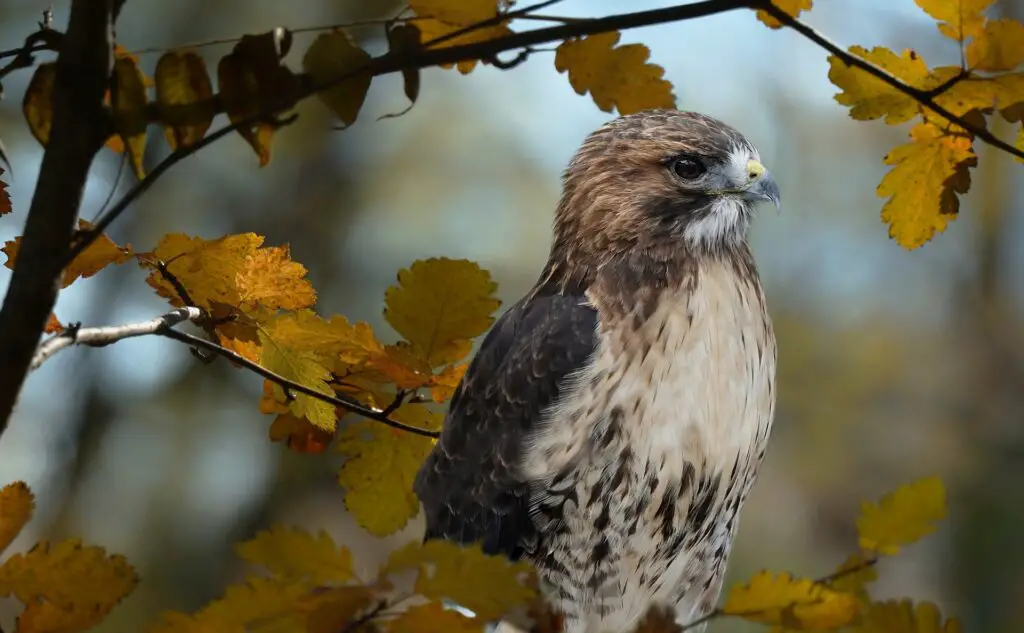
Nutrient balance is key to supporting breeding; the birds’ diet should contain a mix of proteins, fats, vitamins, and minerals to sustain their health during this critical period. Portion control is vital to prevent obesity or malnutrition. Adjusting the portion sizes based on the birds’ activity level and weight is essential for their optimal growth and development.
In some cases, dietary supplements may be necessary to address specific nutritional deficiencies. However, consulting with a veterinarian or avian nutritionist is crucial before incorporating any supplements into their diet. By carefully managing the feeding schedule, portion sizes, and nutrient balance, falconers can ensure that their red-tailed hawks thrive and remain healthy throughout the breeding season.
Providing a balanced diet rich in protein, essential vitamins, and minerals is crucial for breeding red-tailed hawks. Ensuring they have access to clean water and following a consistent feeding schedule will help maintain their health and reproductive success. By meeting their nutritional needs, we can support these raptors in producing healthy offspring and thriving in falconry. Remember, a well-fed hawk is a happy and successful hawk!