

Acquiring a red-tailed hawk can range from $300 to $1,500, but this is just the start of the financial commitment involved. Initial costs cover purchasing from reputable sources, equipment, and training methods. Additional expenses for housing include nest materials, perches, and cleaning supplies. The price of these birds can vary based on age, training level, and health. Let’s go deeper into the price and what can reduce or increase the price.
Initial Cost of Red-Tailed Hawk
The initial cost of a red-tailed hawk can vary depending on where you purchase it. A reputable breeder or falconry club will offer hawks that have been bred and trained specifically for falconry purposes, making them more expensive while ensuring their health and suitability for training.
On the other hand, purchasing a wild-caught red-tailed hawk may be cheaper but comes with risks and challenges. These birds may not be as well-suited for training or have underlying health issues that could lead to additional expenses.
In addition to the cost of the bird itself, you will also need to invest in equipment such as jesses (leather straps used for handling), a hood (used for temporary darkness during training), a leash, and a bell. These items range from $50 to $200, depending on their quality and where you purchase them.
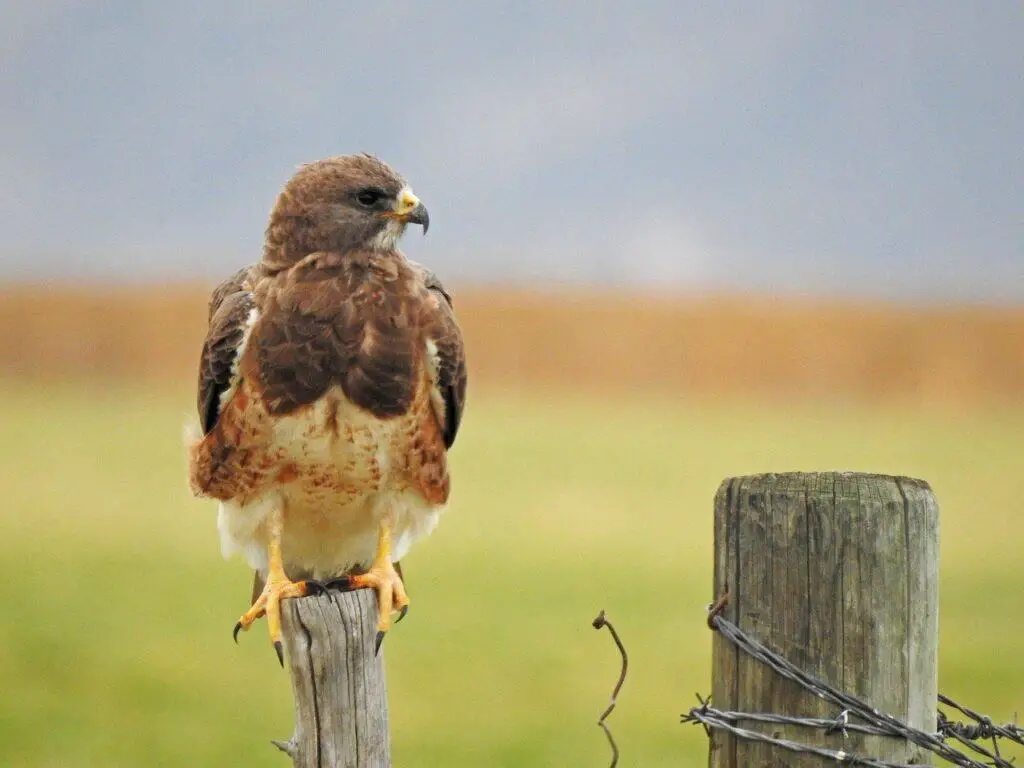
Training Expenses
Training a red-tailed hawk can also be expensive, as it requires time, effort, and resources. Depending on your level of experience, you may need to invest in training courses or books to learn the proper techniques for handling and training your hawk.
Additionally, you may need to purchase live prey for the hawk to practice hunting with. This can add up over time, as hawks require consistent training in order to maintain their hunting skills.
Housing Costs
Setting up a proper aviary or mew (a cage or enclosure for birds of prey) for a red-tailed hawk is crucial not only for the bird’s health and comfort but also for complying with laws and regulations surrounding falconry. The cost of establishing a secure and suitable aviary can significantly vary based on size, materials, and location, typically ranging from $500 to $2,000.
A basic setup involves constructing or purchasing an enclosure that protects the hawk from the elements and predators while also allowing enough space for the bird to stretch its wings and manuever around freely. Essential features include a perch, a sheltered area, adequate drainage, and secure fencing or netting to prevent escapes. Depending on the complexity and size of the structure, costs will fluctuate.
Additional expenses may include:
- Weatherproofing and insulation are needed in climates with extreme temperatures to ensure the hawk’s environment is kept within a safe and comfortable range.
- Security measures, like locks and alarms, to protect the hawk from theft or predation.
- Maintenance supplies for cleaning and upkeep of the enclosure, including disinfectants and waste removal tools, could cost $50-$100 monthly.
- Enrichment items like toys or puzzle feeders to keep the hawk mentally stimulated and engaged, potentially costing $20-$100 depending on the items.
Feeding and Nutrition costs
Feeding a red-tailed hawk can also be a significant expense. As these birds are carnivores, they require a diet of raw meat, which can be costly to acquire. You may need to purchase food items such as mice, rats, and quail for your hawk’s daily meals.
In addition to the cost of food, you may also need to invest in vitamin and mineral supplements to ensure your hawk is getting all the necessary nutrients for optimal health.
Veterinary Care and Health Expenses
Proper veterinary care and health expenses management plays a crucial role in maintaining the well-being of a red-tailed hawk. Routine check-ups are essential for monitoring the overall health of the hawk, detecting any potential issues early on, and ensuring its longevity. These routine check-ups help prevent medical emergencies by addressing any health concerns promptly, thus reducing the risk of more serious problems arising.
Medication costs can vary depending on the hawk’s specific health needs. It is important to budget for these expenses to ensure that the hawk receives the necessary treatment when required. In cases where surgery is necessary, expenses can escalate quickly. Planning and preparing for such scenarios can help alleviate the financial burden of surgical procedures.
Preventative care is key to maintaining the hawk’s health and well-being. Regular vaccinations, parasite control, and proper nutrition are all vital components of preventative care that contribute to the hawk’s overall health and longevity.
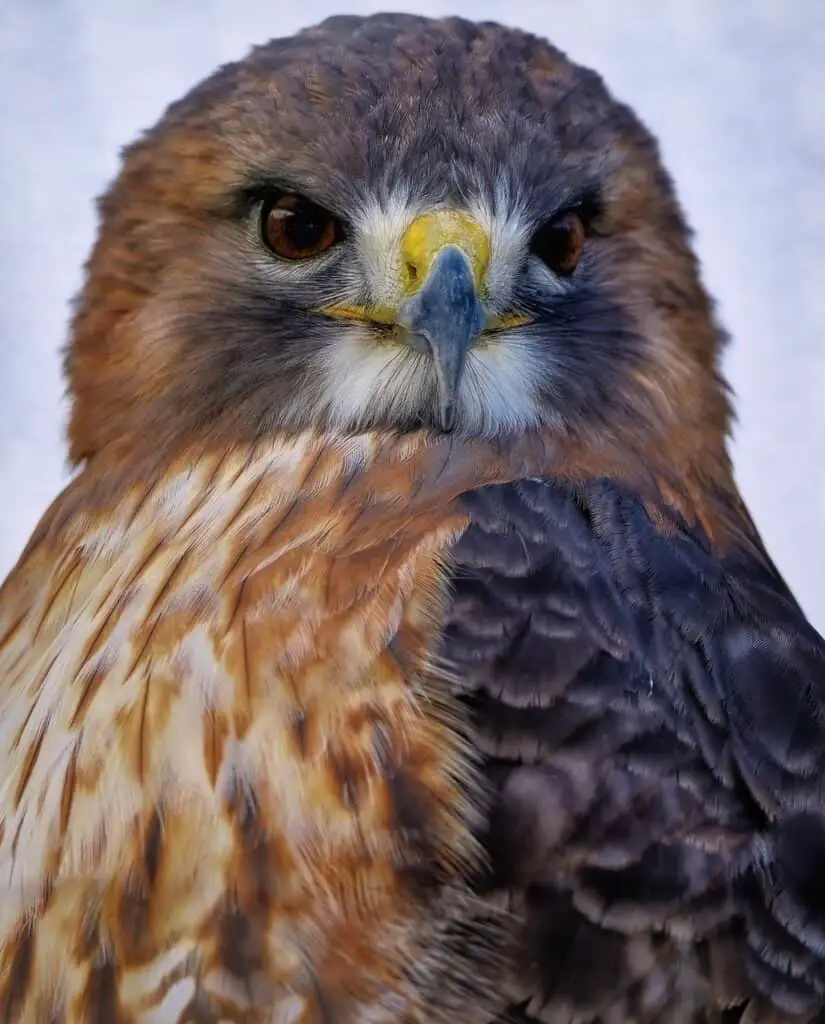
Are red-tailed Hawks costly?
Red-tailed hawks can prove to be a substantial financial obligation due to the costs associated with their training, equipment, and ongoing care needs. Breeding costs for red-tailed hawks can vary depending on the breeder and the bird’s lineage, but quality breeding can come with a significant price tag. Adoption fees for red-tailed hawks can also be high, especially if the bird has been trained for hunting or falconry purposes.
Maintenance expenses for red-tailed hawks include housing, food, veterinary care, and equipment such as jesses and perches. These costs can add up over the bird’s lifespan. Legal permits are another expense to consider when owning a red-tailed hawk, as permits are required in most states to keep these birds. Acquiring the necessary permits can involve application fees and other associated costs.
Rescued birds may be a more affordable option upfront, but they can still come with significant ongoing care expenses. Overall, the costs of owning a red-tailed hawk should be carefully considered before committing to bringing one into your life. While the experience of owning such a majestic bird can be rewarding, it is essential to be prepared for the financial obligation that comes with it.