

Red-tailed hawks generally live 10 to 15 years, but some in captivity have reached an impressive 30 years. Providing a balanced diet, a spacious environment, and regular vet check-ups are key to their longevity. Many factors can reduce these raptor’s lifespan, and I am to enlighten you on this matter so you, too, can increase the overall life of your bird.
How long do red-tailed hawks live
Captivity
As mentioned earlier, red-tailed hawks can live up to 30 years in falconry with proper care. This is significantly longer than their average lifespan in the wild. In captivity, they are protected from many threats, such as predators and environmental hazards. They also have access to consistent food, shelter, and medical care.
Wild
In the wild, red-tailed hawks have a much shorter lifespan due to various factors such as predation, environmental conditions, and human interference. The average lifespan of a wild red-tailed hawk is around 10 to 15 years. However, some may live up to 20 years if they can avoid these threats.
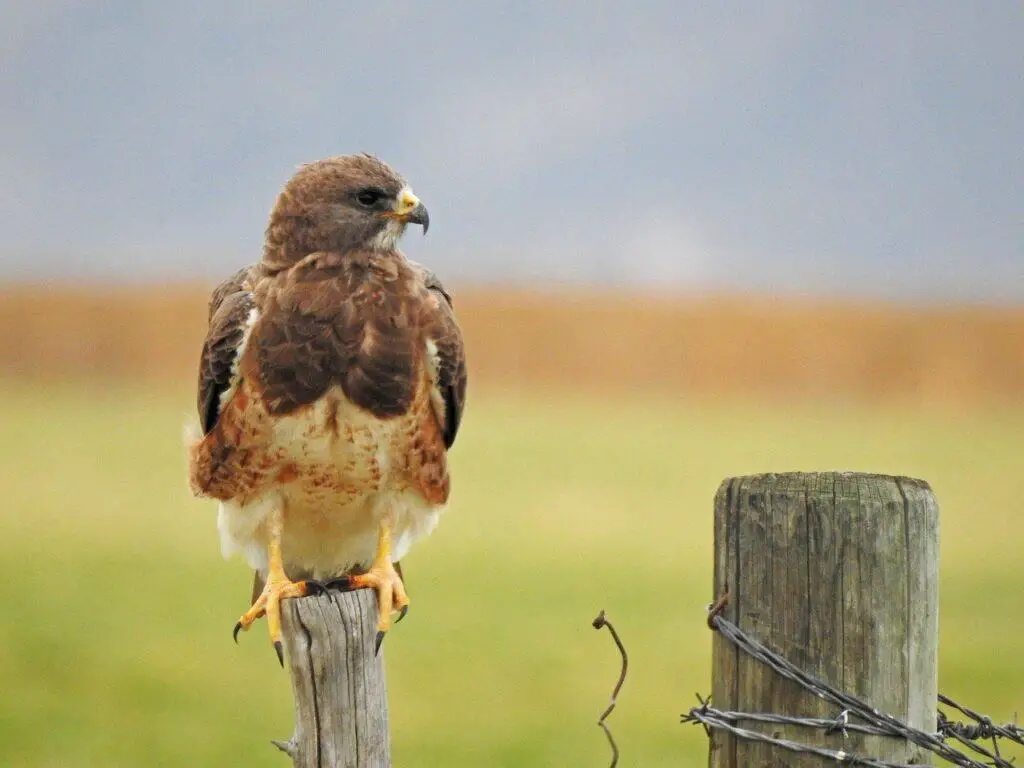
Factors that can reduce red-tailed hawks lifespan
Several factors can significantly reduce the lifespan of red-tailed hawks when kept in captivity. Poor diet and nutrition are key issues; a diet that lacks variety or does not mimic the hawk’s natural intake can lead to health problems and a shorter life. Inadequate housing conditions, such as too small cages or lack environmental enrichment, can cause stress and physical ailments. Lack of exercise is another critical factor; red-tailed hawks need ample space to fly and engage in natural behaviors. Exposure to toxins or unsafe materials within their environment can also pose serious health risks. Additionally, neglecting regular veterinary care can allow treatable conditions to become life-threatening. All these factors underscore the importance of knowledgeable, attentive care for captive red-tailed hawks to ensure their well-being and longevity.
How to prolong your redtail hawks lifespan
To extend your redtail hawk’s lifespan, providing proper nutrition and regular veterinary check-ups is crucial. Ensuring your redtail hawk’s diet requirements are met with a balance of high-quality proteins, fats, and essential vitamins will contribute significantly to its longevity. Environmental enrichment plays a vital role in keeping your hawk active and engaged, so incorporating perches, branches, and toys in its enclosure is essential. Regular health checks are necessary to catch any potential issues early on, ensuring your hawk remains healthy. Implementing exercise routines like flying sessions or hunting simulations will help maintain your hawk’s physical fitness. Mental stimulation through training sessions and interactive activities will keep your hawk’s mind sharp. Below is a table summarizing key aspects of prolonging your redtail hawk’s lifespan.
| Aspect | Description |
| Diet requirements | Balanced diet of proteins, fats, and vitamins |
| Environmental enrichment | Provide perches, branches, and toys |
| Health checks | Regular vet check-up |
| Exercise routines | Flying sessions, hunting simulations |
| Mental stimulation | Training sessions, interactive activities |
Things that could shorten their lifespan
Extending the lifespan of a redtail hawk involves providing optimal care, but certain factors can potentially shorten their lifespan if not addressed promptly. Predation risks pose a significant threat to these magnificent birds. Larger predators, such as eagles or owls, may target red-tailed hawks, leading to injuries or death. Climate factors, including extreme weather conditions like severe storms or prolonged periods of cold, can impact their ability to hunt and survive.
Human interference is another critical factor that could shorten a redtail hawk’s lifespan. Encounters with vehicles, power lines, or illegal hunting activities can result in fatal injuries. If left unchecked, disease outbreaks, such as avian flu or West Nile virus, can also decimate hawk populations. Additionally, habitat loss due to deforestation or urban development limits their food sources and nesting sites, further endangering their survival.
Addressing these threats through conservation efforts, habitat protection, and education on coexisting with red-tailed hawks is crucial to ensuring their longevity.
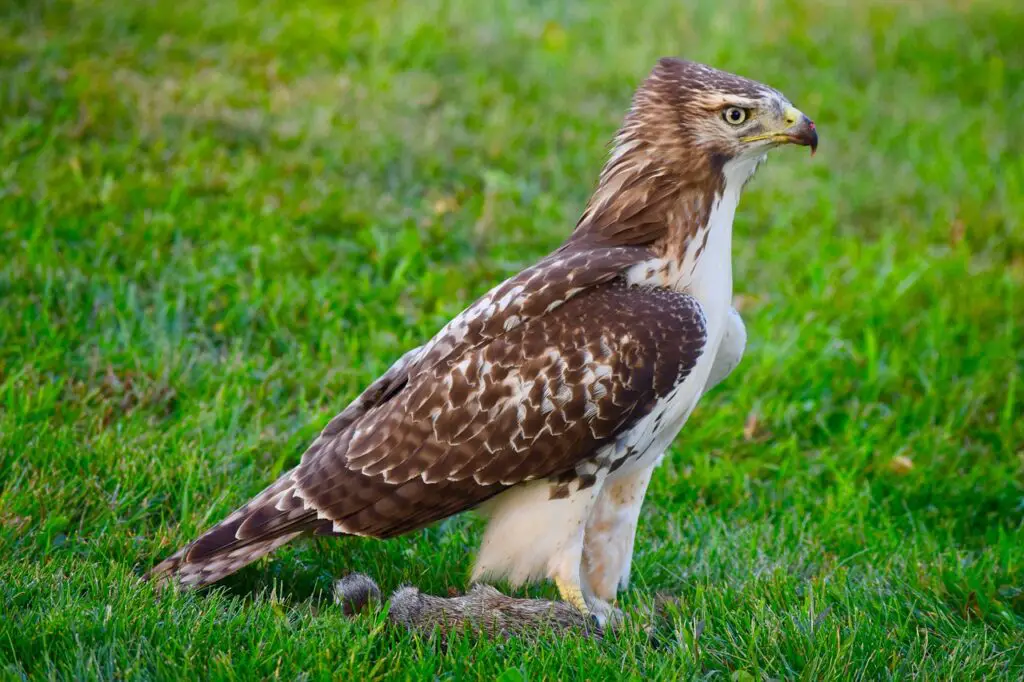
In conclusion, red-tailed hawks typically live for around 10-15 years in the wild, with some individuals reaching up to 20 years in captivity. Understanding their life cycle and taking proper care of them can help prolong their lifespan. Avoiding factors such as habitat loss, collisions with vehicles, and poisoning from pesticides can also contribute to their longevity. By being aware of these factors, we can help ensure that these majestic birds thrive in their natural habitats for years to come.