
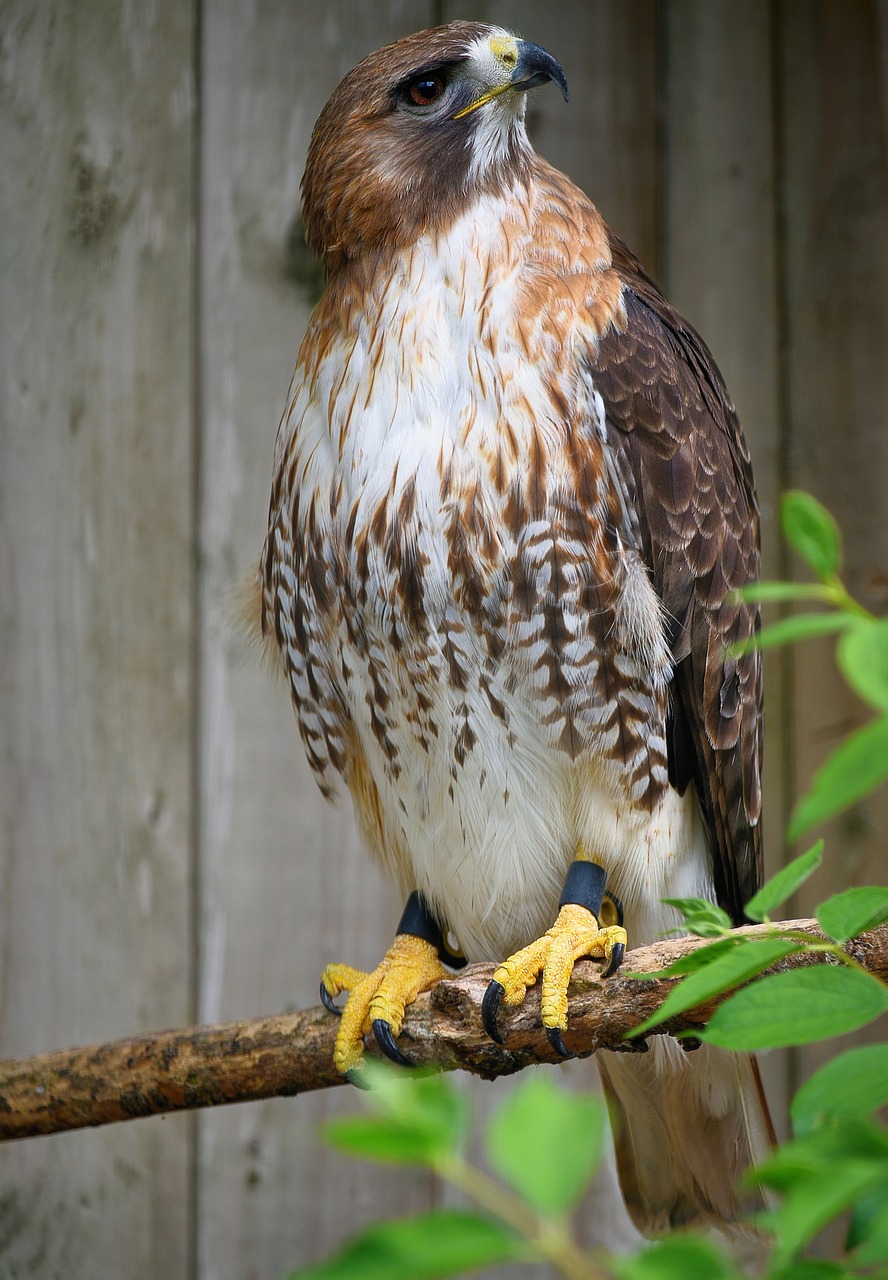
In falconry, red-tailed hawks are used to target a variety of prey, ranging from small game birds to larger mammals. In the wild, their diet also includes a wide range of prey, making them one of the most versatile predators in the animal world. Over the years, I have seen falconers hunt different prey. Let me elaborate further by listing the types of prey red tail hawks target.
Common Prey in Falconry
Rabbits and Hares
- Cottontail Rabbits: These small, agile creatures are often found in fields or at the edges of woodlands. They usually weigh around 2 to 4 pounds, and their brownish-gray fur provides excellent camouflage. Cottontails are known for their ability to make quick, sharp turns to evade predators, which is why they are a common target for red-tailed hawks in falconry.
- Jackrabbits: Larger than cottontails, jackrabbits inhabit more open landscapes like deserts and prairies. They weigh up to 8 pounds and are characterized by their long ears and powerful hind legs. Their speed, reaching up to 40 miles per hour, and agility make them a challenging hunt for predators and a thrilling quarry for falconers.
Rodents
- Mice: A staple in the diet of many birds of prey, mice are abundant and provide a good source of nutrition. They are commonly found in various habitats, including fields, forests, and even urban areas, making them an accessible food source.
- Voles: Similar to mice, voles are small rodents that can be found in grassy areas and meadows. Their high population numbers make them a frequent prey item. Voles are known for their burrowing habits, which sometimes make them challenging to catch, but their abundance compensates for this difficulty.
- Ground Squirrels: These are larger than mice and voles and offer a more substantial meal for a hawk. Ground squirrels are often found in open fields, pastures, and prairies. They live in colonies and create extensive burrow systems, a rich hunting ground for hawks looking for more fulfilling prey.
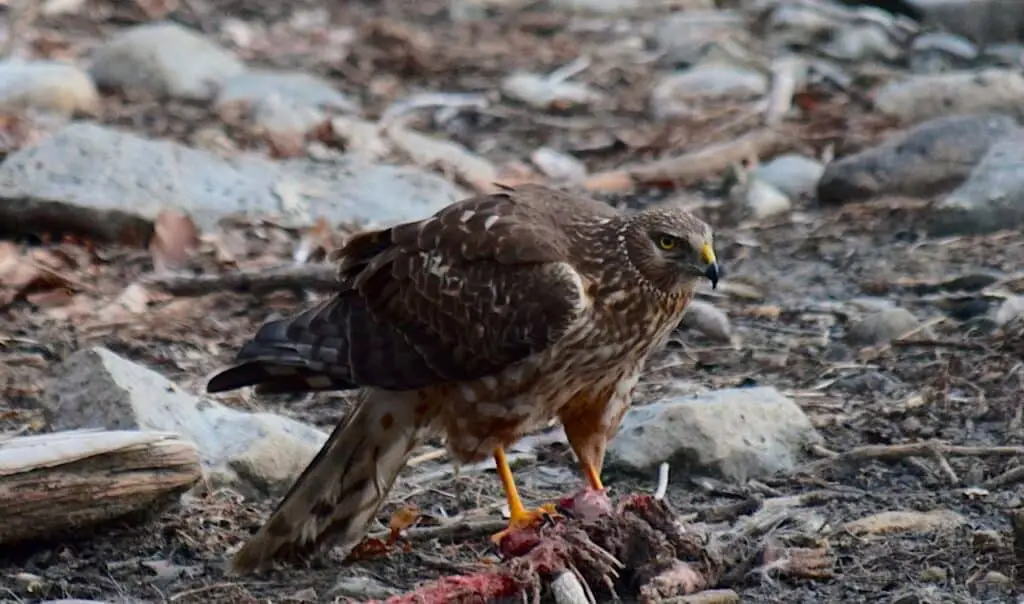
Birds
- Pigeons and Doves: Often found in both urban and rural areas, these birds are relatively easy to hunt and provide a nutritious meal. Their adaptability to different environments makes them a common sight, and their predictable behavior patterns contribute to their frequent selection as prey.
- Quails: Small and ground-dwelling, quails are a popular target in falconry due to their manageable size and habitat. These birds are known for their distinctive calls and rapid, low-flight patterns, making them an exciting challenge for falcons and handlers.
- Songbirds: While not always a primary target, smaller birds can still fall prey to red-tailed hawks, particularly in areas with high bird populations. These birds, including sparrows and finches, often become incidental prey due to their abundance and the hawk’s opportunistic hunting strategy.
Reptiles and Amphibians
- Snakes: Occasionally, red-tailed hawks will target small to medium-sized snakes, adding variety to their diet. These reptiles provide a good source of protein and are often caught in open fields or forest edges where they bask in the sun.
- Frogs and Toads: Found near water sources, these amphibians are sometimes preyed upon, although less frequently compared to mammals and birds. Frogs and toads are more abundant in wetland areas, ponds, and streams, making them more accessible to hawks during their breeding seasons.
Special Considerations in Falconry
- Habitat Selection: The availability of prey varies greatly with the habitat. Open fields, woodlands, and wetlands each offer different prey options.
- Seasonal Availability: The abundance of certain prey can be seasonal. For example, some rodents might be more plentiful in spring and summer.
- Hawk’s Preference: Individual hawks may prefer certain types of prey over others, influencing hunting strategies and training in falconry.
- Prey Availability in the Wild: Falconers need to be mindful of not over-hunting a particular species, as this can impact wild populations and their prey’s availability.
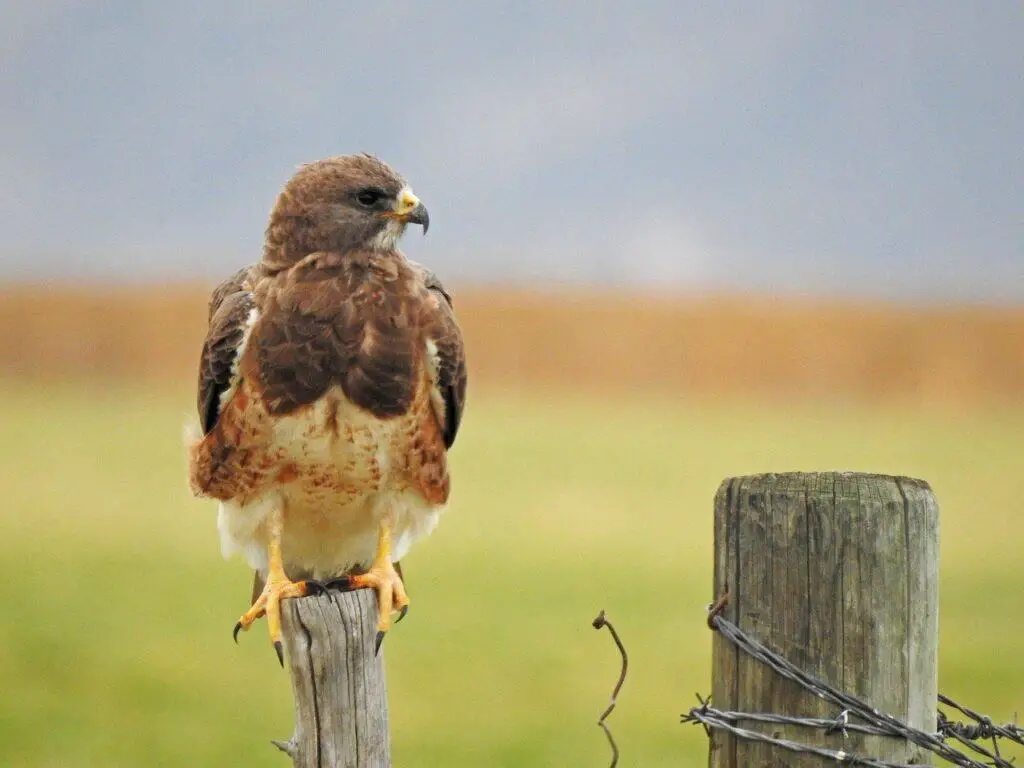
Red-tailed hawks are versatile predators that have adapted to hunting a variety of prey. In falconry, these birds are trained to hunt specific types of game depending on their individual preferences and the environment they will be flying in. Falconers must also consider conservation efforts and maintain ethical practices when hunting with their red-tailed hawk partners.