
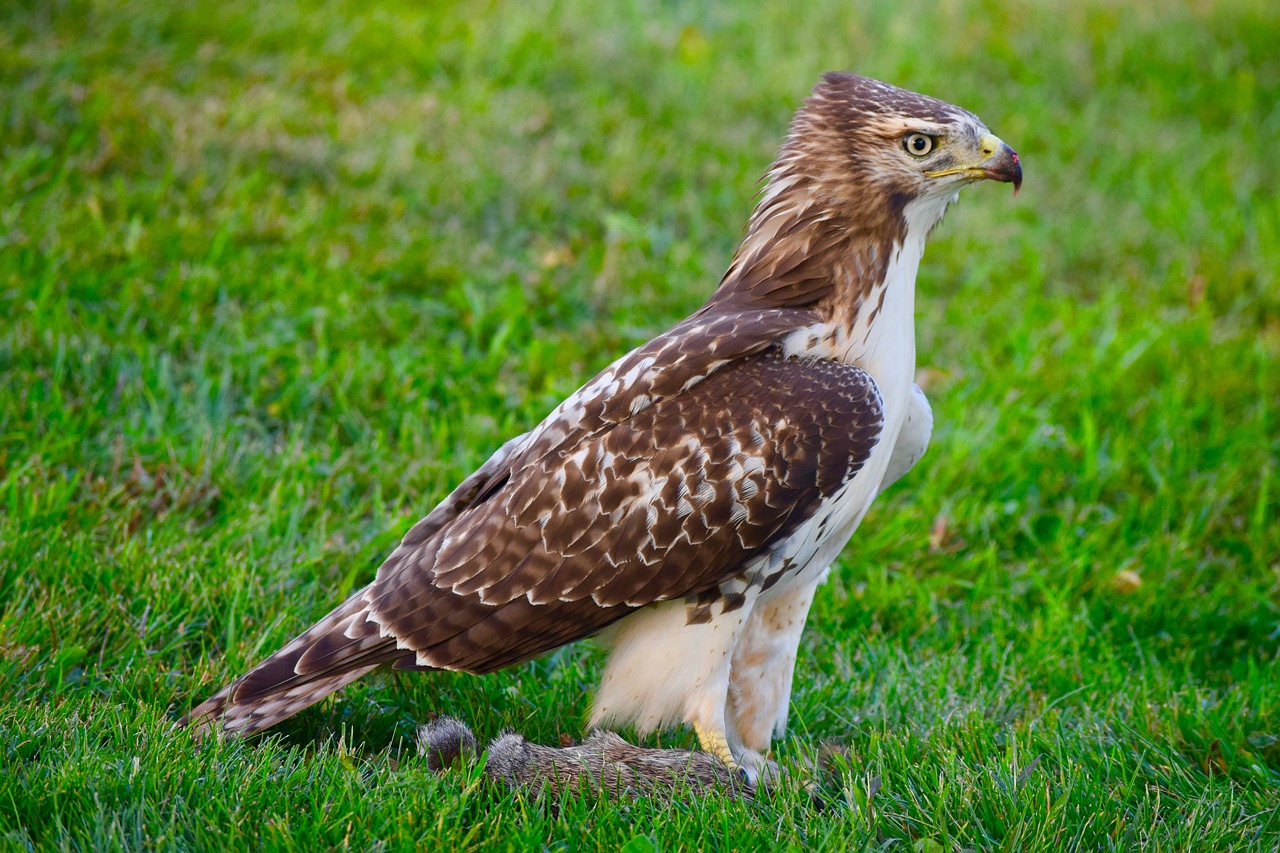
When it comes to red-tailed hawks, the size differences between males and females are quite distinctive. Male hawks are smaller, measuring around 19 inches in body length and a 43-inch wingspan. On the other hand, females are larger, with a body length of about 22 inches and a wingspan reaching 49 inches. These size variations help us understand their roles in nesting, hunting, and mating behaviors. If you’re curious about these differences, then have a read through the content below that will highlight their differences.
Red-tailed hawk male vs female
One noticeable difference is in their wingspan when comparing the size of male and female red-tailed hawks. Typically, female red-tailed hawks possess a larger wingspan than their male counterparts, aiding in their hunting and soaring capabilities. Understanding these variations in size between male and female red-tailed hawks provides insight into their physical adaptations and behaviors.
Red-tailed hawk size comparison
Male Red-tailed Hawk Wingspan and Size
The male red-tailed hawk, a magnificent bird of prey, showcases a more compact frame than its female counterpart, measuring an approximate body length of 19 inches (48 cm) with a wingspan that stretches around 43 inches (109 cm). This sleek physique contributes to its striking appearance and affords it remarkable agility. Such nimbleness allows for swift, intricate maneuvers through the dense foliage of forests during the hunt, a critical advantage in the wild.

Regarding weight, the male red-tailed hawk typically tips the scales at a lighter range compared to females, further enhancing its flight dynamics and hunting efficiency. This reduced body mass plays a crucial role in its survival strategy, especially in conditions where food is scarce, as it demands less sustenance to maintain its energy levels.
The distinct size and weight of the male red-tailed hawk not only influence its hunting techniques and survival mechanisms but also contribute to the bird’s overall majestic appearance. With keen eyes that complement its streamlined body, this raptor is an epitome of both beauty and agility in the avian world, embodying the intricate balance between form and function.
Female Red-tailed Hawk Wingspan and Size
The female red-tailed hawk, with her commanding presence, stands out in the avian realm, not only for her larger size compared to her male counterpart but also in terms of weight and overall appearance. Averaging a body length of 22 inches (56 cm) and a wingspan of up to 49 inches (124 cm), she embodies strength and mastery of the air. The weight of the female, notably heavier than the male, ranges significantly, underscoring her robust build, which is essential for a range of activities from hunting larger prey to enduring the physical demands of nesting.
This difference in size and weight between the genders has profound implications for their roles within their species. The female’s larger mass and wingspan equip her efficiently for capturing and subduing bigger and more aggressive prey, a critical ability, especially during the breeding season when she requires more nutrition for egg production.
The stark size disparity is also visible in their appearance, with the female’s pronounced features accentuating her intimidating presence to potential predators or rivals.
Difference between male and female red-tailed hawks
Male and female red-tailed hawks can be distinguished by differences in size, with females typically larger than males. When observing these raptors, there are several key factors to consider:
- Size differences: Females can be up to 25% larger than males.
- Feather colors: Both sexes have similar plumage, with reddish-brown tails that give them their name.
- Hunting behaviors: Due to their larger size, females tend to hunt larger prey, while males focus on smaller animals.
- Nesting habits: Females are responsible for most of the nest building and egg incubation, while males provide food for the family.
Understanding these distinctions can aid in identifying and appreciating the unique characteristics of male and female red-tailed hawks.
How big can red-tailed hawks get
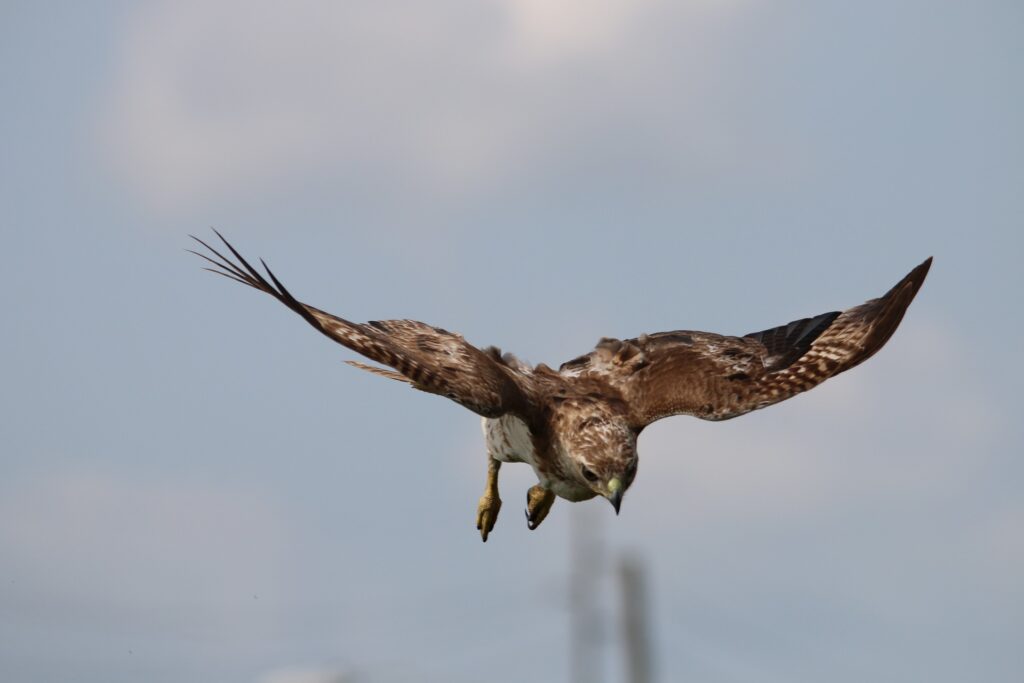
Red-tailed hawks can reach impressive sizes, with wingspans ranging from 4 to 5.5 feet and weighing between 2 to 4 pounds. Size variations among red-tailed hawks can be attributed to factors such as age and sex. Juvenile hawks are usually smaller than adults, and females tend to be larger than males. Growth patterns also play a significant role in determining the size of red-tailed hawks. Young hawks experience rapid growth during their first year, reaching adult size by the end of this period.
In conclusion, the red-tailed hawk is a majestic bird of prey with impressive size and wingspan. Males are typically smaller than females, with the latter reaching up to 26 inches in length and weighing around 3 pounds. These hawks are known for their sharp talons and keen hunting skills, making them formidable predators in the wild.