
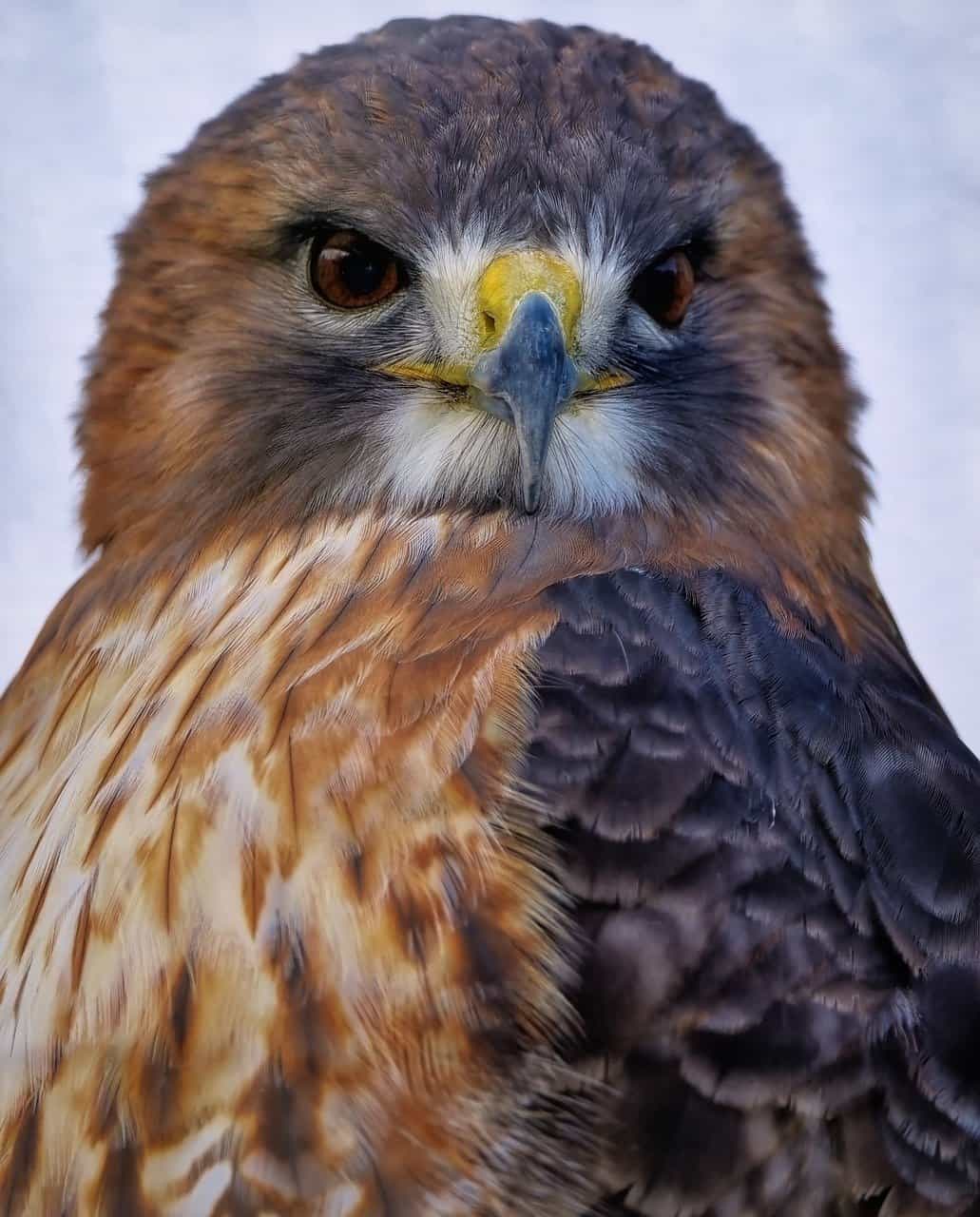
Maintaining precise temperature control in a red-tailed hawk aviary is vital for their health. Energy-efficient systems lower costs and prevent illnesses like heat stress. It’s crucial to mimic their natural habitat with optimal heating methods like underfloor heating or heat lamps. Cooling strategies, such as providing shade and using water misters, are essential during hot weather. These are just a few tricks to the trade, but I will reveal more strategies and methods throughout this article, so read on and equip yourself to cool or heat your mew or aviary.
Importance of Temperature Control inside aviaries
Aviaries serve as shelters for birds and provide an environment that mimics their natural habitat. Temperature control is critical to a bird’s health, as they are highly sensitive to changes in temperature. Red-tailed hawks, in particular, require specific temperature ranges to thrive. Deviations from these optimal temperatures can lead to various health issues and even death.
Optimal Temperature Range for Red-Tailed Hawks
Red-tailed hawks are native to North America and typically inhabit temperate regions. As such, they thrive in temperatures ranging from 50-70 degrees Fahrenheit (10-21 degrees Celsius). This temperature range allows them to maintain their body temperature and conserve energy without overheating or becoming too cold.
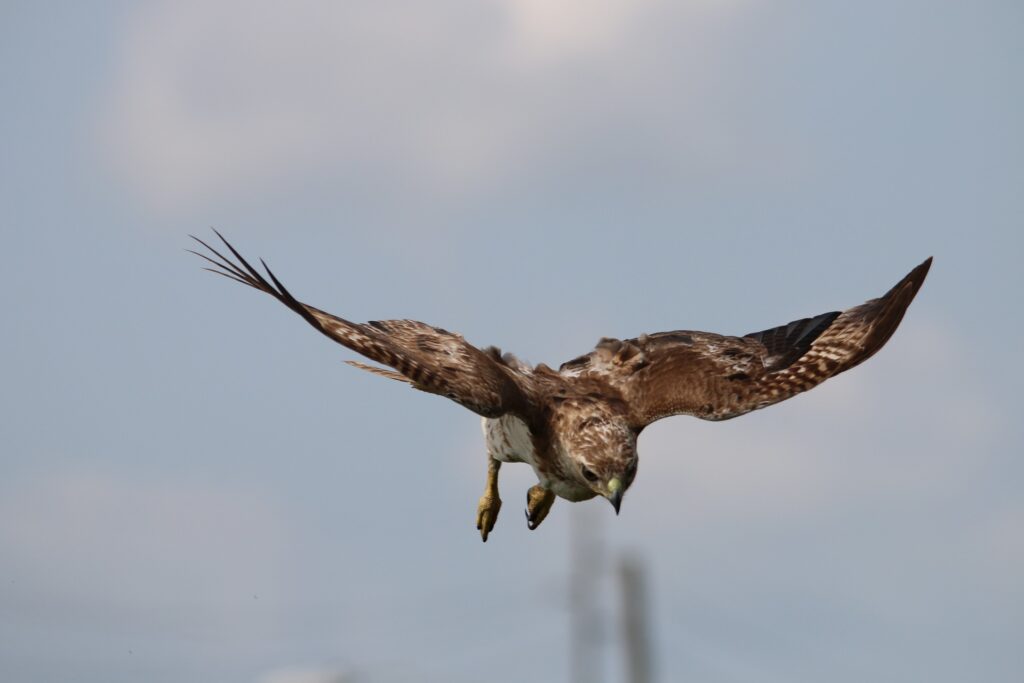
Heat Stress Prevention
Heat stress is a prevalent health issue among birds, including red-tailed hawks. It is caused by exposure to high temperatures and can lead to dehydration, heat stroke, and organ failure. To prevent heat stress in an aviary, a reliable cooling system is essential.
Cooling Strategies for Aviaries
There are several effective strategies for cooling an aviary during hot weather. Providing shade is crucial, as it helps reduce direct exposure to sunlight and lowers the overall temperature inside the aviary. Water misters are also effective in cooling the air, as evaporation causes a drop in temperature.
Heating Options for Aviary or Mew
A heating system is necessary in colder climates to maintain the optimal temperature range for red-tailed hawks. The two most common options are underfloor heating and heat lamps.
Underfloor Heating
Underfloor heating systems provide an even distribution of heat throughout the aviary or mew (an enclosure for birds of prey). This type of heating is energy-efficient and reduces the risk of hot spots that cause burns to the birds’ feet.
Heat Lamps
Heat lamps are another popular heating option for aviaries. They provide an immediate source of heat and can be adjusted to maintain the desired temperature range. However, it is essential to monitor heat lamp usage carefully, as they can pose a fire hazard if not used correctly.
Heaters with Thermostats
Heaters with thermostats are also an option for temperature control in aviaries. These systems allow for precise and automated control of the temperature, ensuring that it stays within the optimal range for red-tailed hawks.
Cooling Strategies for Hot Weather
Implementing effective cooling strategies is essential to ensure the comfort and well-being of red-tailed hawks during hot weather conditions. When addressing hot weather challenges in the aviary, several cooling solutions can be beneficial:
- Shade solutions: Providing ample shade within the aviary is essential for shielding the hawks from direct sunlight, significantly reducing heat stress and ensuring their comfort and well-being. Structures like trees, shade cloths, or even man-made shelters can serve this purpose effectively.
- Water misters: Installing water misters in strategic locations around the aviary can create a cooling effect through evaporation, which keeps the air moist and cool and mimics the hawks’ natural habitats, providing a refreshing and invigorating environment for them.
- Ice packs: Placing ice packs strategically throughout the aviary can significantly help in lowering the overall temperature, offering much-needed relief to the hawks during intense heatwaves. This method is particularly effective in small, targeted areas where hawks tend to rest or seek refuge from the heat.
- Ventilation fans: Ensuring proper ventilation within the aviary is crucial for maintaining a steady airflow and preventing hot, stagnant air accumulation. Utilizing ventilation fans helps circulate air and disperse heat, ensuring a comfortable and healthy living environment for the red-tailed hawks. This approach is vital for their overall health, preventing overheating and promoting a more natural and conducive living space.
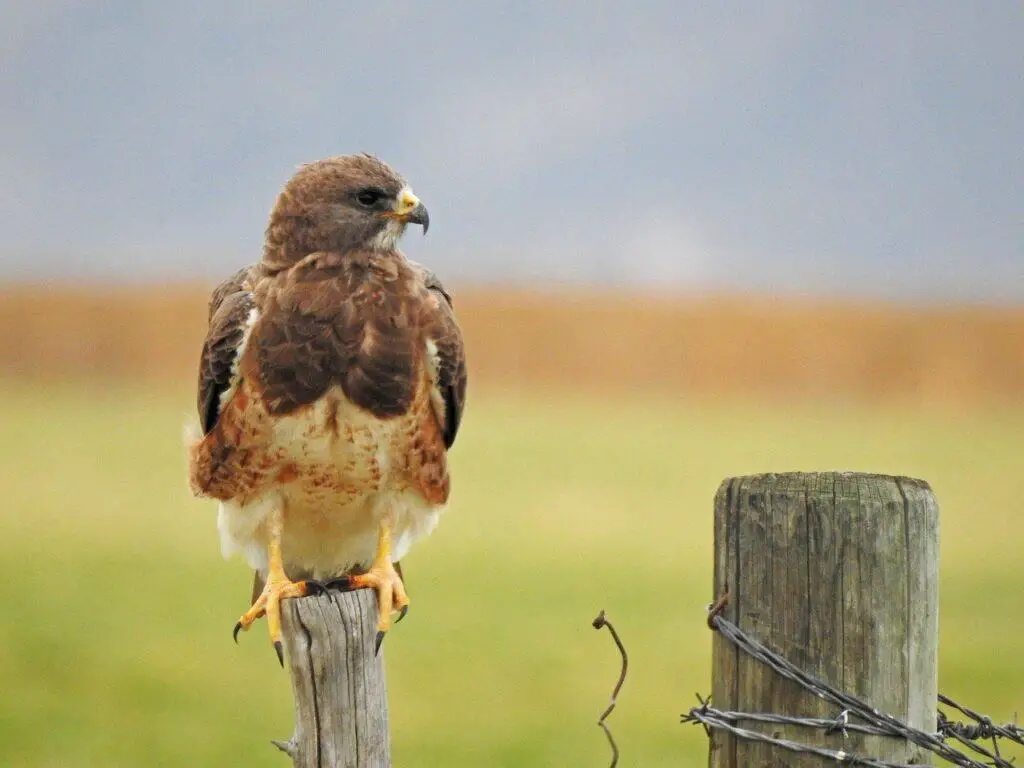
These cooling strategies, along with incorporating evaporative cooling methods, play a vital role in maintaining optimal temperatures within the aviary during hot weather, promoting the well-being and health of the red-tailed hawks.
Monitoring and Adjusting Temperature
Maintaining the temperature within the red-tailed hawk aviary effectively requires constant monitoring and adjustment. I rely on temperature sensors strategically placed throughout the aviary to provide real-time data on temperature fluctuations. By regularly checking these sensors, I can ensure that the climate control system is functioning optimally. Thermostat settings play a crucial role in regulating the temperature within the aviary. I regularly adjust these settings based on the data received from the sensors to maintain the ideal temperature range for the red-tailed hawks.
In addition to monitoring and adjusting the thermostat settings, insulation techniques are essential for temperature control. Proper insulation helps retain heat during colder months and prevents excessive heat buildup in the summer. I regularly inspect the aviary for any areas that may need additional insulation to ensure a consistent temperature.
Maintaining proper temperature control in a red-tailed hawk’s aviary is crucial for their health and well-being. By providing a comfortable and stable environment within the optimal temperature range, we can ensure that our feathered friends are happy and thriving. With the right heating options for colder days and effective cooling strategies for hot weather, we can easily monitor and adjust the temperature to create the perfect habitat for our red-tailed hawks.