
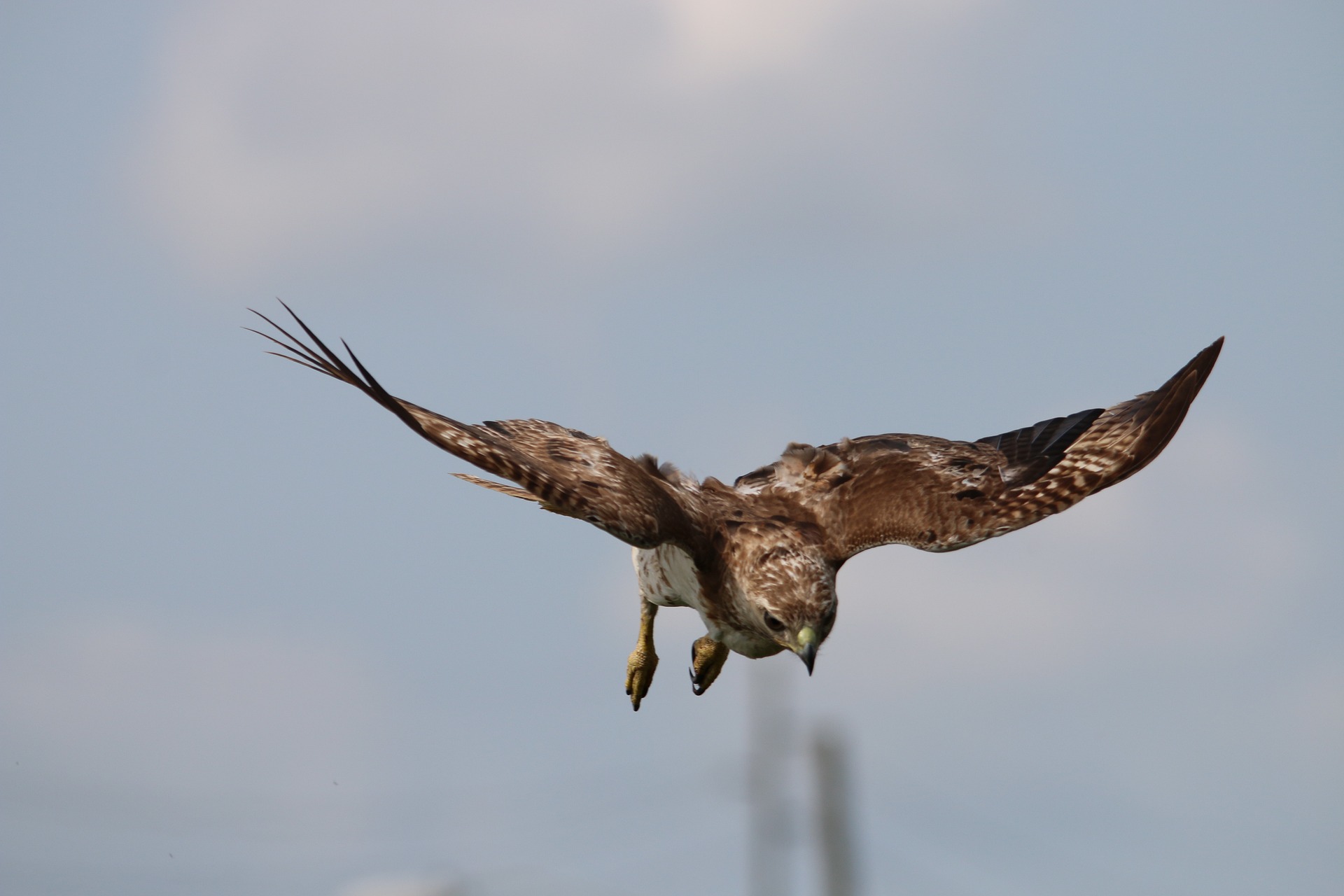
Training my red-tailed hawk to perch involves creating a calm, spacious training area, understanding its behavior, and using food rewards. I begin with a low perch and carefully watch for signs of stress or relaxation. Ensuring a safe, stable environment is crucial. Building trust through quality time, grooming, and consistent cues is key. I teach the perching command using positive reinforcement and clear communication. Consistent rewards and patience are vital in reinforcing this behavior. Strengthening our bond through training sessions is essential for successful perching. More insights await on effectively training your hawk to perch.
Step by step on how to perform perch training
Step by Step on How to Perform Perch Training for Your Red-Tailed Hawk
- Prepare the Training Area: Select a quiet, enclosed space with minimal distractions. Ensure the area is safe and free of hazards that could harm the hawk. The perch should be positioned away from windows and doors to prevent injury.
- Introduce the Perch: Start with a low perch to make it less intimidating for the hawk. Allow your bird to inspect and become accustomed to the new object in its environment at its own pace.
- Use Food as Motivation: Hunger is a powerful motivator in training. Begin sessions when your hawk is slightly hungry to ensure it has an interest in the rewards you’re offering. Use high-value treats that your hawk doesn’t get outside training sessions.
- Encourage the Hawk to Step onto the Perch: Gently coax your hawk towards the perch using its favorite treat. Hold the treat above the perch to encourage the hawk to step up onto it. Use a specific command, such as “perch,” consistently each time.
- Reward Immediately: Once your hawk steps onto the perch, even if only briefly, reward it immediately with the treat and verbal praise. This positive reinforcement helps the hawk associate the perch with good things.
- Practice Makes Perfect: Repetition is key in training. Practice the “perch” command regularly, but keep the training sessions short to prevent your hawk from becoming bored or stressed.
- Gradually Increase Perch Height: As your hawk becomes more comfortable and confident perching at the low level, gradually introduce higher perches. This builds trust and teaches balance and confidence at varying heights.
- Incorporate Grooming and Bonding Time: Use the perching time to groom your hawk and strengthen your bond. This increases trust and makes training sessions something both you and your hawk look forward to.
- Observe and Adapt: Pay close attention to your hawk’s behavior and stress signals. If the hawk seems uncomfortable or stressed at any point, step back in your training process to where it is comfortable and proceed more slowly.
- Be Patient and Consistent: Training a red-tailed hawk to perch requires patience, consistency, and time. Repeating the steps consistently over days or weeks will yield the best results. Celebrate small progressions and remain positive and encouraging throughout the training.
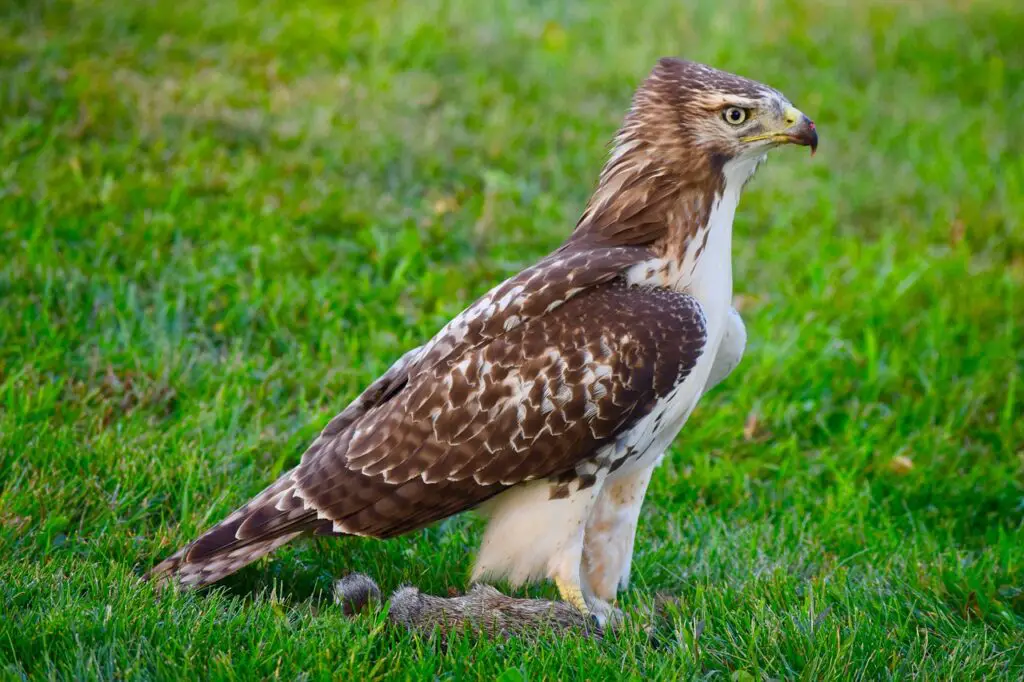
Following these steps diligently will help establish a strong foundation for your red-tailed hawk to learn perching behavior, enhancing your bond and ensuring a successful training outcome.
Setting Up the Training Environment
Setting up the training environment for perch training with your red-tailed hawk requires careful consideration of space, lighting, and safety measures. The perch location should be quiet and have minimal distractions to help your hawk focus. Choose a perch size that allows your bird to comfortably stand and move around without feeling cramped. Opt for natural materials like wood or branches for the perch to provide a more authentic feel for your hawk. Ensure the perch height is suitable for your bird’s size and strength, allowing it to perch easily without straining. Start with shorter perch durations, gradually increasing the time as your hawk becomes more accustomed to perching. Safety is paramount, so ensure the perch is stable and secure to prevent any accidents during training sessions. By setting up the training environment thoughtfully, you create a conducive space for your red-tailed hawk to learn and grow in its perch training.
Establishing Trust and Bonding
Establishing trust and bonding with your red-tailed hawk is crucial for building a strong foundation in your training journey. Building rapport with your hawk involves spending quality time together, allowing the bird to become familiar with your presence and voice. Mutual understanding is key; observe your hawk’s body language and responses to different situations to better comprehend its needs and feelings.
Trust exercises are valuable tools in strengthening the bond between you and your hawk. Start with simple activities like offering food from your hand to create positive associations. Bonding activities such as grooming sessions or gentle strokes can help foster a sense of closeness and security for your hawk. Effective communication methods, such as using consistent cues and body language, will aid in conveying your intentions clearly to your feathered companion. Remember, patience and consistency are essential in nurturing a deep connection with your red-tailed hawk.
Teaching the Perching Command
When training your red-tailed hawk to perch, start by selecting a sturdy and comfortable perch that is appropriate for the bird’s size and needs. Understanding hawk behavior is crucial; observe your hawk to determine its preferred perching style and height. To begin, utilize positive reinforcement training techniques. When the hawk perches on command, reward it with treats or its favorite food to reinforce the behavior. Consistency in training is key; practice the perching command daily to establish a routine.
When teaching the perching command, use clear communication cues such as specific words or hand signals. By consistently associating these cues with the desired behavior, your hawk will learn to respond accordingly. Additionally, vary perch rewards to keep your hawk motivated and engaged in the training process. Patience and persistence are essential when teaching your red-tailed hawk to perch effectively.
Reinforcing Perching Behavior
To reinforce perching behavior effectively, consistently reward your red-tailed hawk with treats or its favorite food when it successfully perches on command. Positive reinforcement is key to solidifying this behavior. Here are four essential steps to help you reinforce perching behavior with your red-tailed hawk:
- Be Consistent: Practice the perching command regularly. Consistency is crucial for your hawk to understand and master the behavior you want to reinforce.
- Establish a Reward System: Create a reward system where your hawk knows that perching on command will result in a treat. This helps reinforce the behavior positively.
- Exercise Patience and Consistency: Rome wasn’t built in a day, and neither is a well-trained hawk. Patience and consistency are vital for the training process.
- Build a Strong Bond: Use perching exercises as bonding time with your hawk. This strengthens your connection and makes the training experience more enjoyable for both of you.
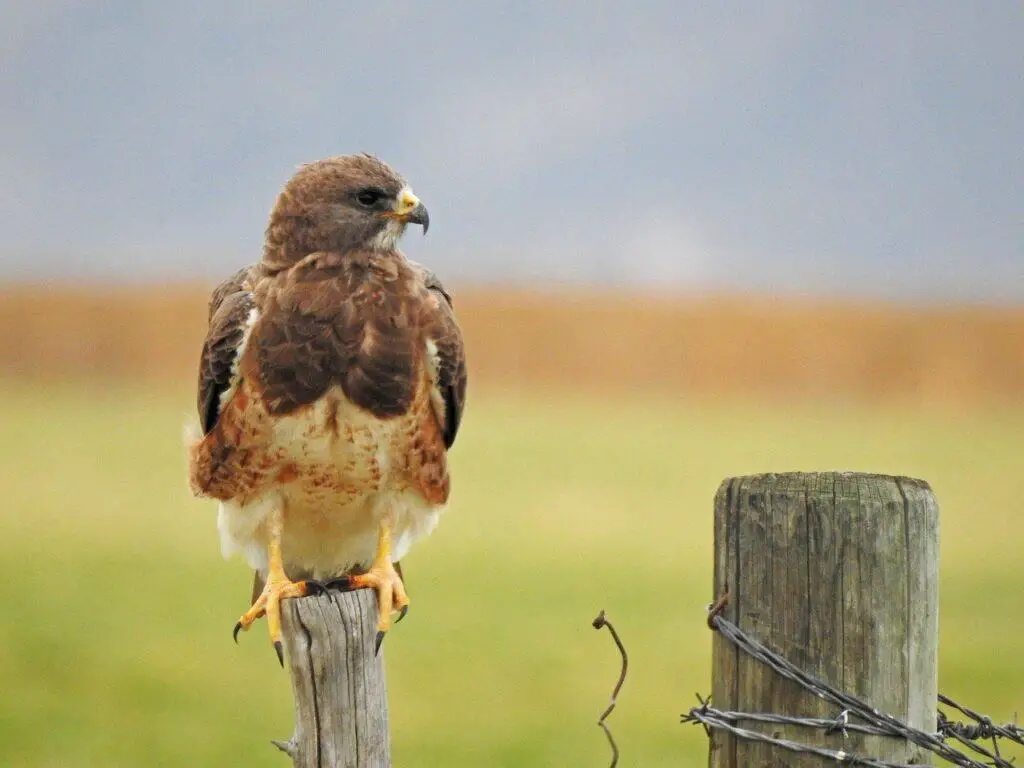
After following these steps to train your red-tailed hawk to perch, you will have a strong bond with your bird and a reliable command for perching. Remember to be patient, consistent, and positive throughout the training process. With time and dedication, your hawk will learn to perch on command, making your bond even stronger and your training efforts well worth it.