
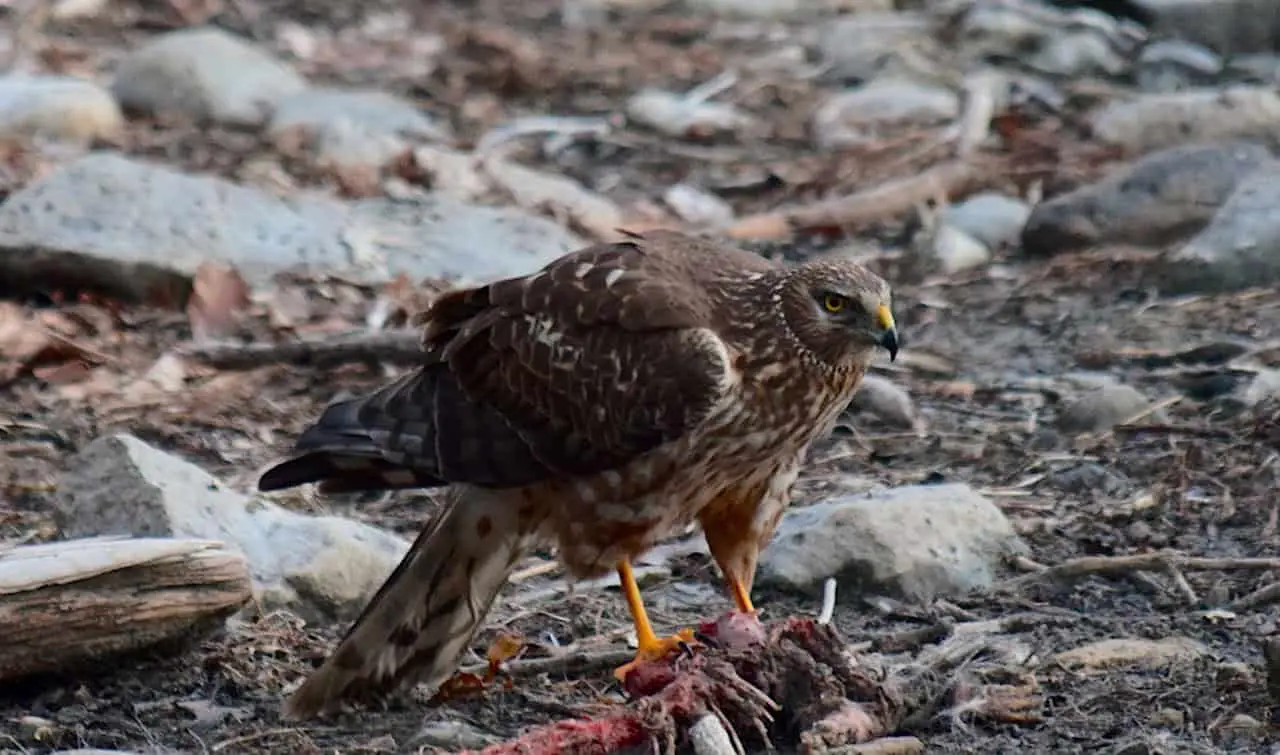
Red-tailed hawks are versatile and skilled predators primarily found across North America. Renowned for their adaptability, these birds of prey thrive in various habitats, from urban areas to rural landscapes. To understand what a red-tailed hawk eats, it is essential to delve into its dietary habits and the factors influencing its prey selection. This guide sheds light on the diverse diet of red-tailed hawks and how they have become such successful hunters.
Are red-tailed hawks omnivores or carnivores
Red-tailed hawks are carnivores, primarily feeding on small mammals, birds, and reptiles. Their feeding habits are finely tuned to suit their predatory nature. Prey selection is a crucial aspect of their survival, with a preference for rodents such as mice, voles, and rabbits. These birds are opportunistic hunters, using a variety of hunting techniques to capture their prey. They are known for their soaring flight, during which they scan the ground for potential meals. Once a target is spotted, they swoop down with precision and speed to make the kill.
What Does a Red-Tailed Hawk Like to Eat
Red-tailed hawks display a particular preference for certain types of prey, which are influenced by availability and their own hunting prowess. Their favored meals often include small mammals like rabbits and rodents, which provide a substantial source of energy and nutrition. Birds, especially those in open fields or grasslands, also rank high on their list, with species such as sparrows and starlings being common targets.
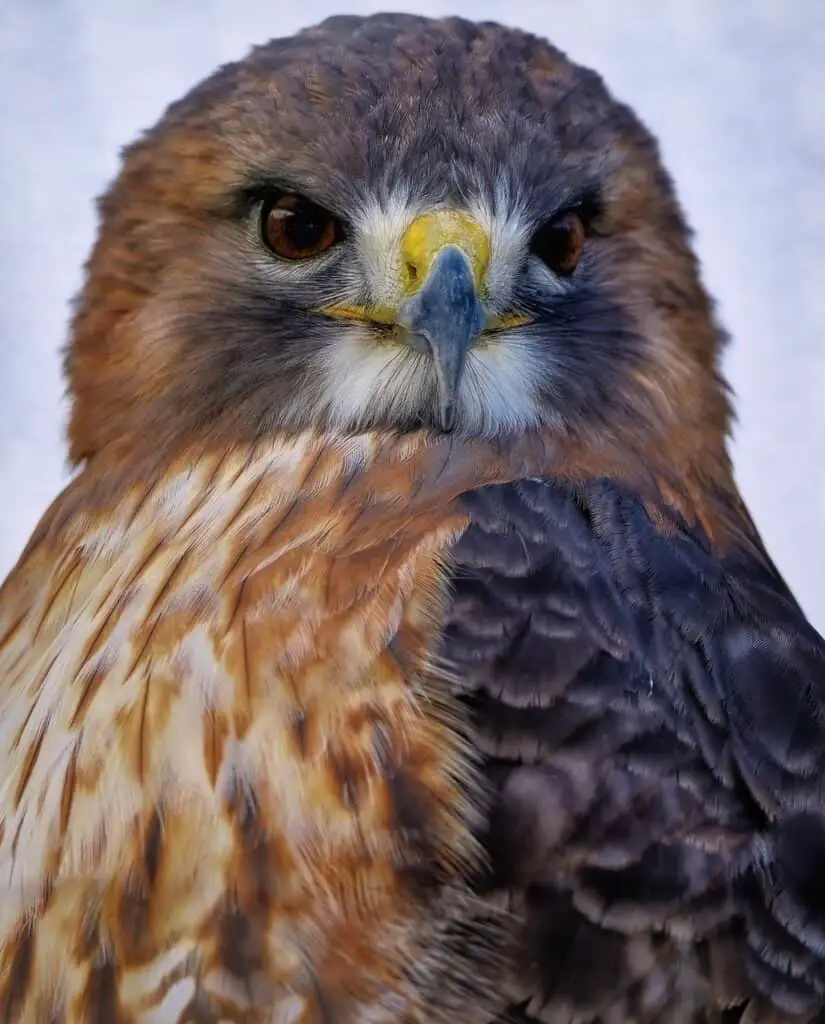
Red-tailed hawk diet
Diet in Falconry
In falconry, the diet of a red-tailed hawk is carefully managed to maintain its health and hunting efficiency. Falconers provide a variety of food items to ensure a balanced diet, mimicking the bird’s natural prey. This typically includes fresh, whole animals such as mice, quail, and pigeons. The key to a healthy diet in captivity is variety, replicating the diverse food sources a red-tailed hawk would encounter in the wild.
Supplements are often necessary to ensure the bird receives all the essential nutrients that might not be available in a captive environment. Vitamins and minerals, particularly calcium and vitamin D, are crucial for bone health and feather maintenance. Falconers might also provide nutritional supplements in the form of specially formulated pellets to prevent deficiencies and support overall vitality.
In addition to whole prey and supplements, the amount of food offered is meticulously controlled based on the bird’s activity level, weight, and health status. This careful diet management ensures the red-tailed hawk remains at an optimal flying weight, which is crucial for effective training and hunting. Through this balanced and varied dietary approach, falconers can ensure their birds remain healthy, strong, and ready for the hunt.
Diet in the Wild
In the wild, red-tailed hawks have a more varied and unpredictable diet. They are opportunistic hunters, meaning they will take advantage of whatever prey is available at the time. This can include small mammals, birds, reptiles, insects, and even carrion. Their diverse diet allows them to thrive in different habitats and environments.
Red-tailed hawks are also known to display unique hunting strategies depending on the type of prey they are targeting. For example, when hunting small birds in open areas, they use their aerial agility and speed to make a surprise attack from above. On the other hand, when targeting small mammals such as mice or rabbits, they use more stealth and patience, waiting for the opportune moment to strike.
Do red-tailed hawks eat birds?
Yes, red-tailed hawks do eat birds. They target a variety of avian species, including sparrows, starlings, and pheasants. Their hunting techniques vary depending on the prey, but they often use their impressive aerial agility to surprise and capture birds in open fields or grasslands. Birds constitute a significant portion of their diet, providing essential nutrients and helping maintain the ecological balance by controlling bird populations.
Do red-tailed hawks eat squirrels?
Yes, red-tailed hawks eat squirrels, and squirrels are a common part of their diet, especially in habitats where these small mammals are abundant. Red-tailed hawks use their keen eyesight to spot squirrels from a distance and employ a combination of patience and agility to capture them. This predatory behavior helps control squirrel populations and showcases the hawks’ adaptability in hunting different types of prey.

Do red-tailed hawks eat fish?
Yes, red-tailed hawks do eat fish. Although not as common as other prey, fish can be part of their diet, especially in areas near water bodies. These hawks utilize their sharp talons and keen eyesight to catch fish when the opportunity arises. Their ability to diversify their diet to include aquatic prey demonstrates their adaptability and skill as hunters, enabling them to thrive in various habitats.
Do red-tailed hawks eat cats?
Although it is relatively rare, red-tailed hawks can prey on small domestic animals, including cats. This typically occurs when other prey is scarce, and the hawk is opportunistic in its hunting behavior. Given their powerful talons and keen eyesight, red-tailed hawks are capable of taking down small cats. It’s advisable for pet owners to monitor their pets outdoors, especially in areas with active red-tailed hawks.
Do red-tailed hawks eat chickens?
Yes, red-tailed hawks can eat chickens. These birds of prey are known to target poultry, especially free-range chickens when other food sources are limited. Their powerful talons and swift hunting abilities make chickens vulnerable.
Do red-tailed hawks eat snakes?
Yes, red-tailed hawks do eat snakes. These raptors are skilled hunters and often include reptiles like snakes in their diet. They target a variety of snake species, typically those that are non-venomous and smaller in size, such as garter snakes and rat snakes. Their keen eyesight and swift, precise strikes enable them to capture and subdue these slithering prey, showcasing their adaptability and hunting prowess.
How often do red-tailed hawks eat in falconry?
Red-tailed hawks are fed daily in falconry to maintain their health and hunting abilities. The amount of food provided is adjusted based on the bird’s weight and activity level, with falconers carefully monitoring and managing their diet. This regular feeding schedule ensures that the hawk remains at an optimal flying weight and is ready for training or hunting sessions. In addition to their daily meals, red-tailed hawks may also receive treats or rewards during training sessions as positive reinforcement.
These raptors have specific nutritional requirements that must be met through their diet. Red-tailed hawks are carnivorous birds of prey, so their diet consists mainly of animal matter. They have adapted to efficiently extract the necessary nutrients from their prey. Due to their high metabolic rate and energy demands, red-tailed hawks rely on their consistent eating habits to ensure they have the energy needed for hunting, flying, and other activities essential for their survival.
How much do red-tailed hawks eat?
To maintain their high metabolic rate and energy demands, red-tailed hawks consume daily food that aligns with their carnivorous diet and hunting habits. The dietary needs of red-tailed hawks vary significantly depending on their stage of development. Below is a guide to the amount of food an average red-tailed hawk should be fed at the chick, juvenile, and adult stages:
| Life Stage | Average Daily Food Intake | Type of Prey |
| Chick | 1-2 small meals | Small insects, tiny pieces of meat or organs |
| Juvenile | 2-3 meals of ~50-75g each | Small mammals, larger insects, small birds |
| Adult | 1-2 meals of ~85-140g | Mice, rats, larger birds, small reptiles |
Chicks
For newly hatched red-tailed hawks, small, frequent meals are essential. These chicks require 1-2 small portions of easily digestible food daily, usually consisting of small insects and tiny pieces of meat or organs. Care must be taken to provide food that is easy for chicks to swallow and digest, ensuring that they receive the nutrients necessary for healthy growth.
Juveniles
As red-tailed hawks grow and become juveniles, their dietary needs increase. They typically require 2-3 meals daily, weighing approximately 50-75 grams. At this stage, their diet transitions to larger prey items such as small mammals (e.g., mice), larger insects, and small birds. This increased food intake supports their rapid growth and development and their burgeoning hunting skills.
Adults
Fully grown red-tailed hawks have a more stable feeding routine. Adults generally eat 1-2 larger meals daily, weighing around 85-140 grams. Their diet consists of a variety of prey, including mice, rats, larger birds, and small reptiles. Maintaining a balanced diet is crucial to supporting their high-energy needs for activities such as hunting, flying, and nesting.
In conclusion, red-tailed hawks are carnivores that primarily feed on small mammals like rodents, rabbits, and squirrels. They also consume birds, reptiles, and insects. These majestic birds of prey have a varied diet that provides them with the necessary nutrients to thrive in their natural habitat. Red-tailed hawks typically eat once or twice a day, consuming around 5-10% of their body weight.