

To breed Red-Tailed Hawks successfully, I need specialized equipment like spacious aviaries, heaters, varied perches, and UVB lighting. I choose nesting materials carefully, keeping in mind mating rituals and nestling development. Regulating temperature and humidity is key during incubation, with tools for turning eggs and checking embryo progress.
This is a delicate process, so you need to ensure you have the right tools. From my experience, I will share with you a list of the most needed tools and touch on their purpose.
List of Equipment Needed for Breeding Red-tailed Hawks
- Aviary Enclosure – A spacious and secure aviary that mimics the hawks’ natural habitat.
- Temperature Control System – Includes heaters and fans to maintain optimal conditions.
- Perches – Various heights and materials for exercise and foot health.
- Lighting – Natural lighting and UVB lights to support the hawks’ health and breeding behavior.
- Ventilation System – To ensure good air quality and proper humidity levels.
- Nesting Materials – Sticks, twigs, grasses, moss, and leaves for nest building.
- Incubator – With a digital thermostat and humidity control for egg incubation.
- Egg Turner – For regular turning of eggs to mimic natural conditions.
- Candling Light – To monitor the development of embryos inside the eggs.
- Hatching Assistance Tools – Tweezers or pipettes for aiding with difficult hatchings.
- Scales – For regular weight monitoring of the hawks.
- Health Monitoring Devices – Including heart rate and temperature monitors, cameras for behavioral analysis, GPS tracking devices, and portable blood testing kits.
- Feeding Supplies – Appropriate diet for red-tailed hawks, including quail, mice, and rats, with supplements as necessary.
- Cleaning Equipment – This is used to maintain hygiene within the aviary and breeding enclosures.
- Protective Gear – Gloves and safety glasses for handler protection during direct interactions.

Housing Requirements
When setting up housing for breeding red-tailed hawks, providing ample space for the birds to move and nest comfortably is crucial. The aviary design should consider the birds’ natural habitat, ensuring sufficient space for flying and perching. Temperature regulation is essential to mimic the hawks’ natural environment, with insulated walls to protect against extreme heat or cold. Roosting perches should be strategically placed to encourage natural behavior and provide resting spots for the hawks.
Feeding stations need to be placed in locations that allow easy access and ensure the food remains dry and clean. Security measures are paramount to protect the hawks from predators and ensure their safety. This includes sturdy fencing, predator-proofing techniques, and secure locks on doors and windows. By carefully considering aviary design, temperature regulation, roosting perches, feeding stations, and security measures, you can create a comfortable and safe environment for breeding red-tailed hawks.
Breeding Enclosures
To ensure successful breeding of red-tailed hawks, constructing proper breeding enclosures is essential. When designing an aviary for red-tailed hawks, it’s important to consider various factors. Temperature control is crucial, as these birds require a specific range for breeding success. Installing heaters and fans can help regulate the temperature within the enclosure. Perch placement is another critical aspect to mimic their natural habitat. Providing different perch heights and textures can promote exercise and foot health.
Lighting requirements play a significant role in the breeding process. Natural light exposure and UVB lighting can positively impact the hawks’ health and breeding behavior. Ventilation systems are necessary to maintain air quality and prevent respiratory issues. Proper airflow can also help control humidity levels within the enclosure. By focusing on aviary design, temperature control, perch placement, lighting requirements, and ventilation systems, breeders can create optimal breeding enclosures for red-tailed hawks.
Nesting Materials
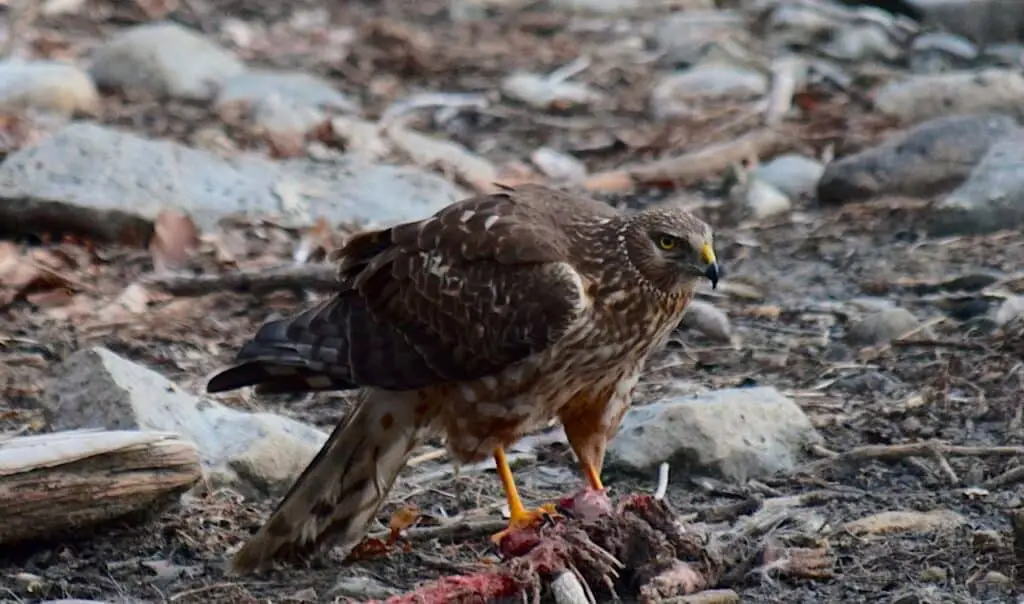
Nesting materials are crucial in providing a suitable environment for red-tailed hawks to breed successfully. Understanding their nesting behavior is essential in selecting appropriate materials. These birds typically build their nests using sticks and twigs, and sometimes, they incorporate softer materials like grasses, moss, or leaves for added comfort. The choice of nesting materials can influence the success of their mating rituals and subsequent parental care.
Effective prey selection by red-tailed hawks ensures they have the necessary energy to gather nesting materials and engage in courtship displays. The quality and availability of suitable nesting materials can also impact the nestling development stage. Providing a variety of materials in the breeding enclosure enables the hawks to construct a secure nest that promotes successful breeding outcomes. As a breeder, I prioritize offering a diverse selection of nesting materials to support red-tailed hawks’ natural instincts and behaviors during the breeding season.
Incubation Tools
Selecting appropriate incubation tools is crucial for ensuring the successful development of the eggs in breeding red-tailed hawks. Temperature control is essential during incubation to mimic the natural nest conditions. An incubator with a digital thermostat can help maintain the required temperature of around 99.5 degrees Fahrenheit. Additionally, monitoring humidity levels is vital to prevent the eggs from drying out; a humidity level of around 40-50% is generally recommended for red-tailed hawk eggs.
Egg turning is another critical aspect of incubation. To simulate the natural process, eggs should be gently turned several times a day during incubation. This prevents the embryo from sticking to the shell membrane and promotes even development.
The candling process checks the development of the embryo inside the egg. By shining a light through the egg, breeders can monitor growth and detect any potential issues early on.
In some cases, hatching assistance tools may be needed to help chicks that struggle to hatch. These tools can include specially designed tweezers or pipettes to help the chick break through the shell carefully. Properly selected and utilized incubation tools are crucial for the successful breeding and hatching of red-tailed hawks.
Health Monitoring Devices
Monitoring the health of red-tailed hawks during the breeding process can be facilitated through the use of specialized devices. These devices play a crucial role in ensuring the well-being of the hawks throughout the breeding season. Here are some key health monitoring devices and their functions:
| Health Monitoring Devices | Description | Benefits |
| Weight tracking | Scales to monitor weight changes | Helps assess overall health and breeding condition |
| Vital signs | Monitors heart rate and temperature | Indicators of stress or illness |
| Behavioral analysis | Cameras for observing behavior | Detects any abnormal patterns or signs of distress |
| GPS monitoring | Tracking devices for location | Ensures the hawks are in their territory and not disoriented |
| Blood analysis | Portable blood testing kits | Provides insights into the hawks’ health at a cellular level |
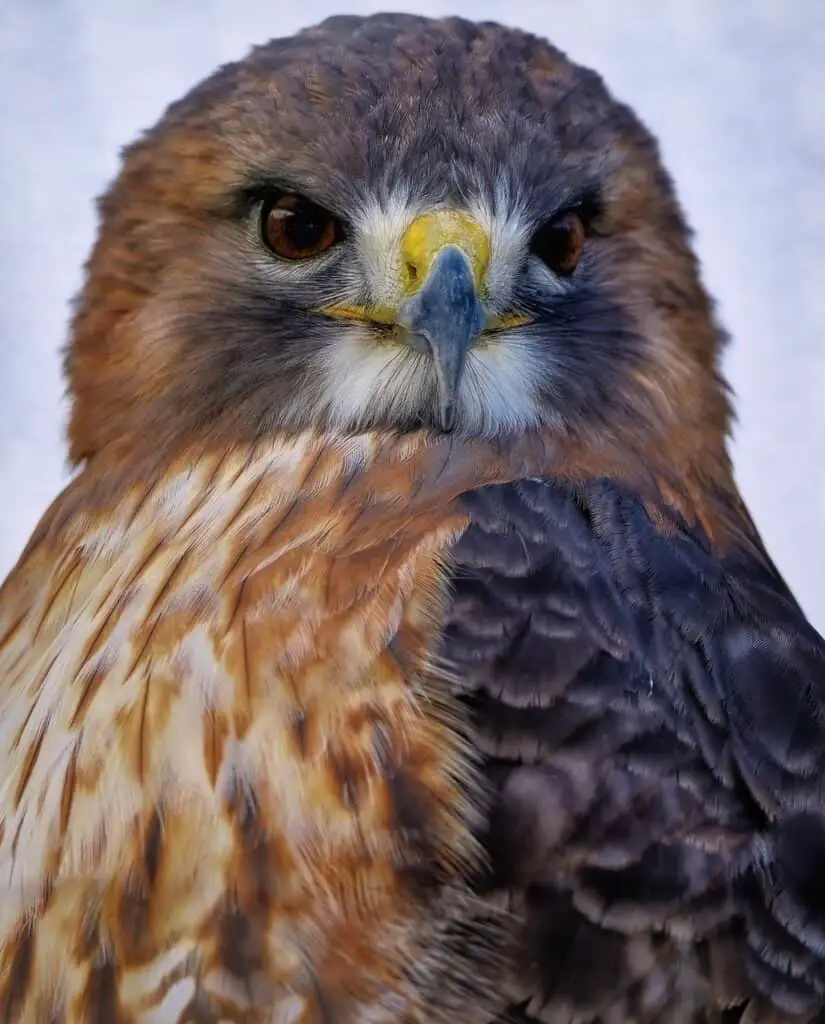
These devices collectively offer a comprehensive approach to monitoring the red-tailed hawks’ health, allowing breeders to intervene promptly if any issues arise.
Breeding red-tailed hawks requires specific equipment such as spacious housing enclosures, appropriate nesting materials, incubation tools, and health monitoring devices. Ensuring the proper setup and maintenance of these tools is essential for successfully breeding and rearing red-tailed hawks. By providing a suitable environment and utilizing the necessary equipment, breeders can help promote the health and well-being of these majestic birds of prey.