
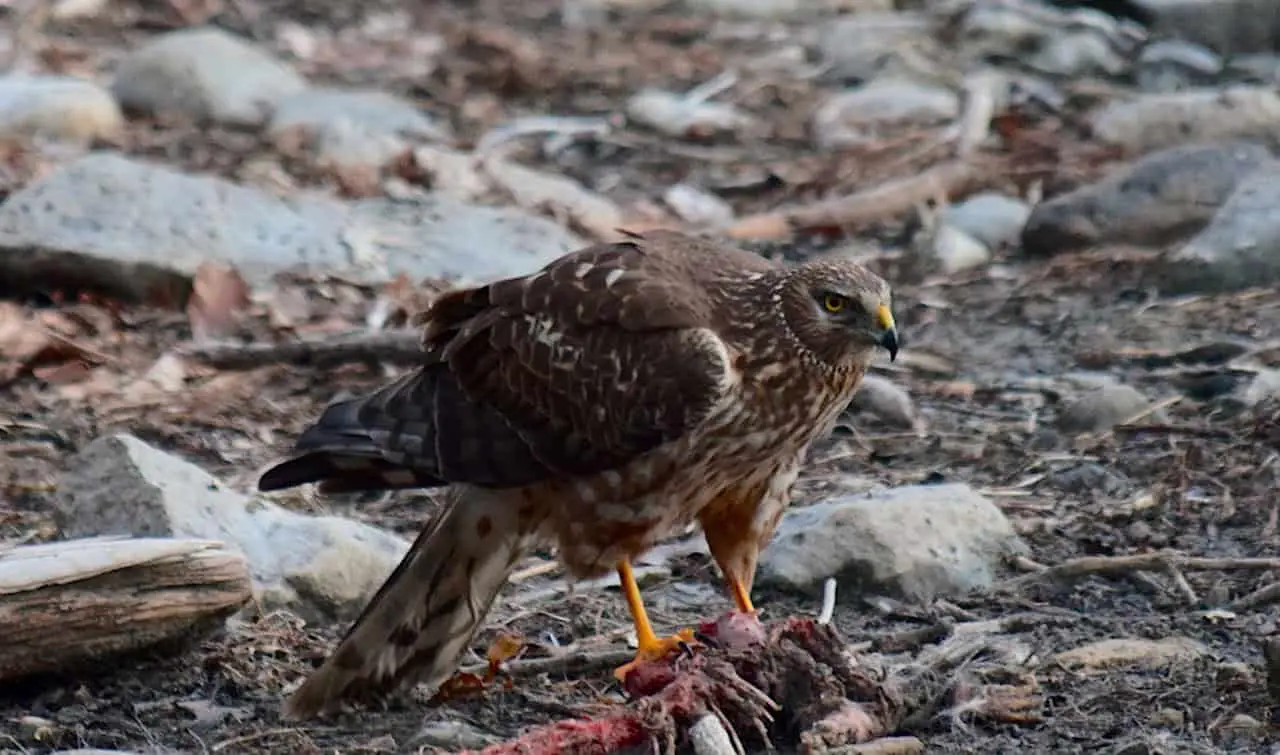
Training my Red-Tailed Hawks involves essential equipment like jesses, a training perch, and a spacious mews or aviary for a secure training environment, among other things. During training, the right equipment plays a pivotal role in the ease of success and effectiveness, so while you may feel you can get away with not having some or having cheaper options, the reality is that falconers have narrowed these vital pieces of equipment down for a reason so it is vital for training and keep in mind that cheaper usually means it doesn’t last long (unless second hand from other falconers). Without delay, let me give you a list of equipment you would need to train a red-tailed hawk, and if the equipment is vital, I will elaborate further in their own sections.
List of training equipment needed for training a red-tailed hawk
- Jesses
- Training perch
- Gloves
- Lures
- Leashes
- Hood
- Scales and weight measurements
- Grommets and swivels
- GPS transmitter or telemetry
Jesse and Leash
Holding the jesses securely in one hand while keeping a firm grip on the leash is crucial for effectively training red-tailed hawks. Jesse’s training is a fundamental aspect of falconry. The jesses are the leather straps attached to the bird’s legs, allowing a falconer to safely control and handle the bird. Proper leash techniques are essential; the leash provides security and control during training sessions and when transporting the hawk. When handling jesses, it is vital to be gentle yet firm to ensure the bird feels secure and comfortable.
Jesse’s care is crucial for maintaining the equipment’s integrity and ensuring the bird’s safety. Regularly checking the jesses for any signs of wear and tear is important to prevent accidents. Leash safety is paramount; falconers should always be vigilant and attentive when using the equipment. Mastering Jesse and leash techniques can build a strong bond with their red-tailed hawk while keeping both bird and handler safe during training sessions.
Training Perch
When working with red-tailed hawks, the training perch serves as a foundational tool for establishing trust and facilitating training exercises with the bird. Perch placement is crucial, as it should be located in a quiet area away from distractions to ensure the bird’s focus during training sessions. Training techniques employed on the perch include lure training, where the bird is encouraged to fly to the glove or a lure from the perch, strengthening the bond between the bird and falconer.
The perch size should be appropriate for the bird’s comfort, allowing it to fully extend its wings without touching the sides. Materials like natural wood or textured surfaces are preferred to provide a secure grip for the bird’s talons. Regular perch maintenance is essential to prevent the buildup of dirt or bacteria, ensuring a clean and safe environment for the bird’s training sessions. By carefully considering these factors, the training perch becomes a vital tool in the successful training of red-tailed hawks.
Protective Hood
Utilizing a well-designed protective hood is essential to ensure the safety and calmness of the red-tailed hawk during training sessions. When it comes to the hood fitting, it must fit snugly but comfortably over the hawk’s head, allowing it to see just enough to stay aware of its surroundings without becoming overly stressed. The material of the hood should be durable yet lightweight, providing adequate protection without weighing down the bird.
Proper hood training is key to acclimating the hawk to wearing the hood without causing distress. This process involves gradually introducing the hood to the bird and associating it with positive experiences like food rewards to create a positive association. Regular hood maintenance is vital to ensure its effectiveness and longevity. Cleaning the hood regularly and checking for any signs of wear and tear is essential.
While traditional leather hoods are commonly used, alternative materials like synthetic hoods offer similar protection and durability. Exploring different hood options can help find the best fit for both the raptor’s and the trainer’s needs.
Scales and Gloves
Appropriate scales and gloves are crucial for effectively handling and caring for a red-tailed hawk during training sessions. Proper handling of these majestic birds involves regularly weighing them to monitor their health and ensure they are at the optimal weight for training. Scales play a vital role in weight management, allowing me to adjust diet and exercise accordingly.

During training sessions, gloves are essential for protecting my hands from the sharp talons of the red-tailed hawk. Not only do they provide physical protection, but they also aid in developing trust and bonding between the bird and me. Using the right gloves enhances my confidence in handling the hawk, which positively impacts our training progress.
Bonding techniques are key in building a strong relationship with the hawk, and the gloves act as a bridge in this process. Regular maintenance of the gloves is vital to ensure they remain in good condition, allowing for safe and effective handling during training sessions.
Lure and Food
My training sessions with red-tailed hawks are elevated by strategically using a well-crafted lure and high-quality food. Training techniques are crucial in establishing a strong bond with these majestic birds. By using a variety of lures, such as swinging a piece of meat on a line, I can simulate hunting scenarios, encouraging the hawk to exhibit its natural behaviors. This method, combined with positive reinforcement through rewarding the bird, helps reinforce desired behaviors.
Weight management plays a vital role in training red-tailed hawks. By carefully monitoring their food intake and adjusting portions accordingly, I can ensure the hawk is at an optimal weight for training sessions. Diet variety is also essential for their overall health and motivation. Offering diverse food items like quail, mice, and day-old chicks keeps the hawk engaged and satisfied.
Lastly, bonding exercises, like hand-feeding and spending quality time together, strengthen the trust between me and the hawk, resulting in a more successful training experience.
Training red-tailed hawks requires specialized equipment to ensure their safety and successful learning. Each piece plays a crucial role in training, from the essential jesses and leash to the protective hood, scales, and gloves. Training these types of hawks with the right equipment becomes a rewarding experience.