
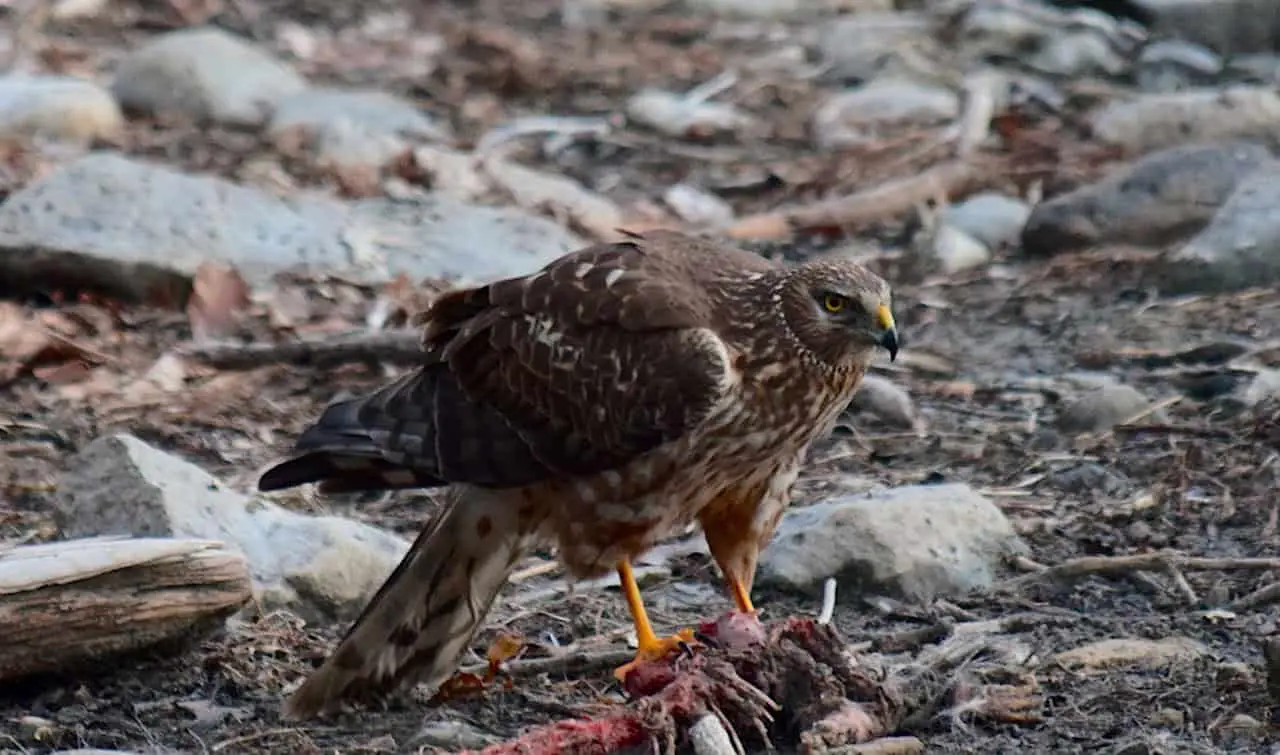
As a falconer, I know red-tailed hawks breed in late winter to early spring. This timing is crucial for successful breeding in falconry. When the male engages in courtship displays, it’s a sign breeding is near. Nest building begins after pair bonding, with the female incubating eggs while the male hunts. After hatching, chick rearing lasts until fledging. Habitat, prey availability, and nesting sites affect breeding success. Behavioral cues like nesting habits and vocalizations indicate readiness. I aim to provide you with all the knowledge you need for the timing of breeding these raptors with the information I laid out below.
Red-tailed hawk breeding season
As a seasoned falconer, understanding the precise timing of the breeding season for red-tailed hawks is crucial for successful breeding outcomes. Breeding pairings typically occur in late winter to early spring when the days lengthen and the weather mildens. During this time, male red-tailed hawks engage in elaborate courtship displays to attract a mate. Once the pair bonds, they begin the intricate process of nest building, meticulously crafting a sturdy structure in the trees to house their future offspring.
After the eggs are laid, the female enters the incubation period, diligently keeping the eggs warm while the male hunts and provides food for both. This period is critical for the development of the chicks inside the eggs. Once the chicks hatch, the parents shift their focus to chick rearing, tirelessly feeding and nurturing the young until they are ready to fledge. The fledging process marks a significant milestone as the young hawks take their first flight, signaling the end of the breeding season and the beginning of a new generation of red-tailed hawks in falconry.
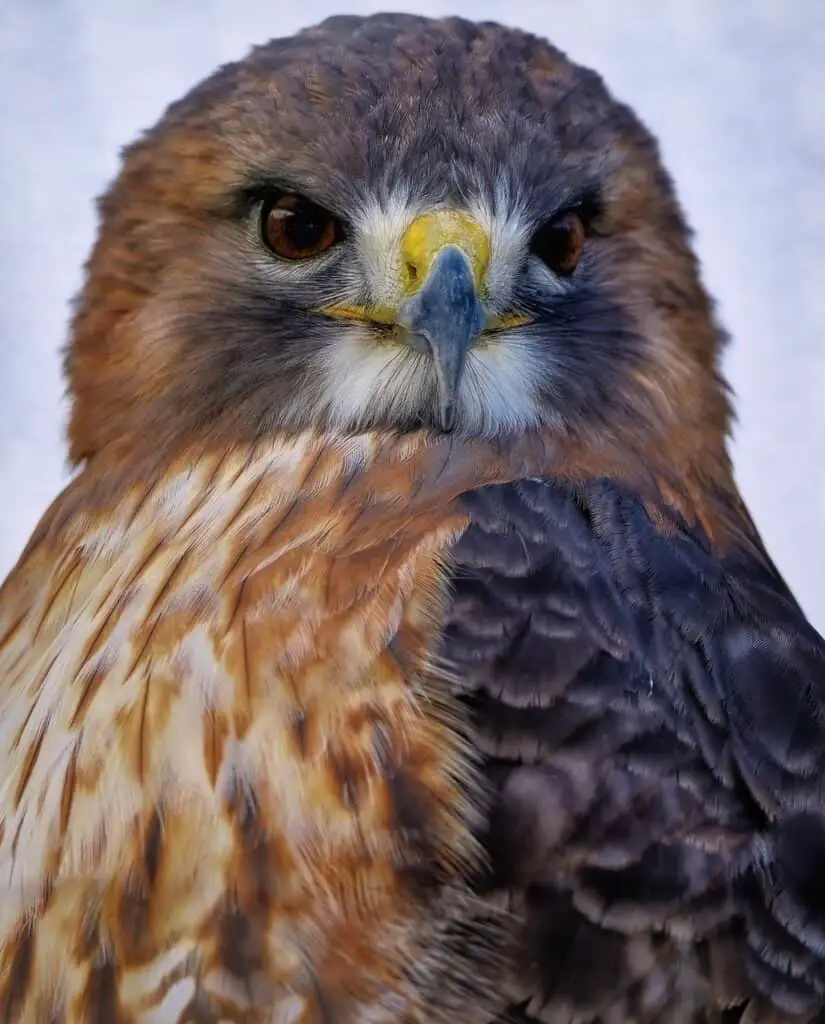
Environmental Factors Influence
Considering the impact of environmental factors on red-tailed hawks breeding in falconry, the availability of suitable nesting sites plays a pivotal role in ensuring successful breeding outcomes.
- Habitat Requirements, Weather Conditions: Red-tailed hawks thrive in open areas with scattered trees for perching and nesting. Weather conditions, especially during the nesting season, can affect the survival of eggs and chicks.
- Prey Availability, Nesting Sites: Adequate prey availability, such as rodents and small mammals, is crucial for sustaining the breeding pair and their offspring. The proximity of nesting sites to hunting grounds influences breeding success.
- Territorial Behavior, Courtship Displays: Red-tailed hawks exhibit territorial behavior to protect their nesting sites and secure food resources. Courtship displays are essential for pair bonding and successful breeding.
- Mating Rituals, Hormonal Changes: Mating rituals involve intricate aerial displays and vocalizations that strengthen the pair’s bond. Hormonal changes triggered by environmental cues signal the onset of breeding readiness.
Environmental factors include individual breeding success andhe, genetic diversity, and population dynamics of red-tailed hawks in falconry.
Behavioral Cues for Breeding
Nesting behaviors and vocalizations serve as key behavioral cues indicating the readiness of red-tailed hawks for breeding in falconry. As a falconer deeply invested in the breeding process, observing courtship rituals and territorial displays is exhilarating. The intricate dances and vocal exchanges between mates signify the beginning of a new cycle. Understanding their nesting habits is crucial; the selection of a suitable site is a meticulous process that sets the stage for successful reproduction. Mating behavior is a spectacle to behold, showcasing the strength and unity of the pair.
Once eggs are laid, the focus shifts to egg incubation and chick rearing. Witnessing the dedication of the parents as they take turns caring for their young is both humbling and inspiring. In the wild, hunting strategies and prey selection play a vital role in ensuring the survival of the offspring, highlighting the hawks’ adaptability and skill.
Breeding programs in falconry also contribute to genetic diversity and promote population health, safeguarding the species for future generations. This holistic approach to breeding underscores the importance of conservation efforts and the interconnectedness of all living beings.
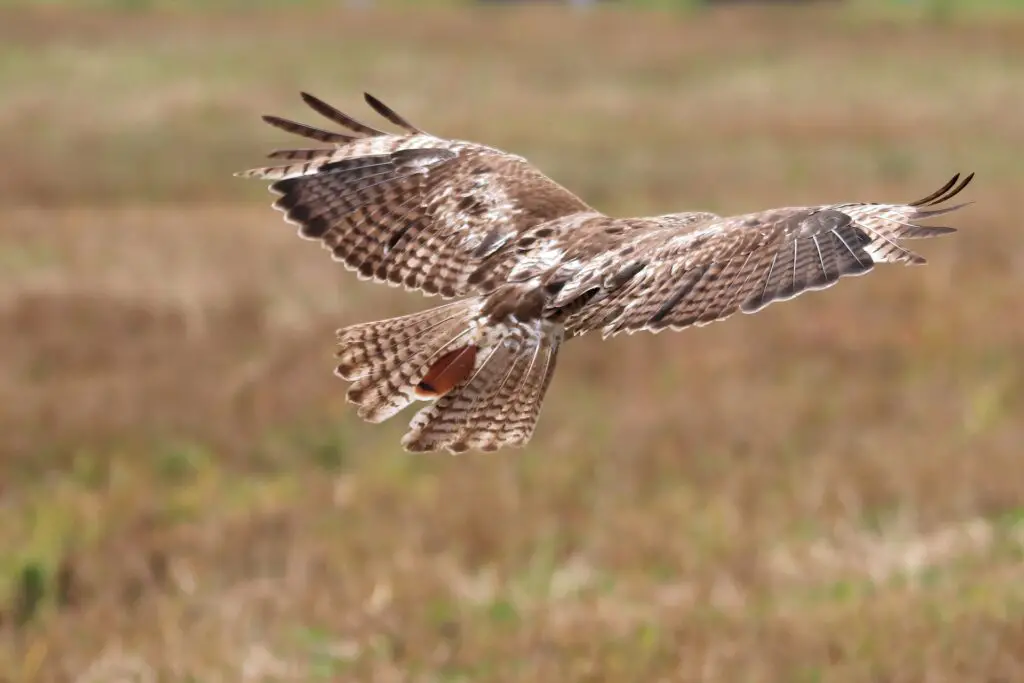
Impact of Captivity on Breeding
Red-tailed hawks’ breeding behavior undergoes complex adaptations and responses to the artificial environment in captivity.
- Reproductive success: Captive breeding programs play a crucial role in conserving red-tailed hawk populations ensuring successful reproduction under human care.
- Genetic diversity: Controlled breeding in captivity helps maintain genetic diversity, reducing the risk of inbreeding and preserving the species’ long-term health.
- Hormonal regulation: Aviary conditions influence the hormonal cycles of red-tailed hawks, impacting their breeding behavior and reproductive success.
- Aviary conditions: Providing suitable nesting sites, adequate space, and environmental enrichment in aviaries are vital for stimulating natural breeding behaviors in captive red-tailed hawks.
Understanding how captivity affects the nesting behavior and overall breeding success of red-tailed hawks is essential for their conservation. By optimizing aviary conditions, monitoring hormonal regulation, and promoting genetic diversity, we can ensure the well-being and reproductive success of these magnificent birds in captive environments.
As a falconer, I have learned that red-tailed hawks breed in the late winter to early spring months. Environmental factors such as temperature and daylight length play a crucial role in triggering their breeding behavior. Captivity can impact breeding success, so proper care and management is important. By understanding the breeding season timing, behavioral cues, and environmental influences, falconers can ensure the health and success of their red-tailed hawk breeding efforts.