
The Saker falcon’s remarkable skills and adaptability make it a favorite in falconry. Its stunning plumage and powerful hunting abilities have captivated falconers for centuries. This bird thrives in diverse habitats and, if cared for properly, can live up to 25 years in captivity.
You can bond with a Saker like no other with the right training and nutrition. I’m excited to share more insights into its care, training techniques, and personal insights on what you should know if you intend to house a Saker Falcon.
Introduction
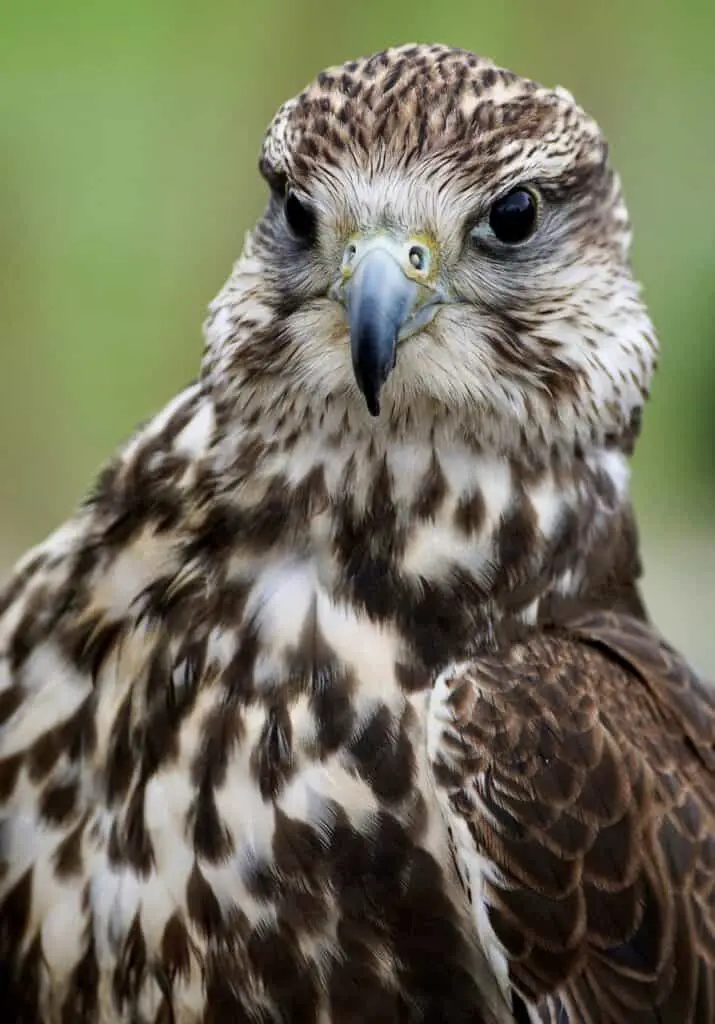
Scientific name: Falco cherrug
Family: Falconidae
Diet: Primarily, birds such as pigeons, doves, and game birds. Occasionally preys on small mammals like ground squirrels, hares, and rodents.
Lifespan: 15 to 20 years in the wild; up to 25 years in captivity.
Habitat and Range: Open grasslands, steppes, and semi-desert regions across Europe, Central Asia, and parts of North Africa. Winters in South Asia, the Middle East, and Africa.
Temperament: Powerful and agile hunter, highly skilled in open areas. Known for being bold and adaptable.
Size: 18 to 24 inches in length.
Weight: 1.1 to 3.7 lbs (0.5 to 1.7 kg), with females larger than males.
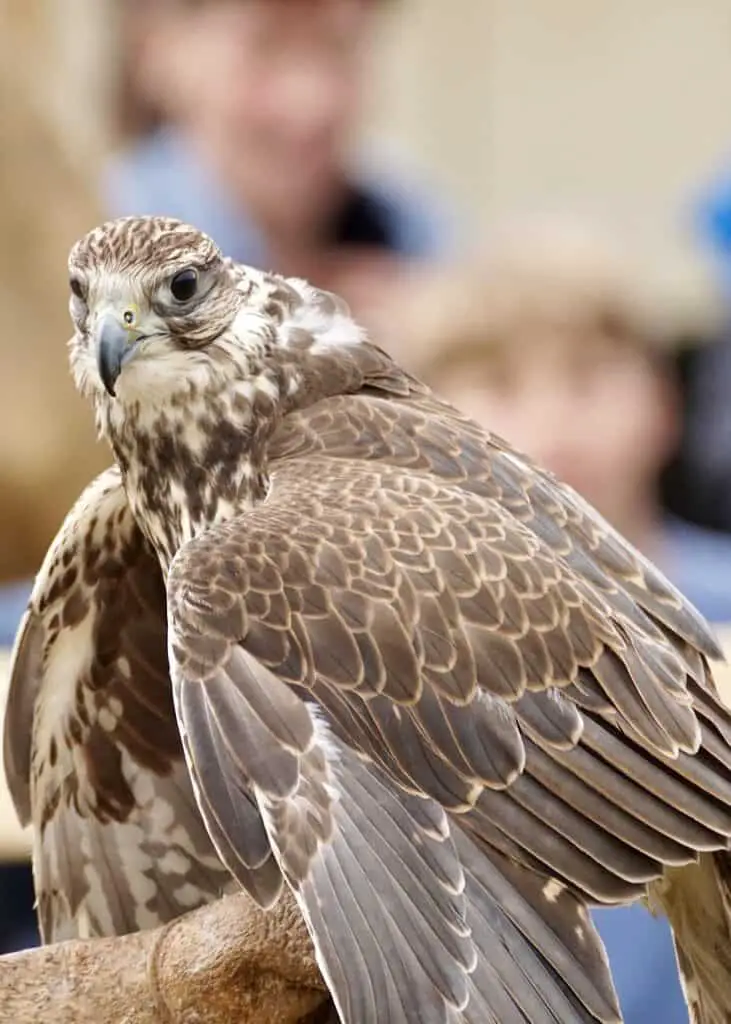
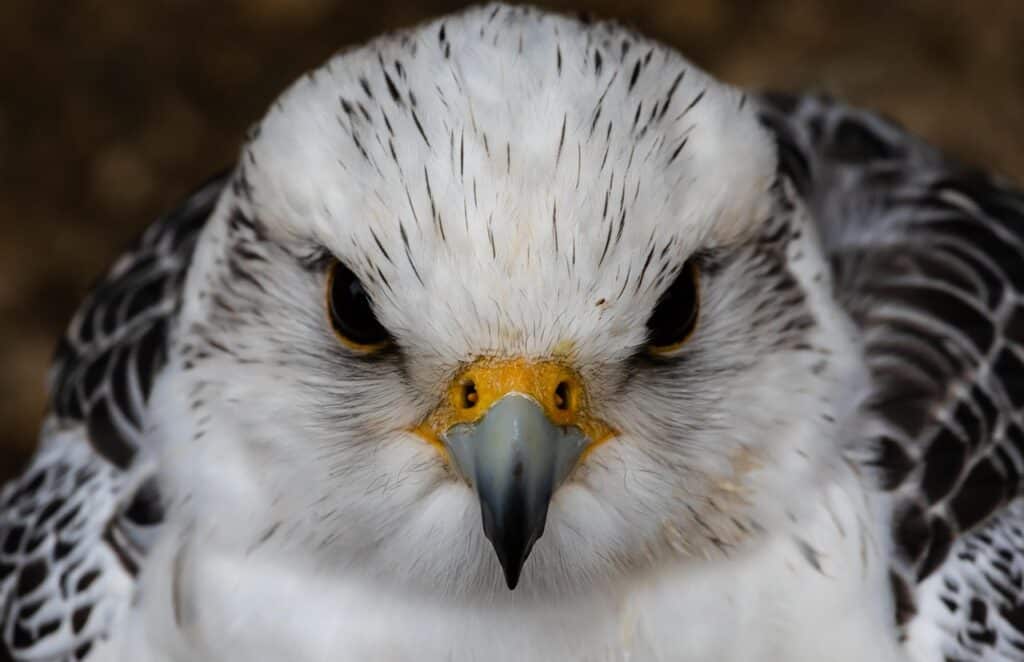
Color: Adults have a pale brown back, streaked underparts, and a creamy white head with a faint mustache mark. Juveniles are darker with heavier streaking.
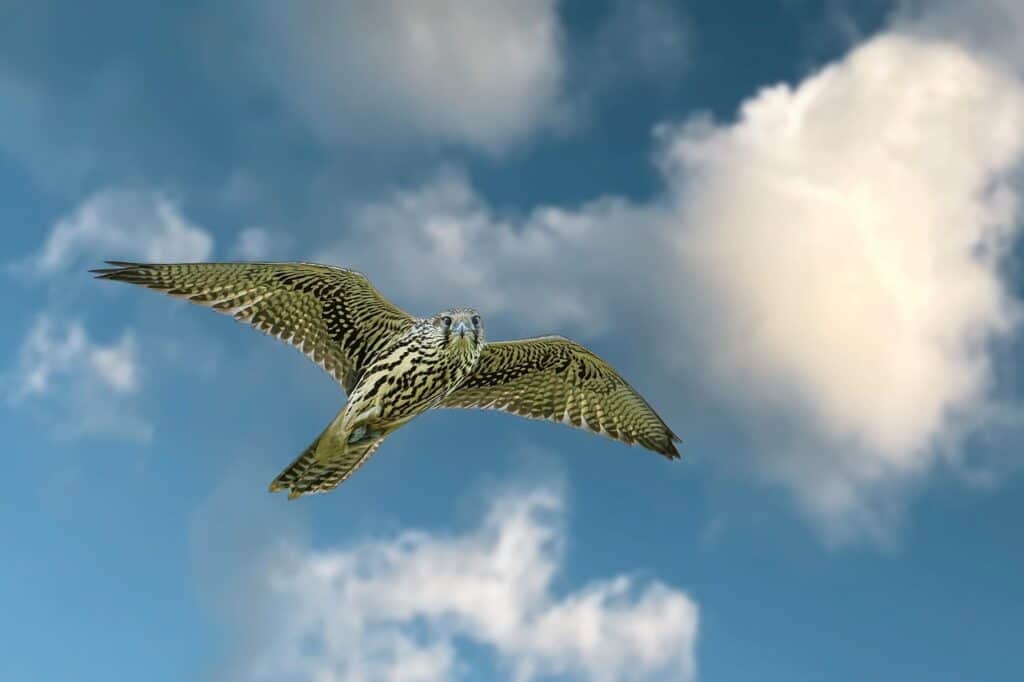
Wingspan: 41 to 51 inches.
Wing Shape: Long and pointed.
Tail Shape: Long and tapered with faint barring.
When you think about falconry, the Saker falcon is one of the most remarkable birds used in the sport. Its rich history intertwines with ancient cultures and is celebrated in various Saker falcon mythology. This majestic bird showcases incredible hunting skills and represents a deep connection between humanity and nature, making it a favorite among falconers.
Biology and Natural History of the Saker Falcon
Let’s explore the saker falcon’s fascinating biology and natural history, starting with its taxonomy and classification. I’m always captivated by its distinct physical characteristics and how it adapts to its native habitat and range. Understanding its social structure and hunting behavior gives us deeper insights into this incredible bird’s life.
Taxonomy and classification
This bird of prey, scientifically known as the saker falcon (Falco cherrug), is a remarkable example within the family Falconidae. In terms of taxonomy, it belongs to the order Falconiformes, which highlights its predatory nature. The classification of the saker falcon showcases its unique adaptations and ecological significance, making it a fascinating subject for ornithologists and falconers alike.
Native habitat and range
Saker falcons habitat preferences include open plains, steppes, and mountainous regions. Geographically, they span across parts of Europe, Asia, and the Middle East, showcasing their adaptability. It’s fascinating to see how they flourish in such varied environments.
Social Structure of the Saker Falcon
The Saker Falcon (Falco cherrug) is primarily a solitary bird, especially outside of the breeding season. Unlike some raptors that form communal roosts or hunting groups, Saker Falcons maintain an independent lifestyle, relying on their agility and speed to hunt effectively.

During the breeding season, however, Saker Falcons form monogamous pairs, with both the male and female playing crucial roles in nest defense and chick rearing. They do not build their own nests but instead use abandoned nests of other large birds, such as ravens or eagles. Pairs often return to the same nesting sites year after year, displaying strong site fidelity.
Juvenile Saker Falcons remain with their parents for several weeks after fledging, gradually learning to hunt before becoming independent. Once they reach maturity, they disperse and establish their own territories, often traveling long distances in search of suitable hunting grounds.
While primarily territorial, Saker Falcons can tolerate others in areas with abundant prey. Loose aggregations may form in regions with high food availability, though direct social interactions remain minimal outside of mating and parental care.
Lifespan and Health of Saker Falcon
When it comes to the lifespan and health of the Saker falcon, there are fascinating differences between those in the wild and those in captivity. I’ve seen how common diseases can impact these birds, and I’m always on the lookout for signs of illness that require veterinary care. Understanding these aspects is crucial for anyone passionate about falconry and dedicated to the well-being of their birds.
Lifespan in the wild vs. captivity
Understanding the lifespan of the Saker falcon reveals striking contrasts between its existence in the wild and in captivity. In the wild, its lifespan typically ranges from 10 to 15 years, influenced by environmental challenges. In contrast, when cared for in captivity, it can live up to 25 years or more, benefiting from optimal nutrition and veterinary care.
Common diseases and health concerns faced by Goshawk
Saker falcons’ health can be significantly impacted by a range of common diseases and health concerns, much like that of their relatives, the Goshawks. I’ve seen common viral infections, bacterial infections, and parasitic infestations take their toll. To ensure their well-being in captivity, it’s crucial to maintain vaccination protocols, address nutritional deficiencies, and prioritize routine examinations for injury prevention.
Signs of illness and veterinary care
Recognizing the signs of illness in a Saker falcon is essential for ensuring their longevity and health. Common illness symptoms include lethargy, changes in appetite, and abnormal droppings. Regular veterinary checkups can help detect potential problems early. Here’s a quick reference table to monitor your falcon’s health:
| Symptom | Possible Cause | Action Needed |
| Lethargy | Illness or stress | Consult a vet |
| Loss of appetite | Infection or pain | Veterinary checkup |
| Abnormal droppings | Digestive issues | Immediate veterinary care |
| Feather plucking | Stress or illness | Behavioral assessment |
| Weight loss | Malnutrition or disease | Nutritional evaluation |

Diet of the Saker Falcon
The Saker Falcon (Falco cherrug) is a powerful bird of prey with a diet primarily composed of small to medium-sized vertebrates. As an opportunistic hunter, it adapts its feeding habits based on prey availability and seasonal changes. Understanding its dietary needs at different life stages is crucial for proper care in captivity and conservation efforts.
Natural Diet of the Saker Falcon
In the wild, Saker Falcons primarily hunt in open grasslands, deserts, and steppes, targeting a variety of prey:
- Birds – Pigeons, partridges, sandgrouse, and small passerines
- Mammals – Ground squirrels, voles, gerbils, and small hares
- Reptiles – Occasionally lizards or small snakes
- Insects – Large beetles and grasshoppers (mainly for young falcons)
They are powerful hunters who use high-speed chases and aerial pursuits to catch their prey, often hunting low over the ground to surprise their target.
Captive Diet & Nutritional Needs
In captivity, Saker Falcons are fed a carefully controlled diet to mimic their natural food sources while ensuring optimal health. The following prey items are commonly provided:
- Quail, pigeon, or day-old chicks (primary protein source)
- Mice or rats (for additional variety)
- Vitamin and calcium supplements (if needed) to ensure proper bone and feather development
Feeding Schedule & Techniques for Different Life Stages
The feeding schedule of a Saker Falcon varies based on its age, growth rate, and energy needs. Below is a breakdown of their dietary requirements throughout the three key life stages.
1. Chick Stage (0-4 Weeks Old)
Newly hatched Saker Falcons require frequent feeding to support rapid growth. At this stage, food should be soft, easily digestible, and free of large bones.
| Age | Food Type | Feeding Frequency | Feeding Method |
| 0-7 days | Finely minced quail, mice, or chicks (no bones) | 6-8 times a day | Hand-fed with tweezers |
| 1-3 weeks | Small strips of soft meat with occasional bone pieces | 4-6 times a day | Hand-fed, encouraging small bites |
| 3-4 weeks | Larger portions of whole prey (chopped) | 3-5 times a day | Encouraged to pick at food independently |
2. Juvenile Stage (1-4 Months Old)
As Saker Falcons grow, they begin developing hunting skills and require whole prey to strengthen their beak, muscles, and digestive system.
| Age | Food Type | Age Food Type Feeding Frequency Feeding Method | Feeding Method |
| 1-2 months | Whole quail, rodents, chicks (fur and feathers introduced) | 2-3 times a day | Encouraged to tear food independently |
| 3-4 months | Whole prey (pigeons, quail, rabbits) | 2 times a day | Placed in the enclosure to simulate hunting |
3. Adult Stage (4+ Months Old)
At adulthood, Saker Falcons require a consistent diet of whole prey to maintain peak physical condition. Diet adjustments may be necessary depending on activity level, breeding season, or falconry use
| Condition | Dietary Adjustments |
| Active/hunting | Higher portions of lean meat to sustain energy |
| Breeding season | Increased calcium and vitamin-rich foods |
| Molting season | A more diverse diet with high-quality proteins to support feather growth |
Nutritional Supplements for Saker Falcons
Saker Falcons rely on whole prey for balanced nutrition in both the wild and captivity. However, certain supplements may be required in managed care to maintain optimal health, particularly when feeding commercially bred prey, which can lack essential nutrients.
Key Supplements & Their Benefits
| Supplement | Purpose | How to Administer |
| Calcium & Vitamin D3 | Supports bone strength, especially for growing chicks and breeding females | Dust over food or provide calcium-rich prey. |
| Taurine | Essential for eye and heart health, particularly in captive-fed diets lacking fresh meat | Included in specialized raptor supplements |
| B-complex Vitamins | boost metabolism, energy production, and nervous system health | Added to drinking water or sprinkled on food. |
| Omega-3 & Omega-6 Fatty Acids | Improve feather condition and brain function | Found in fish-based supplements or fed through fish oil capsules. |
| Probiotics | Supports digestive health and prevent gut imbalances | Given as a powder mixed into food. |
| Electrolytes | Prevent dehydration and support recovery during stress or illness | Mixed into drinking water. |
When to Provide Supplements
- Chicks & Juveniles – Extra calcium and vitamins ensure strong skeletal development.
- Breeding Falcons – Increased calcium and fatty acids support egg production and chick growth.
- Falcons in Training or Flight – Additional energy-boosting vitamins help sustain endurance.
- During Molting – Omega-3 fatty acids aid in the growth of strong, healthy feathers.
Additional Feeding Tips
- Hydration – Fresh water should always be available, as Saker Falcons may drink more in hot climates.
- Nutritional Balance – A varied diet prevents deficiencies; avoid overfeeding fatty meats.
- Training Considerations – For falconry, food portions may be adjusted to maintain the ideal weight for flight performance.
- Monitoring Health – Weight, feather condition, and activity levels should be observed to prevent malnutrition or obesity.
Saker Falcons can maintain their strength, agility, and overall health by ensuring a well-balanced diet and proper supplementation at every stage of life.
Supplements
| Supplement | Dosage | Frequency | Purpose |
| Calcium Powder | 500 mg per kg body weight | Once daily | Supports bone health and strength |
| Vitamin A | 1,500 IU | Twice weekly | Aids in vision and immune health |
| Vitamin E | 100 IU | Once weekly | Enhances muscle strength and repair |
| Electrolyte | Mix 1 teaspoon in water | Daily | Maintains hydration and balances electrolytes |
| Prebiotics | 1 gram | Once weekly | Improves gut health and digestion |
Note: Consult an avian specialist for precise dosage recommendations tailored to the individual health and dietary needs of a saker falcon.
Weight management and its role in training
Effective weight management is crucial for training a Saker Falcon, as it directly impacts the bird’s performance and overall health. I’ve learned that monitoring weight fluctuations helps maintain optimal fitness and enhances training efficiency. Keeping my falcon at the right weight ensures it’s agile and responsive, allowing us to achieve our training goals and build a strong bond.
Care and Maintenance
When it comes to caring for a Saker Falcon, creating the right environment is crucial. I always ensure their housing includes well-maintained mews, weathering yards, and appropriate perches and baths to promote their well-being. Regular health checks and attention to their beaks and talons help prevent stress and aggression, making for a healthier bird.

Housing: Mews and weathering yards
Creating the right housing for your Saker Falcon is crucial to its well-being and successful training. A well-planned mews design and weathering yard can make all the difference. Here’s a quick overview:
| Feature | Importance |
| Space | Allows for movement |
| Ventilation | Keeps the environment fresh |
| Security | Protects from predators |
| Temperature Control | Maintains a comfortable climate |
| Cleanliness | Reduces disease risk |
Perches, baths, and environmental enrichment
Providing appropriate perches, baths, and environmental enrichment is essential to ensure your Saker Falcon thrives. I recommend using various perch types, like natural wood and padded surfaces, to support their feet and promote comfort. Regular baths offer hydration and help keep their feathers in top condition, enhancing their overall health. Incorporating toys and climbing structures keeps their minds stimulated and engaged.
Routine health checks and beak/talon maintenance
While regular health checks may seem tedious, they’re crucial for ensuring your Saker Falcon remains in peak condition. I always inspect the beak for any signs of overgrowth or abnormalities, as proper beak maintenance is vital. Additionally, I focus on talon care, checking for splits or cracks. These routine checks promote health and enhance your falcon’s performance in the field.
Preventing stress and aggression in captivity
Since a Saker Falcon’s well-being hinges on its environment, preventing stress and aggression in captivity is essential for fostering a harmonious relationship between you and your bird. Effective stress management and aggression reduction strategies include:
| Environment | Diet | Interaction |
| Spacious aviary | Fresh meat | Daily handling |
| Natural light | Supplements | Training sessions |
| Quiet areas | Water access | Socialization |
| Enrichment toys | Variety | Calm presence |
| Routine | Nutritional balance | Respect boundaries |
Training and Handling
Training a Saker Falcon is an exhilarating journey that begins with manning, where I build trust and establish a bond. I’ve learned that effective weight control and the right equipment are crucial for successful training techniques. As I prepare for free-flying and hunting, I can’t help but feel the thrill of watching my falcon soar.
Manning (initial taming process)
When I first approached the Saker Falcon for manning, I knew the initial taming process would be crucial for establishing trust and a strong bond. Using effective manning techniques, I focused on gentle interactions, allowing the falcon to acclimate to my presence. This careful approach fostered initial bonding, laying the foundation for our future training and partnership in falconry.
Equipment training
When training a Saker falcon, the right equipment is essential for both safety and effective handling. I’ve found that jesses, leashes, perches, hoods, and telemetry devices enhance my bond with the bird and ensure its well-being during training sessions. Let’s explore how each piece plays a vital role in successful falconry.
Jesses
Jesses are essential tools in falconry, serving as the primary means of tethering a bird to its perch or handler. I love choosing jesses made from durable materials like leather or nylon, available in various types, sizes, and colors. Proper maintenance ensures their longevity, while the benefits include improved control and safety for my Saker Falcon during training sessions.
Leashes
Alongside jesses, leashes play a vital role in the training and handling of my Saker falcon. I use various leash types, such as braided nylon or leather, ensuring durability and comfort. The right leash materials provide security and allow me to maintain control during training sessions. Choosing the best leash is essential for building trust and enhancing our bond.
Perches
A sturdy perch is crucial for the training and handling of my Saker falcon. I prefer natural wood perches for their grip and comfort, while also using padded options to prevent foot fatigue. Different perch types, like block or T-perches, serve unique purposes in my training routine. Choosing the right perch materials ensures my falcon’s health and enhances our bond during sessions.
Hoods
While training my Saker falcon, I’ve found that using a properly fitted hood is essential for managing its focus and behavior. I prefer leather hoods for their durability, but synthetic options are also available. Hood fitting is crucial; it shouldn’t be too tight or loose. Regular hood care keeps it in top shape. Incorporating different hood types during hood training enhances my falcon’s adaptability and comfort.
Telemetry
In my experience, reliable telemetry is a game-changer for training and handling a Saker Falcon. I can ensure their safety and improve our training sessions with the right tracking devices. Here are three key benefits I’ve noticed:
1. Enhanced location accuracy
2. Optimal signal frequency for real-time tracking
3. Increased confidence during flights
Weight control for training effectiveness
Controlling a Saker Falcon’s weight is crucial for effective training and handling. I monitor weight fluctuations closely to adjust training schedules and feeding strategies. By implementing conditioning exercises, I ensure my falcon remains fit and responsive. Regular weight monitoring helps me fine-tune these elements, optimizing performance and enhancing our bond. This meticulous approach fosters a thriving partnership between us during training sessions.
Training techniques
When training a Saker falcon, I’ve found that techniques like creance flying, recall training, and lure training are essential for developing a strong bond and reliable performance. Each method has its unique benefits, allowing the falcon to build confidence and trust in me as its handler. Let’s explore how these techniques can enhance our training experience together.
Creance flying
As I begin the process of creance flying with a Saker Falcon, I find it essential to understand the importance of this training technique in developing the bird’s flight skills and bond with me. The creance flying benefits are clear:
1. Enhances flight control
2. Builds trust between us
3. Improves overall fitness

Recall training
While establishing a reliable recall is crucial for the success of my training with a Saker Falcon, I approach this process with both precision and patience. I employ various recall techniques during my training sessions, focusing on consistency and positive reinforcement. Each session builds trust, ensuring my falcon responds promptly. This bond enhances our communication, making recall effortless and enjoyable for both of us.
Lure training
Lure training is an essential technique that deepens the connection between me and my Saker Falcon, enhancing both our skills and our bond. The right lure design makes all the difference. Here’s how I approach it:
1. Choose a durable lure that mimics prey.
2. Use consistent training techniques for familiarity.
3. Reward with treats to reinforce positive behavior.
Free-flying and hunting preparation
Preparing a Saker Falcon for free-flying and hunting requires a blend of patience and skill, as each bird has its unique temperament and needs. I focus on mastering free-flying techniques while developing effective hunting strategies tailored to my falcon. Building trust through consistent handling and rewarding performance ensures my bird is confident and ready for the thrill of the hunt.
Legal and Ethical Considerations
As I delve into the world of falconry, it’s crucial to understand the legal and ethical landscape surrounding this ancient practice. Here are three key considerations:
1. Regulatory compliance is essential, involving permits from U.S. Fish & Wildlife and state regulations.
2. Ethical sourcing means obtaining birds responsibly.
3. Conservation efforts must guide our hunting practices for sustainability.
Hunting with a saker falcon
When I think about hunting with a Saker Falcon, I can’t help but feel the thrill of the chase and the focus it demands. These remarkable birds have different ideal prey species, but understanding their preferences is crucial for a successful hunt. Let’s explore effective hunting techniques that elevate the experience and enhance our connection with these magnificent raptors.
List of Ideal prey species for hunting with Saker falcon
While I’ve often marveled at the Saker falcon’s impressive hunting prowess, choosing the right prey species can significantly enhance the experience. Here are three ideal prey that align perfectly with effective hunting strategies:
1. Hares
2. Pigeons
3. Partridges
These options not only challenge the Saker but also showcase its remarkable agility and precision, making every hunt an exhilarating adventure.
Hunting techniques
Hunting with a goshawk is a thrilling experience that demands both skill and intuition. I’ve learned that effective hunting strategies involve understanding the bird’s instincts and using precise hunting techniques. Goshawks excel in surprise attacks from above, so I position myself strategically. Observing the terrain and adjusting my approach leads to successful hunts, showcasing the perfect partnership between falconer and bird.
Breeding Overview of the Saker Falcon
Breeding Saker Falcons is a complex process that requires careful planning, proper environmental conditions, and a deep understanding of their natural reproductive behaviors. In the wild, these falcons form monogamous pairs, returning to the same nesting sites each year. Successful breeding in captivity demands close attention to factors such as mate selection, nesting conditions, and chick rearing.
Mating and Courtship Behavior
Saker Falcons engage in elaborate courtship displays, including aerial chases and food exchanges. Males often prey on females as part of bonding. Once paired, they remain together for the breeding season, working cooperatively to protect their nesting site and offspring.
Nesting and Egg-Laying
Unlike some birds of prey, Saker Falcons do not build their own nests. Instead, they rely on abandoned nests of large birds like ravens or eagles, as well as cliffs or artificial nesting platforms. The female lays 2 to 5 eggs, which she incubates for approximately 30-35 days while the male provides food.
Chick Development and Parental Care
Once hatched, chicks are entirely dependent on their parents for food and protection. Both the male and female take turns feeding the young, tearing prey into small pieces. By 45-50 days of age, the fledglings begin to test their wings, gradually gaining independence over the next few weeks.
Challenges in Captive Breeding
Breeding Saker Falcons in captivity presents several challenges, including mate compatibility, artificial incubation, and ensuring genetic diversity. Conservation efforts focus on maintaining healthy populations and reintroducing birds into the wild where necessary. Proper nutrition, veterinary care, and minimal human interference help ensure successful breeding and chick survival.
Understanding the breeding cycle of the Saker Falcon is essential for conservationists and falconers alike. Whether in the wild or captivity, ensuring the survival of these magnificent birds requires careful management and respect for their natural instincts.
Advantages and Challenges of Saker falcon in falconry
I’m struck by their impressive hunting skills and adaptability when I think about using Saker falcons in falconry. However, there are challenges to consider, like their specific care requirements and temperament. Let’s explore both the advantages and the hurdles of working with these magnificent birds.
Pros:
- Highly skilled hunters, perfect for improving falconry techniques.
- Adaptable to different environments and conditions.
- Form strong, trusting bonds with their handlers.
- A unique combination of agility and strength.
- Prized choice for serious falconers.
Cons
- High energy levels require significant time and effort.
- Need for extensive and consistent training.
- Limited adaptability to different environments.
Conclusion
In conclusion, the saker falcon is a remarkable bird that truly enriches the art of falconry. Its impressive hunting skills and majestic presence make it a favorite among falconers. However, it’s essential to approach their care and training with respect and responsibility. By understanding their biology, diet, and needs, we can ensure a rewarding experience for both the falcon and ourselves.
Want to take your knowledge of Saker Falcons to the next level? Explore our in-depth guides on falconry training, care techniques, and expert insights to deepen your understanding of these majestic birds. [Discover More Now]!”
Resources
- Slug: saker-falcon-falconry
- Meta Title: Saker Falcon in Falconry: Care, Training & Hunting
- Meta Description: Learn everything about Saker Falcons in falconry! Discover their biology, diet, training techniques, health care, and ethical hunting practices.