The Sharp-shinned Hawk is a remarkable bird of prey, prized in falconry for its incredible agility and stealth. It thrives in various habitats, showcasing unique hunting adaptations that make it excel at ambushing small birds. Understanding its biology, health requirements, and dietary needs is essential for successful training.
With a keen focus on proper care and ethical considerations, this hawk will be an exhilarating partner in the field. There’s so much more to explore about its breeding and hunting techniques.

Introduction
Scientific name: Accipiter striatus
Family: Accipitridae
Diet: Small birds such as sparrows, finches, and warblers; occasionally small mammals, insects, and reptiles.
Lifespan: Approximately 3-5 years in the wild; up to 13 years in captivity (19 years oldest recorded).
Habitat and Range: Forested areas, woodlands, and suburban regions across North America. Found from Canada to Central America, with many migrating south during winter.
Temperament: Quick and agile hunter, highly secretive and elusive, known for its speed and precision.
Size: 9 to 13 inches in length.
Weight: 3 to 8 ounces (85 to 220 g), with females larger than males.
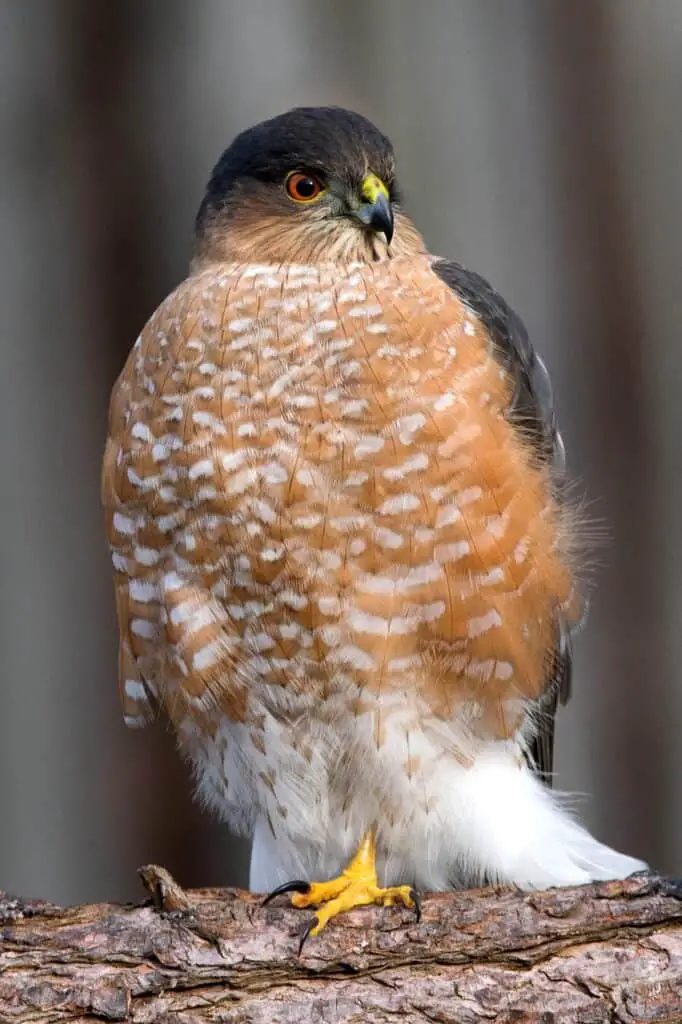
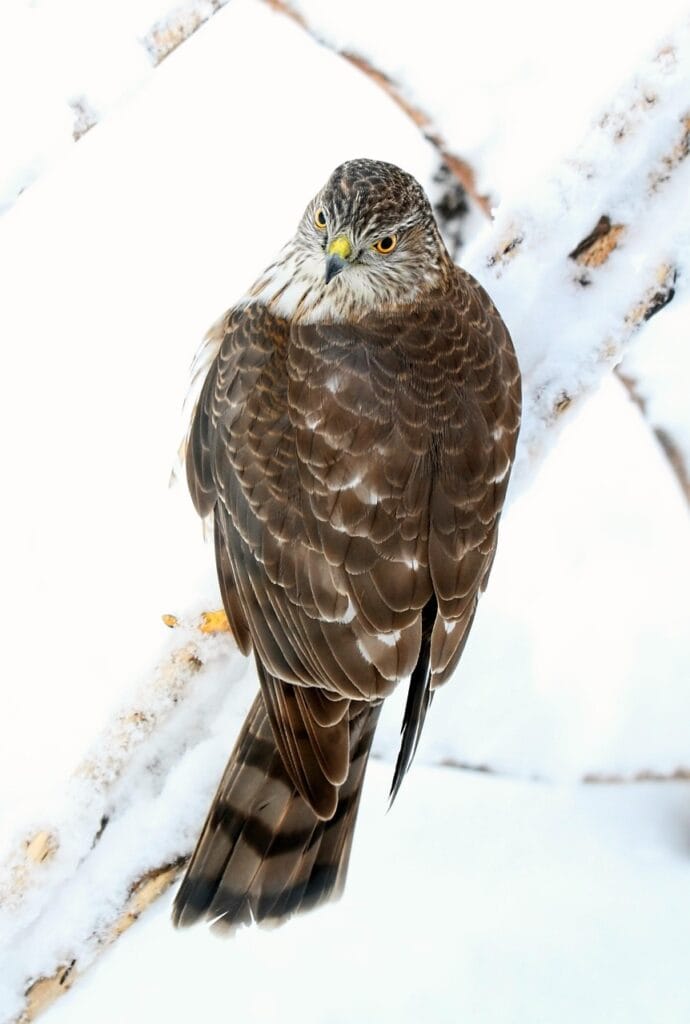
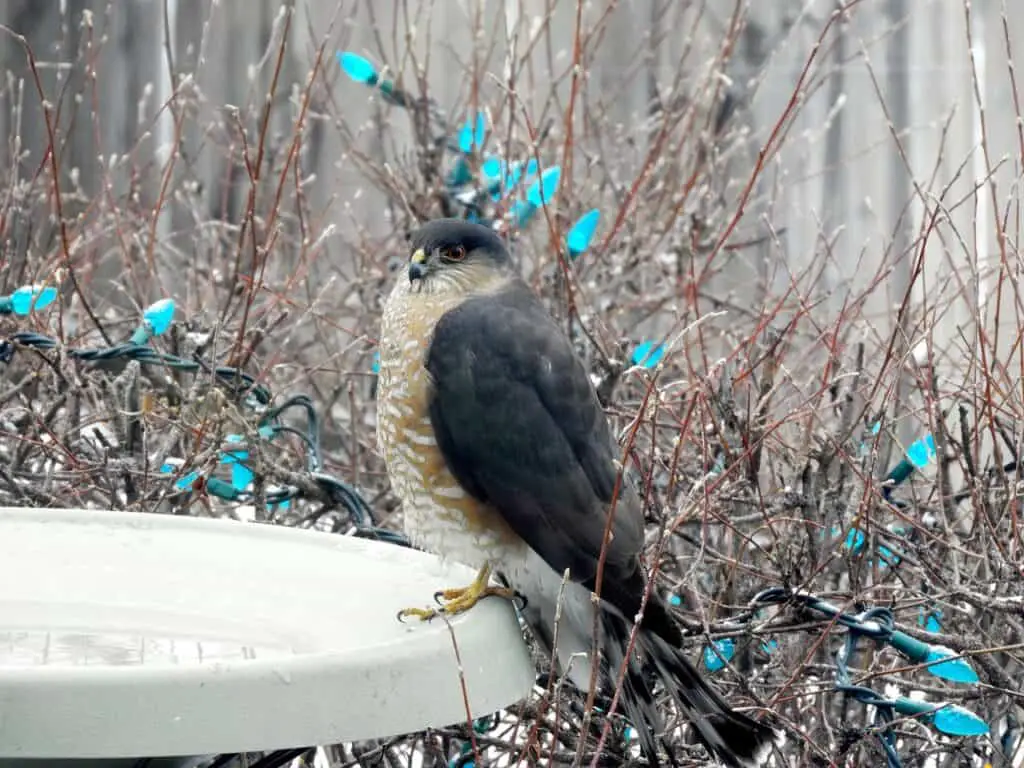
Color: Adults have dark blue-gray backs, reddish barring on the underparts, and a dark cap. Juveniles are brownish with streaked underparts.
Wingspan: 17 to 22 inches.
Wing Shape: Short and rounded.
Tail Shape: Long and squared off or slightly notched, with dark bands.
Biology and Natural History of Sharp-shinned hawk
When I explore the biology and natural history of the sharp-shinned hawk, I find its classification within the Accipiter genus fascinating, showcasing its unique adaptations for hunting. This small yet agile bird thrives in diverse habitats, from dense forests to suburban areas, reflecting its remarkable range across the Americas. Observing their social structure and hunting behavior reveals their keen survival instincts and their exquisite mastery of aerial agility.
Taxonomy and classification
Though often overshadowed by larger raptors, the Sharp-shinned Hawk (Accipiter striatus) holds a significant place in the taxonomy of birds of prey. In the taxonomy hierarchy, it belongs to the family Accipitridae, which includes eagles and kites. Its classification differences stem from evolutionary relationships with its close relatives, like the Cooper’s Hawk.
Understanding subspecies identification is crucial, as distinct variations are adapted to specific habitats. These distinctions highlight the adaptive traits developed over time, emphasizing their ecological roles.
Native habitat and range
The Sharp-shinned Hawk (Accipiter striatus) thrives in a variety of native habitats across the Americas, showcasing its adaptability and ecological significance. I’ve observed this remarkable bird inhabiting forests, woodlands, and even suburban areas, where it skillfully navigates its environment.
Key aspects of its native habitat and range include:
- Widespread presence across North America, Central America, and parts of South America.
- Migratory patterns lead to wintering in warmer regions like Panama.
- Environmental preferences for dense cover are crucial for ambushing prey.
- Seasonal variations in habitat use, shifting between breeding and non-breeding areas.
- Conservation efforts focused on habitat preservation to ensure its continued survival.
Understanding these elements is vital for any falconer to appreciate this incredible species.
Social structure and hunting behavior
In exploring the social structure and hunting behavior of the Sharp-shinned Hawk, it’s fascinating to observe how these raptors interact within their environments. These birds exhibit a loose social hierarchy, often forming small groups during migration or while hunting. Their group dynamics allow them to coordinate hunting strategies effectively, enhancing their success rate.
Typically, males tend to target smaller birds, while females pursue larger prey, a clever division that minimizes competition. They use stealth and agility to ambush their chosen prey from dense cover, showcasing remarkable adaptability. By understanding their prey selection, we can appreciate how sharp-skinned hawks thrive in diverse habitats, illustrating the intricate balance of nature and the impressive skills of these aerial hunters.
Lifespan and Health of Sharp-shinned Hawk
It’s fascinating to compare the lifespan and health of the sharp-shinned hawk in the wild and in captivity. These hawks face specific health challenges, including common diseases that can significantly impact their well-being. Recognizing the signs of illness and ensuring proper veterinary care is crucial for maintaining their health in both natural and controlled environments.

Lifespan in the Wild vs. Captivity
Although sharp-shinned hawks can live varied lifespans in the wild compared to captivity, understanding these differences is crucial for appreciating their health and survival. In the wild, their lifespan averages around 2-4 years, while captive individuals can thrive for 10-13 years.
This wild lifespan comparison sheds light on several key factors:
- Environmental influences like habitat loss and food availability
- Predation risks affecting survival rates
- Captive lifespan factors such as diet and veterinary care
- Stress levels in a controlled environment
- Health impacts related to nutrition and exercise
Common Diseases and Health Concerns Faced by Sharp-shinned Hawk
Like many raptors, sharp-shinned hawks face a range of common diseases and health concerns that can significantly impact their lifespan and overall well-being. Some prevalent health issues include avian pox, parasites, and nutritional deficiencies. Preventive measures such as maintaining a balanced diet, regular health checkups, and proper housing can help mitigate these risks.
| Common Diseases | Health Concerns |
| Avian Pox | Nutritional Deficiencies |
| Coccidiosis | Respiratory Infections |
| Giardia | Feather Mites |
| Aspergillosis | Lead Poisoning |
| Intestinal Parasites | Dehydration |
Veterinary care is crucial for early detection and treatment of these issues, ensuring your sharp-shinned hawk remains healthy and vibrant for years to come.
Signs of illness and veterinary care
Recognizing the signs of illness in a sharp-shinned hawk is crucial for ensuring its health and longevity. I’ve learned that early detection can significantly impact their recovery. Here are some common illness symptoms to watch for:
- Lethargy or decreased activity
- Changes in appetite or weight
- Abnormal droppings or regurgitation
- Feather plucking or abnormal plumage
- Difficulty in flight or balance issues
Regular health monitoring is essential, and I recommend scheduling routine veterinary treatments. Collaborating with an avian vet can aid in disease prevention, ensuring your hawk receives the best care possible. Always be vigilant about your hawk’s behavior; it’s the best way to protect its health and extend its lifespan.
Sharp-Shinned Hawk Diet Across Life Stages
The sharp-shinned hawk diet varies across its three primary life stages: nestling, juvenile, and adult. Below is a breakdown of its feeding habits during each phase.
Nestling Stage (0–4 Weeks)
At the nestling stage, sharp-shinned hawks rely entirely on their parents for food. They consume regurgitated prey or small, easy-to-swallow portions provided by adults. Their diet consists mainly of small birds, insects, and occasional small mammals.
| Prey Type | Percentage of Diet |
| Small birds (e.g., sparrows, finches) | 60% |
| Insects (e.g., grasshoppers, beetles) | 30% |
| Small mammals (e.g., mice, shrews) 10% | 10% |
Juvenile Stage (4 Weeks – 1 Year)
Once fledged, young hawks begin hunting on their own. They practice by catching insects and small birds, gradually refining their hunting skills. They may also scavenge from their parents or other raptors.
| Prey Type | Percentage of Diet |
| Small to medium-sized birds | 70% |
| Insects and other invertebrates | 20% |
| Small rodents (e.g., voles, mice) | 10% |
Adult Stage (1 Year & Older)
Adult sharp-shinned hawks are skilled hunters, primarily preying on small to medium-sized birds. Their diet consists almost entirely of avian prey, with occasional consumption of rodents and insects.
| Prey Type | Percentage of Diet |
| Small to medium-sized birds (e.g., warblers, thrushes) | 90% |
| Small mammals | 5% |
| Large insects (e.g., dragonflies) | 5% |
As opportunistic hunters, sharp-shinned hawks adapt their diet based on seasonal availability. However, birds remain their primary food source throughout all life stages.
Weight management and its role in training
Effective weight management is essential for training sharp-skinned hawks, as their physical condition directly influences their performance, attitude toward training, and behavior. I’ve found that implementing specific weight management techniques is crucial for achieving optimal weight ranges during training.
Here are some effective training weight strategies I follow:
- Monitor daily weight using accurate scales.
- Adjust diet based on activity levels and training goals.
- Gradually decrease the weight to improve agility and responsiveness.
- Schedule regular weigh-ins to track progress.
- Maintain communication with a veterinary expert for tailored guidance.
Dietary Supplements for Sharp-Shinned Hawks
In the wild, sharp-shinned hawks obtain all necessary nutrients from their prey. However, in captivity or rehabilitation settings, dietary supplements may be required to maintain their health and ensure proper development. These supplements help replicate the nutritional benefits of a natural diet.
Key Supplements and Their Benefits
| Supplement | Purpose | How It’s Provided |
| Calcium (e.g., crushed eggshells, bone meal) | Supports strong bone development and eggshell formation in breeding females | Mixed with food or provided as a powder. |
| Taurine (found in fresh meat, especially heart) | Essential for muscle function and vision health | Offered through raw, unprocessed meat (e.g., chicken hearts) |
| Vitamin D3 | Aids calcium absorption and bone strength | Provided through natural sunlight exposure or dietary supplements |
| Omega-3 fatty acids | Support cardiovascular health and feather quality. | They are found in fresh fish or specialized avian supplements. |
For hawks recovering from injury or malnutrition, veterinarians may prescribe specialized diets enriched with these supplements. However, in a well-balanced natural diet, most of these nutrients are naturally obtained through whole prey.
Care and Maintenance
Focusing on housing and environment is crucial when caring for a sharp-shinned hawk, ensuring they have a well-constructed mews and weathering yard. Regular health checks and proper beak and talon maintenance are essential to keep them thriving in captivity. Providing enriching experiences and minimizing stress can foster a balanced and healthy life for these magnificent birds.
Housing: Mews and Weathering Yards
Although maintaining a proper housing environment for sharp-shinned hawks can seem daunting, it’s essential for their well-being and successful training in falconry. The right mews design and weathering yard setup are critical. Here are some key aspects I focus on:
- Durable housing materials: Use weather-resistant woods and secure enclosures.
- Adequate space: Ensure enough room for movement, perching, and flight.
- Environmental considerations: Protect from extreme weather and provide shade.
- Ventilation: Proper airflow is crucial to prevent overheating.
- Safety features: Secure against potential predators and escape routes.
Perches, Baths, and Environmental Enrichment
Proper housing sets the foundation for a sharp-shinned hawk’s care, but the right perches, baths, and environmental enrichment truly enhance their quality of life. I prefer using various perch types, like natural wood and padded options, to accommodate their foot health and comfort. Bath frequency should be regular, ideally two to three times a week, to maintain feather condition and hydration.
Enrichment activities, such as foraging games and flight exercises, stimulate their natural instincts and prevent boredom. Additionally, environmental factors like temperature, humidity, and safety from predators should be considered. By prioritizing these elements, I ensure my hawk thrives physically and mentally, allowing them to express their incredible behaviors and instincts in a secure environment.
Routine Health Checks and Beak/Talon Maintenance
To ensure your sharp-shinned hawk remains healthy, I conduct routine health checks that focus on both physical condition and beak/talon maintenance. These health checkups are essential for identifying potential issues early, allowing for timely interventions. During my assessments, I pay particular attention to:
- Beak alignment and sharpness
- Signs of wear or injury on talons
- Overall weight and body condition
- Feather health and external parasites
- Eye clarity and responsiveness
Regular beak maintenance and talon care are crucial as they directly impact the bird’s hunting efficiency and overall well-being. By staying vigilant with these routine assessments, I can provide the best care for my sharp-shinned hawk, ensuring it thrives in captivity and performs at its best.
Preventing Stress and Aggression in Captivity
Creating an environment that minimizes stress and aggression is crucial for the well-being of my sharp-shinned hawk. I implement effective stress management techniques, such as regular, gentle handling, to build trust and reduce anxiety. I carefully analyze aggression triggers to identify potential stressors, like sudden noises or overcrowding, and adjust the environment accordingly.
Incorporating behavioral enrichment strategies, such as varied perching options and interactive toys, keeps my hawk mentally stimulated and engaged. Additionally, I focus on developing coping mechanisms, allowing my hawk to express natural behaviors safely. Combining these approaches creates a harmonious space where my sharp-shinned hawk can thrive, ensuring it remains healthy and happy in captivity.
Training and Handling
When training a Sharp-shinned Hawk, I focus first on manning, the essential taming process that builds trust. I then introduce equipment training, ensuring the bird is comfortable with the gear it will wear during hunting. Keep in mind that maintaining proper weight control is crucial for effectiveness, as it directly impacts the hawk’s responsiveness and performance in the field.
Manning (initial taming process)
Although the initial taming process, known as manning, can seem daunting, it’s a crucial step in establishing a bond with a Sharp-shinned hawk. This phase focuses on early socialization and requires patience and dedication. Here are effective manning techniques I’ve found useful:
- Frequent handling to build trust.
- Calm environments to reduce stress.
- Consistent feeding routines to encourage reliability.
- Behavioral observation to understand your hawk’s needs.
- Short, positive sessions to keep interactions engaging.
Equipment Training
When it comes to training my sharp-shinned hawk, the right equipment is essential for effective handling and safety. I rely on jesses, leashes, and perches to ensure proper control, while hoods help calm the bird during transport. Additionally, telemetry provides vital tracking information, allowing me to monitor its location during free flights.
Jesses
Jesses are crucial tools in the training and handling of sharp-shinned hawks, enhancing the bond between the falconer and the bird. Understanding jesses materials, construction, types, and maintenance is essential for effective use. Here are key points to consider:
- Materials impact durability
- Construction affects fit
- Types vary for specific needs
- Regular maintenance ensures the safety
- Proper use fosters trust
Leashes
Leashes are essential tools in falconry, providing both safety and control when handling sharp-shinned hawks. Choosing the right leash involves considering leash types, materials, and lengths to suit your hawk’s needs. Effective leash training ensures your bird remains secure while flying.
| Leash Type | Materials | Length |
| Leather | Nylon, Leather | 3-6 feet |
| Cord | Paracord, Rope | 4-10 feet |
| Elastic | Bungee, Stretch | 5-8 feet |
Perches
After ensuring a safe connection with leashes, the next step in handling sharp-shinned hawks is selecting the right perches. Here are key considerations for effective perch choice:
- Perch types: Varied designs to suit different behaviors.
- Perch materials: Durable options for longevity.
- Perch design: Ergonomic shapes to promote comfort.
- Perch maintenance: Regular cleaning to ensure hygiene.
- Perch placement: Positioning for optimal visibility and safety.
Hoods
Hoods are essential tools in the training and handling of sharp-shinned hawks, serving to calm and control these agile hunters during various stages of their development. I’ve found that mastering hood training techniques and using durable materials like leather or synthetic options for comfort is crucial. Following hood fitting guidelines ensures a secure fit, while regular hood care tips keep equipment in top shape for effective training.
Telemetry
Telemetry plays a vital role in the training and handling of sharp-shinned hawks, allowing me to track their movements and behaviors with precision. I can use advanced telemetry tracking methods to overcome signal transmission challenges and enhance my training. Key benefits include:
- Real-time location data
- Improved flight analysis
- Enhanced data collection techniques
- Increased safety during training
- Effective GPS technology applications
Weight Control for Training Effectiveness
When training sharp-shinned hawks, managing their weight is crucial for ensuring both their effectiveness and well-being. I use weight monitoring techniques to closely track their body condition, adjusting their diet and training sessions. By maintaining a consistent training session frequency, I can help mitigate behavioral weight fluctuations, which can impact their performance.
It’s essential to note that seasonal weight adjustments are necessary, as these birds may require different caloric intake depending on their activity level and environmental conditions. Keeping their weight within an optimal range enhances their training responsiveness and promotes their overall health, ensuring they remain agile and focused during our training exercises.
Training techniques
I’ve found that mastering techniques like creance flying, recall, and lure training are essential for developing a strong bond and effective handling when training a Sharp-shinned hawk. Each method enhances their hunting skills and reinforces trust between us.
Implementing these techniques creates a harmonious training environment that respects the hawk’s natural instincts while ensuring safety and control.
Creance Flying
Creance flying is a vital technique in the training of Sharp-shinned hawks, allowing handlers to establish a reliable connection with their birds while promoting their hunting instincts.
Here are some key aspects to consider:
- Creance flying techniques enhance focus.
- Creance flying benefits boost confidence.
- Creance flying challenges require patience.
- Creance flying equipment is essential.
- Consistent practice is crucial.
This method combines precision and passion, ensuring effective training.
Recall Training
Although recall training might seem straightforward, it’s critical to effectively managing and handling Sharp-shinned hawks. I employ various recall methods to ensure my hawk understands the expected behavioral cues.
By establishing a clear training progression and utilizing effective reinforcement techniques, I reinforce positive responses, fostering a reliable recall that enhances both safety and the bond between us during fieldwork.
Lure Training
Lure training plays a vital role in developing a Sharp-shinned hawk’s hunting skills and enhancing our communication during fieldwork. I focus on:
- Selecting appropriate lure types
- Utilizing various lure materials
- Implementing effective training methods
- Evaluating lure effectiveness
- Reinforcing success through positive reinforcement
These elements ensure that my hawk becomes proficient, responsive, and ready for the challenges of the field.
Free-flying and Hunting Preparation
How do you prepare for the exhilarating experience of free-flying a Sharp-shinned Hawk? First, I focus on mastering free-flying techniques, ensuring my hawk is comfortable soaring through the air. I use a mix of falconry equipment, like a well-fitted hood and jesses, to keep my bird secure yet agile. The key is to build trust; my hawk needs to know I’m the source of its rewards.
Next, I hone in on effective hunting strategies. This involves understanding the bird’s prey preferences and behavior while adapting my approach based on the environment. Each session presents its own training challenges, from navigating dense foliage to anticipating the hawk’s reactions.
Legal and Ethical Considerations
When engaging in the practice of falconry with a Sharp-shinned Hawk, it’s crucial to navigate the legal and ethical landscape surrounding this ancient sport. Understanding the legal frameworks is essential to ensure compliance and promote wildlife preservation. I find adhering to ethical hunting practices that reflect our responsibility as falconers is vital. Here are some key considerations:
- Familiarize yourself with local regulations governing falconry.
- Visit the US Fish and Wildlife website to gain more clarity
- Ensure your methods align with ethical hunting standards.
- Participate in conservation efforts to protect habitats.
- Keep abreast of wildlife preservation initiatives.
- Advocate for sustainable practices within the falconry community.
Hunting with a Sharp-shinned hawk
When hunting with a Sharp-shinned hawk, I’ve found that choosing the right prey species is crucial for success. These agile hunters excel at capturing small birds, particularly songbirds like sparrows and warblers, using their impressive speed and stealth. By employing techniques such as ambush from dense cover, I can maximize the effectiveness of my hawk’s natural instincts and hunting abilities.
List of Ideal Prey Species for Hunting with Sharp-shinned Hawk
Although the Sharp-shinned hawk is known for its agility and hunting prowess, selecting the right prey species is crucial for successful falconry. Understanding prey selection strategies is key to enhancing hunting efficiency metrics. I’ve found that seasonal prey variations and prey species adaptations can significantly impact our hunting outcomes.
Here’s a list of ideal prey species that I focus on:
- Small songbirds (e.g., sparrows, warblers)
- House finches
- Juncos
- Chickadees
- Starlings
These species not only align well with the Sharp-shinned hawk’s hunting style but also allow for effective training and development of hunting techniques. By honing in on these options, I maximize my chances of a successful and rewarding hunting experience.
Hunting Techniques
Hunting with a Sharp-shinned hawk requires a keen understanding of its unique techniques. These agile birds excel in navigating dense vegetation to capture their prey. I’ve observed their impressive hunting strategies, which rely on swift flight patterns, allowing them to dart through trees with remarkable precision. They often utilize ambush techniques, perching silently to surprise unsuspecting songbirds.
Their prey selection is equally fascinating; males tend to target smaller birds, while females go for larger ones, optimizing their hunting success. Watching a Sharp-shinned hawk in action is a thrill, as it showcases its exceptional adaptability and skill in the field, making each hunting expedition a showcase of natural prowess and instinct.
Breeding sharp-shinned hawks
Breeding sharp-shinned hawks is a fascinating process that reveals their unique nesting habits and parental roles. I’ve observed how these hawks choose dense trees for their nests, typically during the late spring and summer months, ensuring their young are well-protected. Understanding their diet during this critical time is essential, as it directly impacts the health and survival of their chicks.
Nesting Habits and Locations
When it comes to nesting, sharp-shinned hawks exhibit a fascinating blend of secrecy and adaptability in their choice of locations. They typically select dense coniferous or deciduous trees, ensuring protection from larger raptors. The nesting process involves careful material selection and the establishment of a secure site.
Key aspects of their nesting habits include:
- Nesting materials: Twigs, leaves, and grasses.
- Nest site selection: Hidden locations to deter predators.
- Parental roles: Females incubate, while males provide food.
- Fledging process: Young typically fledge around one month old.
- Post-fledging care: Parents continue to support fledglings for several weeks.
Breeding Season Overview
Nesting habits set the stage for sharp-shinned hawks’ breeding season, which unfolds in the heart of North America from late spring to early summer. I observe their intricate breeding behaviors during this time as males and females engage in elaborate courtship displays. Their nesting preferences lean towards large conifers or dense deciduous trees, which provide safety from predators.
Once the female lays a clutch of 4 to 5 eggs, the critical phase of egg incubation begins, lasting about 30 days. Throughout this period, the female primarily incubates the eggs, while the male actively contributes by bringing food. This strong parental involvement ensures the young’s survival, highlighting the hawks’ dedication to their offspring.
Parental Care Responsibilities
Though the breeding season is a critical time for sharp-shinned hawks, their parental care responsibilities extend beyond mere incubation of the eggs. Parental involvement plays a pivotal role in ensuring successful chick development. Both parents work together to protect the nest and nurture their young. Here are some key aspects of their responsibilities:
- Nest protection: They vigilantly guard against predators.
- Feeding strategies: The male primarily provides food, targeting small birds.
- Brooding: The female incubates the eggs and keeps chicks warm post-hatching.
- Teaching: Parents help young hawks learn to hunt as they grow.
- Fostering independence: They encourage fledging while still offering support.
Diet during breeding
Successful chick development hinges on parental care and a well-balanced diet during the breeding season. Sharp-shinned hawks’ breeding diet primarily consists of small birds serving as essential nesting food.
During this critical time, I observe the male engaging in parental feeding, capturing prey and delivering it to the female and chicks, ensuring the young receive optimal nutrition.
The nutritional needs of the young are paramount, as they require a protein-rich diet to support their rapid growth. Without this focus on young nutrition, the fledglings may struggle to thrive.
Advantages and Challenges of Sharp-shinned hawk in falconry
When I consider the sharp-shinned hawk in falconry, I see both remarkable benefits and significant challenges. Their agility and keen hunting skills make them exceptional partners for capturing small birds, but their small size can limit the range of prey they can effectively pursue. Understanding these dynamics is crucial for anyone looking to integrate this fascinating hawk into their falconry repertoire.
Pros:
As I delve into the advantages of using Sharp-shinned hawks in falconry, it’s clear that their agility and hunting prowess make them exceptional companions for falconers. Their adaptations allow them to navigate dense vegetation effortlessly, making them effective hunters.
Here are some key pros:
- Exceptional agility in flight
- Effective predation strategies targeting small birds
- Ability to thrive in varied habitats
- Insightful migratory patterns for seasonal training
- Strong bonding potential with trainers
Cons of Working with a Sharp-shinned Hawk in Falconry:
- Challenging to Train:
- Unpredictable Behavior:
- High Space Requirements:
- Limited Prey Options:
- Susceptibility to Stress:
- Difficult to Source:
- High Maintenance:
Conclusion
In conclusion, the Sharp-shinned Hawk is a remarkable bird of prey and a loyal companion, offering a unique falconry experience. By understanding its biology, diet, and training needs, you can forge a strong bond while honing your skills as a falconer.
Embrace the challenges and joys this agile raptor brings, and you’ll find that the rewards of working with a Sharp-shinned Hawk are truly unparalleled. Your journey with this extraordinary bird will be both enriching and fulfilling.
Dive Deeper into the World of Sharp-shinned Hawks
Are you fascinated by the agility and hunting prowess of Sharp-shinned Hawks? There’s so much more to discover about these remarkable birds of prey. Expand your knowledge and explore the intricate details of falconry with these majestic raptors.