

Hello, my fellow aficionados of falconry! Swainson’s Hawks are one of my all-time favorite birds for this honorable sport, and I’d want to introduce them to you today. Few birds are better suited to the art of hunting than Swainson’s, I can guarantee you as a skilled falconer and admirer of these gorgeous animals.
Swainson’s hawks are popular birds for falconry due to their impressive hunting skills and friendly personality. They have excellent vision and can spot prey from far away, along with superb speed and agility, making them excellent hunters. Their docility makes them easy to train, and they quickly bond with their handlers.
When it comes to falconry, selecting the right bird is crucial for success. And let me tell you, Swainson’s hawks offer a unique set of characteristics that make them stand out from other raptors. Not only are they versatile hunters with impressive speed and agility, but their docile temperament makes them ideal candidates for training and handling by novice or seasoned falconers alike. In this article, we’ll explore why Swainson’s hawks are such great companions in the world of falconry and what makes them so special among our feathered friends. So sit back, grab your tea (or coffee), and let’s dive into the exciting world of Swainson’s hawk falconry!
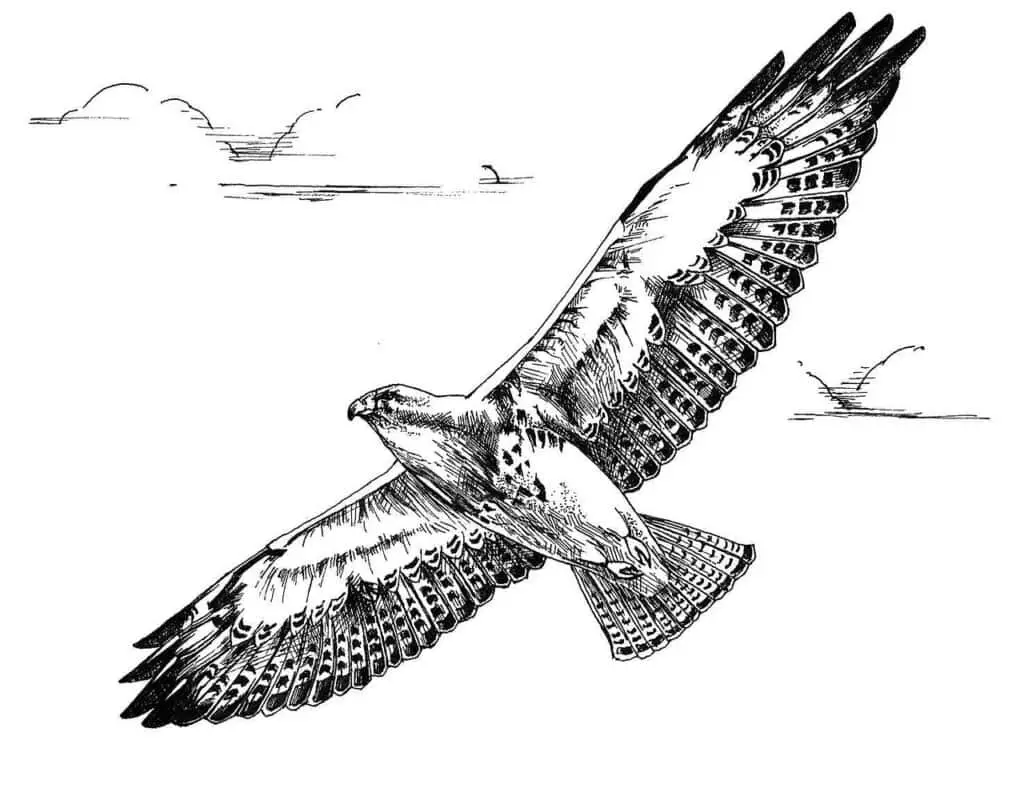
The Pros Of Keeping A Swainson’s For Falconry
I’ve learned as a seasoned falconer that having a Swainson’s hawk for falconry has several benefits. First and foremost, this species is well known for its outstanding hunting prowess and capacity for adaptation in the environment. They can take down prey of all sizes, from small rodents to larger game birds like pheasants or even jackrabbits.
The nature of Swainson’s hawks is another asset because it lends itself to teaching and handling. These hawks are very patient and peaceful, so training them doesn’t take a lot of work on your part. This lessens the stress that the training process places on both you and your bird.
Additionally, having a Swainson’s hawk as a pet enables you to establish an incomparable connection with nature. The sight of these magnificent birds gracefully gliding through the air while searching for their next prey is truly awe-inspiring. This humbling encounter will make you feel linked to something beyond yourself.
Lastly, by keeping a Swainson’s hawk for falconry, you become part of a community of individuals who share the same passion and respect for these magnificent animals. The knowledge and experiences gained within this community are invaluable and contribute greatly to personal growth as well as overall success in falconry.
The Cons Of Keeping A Swainson’s For Falconry
As much as I love Swainson’s hawks, it would be remiss of me not to mention the cons of keeping one for falconry. First and foremost, these birds are notoriously difficult to train. Unlike other falcons that can be trained within a year or two, Swainson’s hawks take significantly longer due to their independent nature. It takes patience, time, and an unwavering commitment before you can even begin training them.
Another con of having a Swainson’s hawk is the cost. These birds require special care and attention, which means you need specialized equipment such as jesses and telemetry systems. Moreover, feeding them requires more than just any food; they need high-quality meat, such as quail or rabbits, to thrive in captivity. The costs add up quickly, making this bird unsuitable for those on a tight budget.
Furthermore, taking care of these raptors also entails dedicating a considerable amount of time each day towards their upkeep. From cleaning their mews (housing) daily to maintaining constant monitoring during free flight sessions- owning a Swainson’s hawk requires significant dedication from its owner. One cannot simply leave them alone for extended periods without risking health complications or behavioural problems.
In summary, while owning a Swainson’s hawk may seem appealing at first glance – especially considering how majestic they appear in flight – there are many considerations one must keep in mind before committing fully. Nonetheless, if you have the resources to invest in proper training and maintenance needs for this bird species- then owning a Swainson’s hawk could prove rewarding beyond measure!
Hunting Techniques For Swainson’s Falconry
To continue, let’s shift our attention to the hunting techniques when using a Swainson’s bird for falconry. It can be an exciting experience, but it demands continuous training and dedication. Understanding the bird’s hunting behaviour in the wild is crucial.
The Swainson’s Hawks use a distinctive hunting strategy named “tail-chasing,” which involves circling their prey before striking them from behind. To perform this technique successfully, they need to gain height rapidly, which is why starting from an elevated position becomes crucial. Additionally, good visibility is necessary to spot their target with precision.
Another useful technique is using decoys. Hunting with decoys allows Swainson’s Falcons to identify their target more efficiently as they mistake it for real prey. You will need several different types of decoys, including flying ones, those attached to fishing lines or telescopic poles, and stationary ones.
Training your bird is crucial when it comes to falconry. A well-trained Swainson’s Falcon should respond correctly when called upon during hunting sessions. Training involves conditioning your bird through positive reinforcement methods such as treats or toys after successful hunts.
In conclusion, catching prey with a Swainson Falcon requires patience, perseverance, and knowledge about its natural habits and hunting techniques. As a falconer expert/specialist writer, I recommend starting early with training and practising regularly until both you and your bird become proficient hunters without relying solely on one method or technique. Remember always to treat your bird humanely throughout this process as we serve not only ourselves but also our animal companions who allow us the privilege of working together towards a common goal – successful hunts!
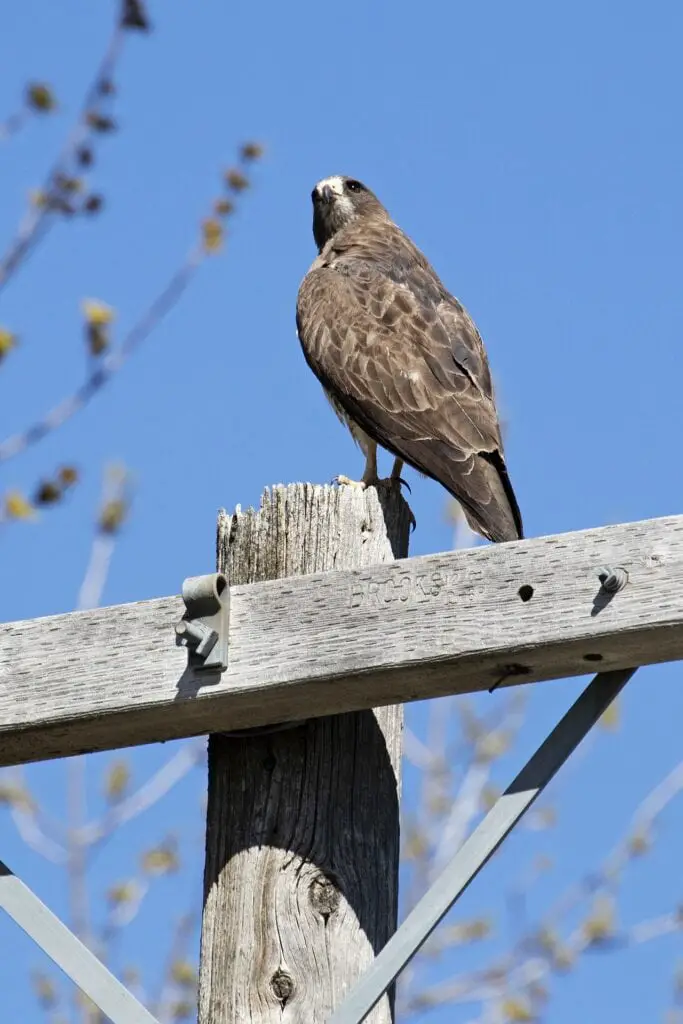
Important Factors To Consider Before Getting A Swainson’s
There are a few crucial elements that you need to take into account when purchasing a Swainson’s hawk for falconry. Checking your state regulations regulating the ownership of this bird species is crucial first and foremost. Before possessing one, certain states demand licenses or permissions.
Another crucial factor to consider is whether you have enough space for a Swainson’s hawk. These birds require large spaces with ample opportunities for flight and exercise. Falconers usually keep them in aviaries or mews (a type of enclosure) when not hunting.
It is also important to think about your level of experience as a falconer. Swainson’s hawks are powerful raptors that demand expert handling skills. If you’re new to falconry, it might be best to start with a less challenging species before moving on to more advanced ones like the Swainson’s hawk.
Lastly, bear in mind that owning a Swainson’s hawk requires time and commitment. These birds need daily care and attention from their handlers, including feeding, cleaning, training, and flying exercises. Make sure you can commit yourself fully before taking on such responsibility.
To summarize, getting a Swainson’s hawk for falconry involves various considerations beyond just having an interest in these magnificent creatures. Take into account your local regulations, available space, experience level as a falconer, and willingness to dedicate time and effort towards caring for the bird. With proper preparation and dedication, owning a Swainson’s hawk can be an incredibly rewarding experience!
It’s crucial to thoroughly weigh all the facts before making your decision to embark on this trip. Keeping a bird of prey is a serious commitment and comes with a lot of responsibility. Having a Swainson in your life will be among the most rewarding experiences you’ll ever have, though, if you’re up for the challenge.
Owning a Swainson’s for falconry can be an enriching experience if done correctly. It takes patience, time, and commitment to build a strong bond between you and your feathered companion. But once you do, nothing beats the feeling of flying free alongside your bird as they hunt their prey with precision and gracefulness – it’s like dancing in mid-air! So go ahead, take on this adventure – who knows where it might lead you?