
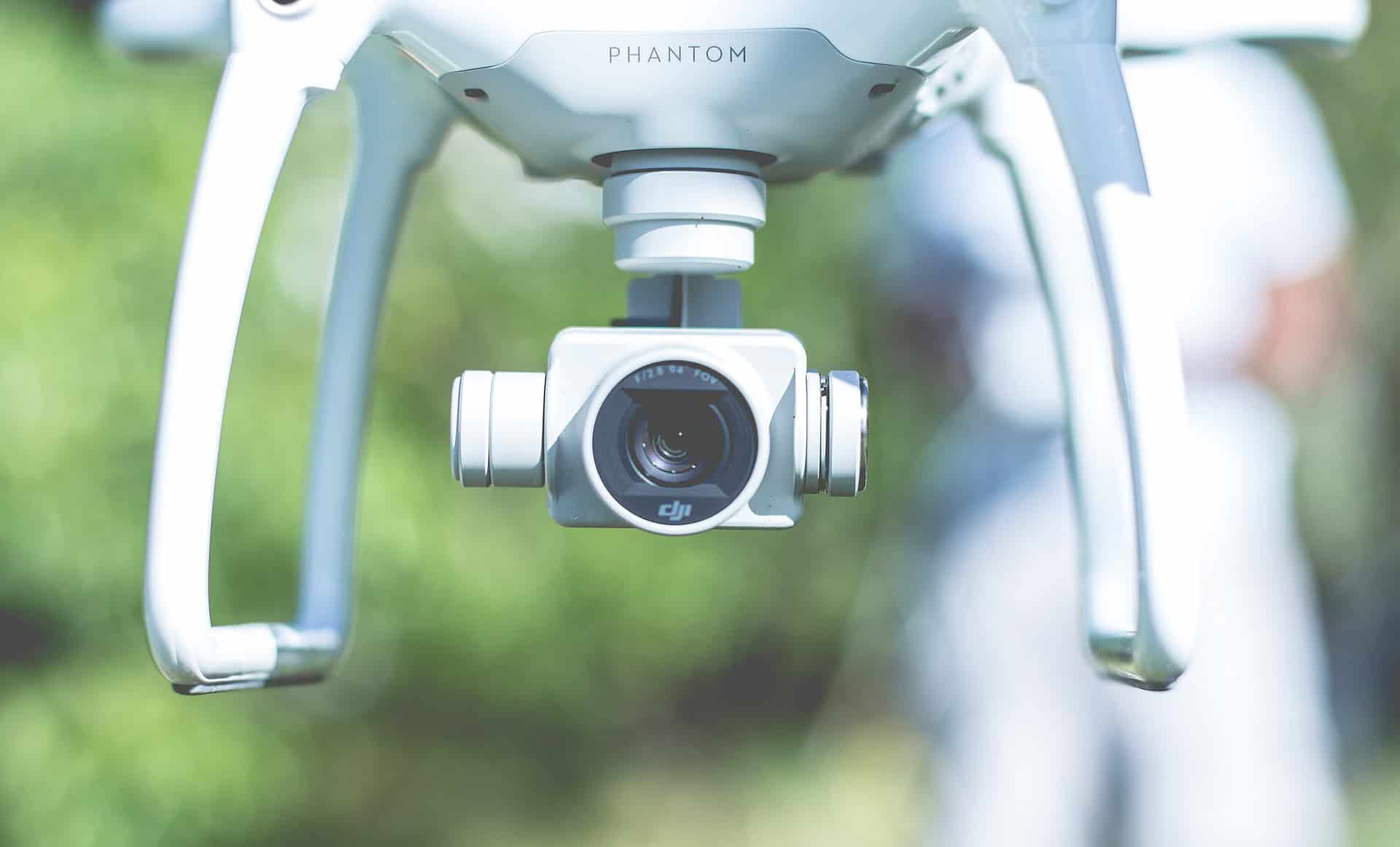
Today, I want to discuss an innovative approach to falconry training that combines the ancient art of falconry with the cutting-edge technology of drones. This fusion of old and new promises to revolutionize how we train our birds of prey, but how exactly does it work? Join me as we explore the world of falconry drone training and uncover the untapped potential it holds for both falconers and their feathered companions.
Benefits of Incorporating Drones in Falconry
Incorporating drones in falconry offers numerous benefits, revolutionizing the way we train and enhance the performance of our falcons. This technological advancement has led to increased efficiency in falconry training. With drones, trainers can cover larger areas in a shorter amount of time, allowing for more comprehensive training sessions. Additionally, the use of drones has enhanced accuracy in falconry. Trainers can now monitor the movements of the raptor more closely, ensuring precise training and hunting techniques. As a result, the training outcomes have significantly improved, leading to better performance from our raptors. Overall, incorporating drones in falconry has revolutionized our training methods, increasing efficiency, accuracy, and training outcomes.
Drone Selection for Falconry Training
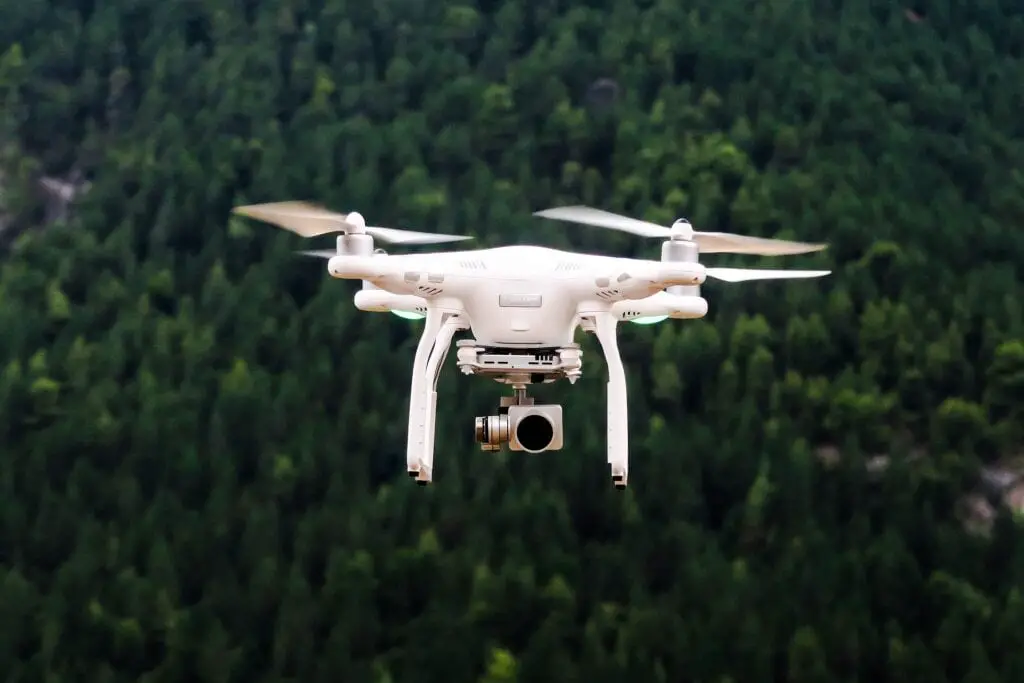
When selecting a drone for falconry training, it is crucial to adhere to the specific requirements and equipment needed to ensure optimal performance. The right drone model is essential for a successful training experience. Here are some key factors to consider:
- Drone models: Choose a drone that is capable of handling the weight of the training accessories and can withstand outdoor conditions.
- Training accessories: Invest in attachments like lures or prey dummies that can be attached to the drone for realistic training simulations.
- Flight patterns: Look for a drone with customizable flight patterns, allowing you to imitate the movements of prey and challenge your falcon.
- Remote controls: Opt for a drone with a user-friendly and responsive remote control system, enabling precise commands and smooth flight manoeuvres.
Techniques and Methods for Falconry Drone Training
Having selected the appropriate drone model and equipment for falconry training, it is now important to explore the techniques and methods that can be employed to train birds of prey effectively using drones. Training effectiveness is crucial in falconry integration with drone technology. One key aspect is drone handling. It is essential to operate the drone smoothly and with precision, maintaining a steady flight pattern to mimic natural avian behaviour. This helps the falcons to develop their hunting instincts and improve their response to the drone. Additionally, training efficiency can be enhanced by utilizing different training scenarios, such as simulating prey or varying flight patterns. By incorporating these techniques and methods, the training process becomes more effective, allowing raptors to adapt quickly to the presence of drones and develop their skills in falconry.
Safety Considerations and Best Practices in Falconry Drone Training
To ensure the safety of both the falcons and the drone, it is imperative to follow best practices and consider various safety measures during falconry drone training.
- Training protocols: Establishing a structured training program that includes gradual exposure to the drone and positive reinforcement techniques.
- Risk assessment: Conduct a thorough assessment of the training area for potential hazards such as power lines, trees, or other obstacles that may pose a risk to the falcon or the drone.
- Bird behaviour: Understanding the natural behaviour of falcons and recognizing signs of stress or discomfort during training sessions.
- Drone regulations: Adhering to local regulations and obtaining necessary permits for flying drones in designated areas.
- Trainer qualifications: Ensuring that the trainer possesses the necessary experience and expertise in both falconry and drone piloting to train and handle the falcons effectively.
What alternatives can be used instead of drones?
As we explore alternative methods in falconry training, it is important to consider options that can effectively replace the use of drones. One such alternative is the use of bird decoys. These realistic replicas of prey can be strategically placed to simulate hunting scenarios, allowing your bird of prey to practice its hunting skills. Another option is the use of remote-controlled cars. By attaching a lure or bait to the car, the falcon can be trained to chase and capture it, mimicking the pursuit of prey. Kite flying is another viable alternative, as it provides a moving target for the falcon to track and intercept. Additionally, radio-controlled aeroplanes can be utilized to simulate aerial pursuits, enhancing the raptor’s agility and speed. Lastly, balloons and blimps can be used to replicate flying objects, allowing the falcon to practice its mid-air interception techniques. These alternatives provide effective training opportunities for birds of prey without the need for drones.
The incorporation of drones in falconry training offers numerous benefits, like increased efficiency and enhanced precision. Drones have revolutionized the field of falconry, providing trainers with a powerful tool to enhance their training methods and improve overall success rates.
Frequently Asked Questions
Are Drones Allowed in Falconry Training Areas and Locations?
- Drones are allowed in some falconry training areas and locations. However, it is important to consider drone safety and limitations.
How Long Does It Typically Take to Train a Falcon to Respond to a Drone?
- Training a falcon to respond to a drone requires patience, consistency, and positive reinforcement. The duration varies depending on the falcon’s behaviour and the training techniques used.
Are There Any Regulations or Permits Required for Using Drones in Falconry Training?
- When using drones for falconry training, it is important to adhere to the regulations and obtain the necessary permits. There are specific restrictions in place to ensure the legality and safety of this practice.
Are There Any Specific Weather Conditions That Are Not Suitable for Falconry Drone Training?
- Specific weather conditions, such as strong winds, heavy rain, or low visibility, may not be suitable for falconry drone training.