
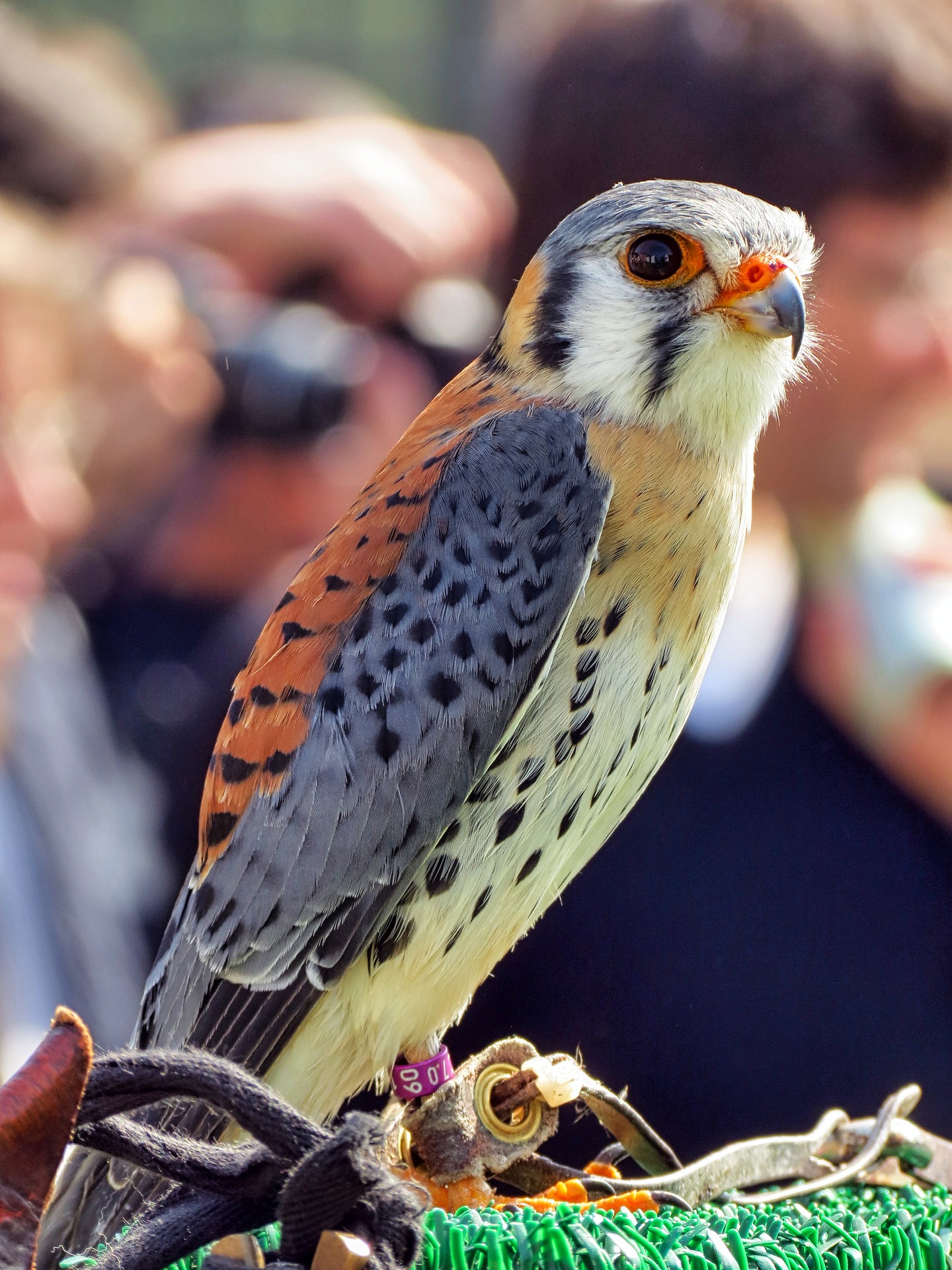
When I first started breeding American Kestrels for falconry, I was underwhelmed with the amount of information available. It took me a long time to sift through all the conflicting advice and find what worked best for me. Now, after years of experience and success, I have developed a step-by-step guide that will help you successfully breed American Kestrels for falconry.
Let’s get started:
Get all Permits and Certificates needed to Breed American Kestrels.
Before beginning the breeding process, it’s crucial to acquire all necessary permits and certificates for breeding American Kestrels. Obtaining the proper documentation is essential not only for legal compliance but also for ensuring the welfare of the birds. To breed American Kestrels, you must first secure a falconry permit, which is issued by the relevant wildlife authority in your area (make sure you research the necessary requirements needed for your area). This permit demonstrates that you have the knowledge and facilities required to care for these birds responsibly.
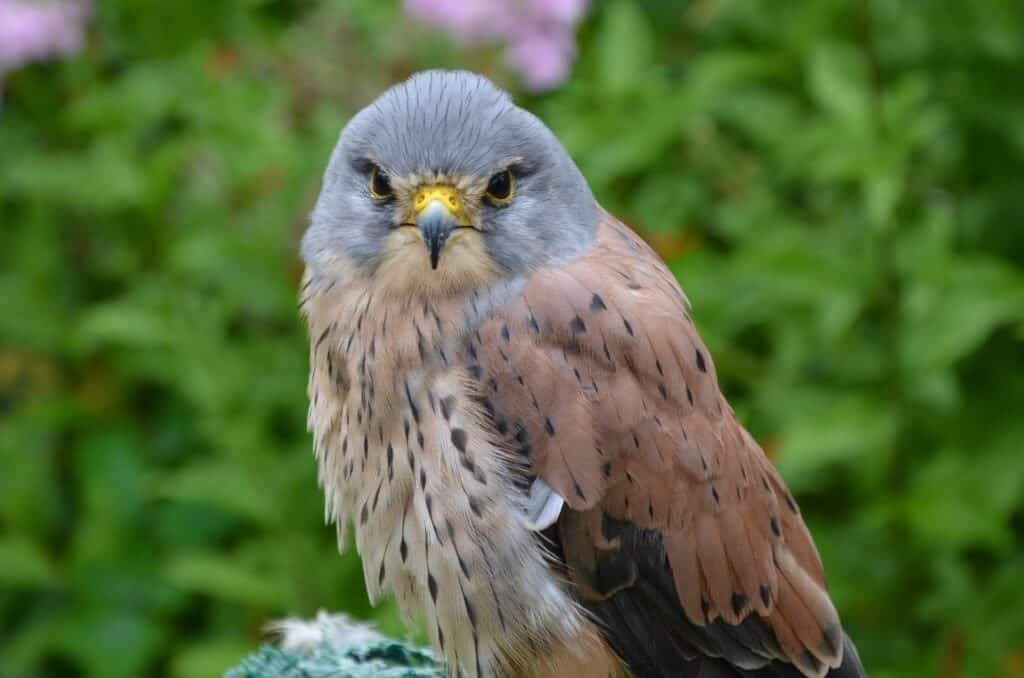
You may need to obtain a breeding permit specifically for American Kestrels. This permit is different from a general falconry permit and is necessary to legally breed these birds in captivity (Check with your local authorities). The breeding permit ensures that you’re authorized to engage in breeding activities and that you meet the standards set by wildlife conservation authorities.
By getting all the legalities in order, you’ll be able to focus on successfully breeding American Kestrels without any potential legal issues.
Set up a Suitable Environment for Breeding
When preparing housing for the breeding pair, there are a few things I suggest you do:
Make sure the Aviary has Space for the Bird to Fly.
- Dimensions: The Aviary should be sufficiently large to allow birds to fly freely. I recommend a minimum of 8 feet in length and 4 feet in width, with a height of 6 feet. This is the bare minimum, so do try to provide more space if possible.
- Obstacles: Minimize obstacles within the Aviary that could impede flight paths or cause accidents. Place perches, feeders, and other furnishings strategically to maximize space and movement.
- Safety: Ensure that the Aviary is secure to prevent escapes and protect birds from predators. Use appropriate materials for fencing and netting to maintain safety while allowing birds to fly freely.
Select a Good Place for Nesting
- Warmth: Kestrels require a warm, well-ventilated nesting area to encourage breeding behaviour. The ideal temperature for breeding is between 15°C and 20°C.
- Lighting: Place the nesting box in an area that receives natural light but is also sheltered from harsh weather conditions. Exposure to natural light will help regulate hormone levels and encourage breeding behaviour.
- Privacy: These birds prefer a quiet, secluded area for nesting. Avoid placing the nesting box in high-traffic areas or near loud noises to reduce stress on the birds.
Add Perches
Adding perches to the Aviary is important for several reasons:
- Exercise: Perches allow birds to exercise and strengthen their muscles, which is crucial for their overall health and well-being.
- Mental Stimulation: Having different perching options can provide mental stimulation for the birds, preventing boredom and promoting natural behaviours.
- Bonding: Breeding pairs require perches to establish and maintain their bond. Make sure there are enough perches for both birds, including a separate perch for each bird in case they need some space.
- Resting: Perches also serve as resting spots for the birds, giving them a place to relax and sleep comfortably. Make sure the perches are of suitable size and material for the birds to rest comfortably.

Good Ventilation and Temperature Control
It’s vital to prevent extreme changes in temperature and maintain good ventilation in the Aviary. These factors play an important role in keeping the birds healthy and comfortable during breeding season. You can use artificial heating or cooling methods, depending on your climate, to maintain the ideal temperature range.
Proper ventilation helps remove excess moisture, ammonia, and other airborne pollutants, creating a healthier environment for the birds.
Outdoor Aviaries should be Protected from Predators.
In safeguarding the outdoor Aviary from potential predators, it’s crucial to establish a comprehensive security system to protect the breeding pair of kestrels. Implementing proper protective measures is essential for ensuring their safety and well-being.
To begin, it is vital to install a sturdy wire mesh with small gaps to prevent any unauthorized entry by animals such as raccoons and snakes, which pose a threat to the kestrels. This protective barrier acts as the first line of defence against ground-based predators.
In addition to the wire mesh, a secure roof should be placed over the Aviary to deter aerial predators like owls or hawks. This overhead protection ensures that the kestrels are shielded from potential attacks from above, allowing them to nest and raise their chicks without fear.
Regular inspections of the aviary perimeter are necessary to check for any signs of digging or attempted breaches by predators. By monitoring the barriers diligently, any vulnerabilities can be identified and addressed promptly, maintaining the protective measures in place.
Creating a safe environment free from threats is paramount for the kestrels to focus on their breeding activities without the constant stress of potential predator attacks.
Outdoor mews should be Well Sheltered Against Harsh Weather Conditions.
Ensure that the structure of the mews is sturdy enough to endure strong winds and heavy rainfall. The mews should be designed with the following considerations in mind:
- Proper Insulation: Insulate the mews to regulate temperature and protect the kestrels from extreme heat or cold.
- Waterproofing: Use weather-resistant materials to prevent leaks and moisture buildup inside the mews.
- Wind Protection: Position the mews to minimize exposure to strong winds that could stress the kestrels.

Choosing Your Breeding Pair
When selecting a breeding pair of American Kestrels for falconry, I always consider a range of key traits to ensure the success of the breeding program. One of the most important factors to evaluate is the health of the potential breeding pair. It is essential that both birds are in prime physical condition, free from any diseases or deformities that could be passed on to their offspring. Additionally, assessing the hunting instincts of the kestrels is vital. Look for individuals with strong hunting skills, as these traits can be inherited by their offspring.
Genetic diversity is crucial when selecting a breeding pair. Preventing inbreeding is essential for preserving the health and vitality of the kestrel population in captivity.
So, when choosing a breeding pair of American Kestrels for falconry, it is crucial to focus on various key traits. These include assessing their overall health, evaluating their hunting instincts, considering their lineage and ancestry, and ensuring sufficient genetic diversity. By carefully selecting these characteristics, you can enhance the likelihood of success in your breeding programme and promote the development of strong and resilient birds.
Introducing the Male to the Female
This phase requires careful observation and management to ensure the safety of both birds. Here are some key points to keep in mind during the introduction:
- Controlled Environment: It’s essential to introduce the male and female kestrels in a controlled environment, such as a spacious aviary or mew, to minimize stress and potential conflicts.
- Supervised Interaction: Direct supervision during the initial interactions is crucial to monitor their behaviour and prevent any aggressive encounters that could jeopardize the bonding process.
- Gradual Approach: Gradually increase the time the male and female kestrels spend together to allow them to get accustomed to each other’s presence and reduce the likelihood of aggression.
- Positive Reinforcement: Use positive reinforcement methods, such as providing treats when they’re calm and displaying non-aggressive behaviour towards each other, to encourage a positive association between the birds.
Monitor the Compatibility of the Breeding Pair
To assess the compatibility of the breeding pair of American Kestrels, close observation of their interactions and behaviours is essential. When monitoring the pair, I focus on their communication patterns, body language, and overall tolerance towards each other. American Kestrels, like many raptors, have intricate social dynamics that can influence their breeding success.
During the observation period, I pay special attention to how the male and female kestrels interact. Positive interactions such as mutual grooming, food sharing, and coordinated hunting behaviours are good indicators of a compatible pair. Conversely, aggressive behaviours like excessive vocalizations, physical attacks, or food hoarding can signify potential issues in their relationship.
It’s important to observe their overall comfort levels with each other’s presence. A compatible pair will exhibit relaxed body postures, minimal aggression, and frequent close proximity. On the other hand, if either kestrel displays signs of stress or avoidance, it may be indicative of underlying compatibility issues.
Keep a Record of the Breeding Process
Maintaining records of each step in the breeding process is crucial for monitoring the progress and outcomes of breeding American Kestrels for falconry. Keeping detailed records allows for the identification of patterns, trends, and potential issues that may arise during the breeding process.
Here are some key points to consider when keeping records:
- Breeding Dates: Please remember to diligently record the dates when the breeding pair successfully mates, as well as the significant events of when the eggs are laid. Accurately documenting this information plays a crucial role in tracking the breeding timeline.
- Gravid Females: It is important to keep a detailed record of the female kestrel’s reproductive cycle, noting the onset of egg development and carefully monitoring her weight gain throughout this period. This data is vital for assessing the female’s well-being and guaranteeing she receives the necessary nutrition for a healthy breeding process.
- Egg Count: Carefully document the number of eggs laid, as well as any changes in their appearance or condition throughout the incubation period. This data can provide insights into any issues during incubation and hatchling development.
- Weight Monitoring: Regularly monitor and weigh the breeding pair to ensure they are maintaining a healthy weight throughout the breeding process. Sudden weight loss or gain could potentially indicate underlying health issues that must be addressed promptly. It is crucial to track their weight consistently as it serves as an important indicator of their overall well-being during this critical period.
- Behaviour Observations: Note any changes in the behaviour of the breeding pair, such as increased aggression or decreased activity. These observations can give you insights into the overall well-being of the kestrels.

Monitor the Bird’s Health
Regular health checks will help detect any health concerns that may arise early, allowing for timely intervention and treatment. Here are some key aspects to consider when monitoring the health of your American Kestrels:
| Aspect | Monitoring Method |
| Physical Condition | Regularly observe the birds for any signs of lethargy, abnormal posture, or feather issues. Check for any injuries or abnormalities. |
| Weight | Weigh the birds weekly to track any sudden weight loss or gain, which can indicate health problems. Document the weights for comparison. |
| Behavior | Observe their behaviour during feeding, flying, and interactions. Changes like decreased activity, aggression, or unusual vocalizations may signal health issues |
In addition to these regular checks, ensure the birds have access to fresh water, a balanced diet, and suitable housing conditions. Providing a stress-free environment is crucial for their overall well-being. If you notice any concerning changes in the birds’ health, consult a veterinarian with experience in avian care promptly. By staying alert and proactive in monitoring their health, you can help your birds thrive during the breeding process.
When to Expect the Egg
The American Kestrel typically lays its first egg within 2 to 4 days after completing copulation. This process is crucial in understanding the breeding cycle of these birds. Knowing when to expect the egg is vital for proper care and management.
- Egg Laying Timeframe: I always noticed my female American Kestrels usually lay eggs in the morning hours, typically between 8 am and 10 am. This behaviour is consistent among most kestrels and can provide insight into when to anticipate the arrival of the first egg.
- Incubation Period: Once the egg is laid, the female kestrel will begin the incubation process. This period usually lasts around 27-29 days before the egg hatches. Monitoring this timeframe is essential for preparing for the arrival of the chicks.
- Nesting Behavior: Observing the nesting behaviour of the kestrels can also give clues as to when the egg might be expected. If the female is seen spending extended periods inside the nesting box, it could indicate that the egg is imminent.
- Physical Signs: Paying attention to the physical signs of the female kestrel, such as increased appetite and territorial behaviour, can also help predict when the egg will be laid.
AI Breeding American Kestrel
Breeding American Kestrels using artificial insemination (AI) involves precise timing and a careful approach to ensure successful reproduction. When conducting AI breeding, it’s crucial to select a healthy and suitable male and female kestrel for the procedure. The male should be in prime breeding condition, indicated by his behaviour and physical attributes, including bright plumage and active courtship displays. The female should also be in good health, as this will boost the chances of successful fertilization.
Before the AI procedure, it’s essential to carefully monitor the female kestrel’s reproductive cycle. This involves tracking her hormonal fluctuations and identifying the optimal time for insemination. Timing is critical, as it ensures that the female’s reproductive tract is receptive to the insemination process.
When performing the AI procedure, it’s imperative to maintain sterile conditions to prevent any infections that could jeopardize reproductive success. The semen collection should be done carefully, ensuring the quality and viability of the sperm. Once the Semen is collected using an AI hat, it must be tested for viability before being inserted into the female.
After the AI procedure, close monitoring of the female kestrel is necessary to observe any signs of successful fertilization. This includes behavioural changes and physical indications that signal the progression of the reproductive process. By following these detailed steps and maintaining a scientific and attentive approach, AI breeding of American Kestrels can be a successful method for reproduction.
Breeding American Kestrels requires careful observation and monitoring. By regularly tracking the birds’ health, understanding their reproductive cycle, and utilizing advanced breeding techniques like AI, we can successfully and ethically breed them.
Frequently Asked Questions
Can American Kestrels Be Bred in Captivity Without Any Permits or Certificates?
- No, breeding American Kestrels in captivity requires proper permits and certifications from relevant wildlife authorities. This is to ensure the ethical and responsible breeding of these endangered birds.
What Do American Kestrels Feed Their Chicks?
- American Kestrel chicks are fed a diet that primarily consists of insects, small mammals, and reptiles. As they grow, their diet may also.
How Long Does It Typically Take for a Breeding Pair of American Kestrels to Become Compatible With Each Other?
- It typically takes a few days for a breeding pair of American Kestrels to become compatible with each other. Observing their interactions, courtship behaviours, and gradual bonding can help gauge their readiness for successful breeding.
Are There Any Specific Health Concerns or Illnesses That Commonly Affect Breeding American Kestrels?
- When breeding American kestrels, it’s crucial to monitor for common health concerns like aspergillosis, avian pox, and mites. Regular vet check-ups, proper nutrition, and a clean environment are essential to prevent these illnesses.
How long after laying will the eggs need to be incubated?
- The eggs will need to be incubated for around 27-29 days before hatching. It’s essential to carefully monitor the incubation process and ensure that the eggs are kept at a constant temperature and humidity level for successful development.
What Is the Process of Artificial Insemination (AI) for Breeding American Kestrels, and When Is It Recommended?
- Artificial insemination (AI) for breeding American Kestrels involves carefully collecting and depositing sperm into the female’s reproductive tract. It is recommended when natural breeding is unsuccessful or for genetic diversity.