
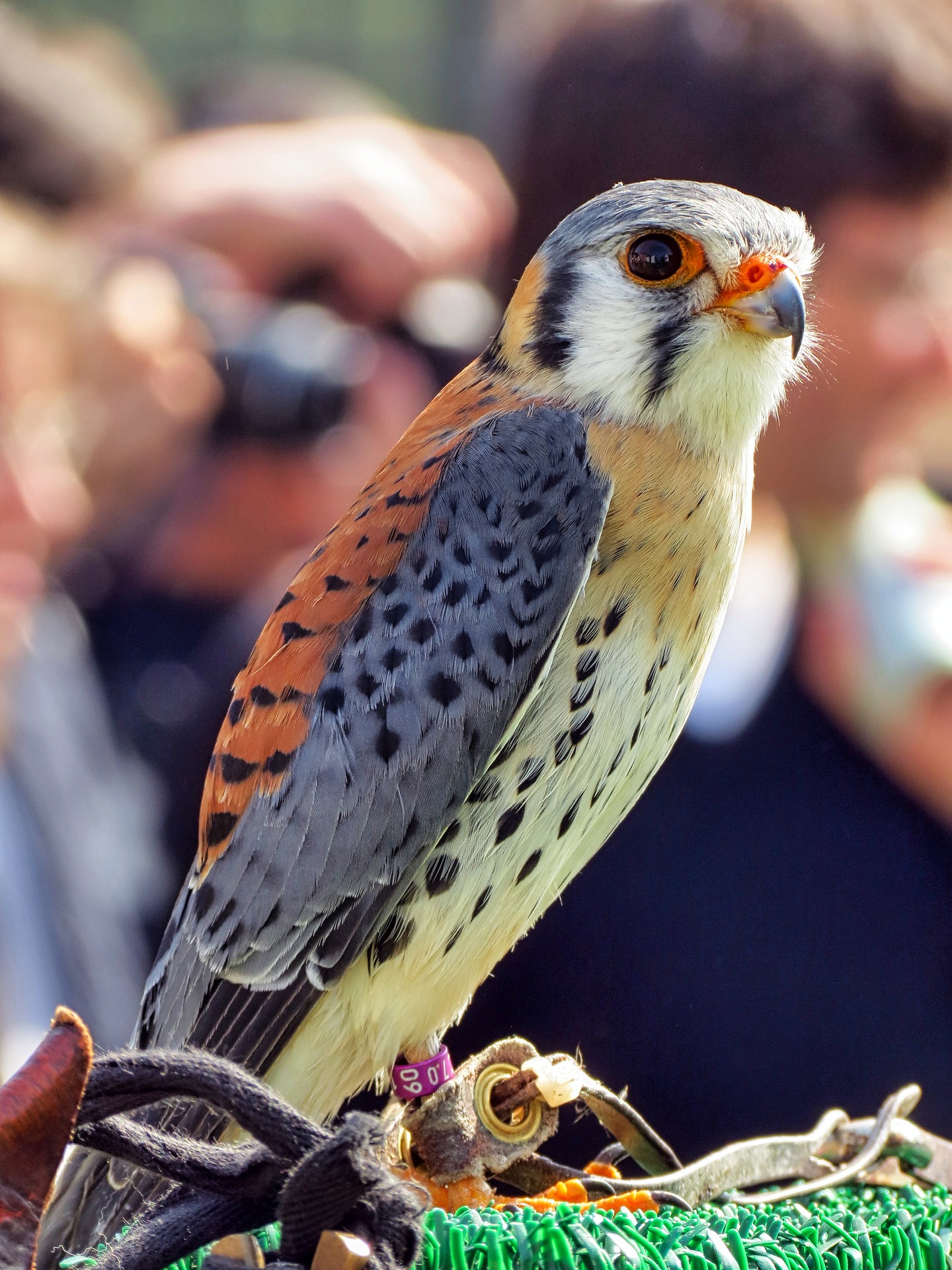
If you’re a hunter who’s looking to up their game, consider investing in a kestrel for your next expedition. As someone with years of experience under my belt when it comes to falconry, I can assure you that these miniature raptors are quite powerful and make for an excellent ally on the hunt.
Kestrels are a popular species in the ancient art of falconry. In particular, American and Common kestrels reign supreme due to their ability to be trained with ease; however, Lesser and Eurasian varieties have also been known to make an appearance occasionally.
At first glance, it may seem like kestrels wouldn’t make ideal hunting companions due to their size. However, don’t let their small stature fool you – kestrels have incredible speed and agility, which makes them great at catching prey in certain environments. In this article, we’ll take a closer look at whether or not kestrels can be used for falconry and what advantages they bring to the table. So buckle up, grab some coffee (or tea), and let’s dive into the world of kestrel falconry together!

What Types Of Kestrels Are Used In Falconry?
There are several types of kestrels that have historically been used in falconry. Let’s run through some different kestrels and see which can or can not be used for falconry hunting:
American Kestrel (Falco sparverius): The American kestrel is a symbol of strength and prowess, renowned for its capabilities in falconry – hunting small game with unstoppable speed and agility.
Common Kestrel (Falco tinnunculus): This sturdy and adaptable kestrel is a popular falconry bird, found all across Europe and Asia. It can hunt in multiple terrains for an extensive array of prey, including insects, small animals, or other birds.
Lesser Kestrel (Falco naumanni): The Lesser Kestrel can be located in southern Europe, western and central Asia, as well as northern Africa. While they may still be utilized for falconry purposes from time to time, their relatively small size renders them less qualified when it comes to hunting larger targets.
Nankeen Kestrel (Falco cenchroides): Australia and its neighbouring countries are home to these kestrels, commonly used in the practice of falconry. Unfortunately, their size makes them incapable of hunting for larger prey.
Australian Kestrel (Falco cenchroides): The Australian Kestrel, a member of the Nankeen Kestrel species, inhabits all across Australia. Unfortunately, they are not suitable as effective hunters due to their miniature size when it comes to capturing larger prey – although falconers often utilize them for sport.
Eurasian Kestrel (Falco columbarius): This kestrel is found throughout Europe, Asia, and North America. They are sometimes used for falconry, but their small size makes them less effective hunters of larger prey.
Grey Kestrel (Falco ardosiaceus): Found in Africa, south of the Sahara. The Grey Kestrel is sometimes used for falconry, but their small size makes them less effective hunters of larger prey.
Although there may be other varieties of kestrel out there, not all are suitable or even safe for falconry. Some species are endangered and protected by law, which means they cannot be legally hunted using birds trained in falconry techniques.
Can You Train A Kestrel For Falconry?
Despite the daunting task of training a kestrel for falconry, it is definitely achievable. As one of the smallest raptors, they are quite agile and perfect for this sport; however, diligent effort and expertise in handling them are necessary. Patience will be key as you guide your bird towards becoming an adept hunter!
Firstly, it’s important to understand that kestrels are not as strong or powerful as other types of raptors used in falconry, such as eagles or hawks. This means that they have limitations when it comes to hunting larger prey. They are best suited for catching smaller rodents like mice and voles.
Secondly, training a kestrel requires dedication and commitment. It takes time and effort to build trust between you and your bird, and this cannot happen overnight. You need to spend hours with your bird every day, taking them out for flights and gradually building up their confidence around you.
Thirdly, if you’re new to falconry, I wouldn’t recommend starting out with a kestrel. These birds require an experienced handler who understands their needs and behaviour. If you don’t have any previous experience working with birds of prey, then it is better to start with something less demanding, like a Harris hawk which is easier to train.
When training a kestrel for falconry, it’s essential that you follow all legal requirements, including regulations on licensing, housing conditions and welfare standards. Failure to do so may result in serious consequences for both yourself and the bird.

What Can You Hunt With A Kestrel?
I never thought anyone would be interested in these tiny birds of prey, but here you are, proving me wrong. So to answer your question, yes, you can hunt with a kestrel for falconry. In fact, they’re becoming quite a popular bird among falconers in recent years.
Now that we’ve established that kestrels can indeed be used for falconry, let’s move on to what they can hunt. Kestrels primarily feed on small mammals such as rodents and insects like grasshoppers and beetles. However, with proper training and experience, they can also hunt larger prey, such as songbirds or even small snakes. The best terrain to hunt in is open land where there’s plenty of space for them to fly around freely without any obstacles hindering their flight.
If you’re planning on training a kestrel for falconry, it’s important to know what kind of equipment you’ll need. Firstly, you’ll require a leather gauntlet which will protect your hand from their sharp talons while handling them. Secondly, a hood made out of leather or cloth is necessary to help calm them down during transportation or when they’re not hunting. Lastly, jesses (leather straps) are attached to their legs so that you can handle them easier while releasing them into the wild after hunting.
After researching and spending years in the field, I can confidently say that kestrels can indeed be used for falconry. However, it is important to note that not all kestrel species are suitable for this sport.
In my experience, American kestrels are a commonly used type of kestrel in falconry due to their size and hunting capabilities. With proper training and care, these birds can become skilled hunters and loyal companions. But it takes patience and dedication on behalf of the trainer to successfully train a kestrel for falconry. I urge anyone interested in this ancient practice to do their research thoroughly before beginning. Falconry requires immense skill and attention to detail – but if done right, it can be one of the most rewarding experiences out there. Trust me – nothing beats the feeling of seeing your bird return after a successful hunt!