
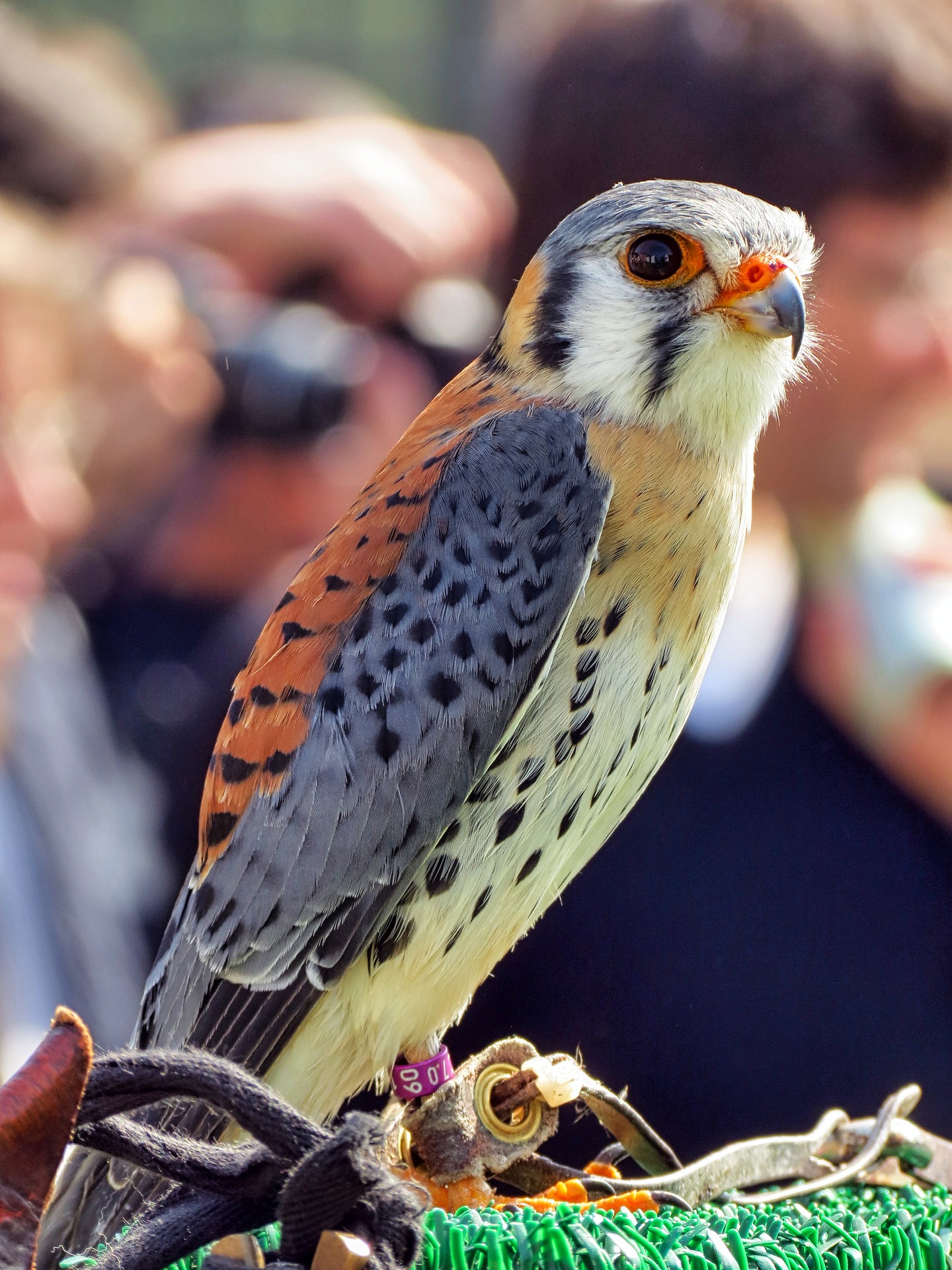
Do kestrels fly at night? For years, falconers have puzzled over this question. Kestrels are small falcons found in many parts of the world and are known for their aerial acrobatics. But do they fly at night? Some people say that they do, while others in falconry claim that kestrels only fly during the day, so what is the truth?
Kestrels are diurnal species (meaning they are active during the day); however, they are not restricted(apart from reduced vision) from flying at night. They will hunt and fly if they are searching for prey. However, they are much less active at night due to lower levels of light and their decreased ability to detect prey. Kestrels tend to roost during the night.
There is no doubt that kestrels are known for their ability to hover in the air and catch their prey with great accuracy, but how great does this differ at night? So let’s take a closer attempt to determine if kestrels fly at night and under what circumstances they will.
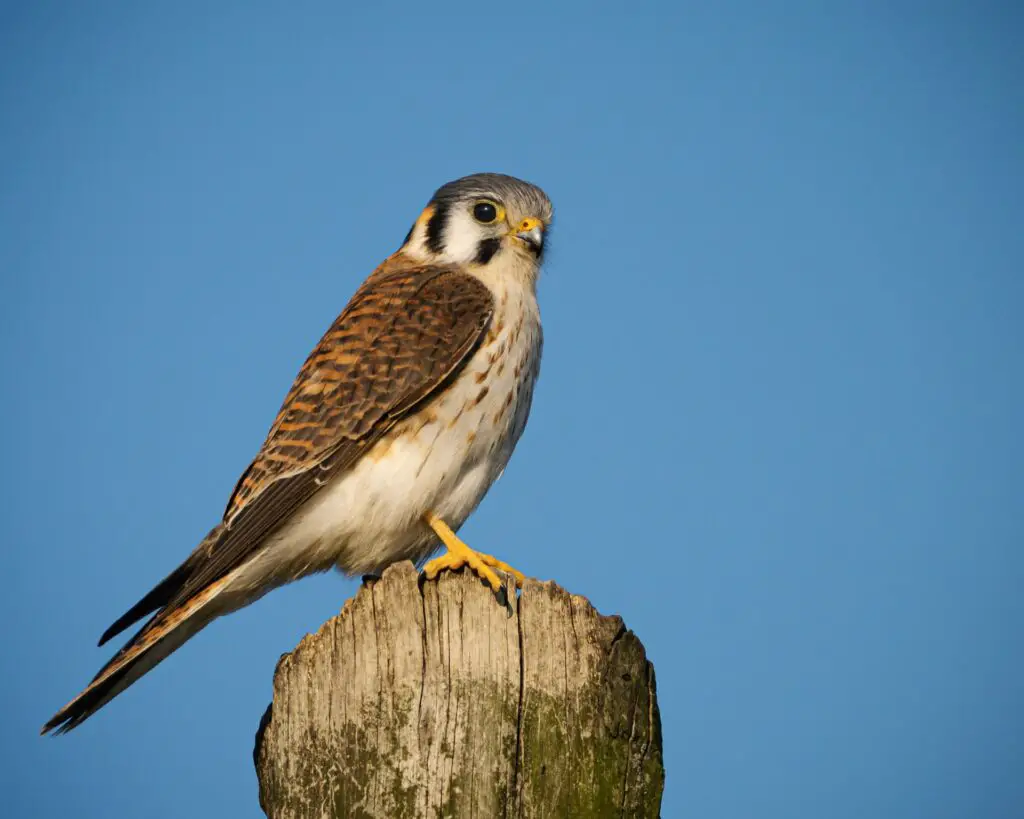
Are kestrels nocturnal
Kestrels are a type of bird of prey known for their keen eyesight and aerial hunting abilities. While most kestrel species are diurnal, active throughout the day, a few are nocturnal or active at night. These nocturnal kestrels generally have more enormous eyes than their diurnal counterparts, which helps them to better see in low-light conditions. They also tend to be more silent hunters, using their stealth to surprise their prey. While most kestrels hunt small mammals and reptiles, the nocturnal species mainly hunt insects. This diet discrepancy is likely due to the difficulty finding small mammalian prey at night. Overall, while kestrels are typically diurnal birds, a few species have adapted to hunting at night.
Is a kestrel’s vision any good at night?
Kestrels are known for their distinctive call and their sharp eyesight, but how does their vision stack up at night? It turns out that kestrels have relatively poor night vision compared to other birds of prey. This is because they have relatively few light-sensitive cells in their eyes, known as rods. However, kestrels make up for their poor night vision in other ways. For example, their eyes are adapted to maximize light during the daytime and have excellent depth perception. This allows them to spot small prey from a distance and dive on it precisely. So while kestrels may not be able to see as well at night as some other birds, they more than makeup for it during the day.
Under what circumstances will kestrels fly at night
Kestrels are small, nimble falcons that are known for their hunting prowess. While they are most active during the day, kestrels will also occasionally fly at night. This is more likely to happen during late winter or early spring when kestrels are seeking mates. During these times, kestrels have perched on high vantage points and called out to potential mates. They have also been known to chase other birds at night in an effort to intimidate them. However, kestrels do not typically hunt at night, as their vision could be better-suited for low-light conditions. As a result, they usually only take flight after sunset if they are specifically seeking a mate or trying to scare away another bird.
Do kestrels use their other senses to navigate at night?
Although kestrels have relatively poor night vision, they make up for it by using their other senses to navigate in the dark. Their sense of hearing is particularly well-developed, and they can use sound to locate prey and avoid predators. They are also able to use their sense of smell to track down food, and their sense of touch is so sensitive that they can actually feel the movement of air currents. This allows them to fly with great speed and agility, even in the darkest conditions. So although kestrels may not have the best night vision, they more than makeup for it with their other senses.
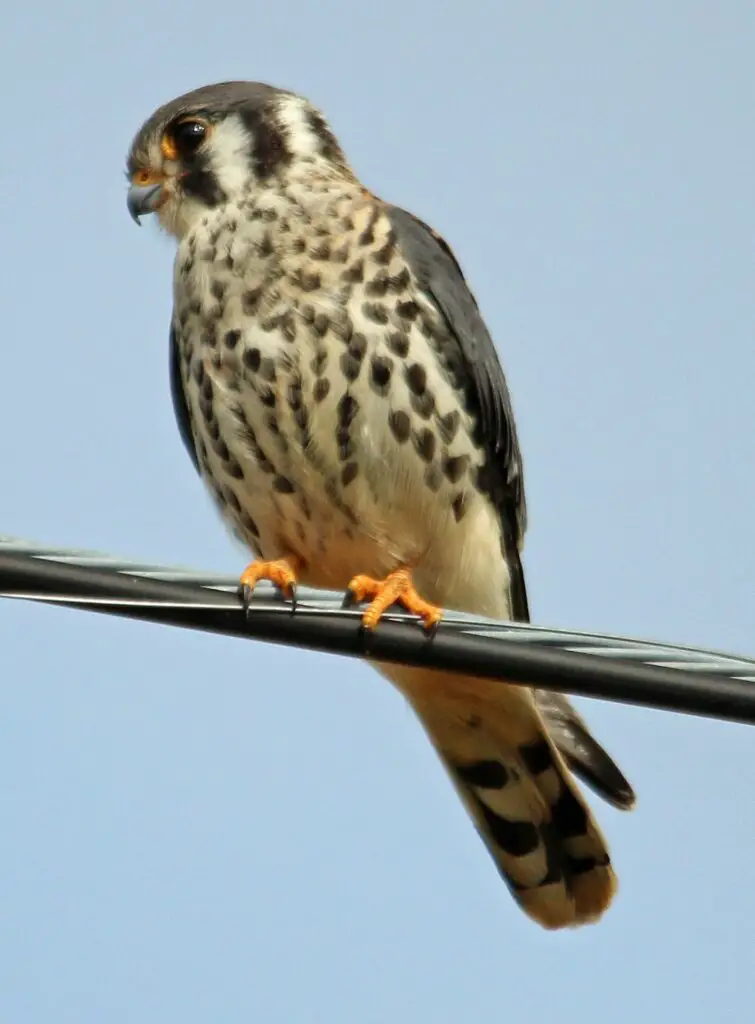
Are there any dangers that come with flying at night for kestrels?
Flying at night can be dangerous for kestrels for a number of reasons. Firstly, it is more difficult to find prey in low-light conditions. This can lead to kestrels becoming malnourished or even starving if they are not able to find enough food. Secondly, flying at night means that kestrels are more likely to collide with objects such as buildings or power lines. This can cause severe injury or even death. Finally, flying at night can make kestrels more vulnerable to predators such as owls. Also, night-time temperatures can be much colder than during the day, making it harder for kestrels to stay warm and maintain their energy levels. Despite these risks, many kestrels fly at night to take advantage of the increased hunting opportunities.
What are some of the benefits of flying at night for kestrels?
Flying at night has some distinct advantages for kestrels. For one thing, there are fewer predators to worry about. Additionally, the cool night air provides a respite from the heat of the day, meaning that kestrels can expend less energy flying and more time hunting. Finally, flying at night also allows kestrels to take advantage of thermal updrafts, allowing them to gain altitude with less effort. In short, flying at night offers kestrels many benefits that help them survive and thrive in the wild. These benefits are significant in the summertime when temperatures can be dangerously high during the day and food is scarce. By flying at night, kestrels are able to avoid the worst of the heat and increase their chances of finding a meal. As a result, flying at night is vital to how kestrels adapt to the changing seasons and maintain their place in the ecosystem.
Do kestrels fly at night? The answer may seem easy, but this question is more difficult than you might think. This is because kestrels require daylight to survive, so they become active during daylight hours. However, there have been many reports from many falconers of kestrels flying at night.