
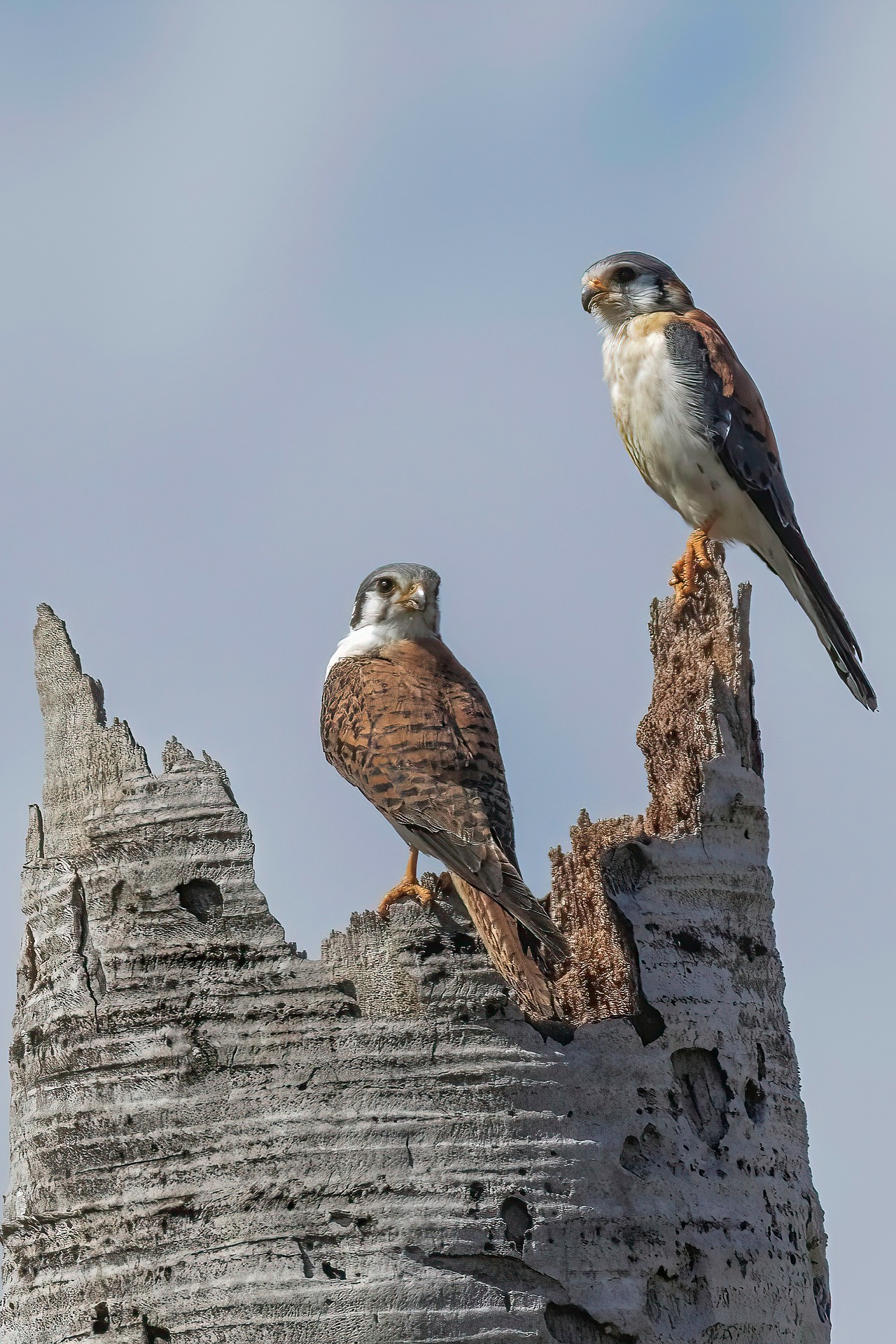
If you want to experience the thrill of having a bird of prey as your companion, then training an American Kestrel might be just what you need. These small but mighty birds are known for their impressive hunting skills and fierce independence, making them a popular choice for falconers and wildlife enthusiasts alike.
Training an American Kestrel is a very rewarding adventure. You have to ensure that you have the availability of time as training is not. Training can take up to 6 – 12 months. Let’s take a look at a few steps you need to cover:
- Getting The Right Equipment
- Building Trust
- Follow A Guide
- Recalls
- Basic Techniques Training with Lure, Tether, Hoping To The Glove, And Creance
- Teach The Bird to Track and Capture Live Game!
- Taking Your Flight Training To The Next Level: Free-Flight!
I have spent years studying training creatures and learning how best to train them. So today, I have decided to share with you my top tips on how to successfully train an American Kestrel, from choosing the right bird to building a strong bond through positive reinforcement techniques. Are you prepared to embark on a remarkable voyage with one of the world’s most awe-inspiring animals? If so, You will want to read below!
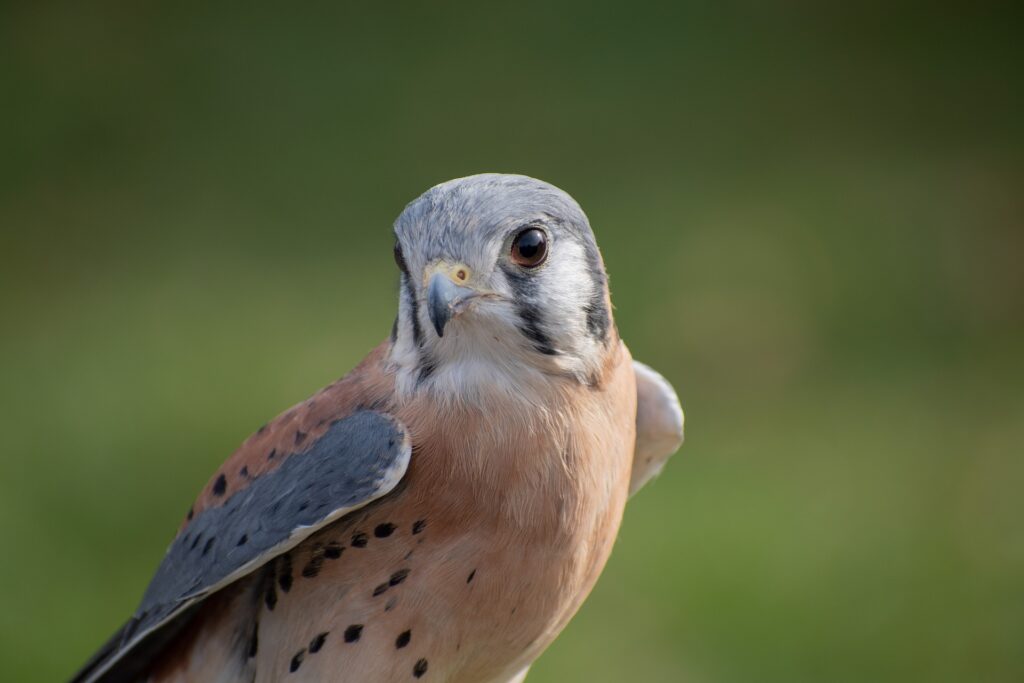
Equipment That You Will Need For Training A Kestrel?
In order to train your American Kestrel, then you need the right gear. I recommend investing in a few key pieces of equipment: The equipment I bought was a leather hood, jesses, swivel, leash, lure, training perch, and weighing scale.
Firstly, let’s talk about the leather hood. This essential piece of equipment is used to prevent your kestrel from becoming too stressed during training sessions by keeping them calm and relaxed. It also helps to protect their eyesight from bright lights or sudden movements that could startle them.
Next up are the jesses – these are leather straps that attach to your kestrel’s legs with buckles. They help keep your bird safe and secure during training exercises while allowing for easy handling without causing any harm or stress.
A swivel is another necessary item, as it allows free movement for your bird on its leash attachment point. The leash itself should be made of lightweight material so that it doesn’t weigh down your kestrel when they fly.
The final items we’ll cover today are the lure, training perch and weighing scale. A lure can be anything from a feather toy to a small piece of meat – this will help motivate your kestrel during training exercises. Training perches provide a stable platform for practising flight manoeuvres while weighing scales allow you to monitor how much weight loss/gain takes place over time.
Factors To Consider When Training A Kestrel
Before beginning the training process, it is important to consider several factors that may impact the success of your efforts. Firstly, I always ensure that the Kestrel has been properly socialized and acclimated to its surroundings. This will help reduce stress levels during training and allow for better focus on learning new behaviours.
Secondly, it is important to carefully select a location for training sessions that provides ample space for flight and exercise while also minimizing potential distractions or hazards. The ideal location I always choose would be an open field with minimal wind patterns and few obstacles like trees or power lines.
Thirdly, keep in mind that every bird is different and may respond differently to various methods of training. Therefore, it is crucial to remain patient and adaptable throughout the entire process as well as constantly monitor the bird’s behaviour and progress.
Lastly, always prioritize safety when working with live animals. Ensure all equipment used during training, such as jesses or leashes, are securely fastened but also easily removable in case of emergencies. Additionally, never force a bird into any action against its will, as this can lead to dangerous situations for both the animal and the trainer.
How To Build Trust And Established A Relationship With A Kestrel.
When I want to establish a relationship of trust with any of my birds of prey, the first thing I always do is spend quality time with my bird daily. I start by just sitting in her company, observing her and thereafter, slowly start hand feeding. Doing so will not only help establish trust but also create a bond between you and your bird.
Secondly, consistency is key. Make sure to stick to a routine while caring for your kestrel. Provide them with fresh water and food and clean their aviary at regular intervals each day. A consistent environment helps build familiarity, which leads to better bonding.
Lastly, be patient. Training takes time and should always be done gradually. Start by getting your kestrel used to being around people before attempting any advanced training techniques. Remember to praise good behaviour while discouraging bad habits through positive reinforcement.
A Step-By-Step Guide On How To Train A Kestrel
When training your kestrel, you must respect its wildness. Do not try to force it to do something it doesn’t want to do. Instead, use positive reinforcement techniques like food rewards to encourage good behaviour. For example, if you want your bird to perch on your hand or glove, hold out some meat in front of it until it hops onto your arm.
Be mindful of your own behaviour during all interactions with your kestrel. Birds can sense fear or anxiety, which could cause them stress or even harm themselves trying to escape from perceived danger. Approach them calmly and confidently and avoid any sudden movements that might startle them.
Training Your Kestrel to Respond Instantly To Recalls
A recall is a technique used by bird trainers to call their birds back to them on command. This skill is essential for both pet owners and wildlife researchers alike, as it allows us to keep our feathered friends safe while we study or work with them.
To start training your kestrel in responding to recalls, you will need some basic equipment, such as a whistle or clicker. Before beginning the actual training process, make sure your bird is comfortable and calm. Once they are at ease with you, begin by blowing the whistle or clicking the clicker every time they come near you. As your kestrel becomes more familiar with the sound of your chosen recall method, try calling out their name just before using it. Eventually, they should associate their name with coming when called and will fly towards you when they hear it. Practice this exercise daily until your kestrel responds immediately when recalled.
Remember that each bird has its own learning pace, so be patient and consistent throughout the training process. It may take weeks or even months before your kestrel masters this skill, but once they do, it will prove invaluable for keeping them safe during outdoor flights or research sessions.
Basic Techniques: Lure, Tether, Hoping To The Glove, And Creance Training
Lure training involves using a piece of meat attached to a string as bait to train your bird to follow you. This technique is useful for teaching your kestrel how to fly towards you on command. With patience and consistency, your bird will eventually learn to associate the sound of your voice with food rewards.
Tether training involves tying a long leash around your bird’s ankle so that it can only fly short distances. This technique is used when introducing young birds to outdoor environments or when working on specific behaviours such as recall or perch hopping. It’s important not to use too much weight on the tether as this could hurt your bird’s leg muscles.
Hoping to the glove is another common technique where the bird jumps from one hand onto the other while wearing jesses (small leather straps) attached to its legs. To perform this action successfully, you need excellent timing and coordination skills, along with proper positioning of the glove.
Lastly, Creance Training is used when working on increasing distance control over longer periods gradually. A creance line is tied between two points at different locations by which the Bird flies back and forth within range until they regain strength in its wings after moulting or injury recovery.
When Hunting, Always Start With Targeting Smaller Prey
Over the years, I have worked with countless American kestrels. A crucial step in appropriately training these birds is to start them off small by presenting them with mice and rats before progressing to a larger game. This gradual process allows for the bird’s hunting skillset and certainty to develop over time.
When introducing the bird to smaller prey, it’s important to use live animals rather than already dead ones. This will give the kestrel an opportunity to practice catching and killing its own food, which is essential for survival in the wild. It may take some time for the bird to get used to this type of feeding, so patience is key.
As your kestrel gains more proficiency at hunting rodents, you can steadily shift to offering bigger prey such as rabbits or squirrels. Don’t rush this process – every bird learns differently, and pushing them too quickly could lead to harm or even death.
Advancing To Free-Flight Training: Moving To The Field
Congratulations on mastering the fundamentals with your American Kestrel! Now, it’s time to take a leap and embark upon free-flight training. This fun yet challenging venture will entail taking your bird out into a wide open space for flight practice. With adequate planning and preparation you can make this experience both exciting and rewarding – let’s get started!
1. Choose the Right Location: Find a location that provides ample space for your kestrel to fly freely without obstructions, such as trees, buildings, or power lines. A large open field with few distractions will work best.
2. Use Proper Equipment: Make sure you have all necessary equipment, including gloves, leash, jesses, swivel and scale, before moving on to free-flight training.
3. Recall Training: Practice recall training in a controlled environment like an aviary before heading outdoors for free-flight training.
4. Establish Trust: Building trust with your kestrel is crucial during this stage of training as they need to feel comfortable with their surroundings and handler.
Before releasing your kestrel into the wild, make sure they’re wearing proper gear, such as leashes and jesses, to prevent them from flying too far away or getting lost altogether. Keep in mind that each bird will progress at its own pace, so don’t rush things if he/she isn’t ready yet; give them time to build up confidence gradually.
For the best chances of success, set your bird free in an environment with plenty to hunt and let them take their time honing their skills.
When selecting a spot for your kestrel’s release, you should weigh in factors like the weather and potential predators. Ensuring that its environment is secure while also having enough perches and resting places are crucial to guarantee successful hunting experience.
As your kestrel begins hunting on their own, observe their behaviour closely. Take note of any patterns or preferences they may have when it comes to prey selection or hunting techniques. This information can be used later on in training exercises.
Move On To Areas With Harder Prey And See How Your Raptors Perform
Now that you’ve successfully trained your American Kestrel to hunt small, easy prey like mice and voles, it’s time to move on to harder targets. This is where the real challenge comes in – training your raptor to take down larger animals like rabbits or even birds.
Start by introducing your kestrel to these new types of prey in a controlled environment, such as a large aviary or fenced-in area. Observe how they react and adjust their tactics accordingly. One important thing to keep in mind is that different species of raptors have varying hunting styles and preferences for prey.
As you progress with more challenging prey, don’t be discouraged if your kestrel struggles at first. It may take some trial and error before they are able to consistently catch bigger games. Remember that patience and persistence are key when it comes to bird training.
Fine-Tuning Your Training: Perfecting The Basics
It’s essential to remember that patience and consistency are key when it comes to training an American Kestrel. It may take several sessions before they fully understand what you want them to do. However, once they learn something, they rarely forget it. Therefore, short but frequent training sessions are better than infrequent long ones.
Also, providing positive reinforcement is crucial during the training process. Rewarding your kestrel with treats or verbal praise for desired behaviour will encourage him/her to repeat those actions again in the future. On the other hand, never punish your bird physically, as this could negatively impact its trust towards you.
Make sure that all equipment used during training is safe and secure for both you and your kestrel. A well-fitted hood protects the eyes from stress while allowing proper vision to navigate around its surroundings safely. Leather jesses should also be appropriately sized, not too tight or too loose; otherwise, discomfort might cause unnecessary stress on your feathered friend.
I’ve spent countless hours building trust and establishing relationships with these magnificent birds of prey, and let me tell you – there’s nothing quite like watching them respond to your commands with lightning-fast precision. It’s like they’re reading your mind! So if you’re up for the challenge, grab your leather hood and jesses, strap on your swivel and leash, and get ready to embark on one of the most exhilarating journeys of your life. Trust me – it’ll be worth every second.