
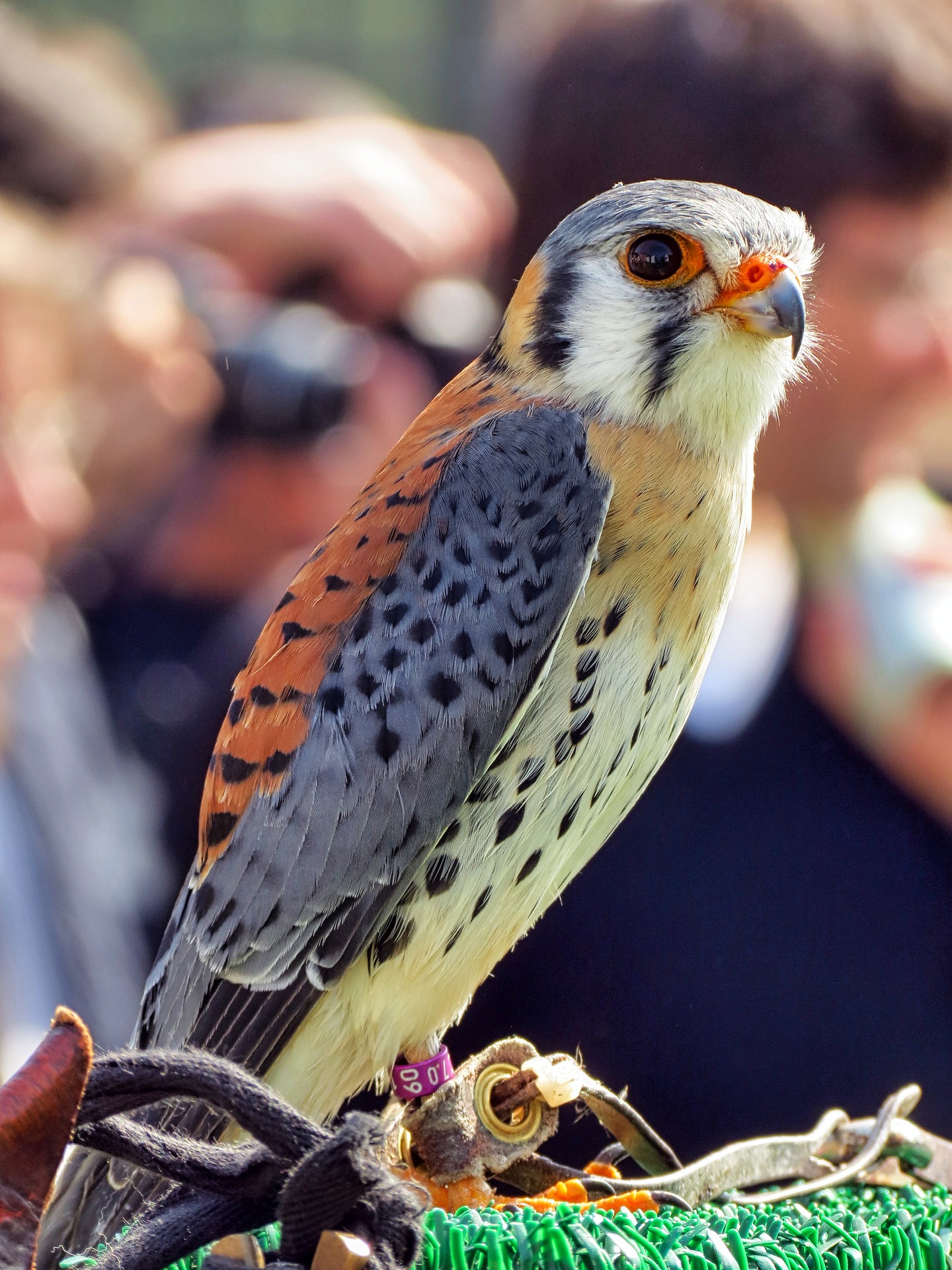
Being in the falconry industry for many years, I know that keeping birds of prey, such as kestrels, requires a great deal of care and attention. If you are considering housing one of these magnificent creatures, there are several things you need to keep in mind.
In order to own and house a Kestrel you will require the following essentials:
- Mews or Aviary for Sheltering the Bird
- Perches For The Bird
- Good Ventilation
- Weather Protection
- Security Against Predators
- Equipment
- Cleaning Supplies
- Food And Water
- Toys And Enrichment Items To Keep Your Bird Occupied
Firstly, it’s important to understand that kestrels require ample space to fly and exercise. You will need an aviary or mew that is at least six feet long, four feet wide, and six feet high.

## Mews or Aviary for Sheltering the Bird
I know that housing a kestrel can be an incredibly rewarding experience. However, before you embark on this endeavour, there are several important considerations to keep in mind.
First and foremost is the mews – or living quarters – for your bird of prey. Building materials should be sturdy enough to withstand both weather and the natural habits of a raptor. Wood is often preferred due to its insulating properties, but metal may also be used as long as it’s not too hot or cold for the bird. Size requirements vary depending on the size of your kestrel; generally speaking, though, they’ll need at least 8-10 feet of space with ample room for perches and exercise.
## Perches For The Bird
When it comes to providing a suitable home for your kestrel, an appropriate perch is essential. As these birds are primarily perched creatures, having the correct type of perch and positioning it properly can make all the difference in terms of their contentment and health. To ensure that your kestrel feels comfortable within its new environment, take care when selecting its ideal roosting spot!
There are two main types of perches that are commonly used for kestrels: contest perches and natural perches. Contest perches are typically made from materials like PVC pipe or wooden dowels and provide a smooth, even surface for the bird to sit on. Natural perches, on the other hand, are just what they sound like – branches or pieces of wood taken directly from nature. While both options have their benefits, many experts recommend using natural perches whenever possible as they allow the bird to experience a more varied range of textures underfoot.
When selecting a perch for your kestrel, size is also an important consideration. Too small of a perch can be uncomfortable for these birds, who prefer ample room to move around while resting. A good rule of thumb is to choose a perch diameter that allows your bird to fully extend its talons without touching them together at the tips. Additionally, try to place your perch near but not directly above food and water sources so that any droppings won’t contaminate those areas.
## Good Ventilation
When considering housing a kestrel, you must make sure that the ventilation system in place is adequate for its needs. The enclosure should have multiple openings to allow for cross-ventilation and sufficient airflow. This can be achieved by installing vents or fans strategically around the space. Taking care of your ventilation system is a vital step for the health and longevity of your pet. Regularly clearing out any dust, dirt or debris can prevent respiratory issues in birds while also ensuring that your equipment remains in good condition over time.
## Weather Protection
Climate change will also play an important role in ensuring your kestrel stays healthy and comfortable. Climate considerations should also be taken into account when building or purchasing housing for your kestrel. I’ve noticed my Kestrels prefer moderate temperatures ranging from 50-80 degrees Fahrenheit, so make sure their living quarters don’t get too hot or cold. You may need to invest in heating or cooling systems depending on where you live and what season it is.
## Security Against Predators
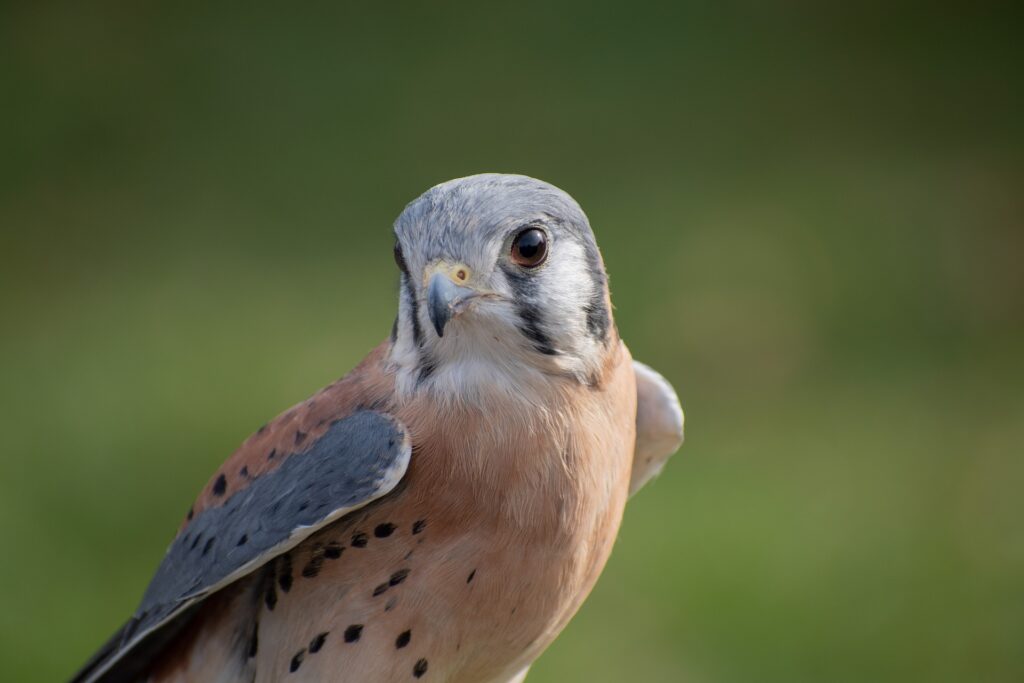
Predator prevention is another crucial factor to consider when housing a kestrel. I always make sure their enclosure is secure and protected from potential predators like cats, dogs, or other larger birds of prey. Proper maintenance of their living space will also help prevent unwanted pests like rodents which can carry diseases harmful to your feathered friend.
## Equipment
To effectively train my kestrel, I rely on essential gear such as a hood to keep the bird from becoming stressed and agitated, jesses – leather straps connected to its legs for handling and control – a leash or swivel, and falconry gloves. By carefully covering the head with a hood during training sessions, it helps ensure that my beloved kestrel remains tranquil. To ensure the safety and health of your kestrel, it is essential to secure them with a leash or swivel when flying and wear gloves for protection from their sharp talons. Additionally, you may require a lure for training as well as creance; additionally, an appropriate mews or aviary should be provided so that they can live comfortably outside of flight times. Most importantly, though, make sure all equipment is kept in excellent condition at all times!
## Cleaning Supplies
When it comes to cleaning supplies, there are a few key things to keep in mind. First off, non-toxic products are essential – after all, you don’t want any harmful chemicals or fumes near your feathered friend! You may also want to invest in some odour control solutions if necessary; while kestrels aren’t particularly smelly creatures themselves, the accumulation of waste over time can certainly create an unpleasant environment.
In terms of frequency schedule, we recommend checking on your kestrel’s mew every month or so to see how much debris has accumulated. While a full clean isn’t always necessary each time (especially during the colder winter months when they tend to use less material), you should aim for a thorough clean every 2-3 months at a minimum. Remember: a clean home makes for a happy bird!
## Food And Water
Ensuring your kestrel is fit, healthy, and content requires providing it with a nutritious diet. Kestrels are carnivores and thus require substantial amounts of protein in their diets; small mammals such as mice, voles, and shrews, plus insects like grasshoppers or crickets, should make up most of their meals. If you’re wondering where to obtain suitable food for them – no need to worry! You can easily find pre-made frozen options specifically created for raptors at pet stores or online retailers.
When caring for a kestrel, it is essential to keep to a daily feeding schedule. Similar to all animals, consistency plays an important role in their health and wellbeing. A fully grown adult kestrel should have approximately 3-4 ounces of food each day.However, this amount may vary depending on the bird’s activity level and health status. It’s best to split their daily ration into two meals: one in the morning and another in the evening.

Water quality is just as crucial as dietary requirements when caring for your kestrel. Clean water should be available at all times; ensuring its freshness is critical for their overall health. Kestrels will drink from open dishes or bowls that you provide them with either inside or outside their enclosure. Ensure that you change their water regularly and keep the dish clean to avoid any diseases.
Storing food properly is also vital to maintaining its nutritional value and avoiding spoilage that could harm your bird’s health. Frozen prey items must remain frozen until thawing time; then defrost overnight before giving it to your bird to eat. Keep fresh produce refrigerated until needed, and dispose of any uneaten portions after each mealtime promptly. By following these guidelines correctly, you’ll ensure that your kestrel stays healthy while under your care!
## Toys And Enrichment Items To Keep Your Bird Occupied
When it comes to keeping your kestrel occupied and happy, there are a variety of toys and enrichment items that you can provide. One option is creating DIY toys using materials such as cardboard, wood, or natural fibres. These toys can promote mental stimulation and encourage foraging activities by hiding treats inside.
Another important aspect of caring for a kestrel is providing opportunities for flying exercises. This not only keeps them physically fit but also mimics their natural behaviour in the wild. Consider setting up perches at different heights around their living space to encourage flying between them.
Remember, every bird has unique preferences when it comes to toys and activities, so don’t be afraid to experiment and find what works best for your individual kestrel. Providing plenty of options for playtime and exercise will help keep them healthy and content in their home environment.
In conclusion, housing a kestrel requires careful consideration and preparation. As someone who has had the privilege of working with these magnificent birds, I can tell you that they deserve nothing but the best care possible.
# What Do I Need To House A Kestrel?
Being in the falconry industry for many years, I know that keeping birds of prey, such as kestrels, requires a great deal of care and attention. If you are considering housing one of these magnificent creatures, there are several things you need to keep in mind.