

What speed does a kestrel fly at? This is a question that many falconers have asked, but it has yet to be answered. Kestrels are fast and agile birds that are known for their aerial acrobatics and can quickly change direction to pursue their prey, but what are the actual speed limitations for these birds of prey?
The answer will largely depend on the species in question, although most Kestrels have been known to fly at speeds of 39-40mph (62-64kmp). However, they are also able to reach speeds of up to 200mph (321kmp) while diving making them one of the fastest birds out there.
A Kestrels speed has been marvelled at for centuries, and with them reaching top speeds during a dive, it’s no wonder why. It’s now time to examine how circumstances affect their speed and if anything else will alter their pace.
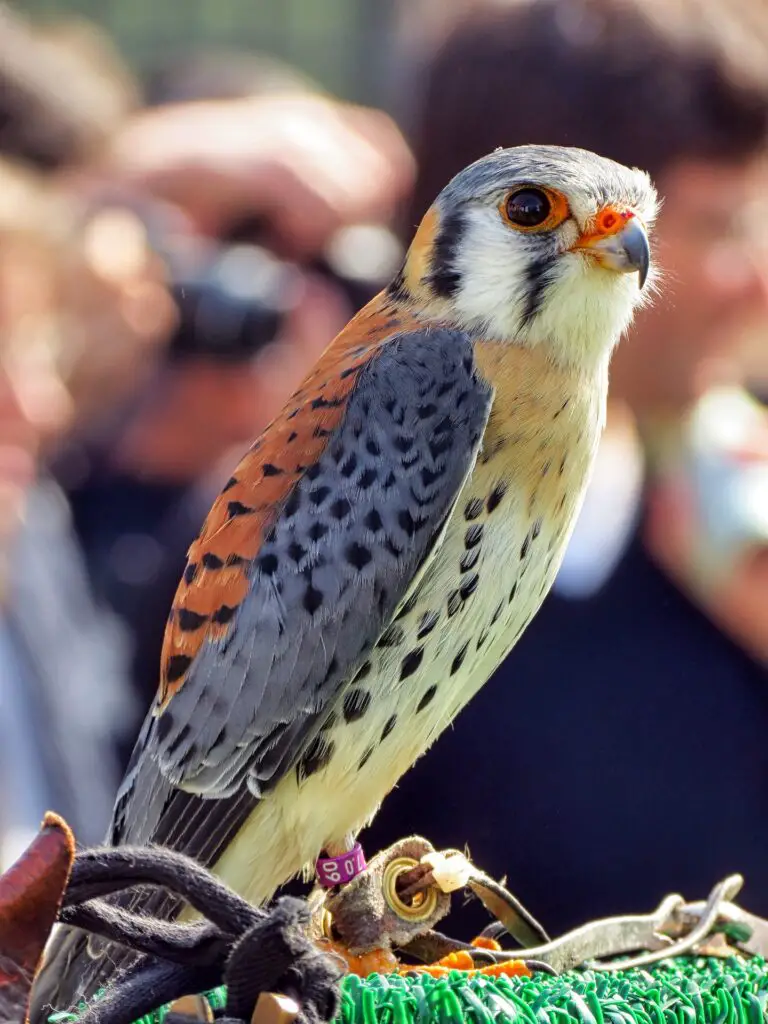
What is the highest documented speed of a kestrel?
The Kestrel is a small falcon that is found in many habitats around the world. Kestrels are known for their sharp vision and quick hunting prowess, and they are often used in falconry. The highest recorded speed of a kestrel is 38-40mph. This makes them one of the fastest birds in flight. Kestrels typically hunt during the day, using the excellent vision they possess to spot their prey at a distance. When they see their target, they will swoop down and catch it with their powerful talons.
What makes a kestrel so fast?
The Kestrel is a small but mighty bird of prey, capable of speeds exceeding 40 miles per hour in level flight. So what gives this little raptor its speed? One key factor is its long, narrow wings. Kestrels have the highest wing aspect ratio of any bird, meaning that their wings are much longer than they are wide. This allows them to fly faster and with less effort than birds with shorter, broader wings. In addition, kestrels have specially adapted tail feathers that help them to make sharp turns and change directions quickly in mid-air. Combined with their powerful muscles and keen eyesight, these adaptations make kestrels expert hunters and allow them to outmanoeuvre their prey and, therfore are very popular in falconry.
Is the Kestrel the fastest bird on Earth?
The Kestrel is a small but mighty bird of prey. It is one of North America’s smallest birds of prey that, weighs only about four ounces. Despite its diminutive size, the Kestrel is capable of reaching speeds of up to 100 miles per hour when diving for prey. While the Kestrel is not the fastest bird on Earth – that honour belongs to the Peregrine Falcon, which can reach speeds exceeding 200 miles per hour when diving – it is undoubtedly one of the most agile and manoeuvrable hunters in the skies. Thanks to its keen eyesight and powerful talons, the Kestrel is adept at taking down birds and small mammals that are much larger than itself. For these reasons, the Kestrel is a fierce and fearsome predator – even though it might not be the fastest bird on Earth.
Does a kestrel’s speed give it a better success rate when hunting?
The Kestrel is a small raptor with a range of hunting strategies. It can be found hovering over fields, looking for prey, or perched on a tree branch, waiting to pounce. Kestrels are also adept at chasing down game on the ground. One advantage that kestrels have when hunting is their speed. They are able to reach speeds of up to 100 kilometres per hour when in pursuit of their quarry. This makes them one of the fastest birds in the air. The Kestrel’s speed gives it a better success rate when hunting as it can more easily catch up to and overtake its prey. In addition, the Kestrel’s speed makes it less likely to be seen by its target before it strikes, giving it an element of surprise. As a result, the Kestrel’s speed is an essential factor in its hunting prowess and falconers are aware of this.
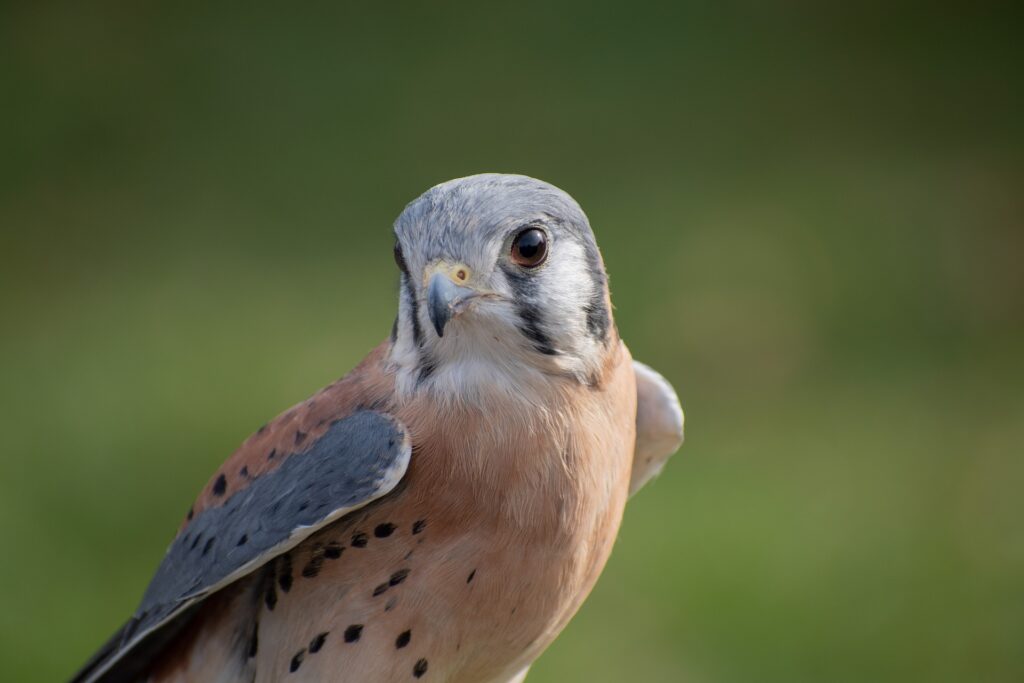
How long does it take to build up speed?
Kestrels are capable of reaching high speeds when they dive, but they must first build up momentum by flying into the wind. The faster the wind is blowing, the longer it will take the Kestrel to reach its top speed. In ideal conditions, a kestrel can reach speeds of up to 160 kilometres per hour. However, it may take the Kestrel several minutes to get this speed in strong winds. Thus, the amount of time it takes for a kestrel to build up momentum depends on the wind’s strength and the bird’s own level of fitness.
How fast can it fly when carrying prey?
Kestrels are small, nimble birds of prey that are known for their speed and hunting prowess. On average, kestrels can reach speeds of up to 40 miles per hour when flying in the open air. However, when carrying prey, their speed is significantly reduced. Studies have shown that kestrels can only fly at around 15 miles per hour when carrying a significant load. This reduction in speed is due to the fact that carrying prey requires more energy and effort than flying without a load. As a result, kestrels must be careful not to over-exert themselves when carrying game back to their nests. Otherwise, they may need more energy to make the return journey.
If you want to see a kestrel in action, you don’t have to go too far. These small falcons can be seen darting around fields and meadows near you. Kestrels are the perfect example of how adapting to your surroundings can help you survive and thrive. So the next time you’re out for a walk, keep an eye out for these speedy birds and see how they’ve adapted to their environment. If you’d like to discover more about the Kestrel and its speed, be sure to check out our other blog posts about this fantastic bird! We’ll be delving into topics such as the hunting habits of the Kestrel in falconry and how climate change is affecting their populations.