

The average lifespan of a goshawk is considerably less than 20 years in captivity. In the wild, goshawks have a lifespan of about six years. Despite their relatively short lifespans, captive goshawks can be very long-lived birds. The lifespan of some individuals has been known to exceed twenty years. This longevity is likely caused by their lack of exposure to wild dangers and hazards. Captive environments also provide consistent food and shelter, which are essential for healthy goshawks.
Goshawks typically have a lifespan of between 10 and 15 years in the wild. However, they often live much longer when they are kept in captivity as part of falconry. For example, one study found that goshawks kept by falconers had a median lifespan of 22 years.
The longest-lived goshawk in the study was 28 years old. In spite of the fact that no definitive answer exists as to why captive goshawks live so much longer than their wild counterparts, it is likely due to the great care and attention that falconers give to their birds. As a result, goshawks kept in captivity can enjoy a long and healthy life.
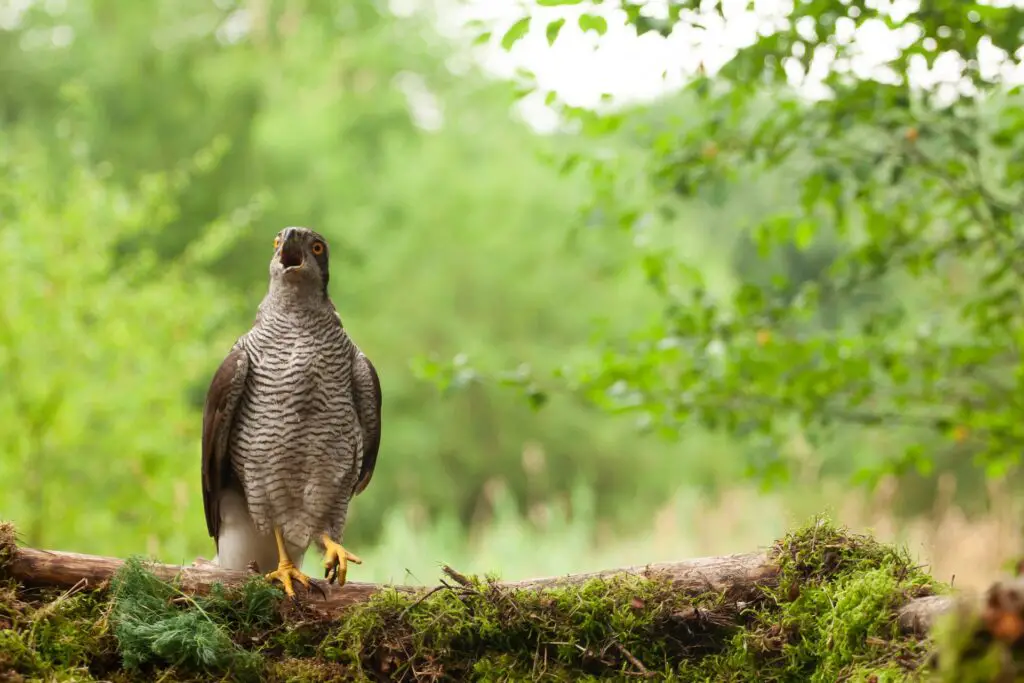
How long do goshawks live in captivity compared to the wild, and what’s the difference?
Goshawks have been used in falconry for centuries, and many of these birds live out their days in captivity. But how does this compare to their life expectancy in the wild? Although there is some variation among individual birds, goshawks typically live between 10 and 15 years in the wild. In captivity, however, goshawks can live as long as 20 years. The main difference appears to be the level of care and attention that these birds receive from their falconers. In the wild, goshawks must fend for themselves, often facing difficult challenges in terms of food availability and predation pressure. In captive settings, goshawks are protected from these dangers and are typically well-fed and cared for by their falconers. As a result, they are able to reach an age that would not be possible in the wild.
What can increase the lifespan of my goshawks?
Many factors can play a role in this shortened lifespan, including poor diet, lack of exercise, and stress. However, there are also several things that a falconer can do to help increase the lifespan of their goshawk.
Providing a healthy diet is important. Goshawks require a diet high in proteins and fats and low in carbohydrates. They typically eat small mammals such as rabbits and squirrels in the wild. In captivity, falconers can provide a diet of raw meat or commercially-prepared falconry food.
Another important factor is exercise. Goshawks are built for flight and fly for hours every day in the wild. However, in captivity, they often don’t have the opportunity to fly as much as they need to. As a result, it’s important for falconers to give their goshawks regular opportunities to fly and hunt. This helps keep them physically healthy and provides mental stimulation to help reduce stress levels.
Finally, it’s important to try to minimize stressors in the goshawk’s environment. This means providing a spacious enclosure where they feel safe and secure, minimizing noise and activity around them, and avoiding handling them more than necessary. By taking these steps, falconers can help increase their goshawks’ lifespan and ensure they enjoy a long and healthy life.
What can shorten the lifespan of my goshawks?
Stress from captivity is one of the main reasons for this. Goshawks are very high-energy birds requiring a large amount of space to roam and hunt. In captivity, they are often confined to small spaces, which can lead to health problems and early death. Additionally, falconers typically use harsh training methods, such as starvation, to force the birds to obey. This can also cause physical and psychological stress that shortens the goshawk’s lifespan. Although falconry has been practised for centuries, it is clear that it takes a toll on the health of these magnificent birds.
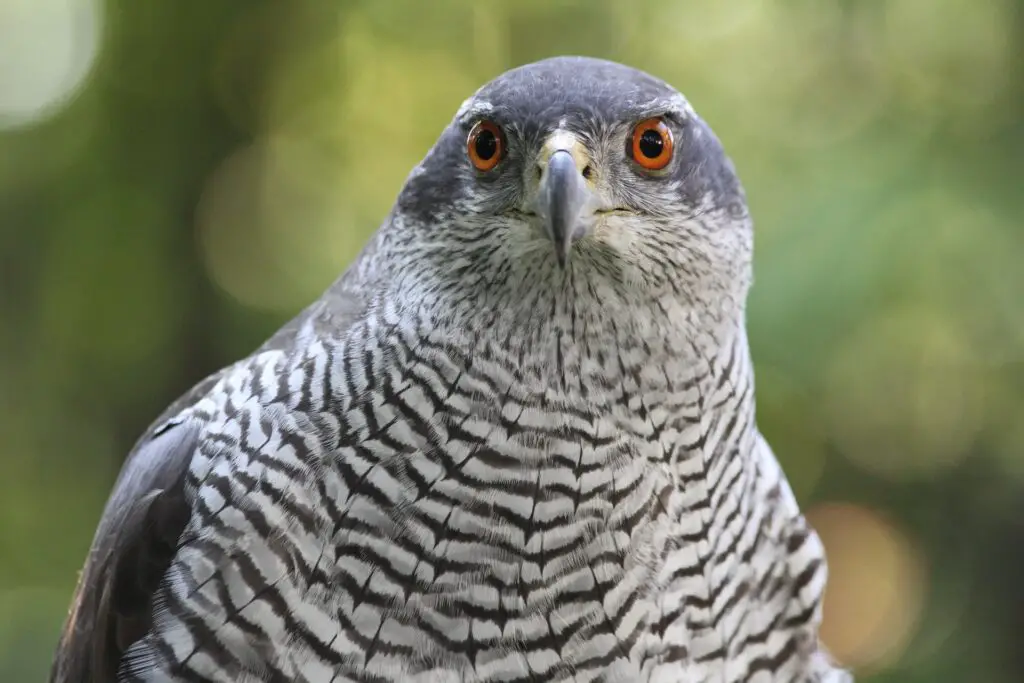
How do regular vet check-ups contribute to a longer lifespan?
While goshawks are tough and resilient birds, they still require regular vet check-ups to ensure their continued health. These check-ups help to catch any potential health problems early before they have a chance to become serious. In addition, regular vet visits give falconers a chance to ask questions and find out how to best care for their birds. As a result, goshawks that receive regular vet care tend to have a longer lifespan than those that do not. So if you’re a falconer, be sure to keep your goshawk healthy and happy by taking them for regular check-ups at the vet.
What are some of the things goshawks can do during their lifespan to make it more enjoyable or beneficial for them and their environment?
Some things that goshawks can do to make their lives more enjoyable or beneficial are to nest in large trees, have a territory of around 2500 acres, and be able to fly at speeds of up to 55 miles per hour. Goshawks also benefit their environment by helping to keep the numbers of smaller birds and mammals in check. They hunt a variety of animals, such as squirrels, rabbits, mice and other small birds, thus controlling their populations. Goshawks are also beneficial for pest control by eating insects or larvae that can damage crops. Finally, goshawks help to maintain the balance of nature by serving as apex predators and keeping their ecosystem healthy. Goshawks also play an important role in providing food for other animals, such as eagles, hawks, owls, and other birds of prey. Overall, goshawks are a vital part of any balanced ecosystem.
By engaging in these activities, goshawks can help maintain a healthy population of raptors while also providing valuable resources for other wildlife species and humans. Therefore, they are important members of our ecosystems and should be protected from any harm caused by humans.
What is the leading cause of death among goshawks?
Aspergillosis is the leading cause of death among goshawks. Aspergillosis is a fungal infection that affects the respiratory system and can be fatal if left untreated. It is caused by spores of the Aspergillus fungus, which can be found in moist soil, decaying vegetation, bird seed, and poultry manure. Goshawks are particularly susceptible to aspergillosis due to their high-energy lifestyle and the fact that they inhabit areas with a large variety of potential sources of infection. Common symptoms of aspergillosis include coughing, breathing difficulty, lethargy, decreased appetite, weight loss, and difficulty breathing. Treatment is available but can be difficult, so prevention is key to keeping goshawks healthy and reducing their risk of aspergillosis. Falconers should ensure that their birds have a clean and dry environment, as well as access to a variety of fresh foods, in order to reduce the risk of infection. With proper care and attention, goshawks can live long, healthy lives.