

The American kestrel is the perfect bird for falconry. They are easy to breed and maintain, and they have a lot of personalities. Among falconers, they are trendy due to their availability, and over the years, more and more are being captive-bred; how is this done, though? What are the requirements?
To breed kestrels, you would need to recreate the wild as much as possible first; you need to provide a nesting box. You must also make sure the birds are in good health; a diet rich in proteins, vitamins, and minerals is essential. You should also offer fresh water sources for them to drink from and be on the lookout for any signs of illness or disease.
Breeding kestrels may be much simpler than other birds of prey, but there is still a lot of attention to detail that needs to be adhered to, so we will discuss how to breed American kestrels for falconry. We will cover everything from choosing the right birds, setting up the breeding aviary, and raising the young. So whether you are interested in becoming a falconer or want to learn more about these fascinating birds, this blog post is for you!
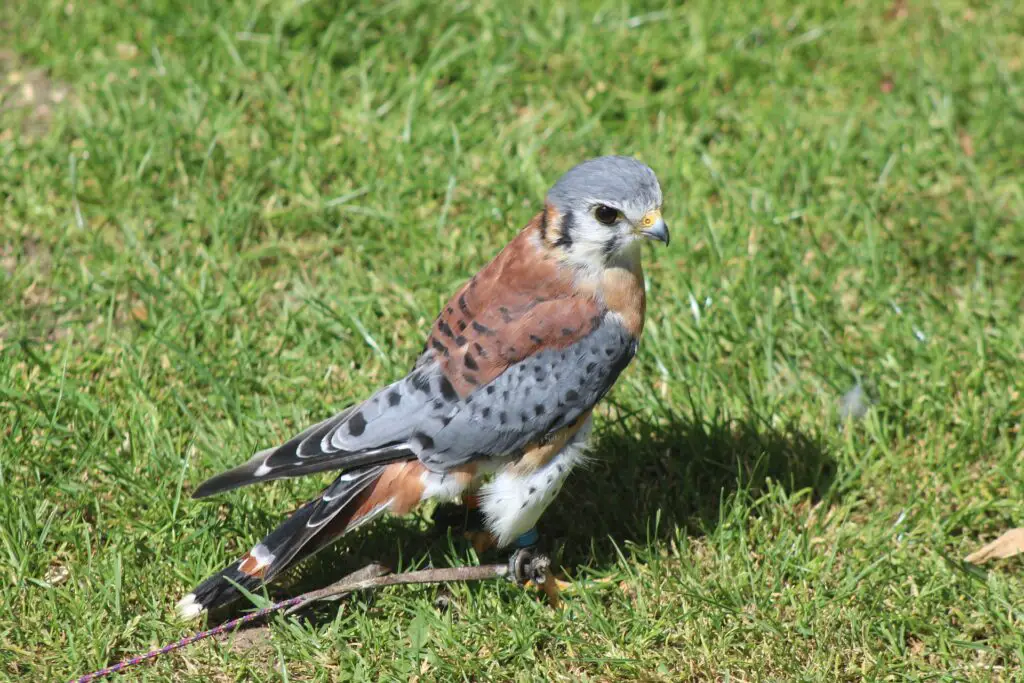
What are the requirements for breeding American kestrels in captivity?
The American kestrel (Falco sparverius) is North America’s smallest and most common falcon. This beautiful bird of prey is found in a wide range of habitats, from open grasslands to urban areas. Kestrels typically nest in cavities, but they will also use artificial nest boxes. In captivity, kestrels can be bred in aviaries or flight cages. The minimum avairy size for a pair of kestrels should be 5 x 5 x 8 feet, with larger cages being better. Kestrels prefer a diet of live prey, such as insects, lizards, and small rodents. A pair of kestrels will typically produce 2-5 eggs per clutch, and the eggs should be incubated for 28-31 days. Kestrel chicks should be fed a chopped meat and insects diet up to the point where they are independent. With proper care, American kestrels can thrive in captivity and provide hours of enjoyment for their human caretakers.
Preparation of the nest box
North America’s most common falcon, the American kestrel, is the smallest of all falcons. They are a popular choice for falconry, as they are relatively easy to train and can be flown in a wide range of conditions. Kestrels typically nest in cavities, so when preparing a nest box for them, it is essential to make sure that the entrance hole is the correct size. The box should also be placed in a suitable location – kestrels generally prefer open areas with good visibility. Once the nest box is in place, it is essential to monitor it regularly to make sure that the bird is using it correctly. If the kestrel does not take to the nest box, it may be necessary to try a different location or type of box.
The process of mating
The process of actual mating between American kestrels in captivity is quite fascinating. The male will first select a perch from which he can easily watch the female. He will then call out to her with a sharp, whistle-like sound. If the female is interested, she will approach him and allow him to copulate with her. Though kestrels are small birds, they are ferocious predators. In the wild, they typically mate for life and work together to hunt and raise their young. However, kestrels in captivity must be carefully matched by size, personality, and hunting style to create a compatible pair. The process of actual mating between kestrels can be pretty brutal, as the male will grip the female’s head with his talons and force her to submit. Once the pair has mated, they will continue hunting and caring for their young. Though they may not be able to return to the wild, captive kestrels can still enjoy a long and prosperous life with their chosen mate.
Is there a specific time of year when American kestrels breed best?
While kestrels typically breed in the spring, they can actually breed throughout the year if conditions are favourable. In general, kestrels prefer open habitats with plenty of prey and will often nest in cavities or on ledges. If food is scarce, however, kestrels will delay breeding until conditions improve. In addition, female kestrels usually only produce one clutch of eggs per year, but they may produce two if conditions are favourable. As a result, the best time to breed American kestrels depends on the availability of food and suitable nesting sites.
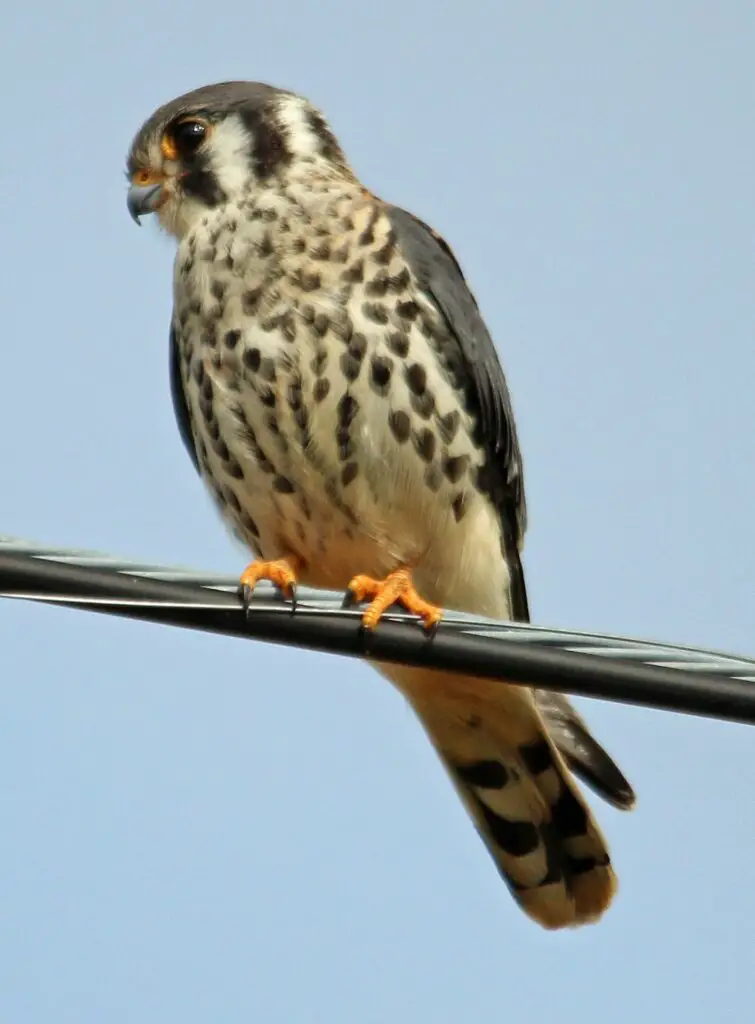
What is the average number of eggs laid by a female, and what is the incubation process?
On average, female kestrels will lay 3 to 7 eggs per clutch, though the size of the clutch can vary depending on factors such as the age and health of the bird. The eggs are incubated for about 30 days, and the young kestrels will leave the nest after another 30 to 40 days. After fledging, young kestrels will remain dependent on their parents for several weeks as they learn to hunt. Once they have mastered the skills of survival, they will strike out on their own, typically living for another 3 to 5 years in the wild. Given the wide range in lifespan and reproductive success, it is difficult to estimate an exact number for average number of eggs laid by a female American kestrel over her lifetime. However, with a typical lifespan of 5 years (in the wild)and an average clutch size of 4 eggs per year, it is estimated that a female kestrel will lay between 20 and 40 eggs over the course of her lifetime. In captivity, females can live up to 17+ years and will lay significantly more.
If you are interested in breeding American kestrels, a lot of information is available to help you get started. The process can be complicated, but it can also be gratifying. By following the tips we have provided and by doing your own research, you should be able to breed healthy and prosperous American kestrels.