
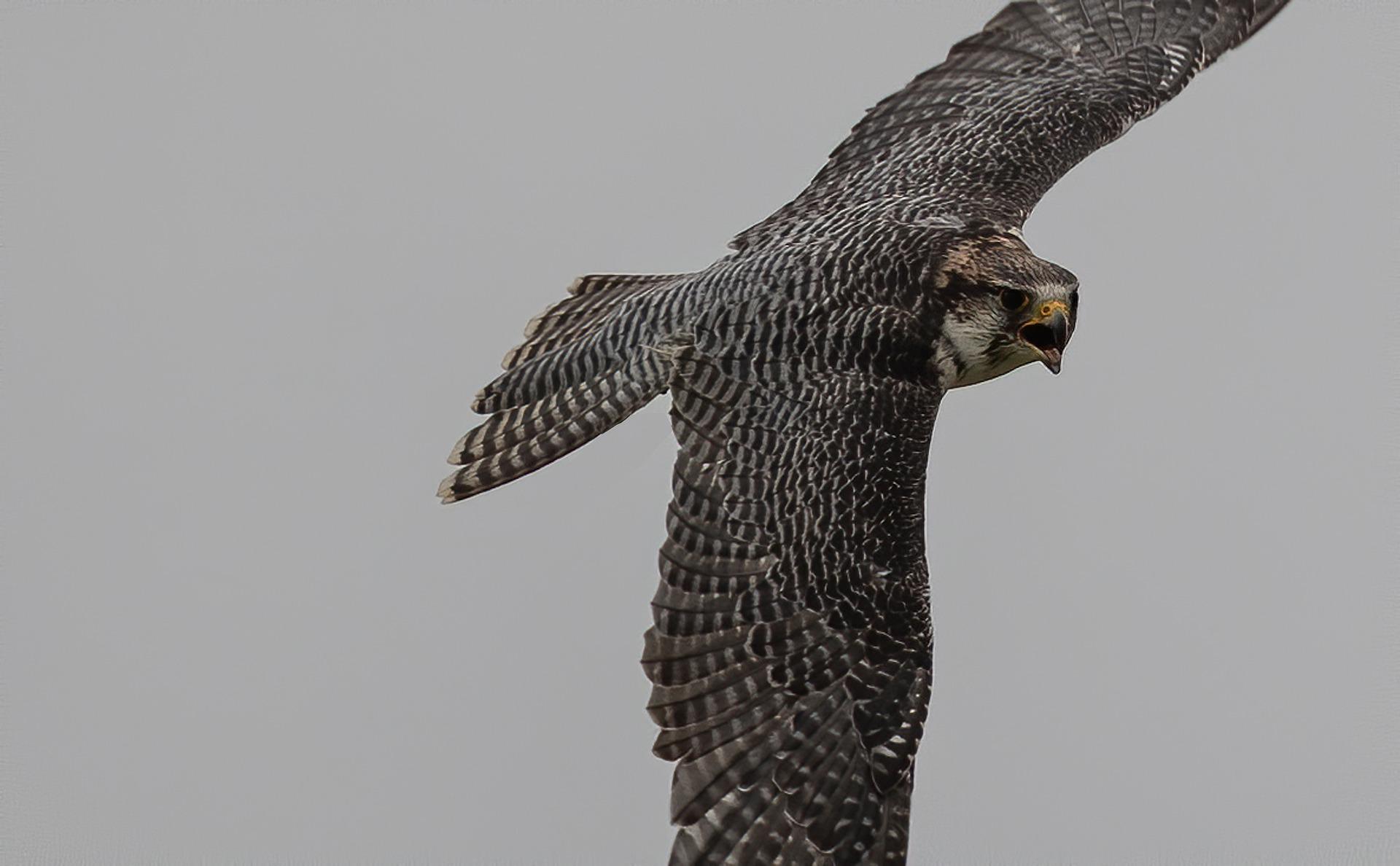
The Peregrine is a Raptor that is found all over the world. It’s a member of the Falconidae family and is known for its speed and agility. The peregrine Falcon is a very versatile hunter known to take down animals much larger than itself, but can they be used for hunting?
Peregrine falcons can definitely be used for hunting; in fact, Peregrine falcons have been used for hunting since ancient times and are still famous for hunters today. These great raptors make great hunting partners once they have been imprinted on and trained for falconry.
Hunting with a peregrine falcon is an experience that cannot be explained. However, it must be felt, and if you intend on hunting with a falcon, then the content below covers all aspects of hunting with a peregrine falcon, so enjoy.
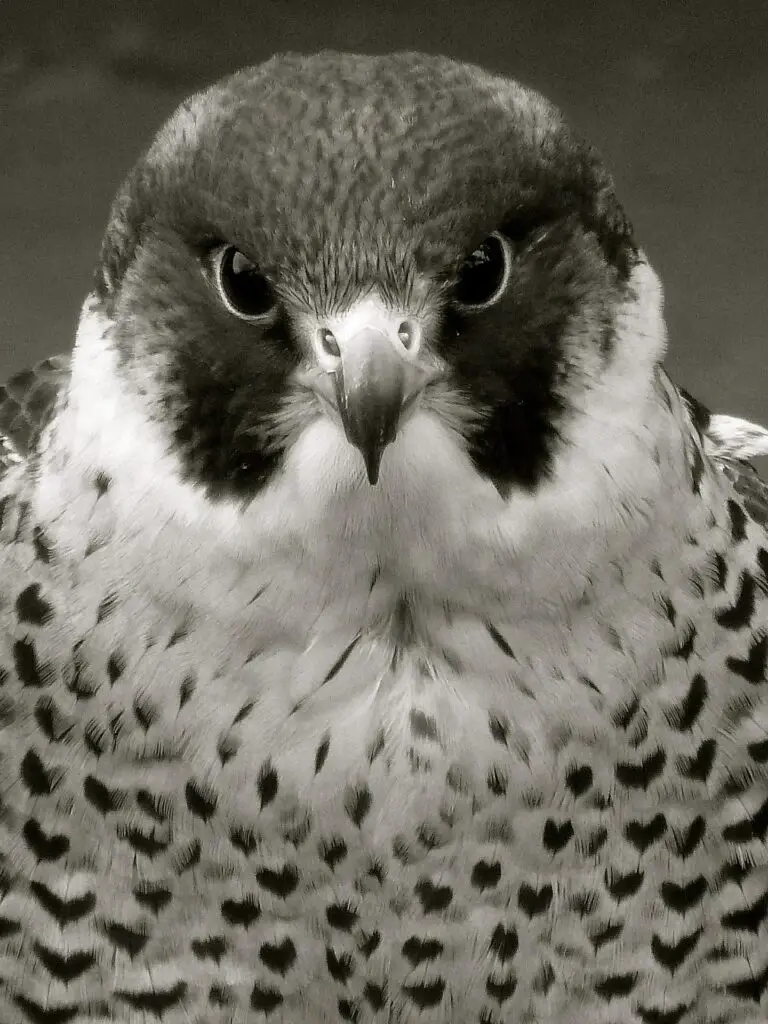
Why are peregrine falcons preferred for hunting
Falconry is the practice of hunting animals with trained birds of prey for sport. Peregrine falcons are famous for falconers because they are fast and agile flyers, making them well-suited for chasing down fast-moving prey. In addition, peregrine falcons have sharp talons and beaks that can quickly kill their prey. Falcons typically hunt small mammals such as rabbits and squirrels, but they can also be trained to hunt larger mammals such as deer and foxes. While peregrine falcons are the most popular choice for falconry, other birds of prey, such as gyrfalcons and Harris’s hawks, are also used in most parts of the world.
What do peregrine falcons hunt?
In the world, peregrine falcons are one of the most common types of birds of prey. They hunt a variety of animals, including small mammals, reptiles, and birds. Peregrine falcons typically use two hunting methods: stalking and ambush. For example, when hunting small mammals, peregrine falcons will perch on a branch and wait for their prey to come into view. Then, once the game is in range, the peregrine Falcon will swoop down and snatch it up with its talons. Alternatively, when hunting birds, peregrine falcons will often fly high above their prey and then dive-bomb them at high speeds. This gives the peregrine Falcon a significant advantage over its prey, as the bird is often stunned or killed by the impact. Either way, these powerful predators are skilled hunters that play an essential role in keeping ecosystems in balance.
What equipment do you need to hunt with a peregrine falcon?
Peregrine falcons are among the most popular birds of prey for falconry, and for a good reason. They are fast and agile hunters that can take down a wide range of prey, including small songbirds and large waterfowl. You’ll need a few things if you’re interested in hunting with a peregrine falcon. First, you’ll need a trained bird. Peregrine falcons can be challenging to train, so it’s essential to find an experienced falconer who can help you get started. Once you have a trained bird, you’ll need some basic equipment, including a hood, gloves, and jesses (leather straps used to secure the bird to your arm). You’ll also need a perch for your bird to rest on when it’s not hunting and a bag or box to transport your bird in. With the right equipment and a bit of practice, you can enjoy a successful day of hunting with your peregrine falcon.
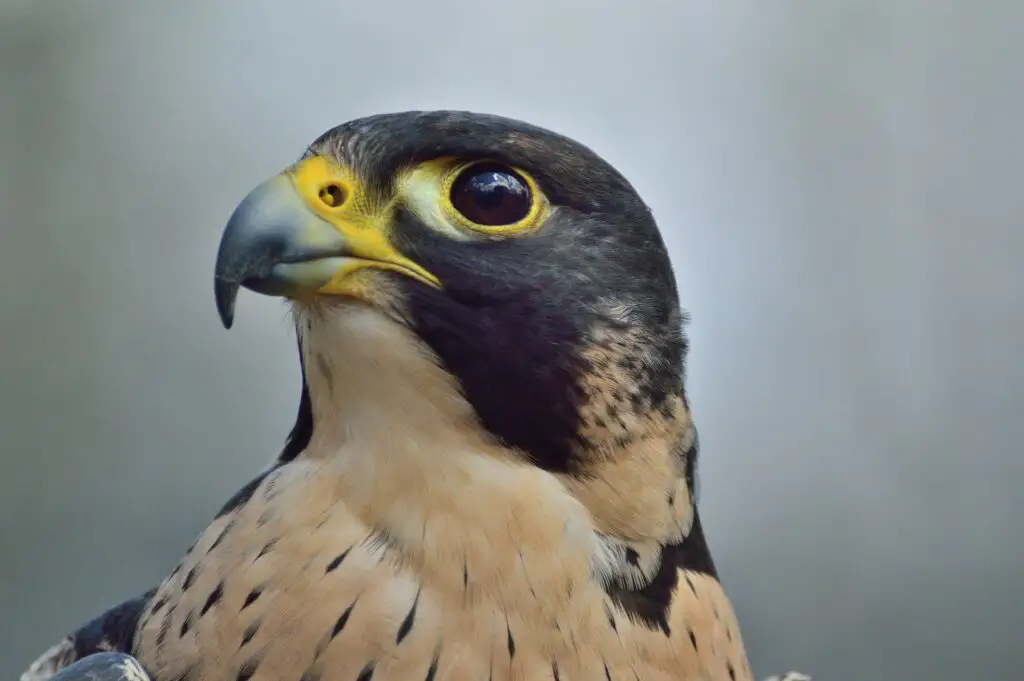
How often do peregrine falcons hunt
In the wild, peregrine falcons typically hunt multiple times each day. They often begin hunting soon after sunrise and continue until dusk. However, they will also hunt during the night if there is sufficient light. In captivity, peregrine falcons are typically fed once or twice a day. However, they may be given more frequent meals if they are being trained for hunting or if they are moulting. Although peregrine falcons typically hunt alone, they have been known to collaborate with other birds of prey, such as eagles and owls. When hunting in a group, each bird usually focuses on a different area, which helps to increase its chances of success. In addition, by working together, birds of prey can more effectively search for and capture their prey.
Can Peregrine falcons hunt at night?
Peregrine falcons are predators that primarily hunt during the day. Their sharp eyesight and diving speed allow them to take down a variety of prey, from small birds to large mammals. However, peregrine falcons are not strictly diurnal hunters; they have also been known to hunt at night. Night hunting is more challenging for peregrines, as their prey is more difficult to spot in the dark. In addition, the Peregrine’s traditional methods of hunting (i.e. diving from a high vantage point) are less effective in the darkness. For these reasons, night hunting is less common among peregrines than day hunting. Nevertheless, when food is scarce, or conditions are otherwise favourable for night hunting, these powerful predators will take to the skies in search of their next meal.
Can peregrines hunt in windy or stormy conditions, and how will this affect them?
Peregrine falcons are known for their hunting prowess, but can they still hunt effectively in windy or stormy conditions? The answer is yes, but it does take some adjustments. Peregrines typically hunt by flying high above their prey and then diving down at high speeds to make the kill. However, in high winds, they may need help to fly as high, which means they will have to adjust their tactics. One option is to scan the ground for prey from a lower altitude. Another is to use the wind currents to help them gain altitude more quickly. Either way, peregrines are adaptable hunters who can still succeed even in less-than-ideal conditions.
How can you sharpen a peregrine falcon’s hunting skills in falconry?
Training a peregrine falcon to hunt is a process that takes patience and practice. Falcons are naturally curious birds, so the first step is to get them Falcon interested in the process of hunting. This can be done by showing the Falcon live prey or by providing it with an artificial hunting dummy. Once the Falcon is interested in hunting, the next step is to teach it how to identify and pursue prey. This can be done by flying the Falcon behind a moving vehicle or by releasing it into an area where there is known to be wildlife. The final step is to help the Falcon hone its skills by providing opportunities for it to practice hunting under supervision. This can be done by setting up hunts in controlled environments, such as game farms or aviaries. Following these steps can help sharpen a peregrine falcon’s hunting skills and prepare it for life in the wild.

What are the benefits of using peregrine falcons for hunting instead of other raptor species’?
Peregrine falcons are often used for hunting because of their many advantageous qualities. For one, peregrine falcons have the fastest flight speeds in the world, capable of reaching up to 200 miles per hour. Additionally, peregrine falcons have keen eyesight and can spot their prey from a great distance. When hunting, peregrine falcons will dive down from high up in the sky, striking their target with mighty force. This particular hunting method is known as “stooping.” Due to their speed, eyesight, and Hunting methods, peregrine falcons are highly effective predators that can bring down a variety of different species. As a result, hunters often use them to increase the chances of a successful hunt.
Are there any ethical concerns with using peregrine falcons for hunting in falconry?
The use of peregrine falcons for hunting has been a practice for centuries, dating back to ancient Egypt and China. Today, the sport of falconry is still practised around the world, and peregrine falcons are still prized for their hunting abilities. However, some ethical concerns are associated with using these birds for hunting purposes. One problem is that peregrine falcons are not native to many parts of the world, where they are now used for hunting. As a result, they may be displacing native raptor species that are better adapted to the local environment. Additionally, some critics argue that peregrine falcons are taken from the wild and then subjected to an unnatural lifestyle in captivity. While there are regulations to ensure captive bird welfare, some argue that these regulations are not adequately enforced. Overall, many ethical concerns are associated with using peregrine falcons for hunting purposes. However, these concerns must be balanced against this ancient practice’s cultural and historical significance.
How might the use of peregrine falcons for hunting in falconry change in the future?
As the world continues to change, so does the practice of falconry. For centuries, peregrine falcons have been used for hunting, but as prey populations decline and habitats are destroyed, falconers are finding it increasingly difficult to find suitable birds. In addition, the use of Peregrine falcons for hunting is regulated by law in many countries, and the number of permits issued each year is limited. As a result, falconry’s future may lie in using other species of birds. In particular, the Eurasian eagle-owl and the saker falcon are becoming more popular among falconers. Both of these species are adaptable and can be found in a variety of habitats, making them ideal for hunts in areas where peregrine populations have declined. In addition, both species are relatively easy to train and provide an exciting hunting experience. As the world continues to change, so too will the practice of falconry. The use of peregrine falcons for hunting may decline in the future, but other species of birds will likely take their place.
What could this mean for the practice overall?
Falconry is an ancient practice that has evolved over time to meet the changing needs of hunters and falconers. Today, it is considered a sport, with competitions and training programs designed to improve the skills of both the bird and the handler. The use of technology has also played a role in the evolution of falconry, with GPS tracking devices and video cameras now being used to help track and monitor birds during hunts. As the world continues to change, falconry will likely continue to evolve along with it. While some aspects of the sport may remain constant, such as the use of trained birds to pursue prey, other elements are likely to change in order to keep up with the latest technology and trends. This could mean new tools and techniques are developed to help falconers train and hunt their birds more effectively. In any case, it is clear that falconry is a practice that is constantly evolving to meet the needs of its practitioners.
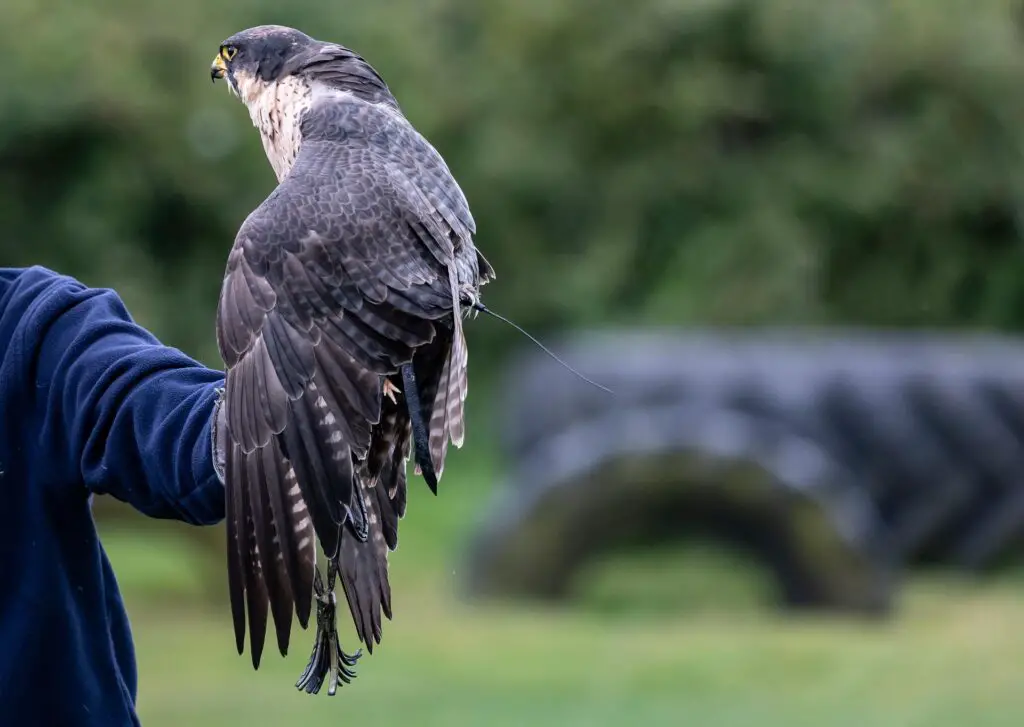
How old does a peregrine falcon have to be to hunt?
The answer varies depending on the individual bird. Some young falcons may begin hunting as early as four months old, while others may start once they are six months or even a year old. However, most birds fall somewhere in the middle, with most peregrine falcons becoming proficient hunters by the time they are eight or nine months old.
No matter when they start, all peregrine falcons go through a rigorous period of training and practice before they are genuinely ready to hunt on their own. During this time, they learn how to use their powerful talons and razor-sharp beaks to kill their prey quickly and efficiently. They also learn to spot potential prey from a great distance and track it through the air. Only when they have mastered all of these skills, do peregrine falcons become true masters of the hunt.
Peregrine falcons are incredible creatures that have many unique adaptations, including their hunting behaviour. Seeing these birds in action and witnessing their prowess as hunters is genuinely awe-inspiring. While peregrine falcons may not be the right fit for every bird hunter, they are definitely worth considering if you’re looking for a new challenge in the field. Have you ever hunted with a peregrine falcon? If so, You would know that it is a once-in-a-lifetime opportunity, so enjoy it!