
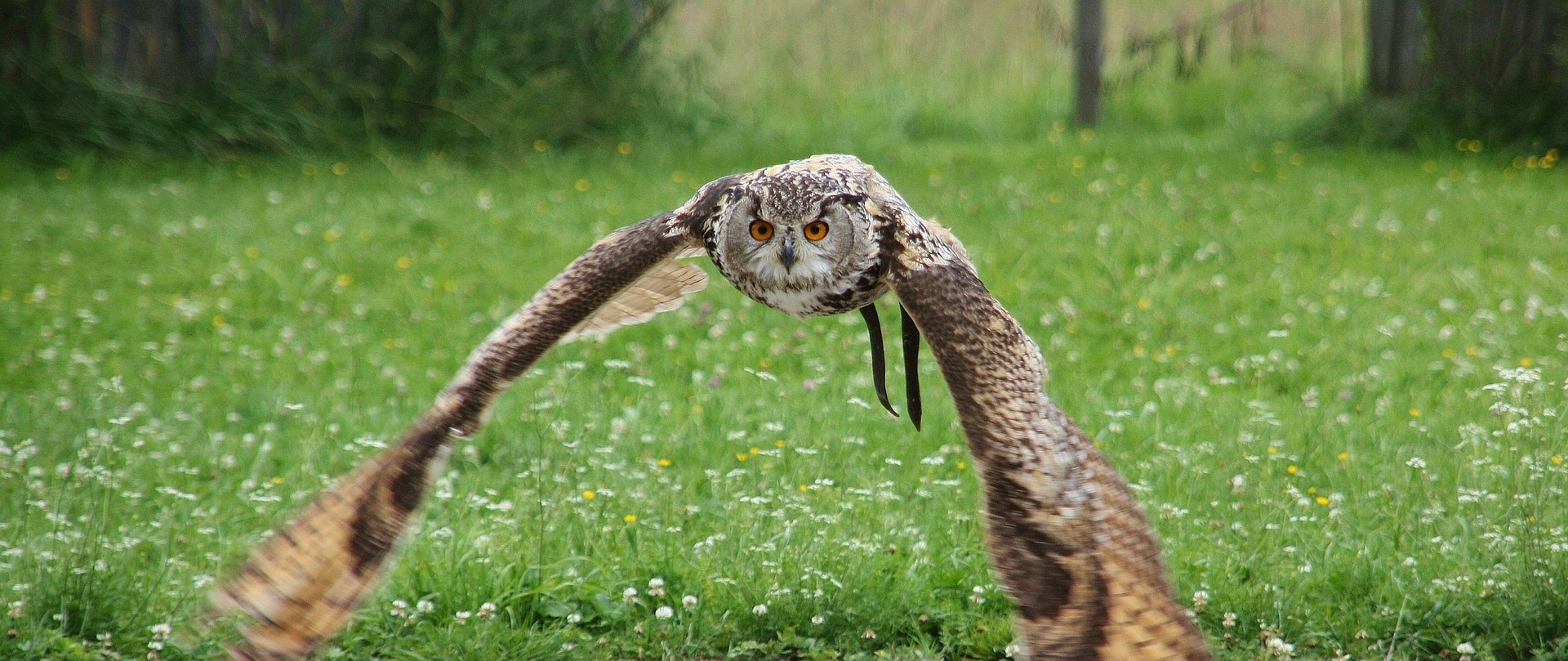
Few creatures in the animal kingdom are as regal and impressive as the wild falcon. With their powerful wings and sharp eyesight, these birds of prey have long been admired by humans for their strength and grace. Training wild falcons for hunting and pest control has grown in popularity over the past few years. Despite the fact that wild falcons can be trained, it requires a great deal of patience and expertise.
Falconers can train a wild falcon. The wild falcon may take longer and a little more effort to train. But it is a very fulfilling task to do so. All you need is patience and a lot of time. Falcons are very intelligent animals and will learn quickly what you want them to do.

The first step in training a wild falcon is to gain its trust. Providing food and shelter and handling it gently and carefully is the best way to achieve this. Once the bird trusts its falconer, it can then be taught basic commands such as come, stay, and go. More advanced tricks, such as diving or flying in formation, can take months or even years to master. It is important to remember that each wild falcon is unique and that some will never fully acclimate to life in captivity. For this reason, anyone considering training a wild falcon must be prepared for the possibility of failure.
What are the first steps to consider when handling a wild falcon?
The first thing to start with is to gain the trust of the falcon. When handling a wild falcon, you must consider your safety. These birds are powerful predators with sharp talons and can be extremely aggressive. Always approach a wild falcon with caution, and wear gloves and other protective gear to avoid injury. Following your assessment of the situation and if you are confident that you can safely handle the bird, the next step is to calm it down. Falcons are highly intelligent and responsive to touch, so gently stroking their feathers can help to calm them down. You may also want to try speaking softly and offering it food or water. Once the bird is calm, you can begin to handle it more carefully. Be sure to support its body and avoid its wings and talons, as these areas can be easily injured. You can safely enjoy spending time with a wild falcon with proper care and handling.
How to train a falcon?
Training a wild falcon is a process that takes time, patience and much dedication. Nonetheless, the experience is incredibly rewarding, both for the trainer and the bird. Here is a step-by-step guide on how to train a wild falcon:
1. Firstly, you need to gain the bird’s trust. This can be done by offering food from your hand and spending time around the bird on a daily basis.
2. Once the bird is comfortable with you, you can start to train it. Begin with simple commands such as ‘perch’ and ‘flight’.
3. As the bird becomes more used to training, you can start to introduce more complex commands. Remember always to reward the bird for correct behaviour.
4. It is essential to maintain regular training sessions in order to keep the bird’s attention focused. However, do not overdo it; the bird will become stressed and frustrated.
With commitment and perseverance, you can successfully train a wild falcon. The bond between trainer and bird is unlike any other and is sure to be an unforgettable experience.
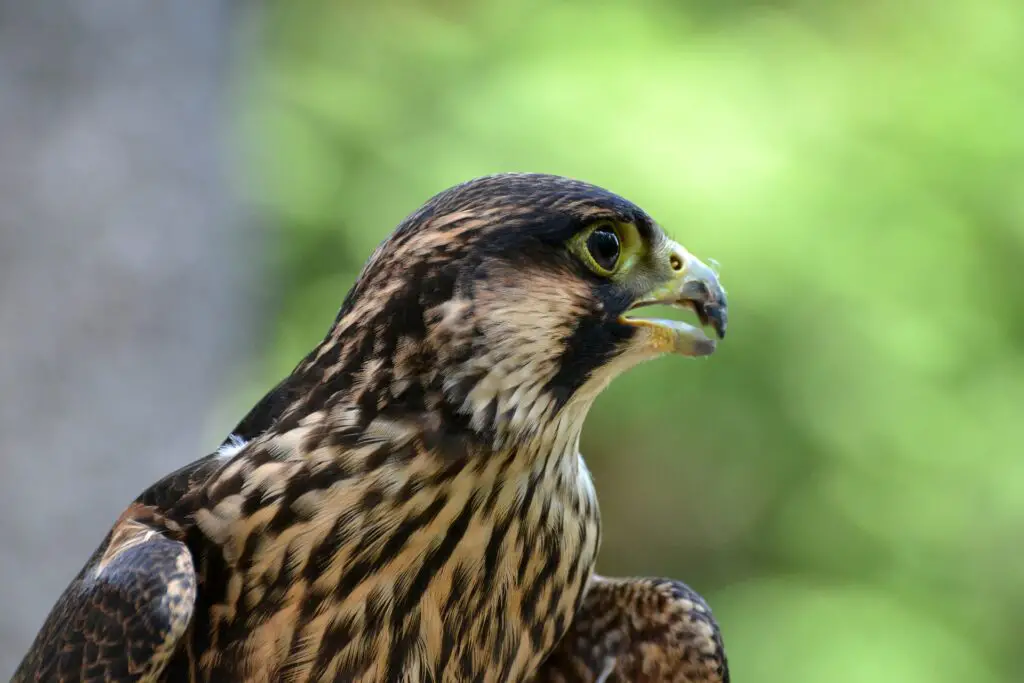
What is the easiest falcon to train?
People often debate over whether the Harris Hawk or the Peregrine Falcon are easier to train.
Falcons are amazing creatures of prey, known for their speed, agility, and sharp claws. Though they have been used in hunting for centuries, today, falconry is mainly practised as a sport or hobby. If you’re considering training a falcon, you may wonder which breed is easiest to work with. The Harris’ hawk is typically considered to be the most cooperative breed, while the peregrine falcon and American kestrel are also popular choices for beginners. Another factor to consider is whether you want to train your falcon for hunting or flying demonstrations – each requires different techniques. With patience and commitment, almost any falcon can be trained to hunt or perform tricks. So if you’re ready to take on the challenge of preparing a magnificent creature of prey, Falcons are amazing creatures of prey, known for their speed, agility, and sharp claws. Though they have been used in hunting for centuries, today, falconry is mostly practised as a sport or hobby. If you’re considering training a falcon, you may wonder which breed is easiest to work with.
Is it better to train a falcon to acquire a falcon that has already been trained?
This question cannot be definitively answered as it depends on the individual bird and the trainer’s level of experience. However, some people argue that it is easier to train a falcon if you already have one that has been trained. This is because the bird is already familiar with the process and will be more responsive to your commands.
Is there any equipment needed to train a falcon?
Training a falcon requires special equipment and takes a great deal of time and effort. In order to teach a falcon to hunt, you will need a glove, leash, and hood. The leash is used to keep the bird from flying away, while the hood is worn to keep the bird calm and prevent it from seeing distractions. When first starting out, it is also essential to have plenty of food on hand to reward the bird for good behaviour. Once the essential equipment is in place, you will need to invest significant time in training the bird. This includes teaching it how to perch, take off, and land. It also involves teaching the bird how to identify and pursue prey. In addition, the falcon must be taught how to return to the glove after catching its prey. As you can see, training a falcon takes great dedication and patience. Although it is not an easy endeavor, it has a great deal of reward.
Is it easier to train a male or female falcon?
Male or female, all birds of prey are predators by nature. They share characteristics that make them ideally suited for hunting, including powerful wings, sharp talons, and keen eyesight. However, each sex also has unique strengths and weaknesses that must be considered when training. For example, females are typically larger, but males are more aggressive, making them better suited for hunting larger prey. On the other hand, females are often more intelligent and less impulsive than males, making them easier to train for complex tasks such as retrieving games. Ultimately, the sex of a bird of prey is just one factor to consider when determining the best way to train it. Other important factors include the age of the bird, its individual temperament, and the type of prey it will be hunting.