
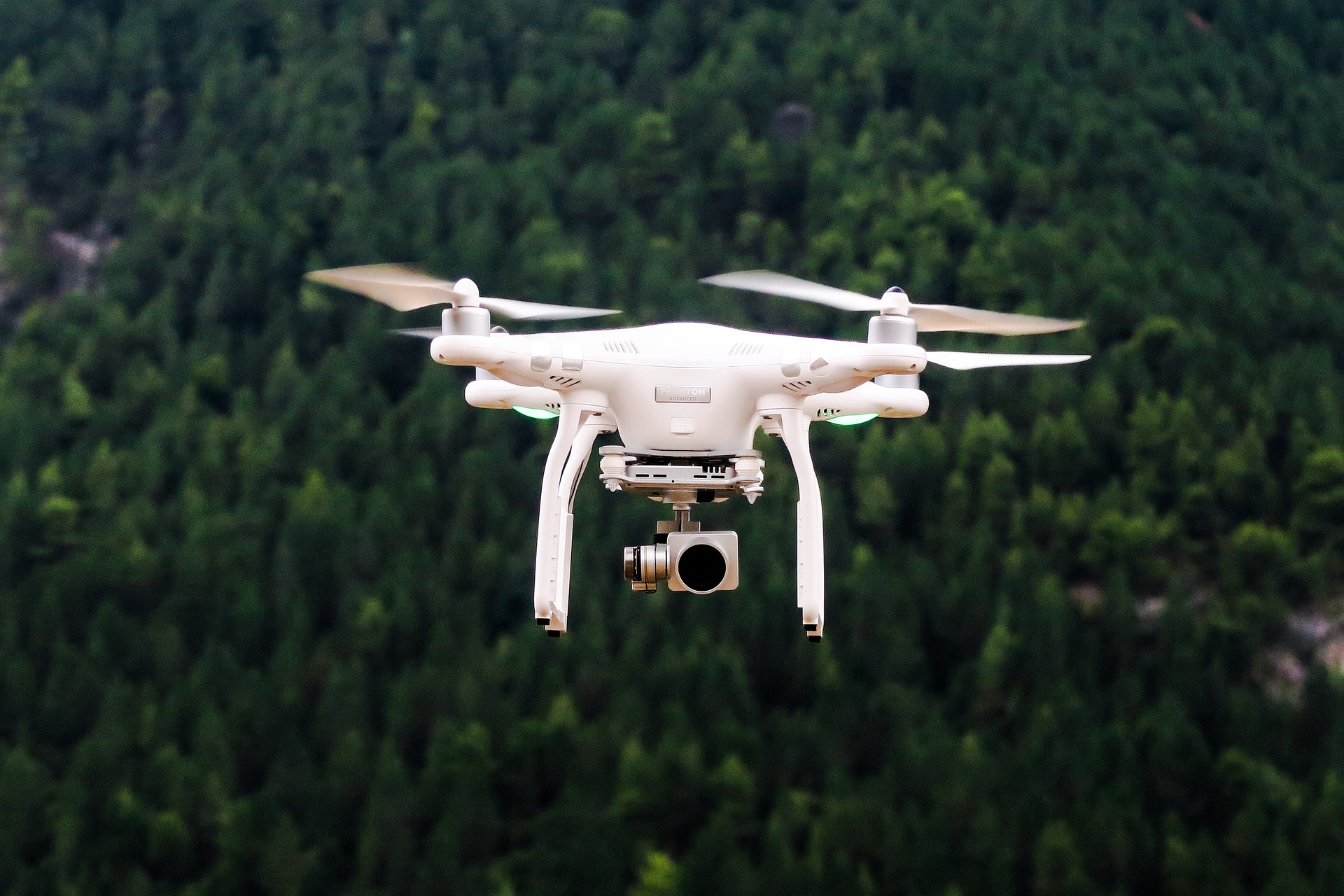
Drones are gaining popularity, and there is a drone for every situation. But did you know that drones may be utilised in falconry as well? Drones are becoming increasingly popular, and with that, their application in a wide range of tasks.
Drones are used in falconry for a variety of reasons. First and foremost, drones can be used to give falconers an aerial view of their birds as they fly. Falconers also use drones as a lure, attaching a food reward to the drones and letting the birds chase them. This helps to build the bird’s strength and agility.
Although using drones in falconry is a damn good idea it doesn’t come without its challenges namely the ability to fly one another is that it takes skills and practice to use one, so while this is a challenging process from my experiences and the the loss of a drone i have provided some aid that will surely help you if you plan to use a drone for falconry, so read on and educate yourself very soon you will be a master.
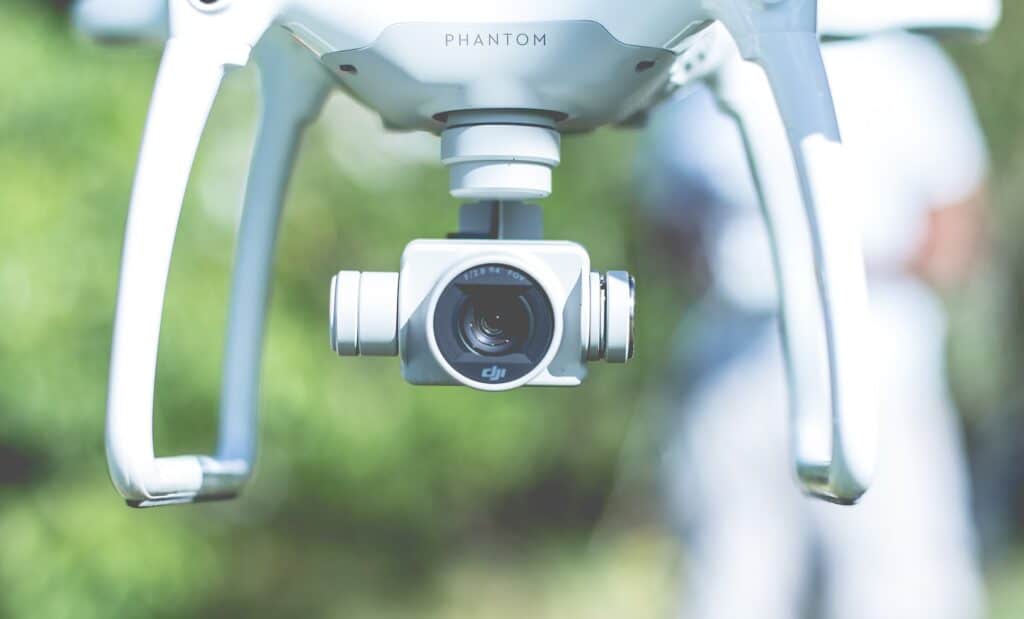
How drones can be used in falconry
Drones have many practical uses, and one intriguing application of drone technology is in the field of falconry. Falconry has been around since ancient times and involves using trained birds of prey in hunting scenarios. Using drones to act as decoys can lure larger games into the open so that hunters or their falcons can have a better chance of success. With their manoeuvrability and camera control capability, drones can also allow those skilled in falconry to monitor their bird’s location and flight patterns while in pursuit. For those who want to take their practice of falconry even further, drones can even help train and hone the birds’ hunting skills by providing moving targets for them to chase. Drones are proving to be incredibly useful for modern practitioners of falconry in innovative ways.
Benefits of using drones in falconry training
The use of drones in falconry training is proving to be an effective and efficient way of honing falcons’ coordination and hunting skills. Through drones, trainers can effectively simulate natural prey like ducks or geese, allowing the birds to practice chasing a real-life target. Experimentation with different types and sizes of drones has allowed trainers to launch birds at higher speeds, emphasizing accuracy over speed and making the transition from drone to prey much easier. Additionally, their manoeuvrability makes them ideal for teaching a bird how to chase its prey from different angles. Finally, as no live animals are involved, there is no risk of animal harm during training sessions; when done correctly, drone technology can provide an enjoyable learning experience for all involved.
The advantages of drones in falconry compared to ancient methods.
In a world of advancing technology, we’re finding more and more advantages to incorporating drones in falconry. The use of drones to train birds of prey differs drastically from the traditional, ancient methods employed by falconers. Modern drones can be programmed to complete precise actions that were never achievable before. On their own, these machines are able to control their elevation, speed, and navigation easily and positively influence the bird’s learning process. They can fly multiple times farther than a human can throw an object while allowing the bird to pursue it at full speed within a low-risk environment where trainers can monitor it from above with minimal interference. By providing this hunting atmosphere, birds can hone their skills faster and safer than ever.
Incorporating drones into falconry: Legal considerations
The incorporation of drones into modern-day falconry is proving to be both advantageous and controversial. While it introduces a revolutionary way to practice ancient art, the legality of such proceedings remains an obstacle for many practitioners. Issues like airspace restrictions, privacy laws, and registration requirements should be understood thoroughly before using drone technology in any capacity. Necessary permits must be obtained in some areas due to safety concerns in crowded spaces as well as sensitive habitats that are popular with raptors while they migrate during different seasons. As drone usage expands, so does the awareness of legal nuances related to its implementation. It is advisable for anyone considering participating in this activity to make sure they research local laws for guidance on how to properly use drones for falconry training safely and legally.
What to look for when choosing a drone for falconry
When choosing a drone for falconry, it is important to ensure that the craft is durable and reliable. Check to see if the drone can withstand strong winds, extreme temperatures, and changing weather conditions, depending on where you practice falconry. Additionally, you need to ensure that the controls are simple and intuitive so that you can accurately manage your remote-controlled hunt with precision. Also, consider whether the range of the drone is suitable for your areas of practice or whether it can be easily upgraded to meet your needs. Moreover, look for any safety features that protect your craft and those flying around it. Choosing a quality drone with all these features ensures you’ll have an excellent experience with falconry.
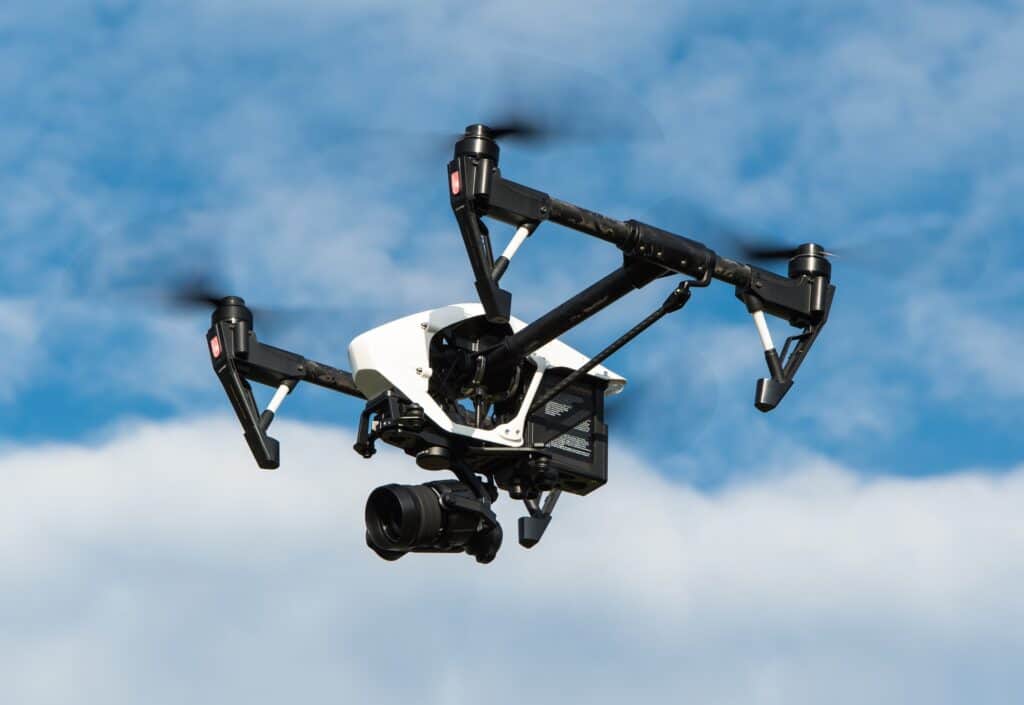
In falconry, safety precautions should be taken when using drones.
While your out hunting as thrilling as the experience can be you should remain observant at all times. Prior to launch, fly the drone within line-of-sight or with an observer and double-check that all equipment, such as batteries, propellers, and communication devices, are operational. Finally, verify that the drone is flown in accordance with any regulatory rules issued by local manufactures, and remember always to have fun while remaining mindful of the wildlife in the area!
You should have a decent knowledge of how to get started using drones in falconry after reading this. If you have any questions or would like more information, please feel free to contact us. I am always happy to help others learn more about this exciting new sport!