
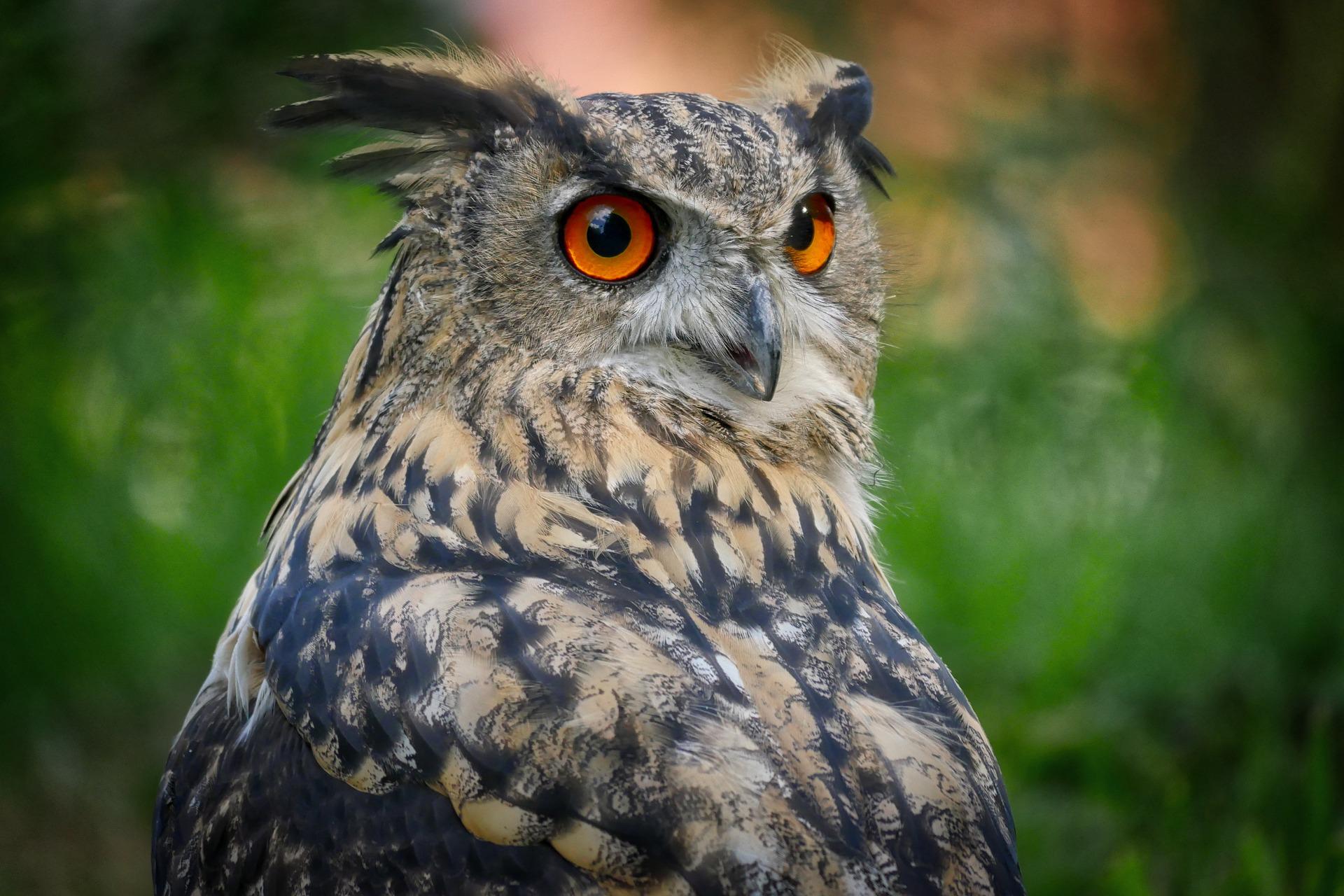
There is a lot of debate about whether falconers can have owls. Some people believe that it is unethical to keep an owl captive, while others maintain that it can be done safely and responsibly. So what is the real truth? Can you keep them successfully? My knowledge of them is that:
Falconers can use owls to hunt with, although it is rare due to the extra effort and level of expertise required. Some popular breeds used in falconry successfully include the Eurasian owl and the Great horned owl. Although falconers with Experience have used them successfully, many other falconers are adamant they aren’t the best hunters for falconry.
Keeping owls is no easy task; it is only for those who have time and money to invest. So we will take a detailed look at the debate over owls and try to come to a conclusion about what is best when using owls in falconry.
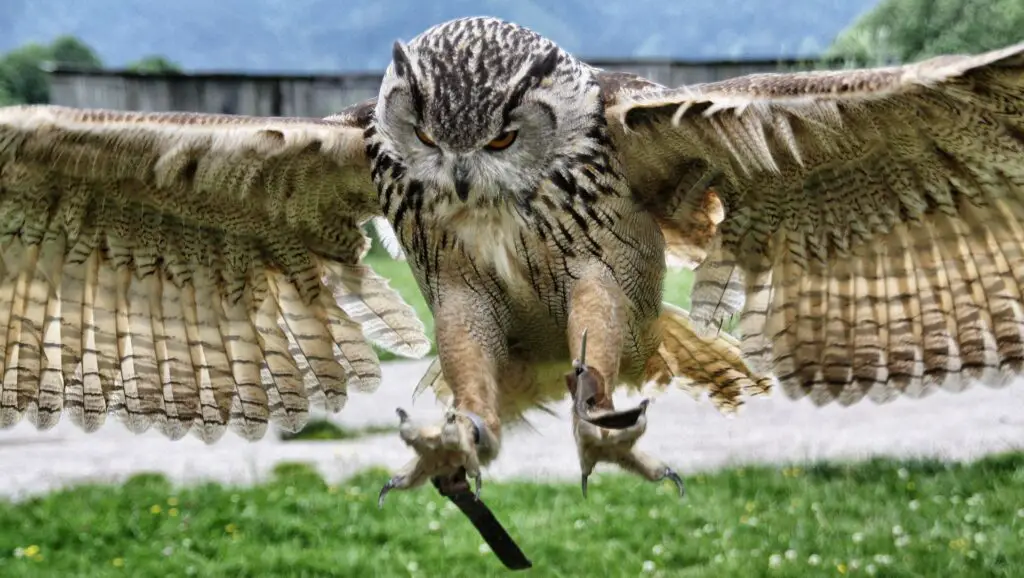
Are owls common in falconry?
While historically popular for falconry, owls are less commonly seen in it today. Although larger species, such as Eurasian eagle owls, have been used in certain contexts, they have largely been supplanted by birds from the Falconiformes family, such as Harris’ hawk and peregrine falcons. The ease at which these birds can be trained is part of what has made them attractive to those interested in falconry. Additionally, many modern falconers prefer to practice with smaller birds because they take less time to train and are easier to handle. For this reason, together with their limitations in hunting capabilities compared to dedicated raptors like the goshawk and eagles, owls occupy a peripheral role in contemporary falconry. “Click the link to Learn about the unique practice of falconry using Eurasian Owls.”
Do you need a special license to keep an owl?
If you’re curious about owning a bird of prey, like an owl, you may have wondered if you need a special license. The answer is yes- in order to practice falconry, which includes keeping and training owls, you need to obtain a special license. Federal agencies offer these licenses in many countries where the sport is allowed, allowing enthusiasts to train and care for birds of prey. However, obtaining a license can take some time; you’ll need to go through the necessary paperwork and get approval from your local wildlife agency before you can legally own an owl or other raptor. Additionally, certain laws and regulations must be followed once licensed to ensure the safety and well-being of the owl and its owner. With patience and dedication, however, falconers everywhere can still enjoy the once inaccessible privilege of owning an impressive raptor like an owl!
Are master falconers permitted to keep owls?
Master falconers, an elite set of individuals skilled in the art of maintaining and hunting with trained birds of prey such as falcons, hawks, and eagles, are allowed to keep owls for sport, ceremonial or scientific reasons. However, owls are much less frequently trained for sport because of the ease by which they can become habituated to humans. Instead, most master falconers use owls for education and conservation purposes, often allowing people within their community to interact with the birds and form a stronger appreciation for raptors in general. Generally speaking. However, such interactions must be done with species-appropriate authorization as well as full respect toward the living creature. Allowing master falconers to own owls creates an opportunity to educate people on these birds while also protecting them from population decrease due to irresponsible owners.
Why are owls not common in falconry?
Owls are such elegant, majestic birds that you’d think they would be featured heavily in the sport of falconry, but they are actually quite rare. One of the main reasons for this is that most species of owls tend to hunt during the night, while falconry typically involves hunting during daylight hours. Another reason is that many species of owls are protected against hunting by law, so even if an owl were trained and used for hunting, licenses and other permits may be required in order for it to be used lawfully. Furthermore, owl hunting typically tends to involve less active pursuit than falconry does; since flying prey can move more unpredictably and swiftly than stationary prey, falconers have often opted for more agile birds such as hawks or falcons to increase the chances of a successful hunt.
What are the challenges faced by falconers when trying to keep owls?
The life of a falconer working with owls is far from simple. Keeping raptors as pets requires patience, time, and dedication. These birds can be quite finicky, requiring an experienced hand to work with them properly. Many of these creatures are also incredibly sensitive to changes in their environment – any disruption, no matter how slight, could disrupt their routine or even cause them to become ill. Furthermore, they may not mesh well with other wild and domestic animals, so their keepers must take the utmost care when bringing new species into the home. While many rewards are associated with caring for an owl, inexperienced falconers should be aware that serious challenges come along with this practice.
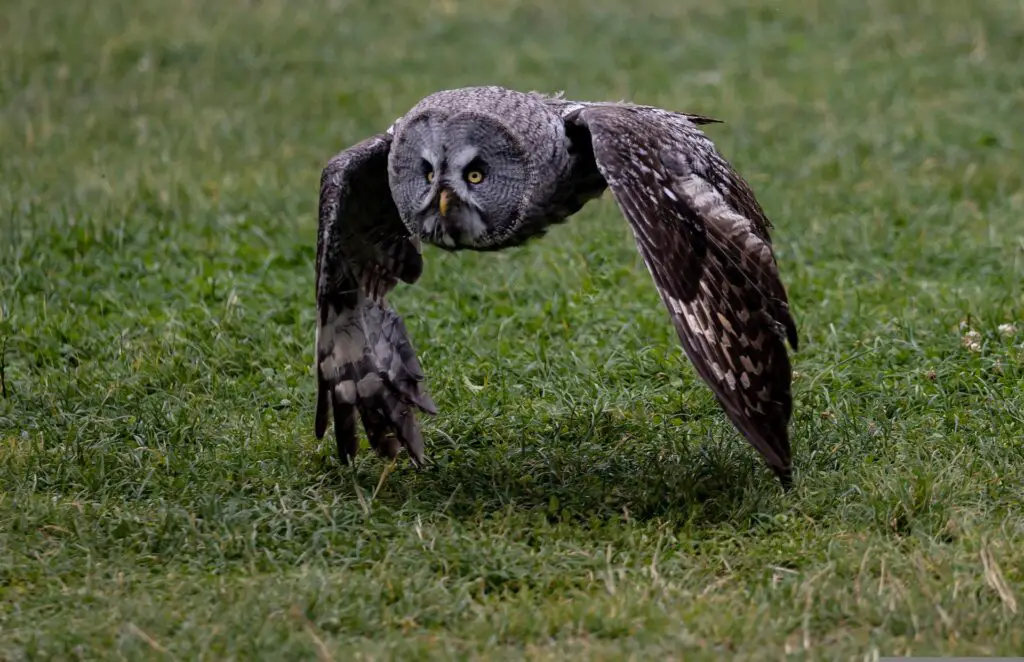
Are owls hard to maintain
Keeping pet owls is an increasingly popular idea. However, those considering it should be aware that they may be difficult animals to maintain. Unlike dogs and cats, owls generally require more specialized care due to their unusual diet and temperamental nature. It can also be more difficult to find veterinarians with the expertise to care for these birds than other common pets. Despite this, owls can still make great companion animals for those willing and able to learn about them and accommodate their needs. With the right knowledge and Experience, owning an owl can be a highly rewarding experience.
It is not recommended to have an owl as a pet, but if you are set on it, do plenty of research first and make sure that you are getting the animal from a reputable source. There are many aspects to consider before taking on the responsibility of caring for an owl, so make sure you are prepared for the commitment.