
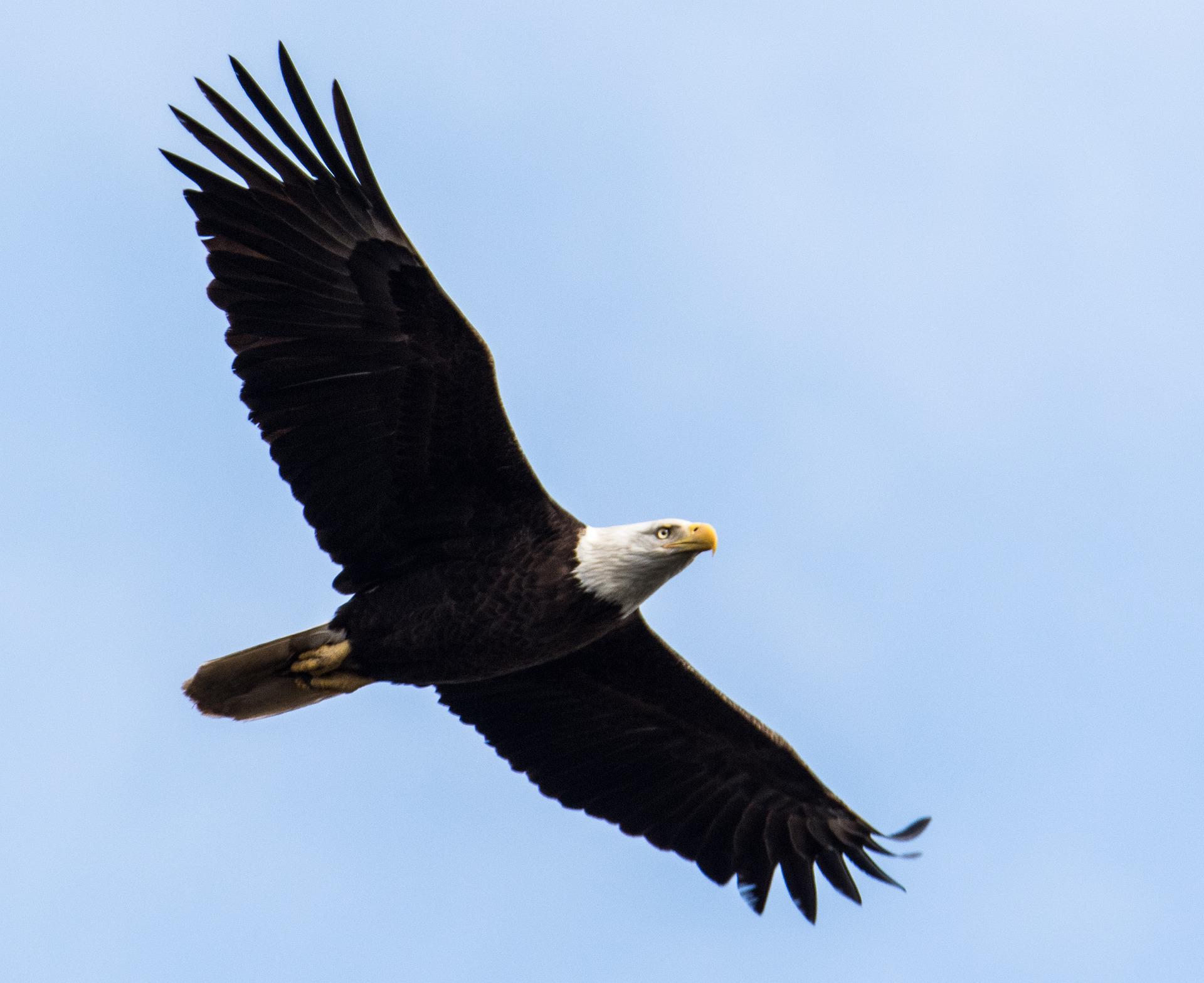
Falconry is a beautiful sport. There is something about it that gives you a sense of fulfilment when you release a raptor, and they come back to you after their hunt, but the question we ask is will falconers release their birds forever?
Falconers release their birds more often than you think. It’s a way to allow them to hunt and forage on their own. But, if you mean do they release them indefinitely, then that depends on the falconer. The majority of people keep them as pets, but others release them so that they can enjoy the rest of their lives out in the wild.

Releasing falcons are long debated as some prefer keeping them as pets while other believe that by releasing them, you allow them to breed and enjoy their natural life. We will look at both sides of the coin with the content below and let you decide what’s best for your raptor.
At what age do falconers stop using their birds?
This ancient practice has been enjoyed by bird enthusiasts around the world, and it continues to be enjoyed by bird enthusiasts around the world. A crucial part of falconry is the release of young birds into the wild. This is typically done when the birds are 3-5 years old after they have undergone training. However, some young birds may be kept in captivity for a more extended period of time.
Typically, this happens because they have not yet been trained and might be considered pets. Keeping young birds in captivity can have a number of negative consequences:
- It prevents them from engaging in natural behaviours.
- It can lead to health problems due to a lack of exercise and mental stimulation.
- It increases the risk of them being injured or killed if they escape from their enclosures.
You should take into account all of these factors when you consider the decision to keep a young bird in captivity.
If a bird is released, will it live near its old home?
There is no doubt that falcons are among the most popular birds of prey among falconers, but they are also exceptionally difficult to keep in captivity. Falcons are known for their incredible speed and agility, and they require a large amount of space to fly. They also have a strong instinct to return to their natural habitat.
For these reasons, falconers typically release their birds back into the wild. If a bird of prey is released, it will usually try to find its old home. It may establish a new territory if it can’t find its old house. However, this process is not always successful, and many birds of prey die each year from starvation or exposure. As a result, falconers need to release their birds into areas where they will be able to find food and shelter.
Will birds of prey live long after their release?
Birds of prey are majestic creatures, and it is no wonder that they have long been admired by humans. These powerful birds are built for hunting and can live for many years after being released from captivity. A well-fed and healthy bird will be able to survive in the wild for a long time. In fact, some birds have been known to live for more than 20 years after being released.
However, birds of prey are also highly vulnerable to illegal hunting and poaching. Every year, thousands of these birds are killed, and their populations are declining at an alarming rate. If we want to see these magnificent creatures continue to soar through the skies, we need to take action to prevent their extinction.

Do released birds of prey find it harder to adapt in the wild?
It is a complex question without a straightforward answer. If it is better to release a bird of prey into the wild or keep it in captivity is a complex one with no easy answer. There are pros and cons to both choices, and ultimately, it is up to the individual bird and the situation in which it is released that will dictate whether or not it will be successful in adapting to life in the wild.
However, in general, it is thought that released birds of prey may find it harder to adapt to life in the wild than those that are kept in captivity. This is because they may be used to being around people and may not have the necessary survival skills to fend for themselves. Therefore, while there are no easy answers, it is essential to consider all factors before deciding what is best for the individual bird.
Will released birds of prey reproduce once released?
Many bird enthusiasts choose to release their birds back into the wild after they have been trained and used for hunting. In some cases, these birds may have been bred in captivity specifically for this purpose.
However, there is no guarantee that these birds will continue to follow their handler’s commands or that they will even survive after being released. In fact, there is a possibility that these birds may reproduce and establish new populations in the wild. Therefore, it is essential to consider all of the potential consequences of releasing captive-bred animals into the wild before taking such a step.
Is falconry a humane sport?
Falconry is an ancient sport that involves training raptors, or birds of prey, to hunt wild game. Despite the numerous different viewpoints on the topic, most people would agree that falconry is a humane sport.
The raptors used in falconry are typically bred in captivity and well-cared for. They are released only when they have been successfully trained to hunt and return to their handler. The birds are typically rewarded with food after they capture their prey. This positive reinforcement helps keep them healthy and motivated.

Falconers must also be skilled in handling these powerful birds. They must be able to read their body language and understand their needs. This allows them to maintain a strong bond with their raptors and ensure their safety.
Releasing a bird of prey can be tough on the falconer, as it is their responsibility to ensure the bird has plenty of food and water. They must also research to ensure the area is suitable for the raptor’s release. All of the above conditions need to be met, or it could be deadly for the bird.