
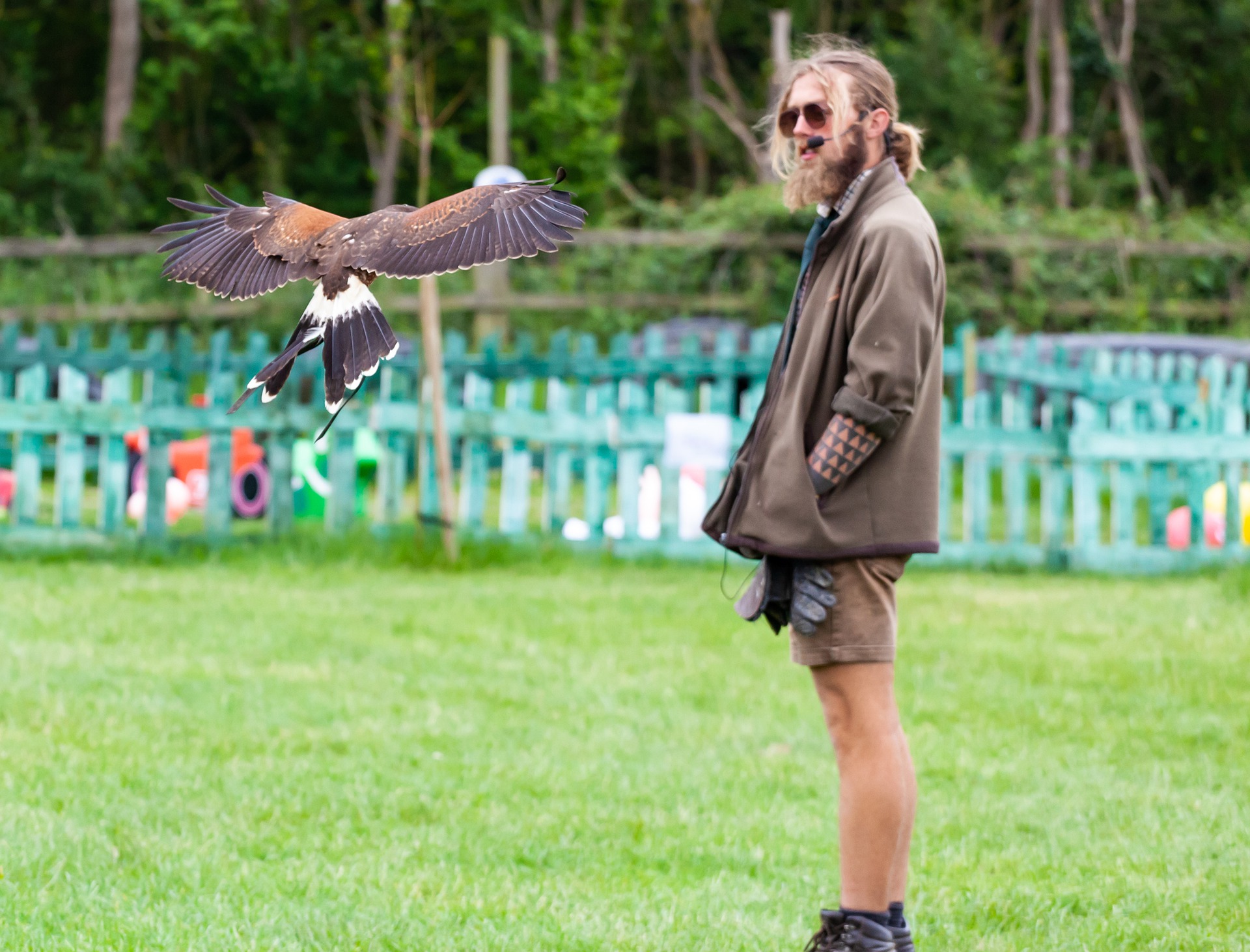
Do you have a love of nature and the outdoors? Are you fascinated by birds of prey? If so, becoming a falconer may be the perfect hobby for you! Falconry is the sport of hunting with birds of prey. It can be challenging and rewarding, and it will give you a new appreciation for these amazing creatures. But what are the actual steps required to become a falconer?
- Start by speaking to your state or local wildlife agency to determine their requirements.
- Be prepared to put in the time and effort.
- Ensure you have the patience and temperament as falconry beginning can be challenging.
- You will need lots of resources, so ensure they are readily available.
- Ensure you either have access to or live in a well-landscaped area for the bird.
- Find a sponsor.
- Research and spend time with other falconers.
- Apply for a permit.
Now that you are aware of the process let’s dive into more information regarding falconry, the stages and how to get there. Based on my experience in this process, I will provide the basic steps and elaborate further on the other stages in the following content.
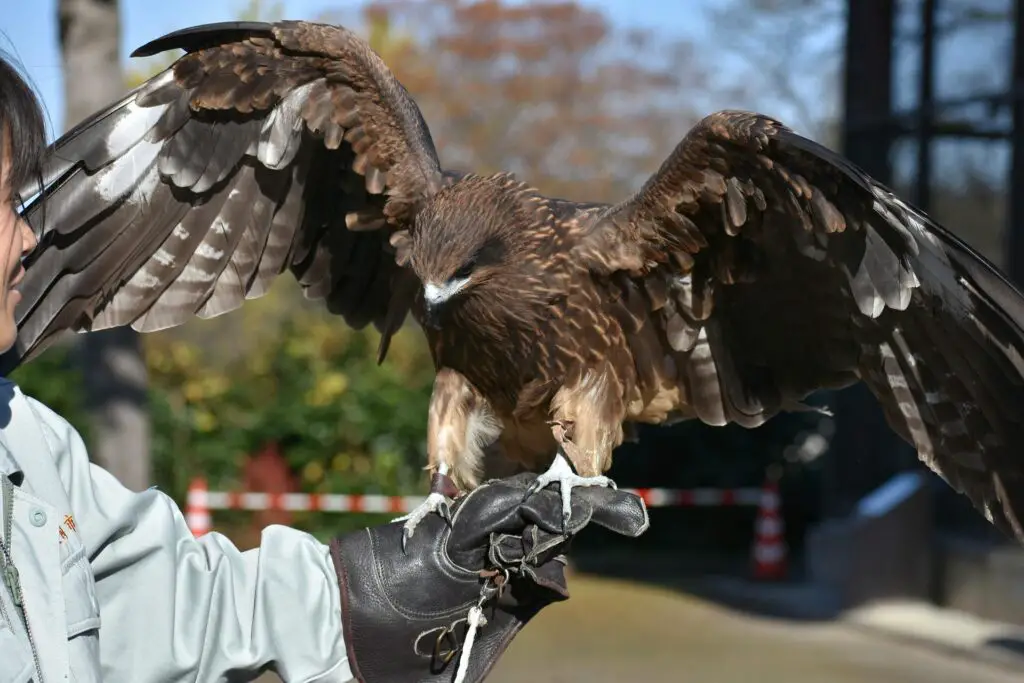
A step-by-step and explanation guide on how to become a falconer
Reach out: initially, you would need to speak to your local wildlife association to become aware of what’s required and what type of permit you will need.
Find a sponsor: before you can get your permit, you will need to find a sponsor who is an experienced falconer and can act as an adviser.
Time: be prepared to put a considerable amount of time into this hobby. If you have constraints regarding time, rethink your decision to get into falconry.
Patience and temperament: patience is a virtue, and in falconry, it is of the utmost importance because, throughout the process, you will find it challenging and sometimes feel that you are getting nowhere. This is what I myself faced, but it does get better, so have patience and keep at it.
Resources :
- First and most important is food and a steady supplier who can supply you.
- Veterinary bills must be taken into consideration as it plays an important factor.
- The cost of travelling may be to hunting locations, your sponsor, or general meetings.
- You need to have license fees/ renewal fees and any other associated permits.
- A Mew or aviary for your bird and the toys and equipment that come along with it.
- Literature may be another associated resource, from books to other types of learning material.
Land and facilities: Having the ideal location is imperative; something close by is ideal.
Learn the basics: it is essential to understand the basic principles of falconry before you start your journey. In addition, you will need to study the various species, habitats, husbandry, and training methods that are involved in successful falconry while gaining valuable experience that will aid you in your journey in falconry.
Apply for the necessary licensing- Once you have found a sponsor, gathered the resources, and got your education on falconry, it is time to apply for any necessary licensing that may be required. Once all of the steps are completed, you can begin your journey as an apprentice falconer.
Becoming an Apprentice
It may seem challenging to enrol in an apprenticeship programme in order to become a proficient falconer. To ensure you are properly trained and qualified, start by contacting the relevant state or municipal authorities to learn more about necessary licencing and permits. By participating in falconry forums and communities will also provide you the chance to network with potential sponsors/ falconers and get the best guidance from the experts. After finding the ideal sponsor and passing the falconry test, you’ll be prepared to start the process of training a bird and perfecting your own hunting techniques. if you are concerned about the falconry test’s difficulty because I wrote an entire post about the Falconry Test and how difficult it may be.
Getting a Bird
Before your new bird of prey comes home, you need to prepare a mew for them and, of course, some toys. You can also try to include any additional equipment at the beginning because you want to avoid too many alterations while your new bird of prey is getting accustomed to their new home try and make the home as exciting with as much stimulation as possible and ensure the place is secure for your bird. After that, you can make or buy your equipment. It comes down to a preference, and the choice is yours.
Now you are ready to purchase your bird, and I find that no matter how old you are in the game, buying a new bird is a thrilling experience, and you should try to keep a level head to ensure you make the best possible decisions. When purchasing your bird, especially as an Apprentice, you will want to choose a bird that is as tame and receptive as possible so that you don’t have to struggle with training; however, because of the fact that you are new in the game, it may be beneficial to purchase young birds from a reputable breeder since they will have an easier time adapting to their new surroundings.
Once you have your bird, it’s time to tag it and submit your paperwork to the relevant authorities. Thereafter it’s up to you to provide and care for that bird until the duration (usually two years) of being an apprentice, whereby you fall into the general falconer class.
Becoming a general falconer
The life of a general falconer is vastly different from that of an apprentice falconer. As the name suggests, apprentices are new to falconry and have yet to gain the necessary experience to progress in their craft. By comparison, general falconers have gone through extended training periods and now possess the requisite knowledge required to practice this ancient art form on a professional level. Following completion of their apprenticeship, general falconers are allowed to keep three birds of prey in contrast to only one for apprentices, significantly expanding their scope for expertise. Additionally, general falconers can access more far-reaching opportunities, such as recognition from local or national organizations, and even demonstrate at large events. As far as things go, being a general falconer offers more rewards than that of an apprentice. Once you serve your duration of usually five years or so, you are now entering the master falconer stage.
Becoming a master falconer
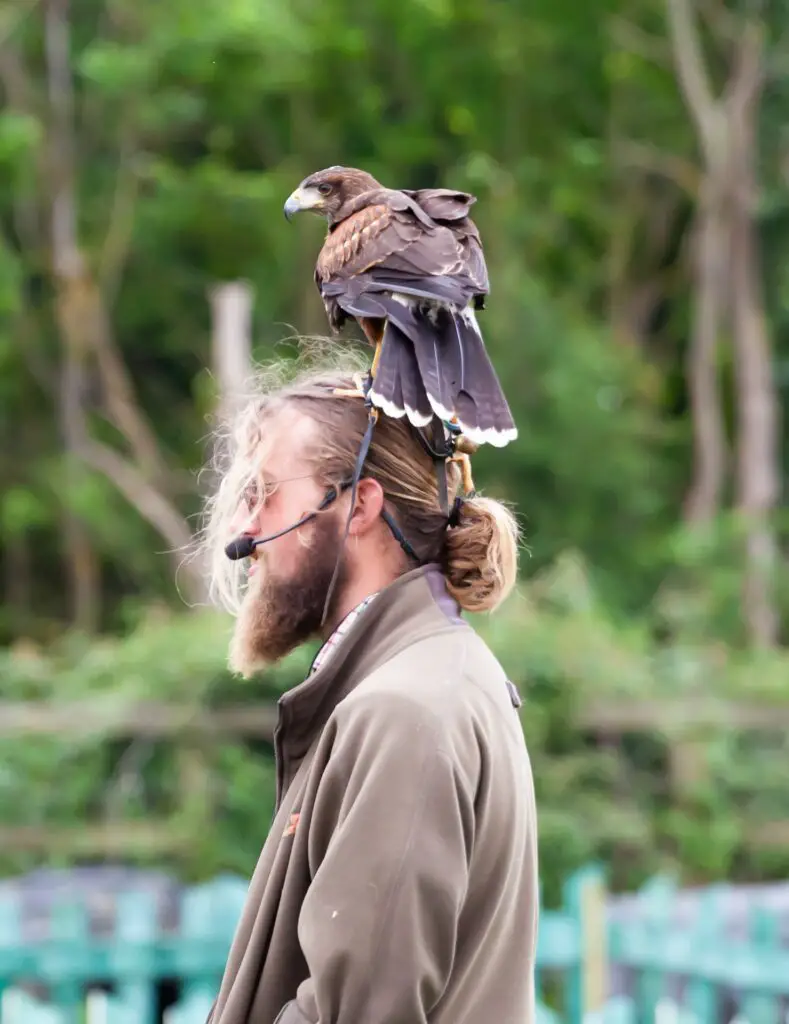
The life of a general falconer and a master falconer can be quite different, depending on their work environment. General falconers may enjoy more direct contact with birds, such as providing food or caring for their physical needs. However, master falconers often work in environments where a closer relationship between them and their bird is developed over a longer period of time; they may engage in activities like habitat management or breeding replacement birds. Ultimately, both general and master falconers experience the thrill of flight training. Still, master-level falconers take things to another level by further understanding the behaviour and psychology of these majestic birds. It truly is an experience that gives one an appreciation for the complexities of nature! Have a browse through my post that may interest you on training wild falcons for falconry.
Although it is difficult, becoming a falconer is immensely gratifying. You can create a close relationship with your bird that will last a lifetime if you are persistent and determined.. Falconry is a great way to learn about nature and exercise while outdoors. It is also a unique hobby that will make you stand out from the crowd.