
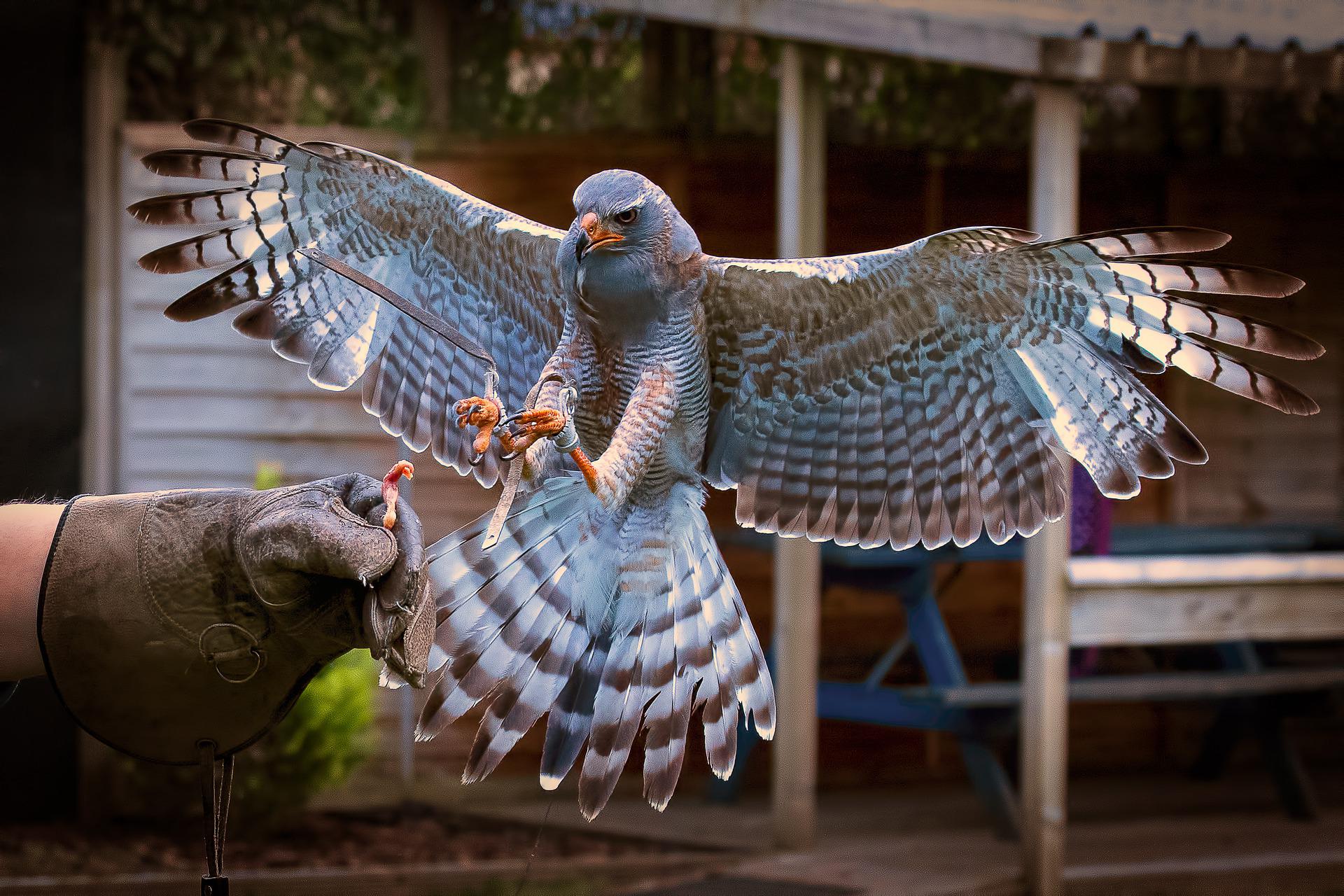
Suppose you are a beginner falconer or someone that is curious about getting into the sport. In that case, you may wonder if learning how to train and handle Birds of prey is hard, and rightly so. It must take skills and experience to do what some falconers are able to do but again, how hard is it to learn?
The truth is that it can be difficult to learn, but with the right information and resources, it is definitely doable. It is always advised that you start an apprenticeship for a duration of 2 years with a master falconer so you can gain the necessary experience and skills that will come in handy throughout your falconry journey.
When I started in falconry, many people gave me advice to research, and information was not readily available like now. Thus I have compiled a beginner’s guide to falconry and answer some of the most common questions people have about this activity. So if you are ready to take on the challenge, keep reading!
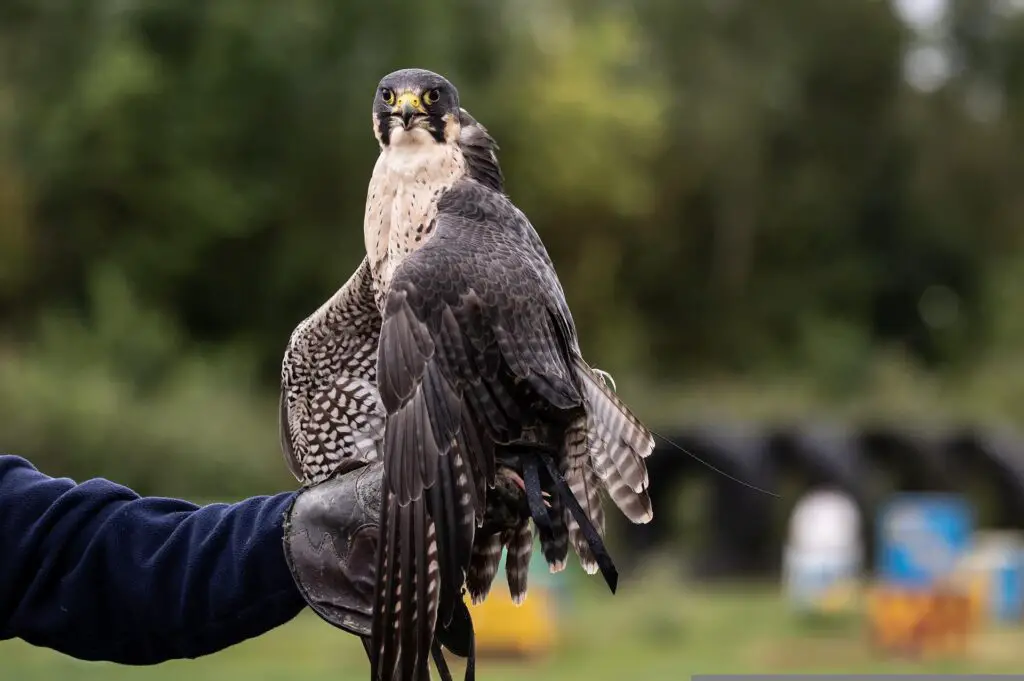
How long does it take to learn falconry?
Learning the ancient art of falconry can be an exciting and rewarding experience, but it’s important to appreciate that it is not a task that must be completed quickly. Depending on the individual, becoming an expert in falconry could take from one to ten years or longer. Generally, new falconers begin with hands-on courses and mentorships to learn about equipment, wingspan measurement techniques, essential safety protocols, and flight guidelines, among other things. Later on in the process, those studying get deeper into understanding basic biology, nutrition and field care of raptors – all of which provide valuable foundational knowledge for bird training. Ultimately, finding success with a raptor requires patience and dedication – but all of the hard work will be worth it, as flying a trained raptor is truly amazing!
Do I need to learn falconry from a master falconer before practising on my own?
Falconry requires a nuanced understanding of the animal and its behaviours, which is best learned through direct interaction with an experienced master falconer. While it’s possible to read books and watch videos on the art of falconry, much of the knowledge needed — such as how to condition a bird to live in a dome with human handlers, how to identify suitable birds for hunting, and how to properly handle prey animals — can only be gained by hands-on instruction. Learning from a master falconer is also beneficial because of the safety lessons that can be taught, such as proper restraint techniques and emergency procedures if any equipment malfunctions or unforeseen conditions in the field arise. Overall, becoming an accomplished falconer typically requires training from an experienced teacher to gain sufficient knowledge and the confidence necessary for successful practice.
What are the challenges apprentice falconers face?
Becoming a falconer is no easy feat. Apprentices must first learn the laws and regulations that govern the sport, as well as gain an understanding of basic falconry techniques, before attempting to train a bird. This requires extensive research and dedication to properly understand the trade and master its intricacies. In addition, apprentices need somewhere to practice their falconry skills; they must acquire access to land with space to work, along with resources such as space for housing equipment and the birds themselves and all that comes with it. It can also be costly to feed birds of prey, and getting veterinarians that specialize in avian care can cost a fortune. Finally, becoming a successful apprentice requires an enormous amount of patience – apprentices will have bad days where they struggle to interact with their birds; they may have trouble getting them accustomed to wearing hoods or other gear; or even experience problems with getting them comfortable in new environments which can all be incredibly challenging.
Tips to help you learn falconry or get better at it?
Learning the art of falconry can seem like a daunting prospect, but by breaking it down into bite-sized pieces, it is achievable with plenty of dedication and a good learning plan. First and foremost, finding a strong mentor or instructor to work with you is highly recommended. They can provide guidance on how to observe birds properly, assess flight paths, train your bird effectively and, more importantly, safety protocols for yourself and your feathered friend! Additionally, owning the right equipment is crucial – not only should you purchase appropriate gloves and hoods that fit the size and gender of birds precisely, but also make sure any restraints such as jesses are comfortable for them too. Finally, practice makes perfect! Spend plenty of time outdoors with your bird in various terrains, so both you and the bird become used to each other’s presence – this will soon become an important part of the training process in terms of agility and refining their hunting skills.
What part of falconry takes the longest to complete?
Of the various processes that make up falconry, learning or teaching the importance of obedience and trust between the falcon and its trainer can take a significant amount of time. It requires patience from both the bird and handler to teach this concept, as should be expected from any bond formation. The process does not have an exact timeline but could span for months or even years before meaningful progress is seen in this area. After time and effort are properly invested, however, people reap the rewards of a magnificent relationship forged through falconry.
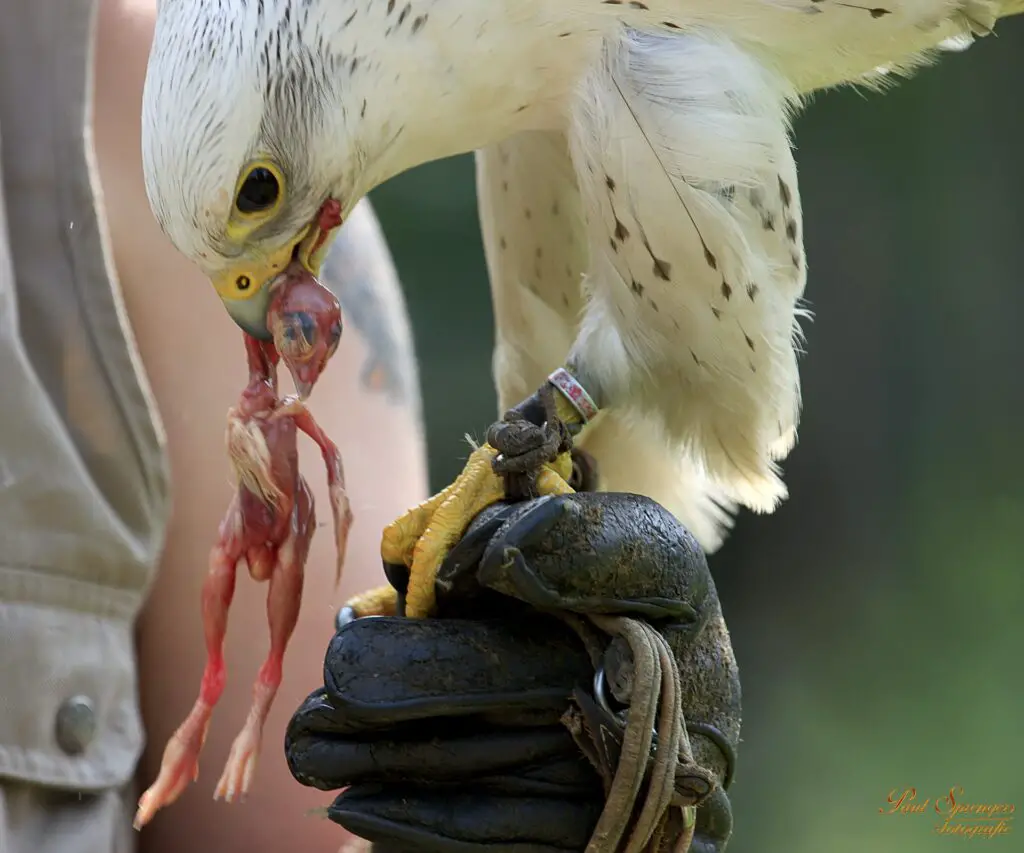
Does the choice of bird make learning falconry easier?
Learning falconry is challenging, and choosing the right bird can make it significantly easier. The type of training you decide to pursue and the bird that you select to work with go hand in hand. While certain species, such as the peregrine falcon, may be capable of more complex commands and manoeuvres, smaller birds, like an American kestrel, are easier to control due to their lighter weight and slower speeds when flying. Furthermore, smaller species require less food which can add up over time. Therefore, selecting the correct bird for your preferred training style is important when learning falconry, although certainly not the only factor.
Despite the many challenges involved in learning falconry, it is an incredibly rewarding experience. It takes patience, dedication, and a lot of hard work, but it is so worth it when you finally see your bird take flight. If you’re interested in trying falconry for yourself, plenty of resources are available to help you get started. And once you’ve mastered the basics, who knows what sort of amazing experiences await you and your new feathered friend?