
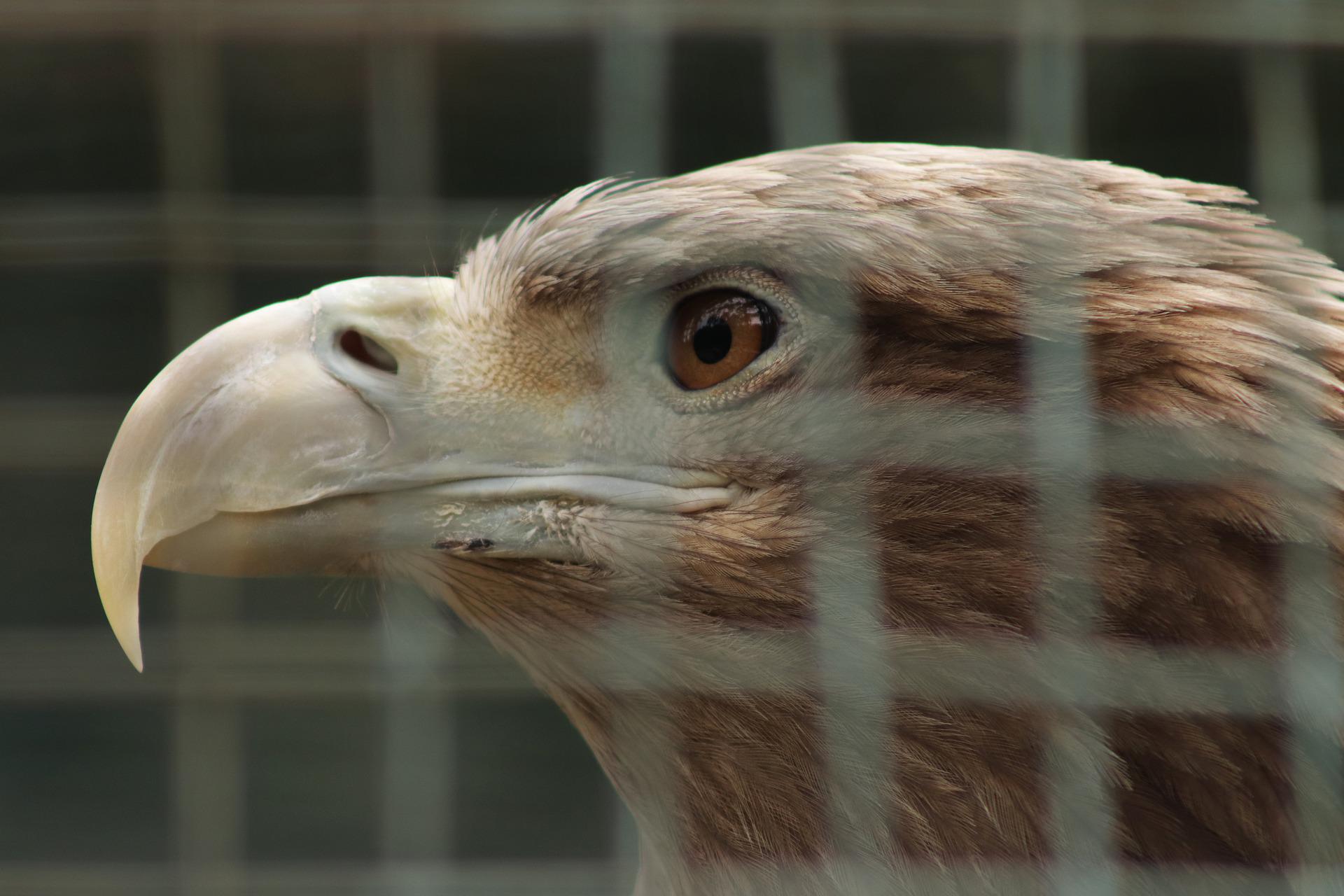
Birds of prey are, in their own way, one of the best apex predators out there; when you start talking about using them as hunters and having them follow your command, it is a feeling of sheer accomplishment. So how should we keep this bird, and when these birds aren’t hunting, where do they rest?
Falconers keep their birds in a large enclosure in and around the home. These include garages and rooms within the house, and the most common of the lot is called a mew. This is a steel-like structure with thick netting over the top (enough to allow air, sun and other elements in). These birds require extensive exercise to ensure they are kept healthy and fit.

In this article, we explore the various places falconers keep their birds. We take a look at everything from personal homes to dedicated bird sanctuaries. Also addressed are the advantages and disadvantages of each option and what falconers should consider before making a decision.
Where should I keep my bird of prey?
Birds of prey are majestic creatures, and their hunting skills are essential to the balance of nature. However, when they’re not hunting, they need a safe place to rest and exercise. This is where their mews come in. Mews are simply cages or enclosures where birds of prey are kept when they’re not hunting.
Inside the mews, there is a variety of perches, toys, and other objects to keep the birds entertained and occupied. But, most importantly, the mews provide a safe place for the birds to rest and exercise. Without regular exercise, birds of prey can become ill and even die. As a result, it’s essential that they have a spacious mew where they can stretch their wings and get some exercise. Locking them away in a small cage would be disastrous for their health.
Can a falconer bird escape their home?
Falconers take great care to make sure their birds are safe and can’t escape. This does not mean that they can’t, as they can, so it’s best to ensure the bird cannot escape by regularly checking to see for compromised areas of the enclosures. Common escape routes include:
- Perches that are not secure.
- Loose nets.
- Doors or latches that are not correctly closed.
It is also essential to keep an eye on the bird’s behaviour, as some birds may try to find ways to escape if they are bored or feeling stressed. If a falconer suspects that their bird is trying to escape, they will take steps to correct the problem and prevent future attempts. Falconers know that their birds are valuable animals and take great care to ensure their safety.
How large should birds of prey mew be
When it comes to housing birds of prey, there is no one-size-fits-all answer. Some falconers keep their birds in very large mews, while others use medium portable cages. Of course, the size of the mew will depend on the size and species of the bird in question.

Generally speaking, though, the larger the bird, the larger the mew should be. Hawks and eagles require a lot of space, while smaller birds like kestrels can be kept in more modest accommodations. You need to ensure that the bird has plenty of room to move around, spread its wings, and perch comfortably.
Can I have 2 birds of prey in a single mew?
Suppose you’re planning on keeping two birds of prey in the same mew. In that case, it’s important to take some precautions to ensure that they have enough space and are able to coexist peacefully. First, make sure that the mew is large enough for the birds to spread their wings and move around comfortably. You may also want to consider adding perches and toys to keep them entertained and distracted from each other.
Additionally, keep an eye on their body language and be prepared to separate them if it looks like they are getting too stressed or aggressive. Taking these precautions can help create a safe and happy environment for your two feathered friends.
What happens if birds of prey don’t have space in their mew
If falconers don’t have enough space for their birds in their mews, they may have to release them. This could be dangerous for the birds because they may not know how to survive in the wild. Suppose the falconer decides to keep the bird in a confined environment. In that case, this will have serious health repercussions for the bird.
Is keeping a bird of prey in enclosures humane?
This answer is based on opinion, as it depends on everyone’s individual opinion. Some people believe that it is humane to keep a bird of prey in an enclosure as it gives them a safe and comfortable place to live. Others believe that it is not humane as the bird is not able to roam free and hunt for food unless the owner takes them hunting, and even that is limited in terms of range. Let’s face it, it’s up to each individual to determine what they believe is humane.
My bird will fly away if they aren’t happy and cramped in their mew.
Falconers take great care to ensure that their birds are happy and healthy. A large part of this is providing them with a mew, which is basically a large enclosure where they can move around freely and safely. If the bird is unhappy or cramped, it may fly away, so it’s important to make sure that the mew is spacious and has plenty of things for the bird to do. This may include toys, perches, and even other birds to keep it company. By taking the time to create a comfortable environment for their birds, falconers can help ensure that their birds stay healthy and safe.

Falconers should always ensure their prey has enough space to fly around and hunt. By taking them hunting regularly, you can ensure they are sharp and able to take down their game. In order to fully accomplish this task, it is recommended that you use a lure – a decoy that is attached to a long line and flown around in an open field. The bird will chase after the lure, giving it the opportunity to practice its hunting skills. Hope you found this helpful.