

When you own a bird of prey, it can be hard to know how to keep them occupied in its aviary. These incredible creatures will become bored and potentially destructive without enough stimulation and play opportunities. So as a falconer, what exactly can you do to keep them occupied and well-stimulated?
The best way to keep your birds of prey occupied and well-stimulated is to introduce a variety of objects into their aviary. This can include toys, swings, poles, perches, and even platforms. Hiding treats around the aviary and using treat balls are great ways of providing this type of enrichment activity.

If your bird of prey spends most of its time in an enclosure or aviary, read this post and get some great ideas on providing fun activities to keep them healthy, active, and emotionally engaged.
How do I prevent boredom in my aviary?
From my experience handling birds of prey, it is important to provide enrichment activities for them when they are kept in captivity, as boredom can be detrimental to their well-being. Enrichment activities can come in many different forms and should be tailored to a particular species’ needs. Providing toys, perches, swings, and other objects for birds to play with or explore can help keep them stimulated and prevent boredom. Foraging activities are also an excellent form of enrichment. Create puzzles using food or treats that require problem-solving skills when searching out the reward. Foraging materials such as long branches, paper towels, and grasses can also create a stimulating environment. Accessories such as ropes or mirrors placed inside the aviary may pique a bird’s curiosity and give it something else to focus its attention on.
Provide plenty of natural sunlight into the aviary by keeping curtains open during the day, or consider installing UV lighting to ensure your pet gets enough Vitamin D3 from natural light sources. Finally, occasionally introducing new objects into the aviary will keep your raptor from becoming too habituated to its surroundings, which is another way to prevent boredom.
Will keeping more than 1 raptor prevent boredom
Keeping more than one bird of prey in an aviary is beneficial for many reasons, including providing a stimulating environment and social interaction. Not only will keeping multiple birds of prey help to prevent boredom within the aviary, but it can also enrich the birds’ lives. One of the main benefits of having multiple birds of prey in an aviary is that they can establish relationships with each other and work together, like when hunting or building nests. Additionally, there are social benefits such as increased playfulness, communication, and problem-solving opportunities when several species interact. Finally, keeping more than one bird of prey in an aviary allows them to share experiences, helping them to learn and grow their natural behaviours – something that single birds may not have access to. For these reasons, it’s important to have a safe and harmonious space where more than one bird of prey can coexist so they can reach their full potential!
What toys can I add to my aviary to stimulate my birds of prey?
Utilizing enrichment toys in an aviary for birds of prey can be an excellent way to keep them safe, healthy, and entertained. When introducing new toy options, look for products that contain different textures, like cork and rope, which your birds can pull apart or shred. Other favourites include the various perches available made out of wood, plastic, or natural sisal rings. Toys such as ladders or swings suspended from parts of the aviary ceiling can make it easier for your birds to fly while they’re in the enclosure. Remember hideaways inside the aviary where your birds can explore and go in and out of them, which help with simulating natural behaviours. Additionally, offering a variety of fruits, vegetables, and other items, such as paper towel holders, will occupy them further. Enrichment activities are great but check that all materials used are bird-safe first!
How many perches should I add if I want to make it enjoyable for my raptor?
Suppose you’re looking to make your raptor’s environment more enjoyable. In that case, it is important to consider how many perches you add to the space. Perching is one of the main ways these birds get around and can be a great addition to their environment. Adding different heights and textures will give them more opportunities to explore the area with varying routes. It would be beneficial to place some of the perches close together so that your raptor has easy access to high perches, which improves their visibility and gives them a sense of security. Research different materials for constructing the perches, as many items are toxic or splinter easily that may not be safe for your feathered friend. Taking into account size, location, texture, and construction material should provide an optimal setup for creating a lovely home for your raptor.
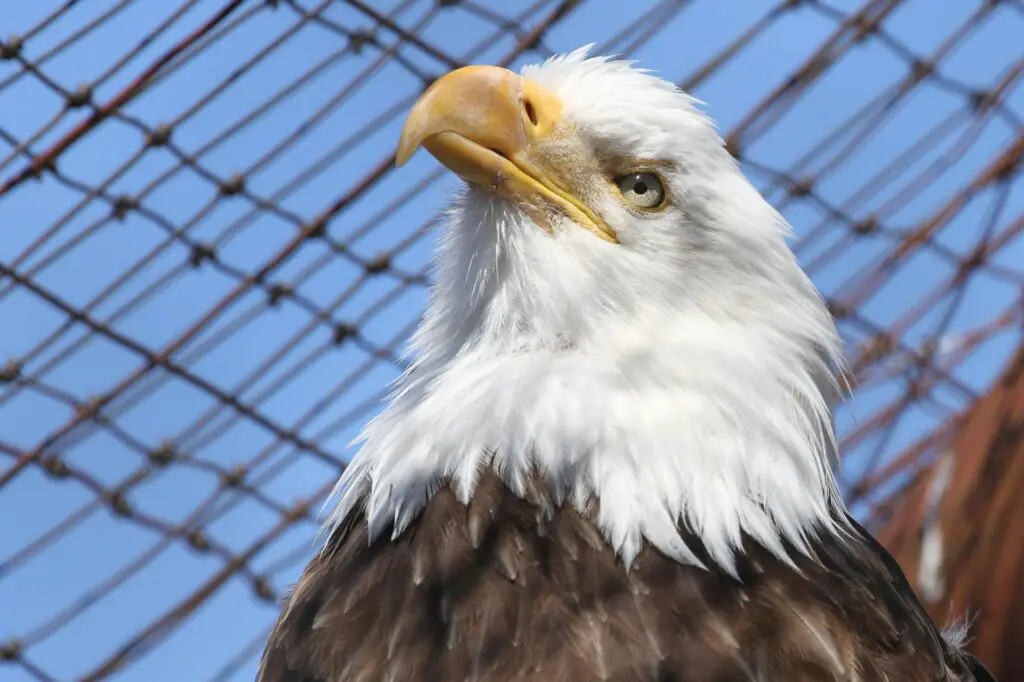
Does a more spacious aviary mean less boredom?
When invoking birds’ stimulation, space can make all the difference. For example, a more spacious aviary creates an environment where birds can move around, exercise their wings, and explore without constraints. Not only does offering a bigger, more adventurous habitat provide physical benefits, but mental ones too. These kinds of environments should have access to a range of objects to interact with, engaging activities to enhance curiosity, and plenty of interest-piquing experiences that can help keep boredom at bay. These kinds of spaces aren’t just good for entertainment; they could be vital for encouraging the emotional well-being of birds.
How often should I interact with my birds of prey to ensure stimulation?
Interacting with birds of prey in falconry should generally be done daily. This ensures their mental health and keeps the bird happy. This way of interacting typically includes feeding the bird, exercising it through movement (such as short flight or walking), and familiarizing it with training techniques. Of course, the amount of time spent interacting depends on the species and the individual bird involved; for instance, an eagle may need more interaction than a kestrel or smaller bird. Ultimately, falconers should always listen to their birds’ needs first and be sure not to push them beyond their limits when interacting. A happy, healthy bird is every falconer’s goal!
Read more on our article about daily commitments, including interaction time and flight, etc.
Now that you know a few ways to keep your bird occupied, put them into practice and see how your feathered friend responds. Keep in mind that every bird is different, and what works for one may not work for another. The key is experimenting until you find something that keeps your particular bird happy and entertained. Then, with a little patience and effort, you can create an aviary environment that both you and your bird will enjoy.
Want to become an expert in bird of prey enrichment? Explore our in-depth guides on raptor care, aviary design, and training techniques. Keep your birds happy, healthy, and engaged.
Check Out Our Related Article below:
Falconry Mews Safety: A Comprehensive Guide to Protecting Birds of Prey