
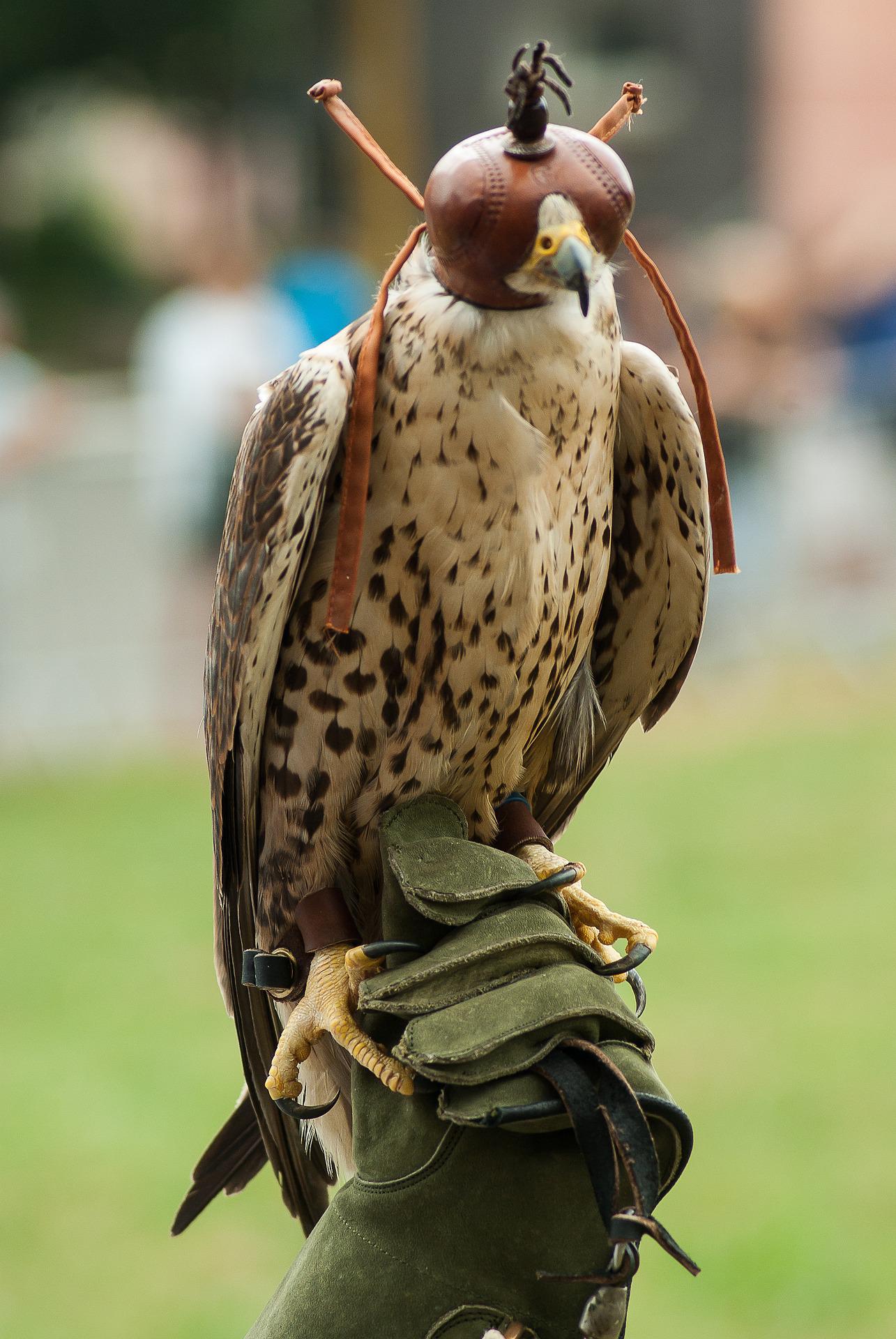
As falconry becomes more popular, the cost of the sport is rising. This is due to some factors, predominantly because the birds are becoming harder to find.
Falconry is expensive because birds cost a lot of money; you need a good bank balance to maintain them. Although it is costly, the joy it brings outweighs the cost for the people doing it. Falconry is generally regarded as a luxury sport, and in the past, only wealthy families would keep these birds.
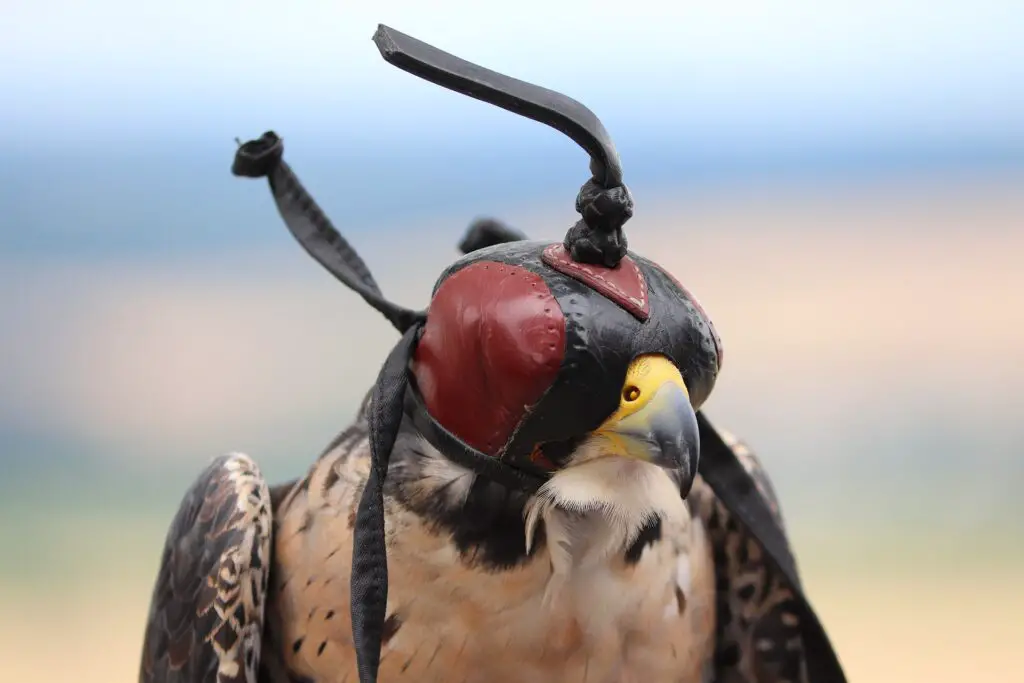
Falconry is a beautiful sport when u have the finances to cover the cost. However, many expenses are associated with falconry, so join us while we explore these costs in the information listed below.
Is falconry expensive
Falconry is an expensive hobby/sport because to do it properly, you need to have the right equipment and bird. The right kit includes a good quality glove, perch, hood, and Raptor food. A good quality glove will cost around £100 ($130), a perch will cost £50-£70 ($65-$90), and a hood will cost £70-£100 ($90-$130). The price of food will depend on the type of bird you are keeping, but it can range from £30-£45 per month ($37-$58). There are many other toys and new equipment costs, but the basics are listed above.
The main cost of falconry is the bird itself. Birds can range in price from a few hundred pounds for a Kestrel to over £10,000 for a Gyrfalcon. The most popular birds for falconry are Harris Hawks, which typically cost around £1500 ($1900).
So, as you can see, there are a lot of costs associated with falconry. It is definitely not a cheap hobby! But for many people, the joy that it brings outweighs the cost. Falconry is a beautiful sport that can be enjoyed by people of all ages and backgrounds. So, if you have the funds available, we urge you to give them a try! You won’t regret it!
birds used in falconry are costly and are in high demand yet in short supply
A number of factors have caused a decline in the availability of wild birds suitable for falconry. First, as human populations have exploded in recent centuries, we have encroached on the habitat of many raptor species. This loss of habitat has caused some raptor populations to decline, making it more difficult to find wild birds for falconry. Additionally, some countries have outlawed hunting with raptors altogether, further reducing the pool of potential falconry birds.
The most famous bird used in falconry is the Harris hawk. Harris hawks are fast and agile hunters that can take down prey much more significant than themselves. Unfortunately, the Harris hawk populations were severely depleted in the early 20th century due to hunting pressure and loss of habitat. It was not until the 1970s that Harris hawks began to be used in falconry again, but their numbers have slowly increased since then. However, Harris hawks are still quite expensive due to their popularity, costing around £1500 ($1900).
If you want to pursue falconry, be prepared to spend significant money on equipment and birds. However, the joy that falconry can bring is well worth the cost!
What is the cost associated with falconry?
Falconry is an expensive hobby. Keeping and caring for a falcon can be pretty high. First, there are the initial costs of acquiring a bird, and then there are the ongoing costs of food, equipment, and veterinary care.
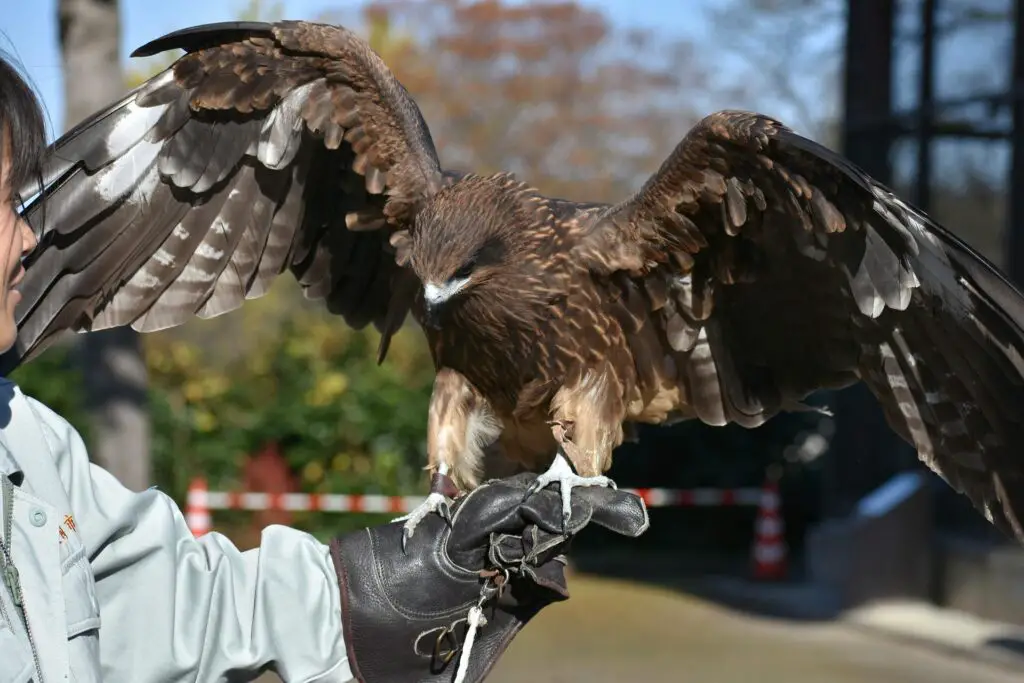
The cost of food can also be high. Falcons require a diet high in protein, which can be expensive to purchase commercially. Equipment such as a mew (a shelter for the bird) or a flight pen can also be costly. And finally, there are the costs associated with regular veterinary care. Birds of prey can be susceptible to various health problems, so it is essential to have regular checkups with a qualified veterinarian.
All in all, the cost of owning a falcon can be quite high. But for those who love this ancient sport, the expense is well worth it.
How much is an average mew for falconry?
Mews are used to housing falcons and other birds of prey. There are many different sizes available, but the average size is around 12 feet by 12 feet. The cost of a mews will vary depending on the size and features of the structure. A basic mews without any extras could cost around $1,000, while a more luxurious version with all the bells, toys and whistles could cost upwards of $10,000.
Which bird of prey is the most expensive to maintain?
The most expensive bird of prey to maintain is the bald eagle, according to the National Eagle Center. Those who take care of bald eagles in captivity can expect them to live for up to 30 years, which means that their caretakers must be dedicated and knowledgeable about their needs. These birds require a large amount of space and fresh fish, meat, and insects. They also need plenty of perches and toys to keep them occupied.
10 ways to save money while enjoying the sport of falconry
1. Join or start a falconry club. You’ll save money on equipment and hunting trips.
2. Buy used equipment whenever possible. You can find great deals on used gear online or at swap meets.
3. Make your own hunting equipment whenever possible. The cost will be cheaper in the long run.
4. Hunt for game birds in areas where they are plentiful. This will help you save money on hunting trips.
5. Join or start a local hunting club. This can help you save money on hunting permits and licenses.
6. Hunt small games instead of the big game whenever possible. This will help you save money on hunting trips and equipment.
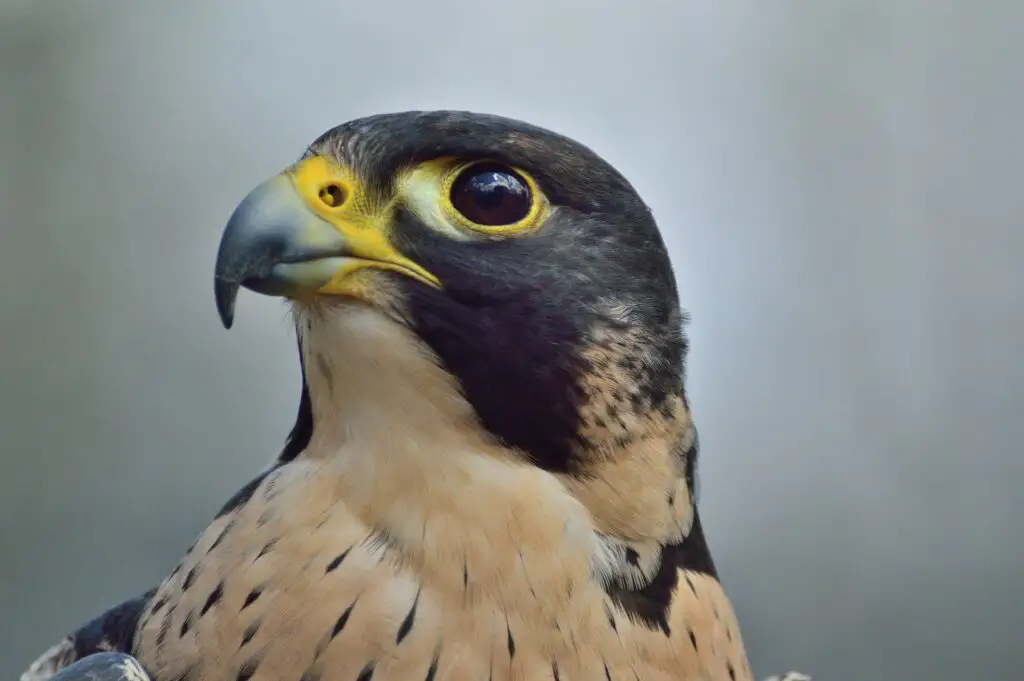
7. Use artificial decoys to attract birds to your trap or net. This can help you save money on hunting trips and equipment.
8. Train your own raptors whenever possible. This can help you save money on training costs.
9. Scout for hunting opportunities in your area before planning a trip. You can then save money on transportation and lodging costs.
10 . Make the most of your falconry gear. Proper use of your equipment will help you save money while enjoying the sport of falcon.
Falconry is an expensive sport, but it can be enriching. If you want to get into falconry, follow our guide on how to save money and enjoy your time with your bird. Thank you for reading!