
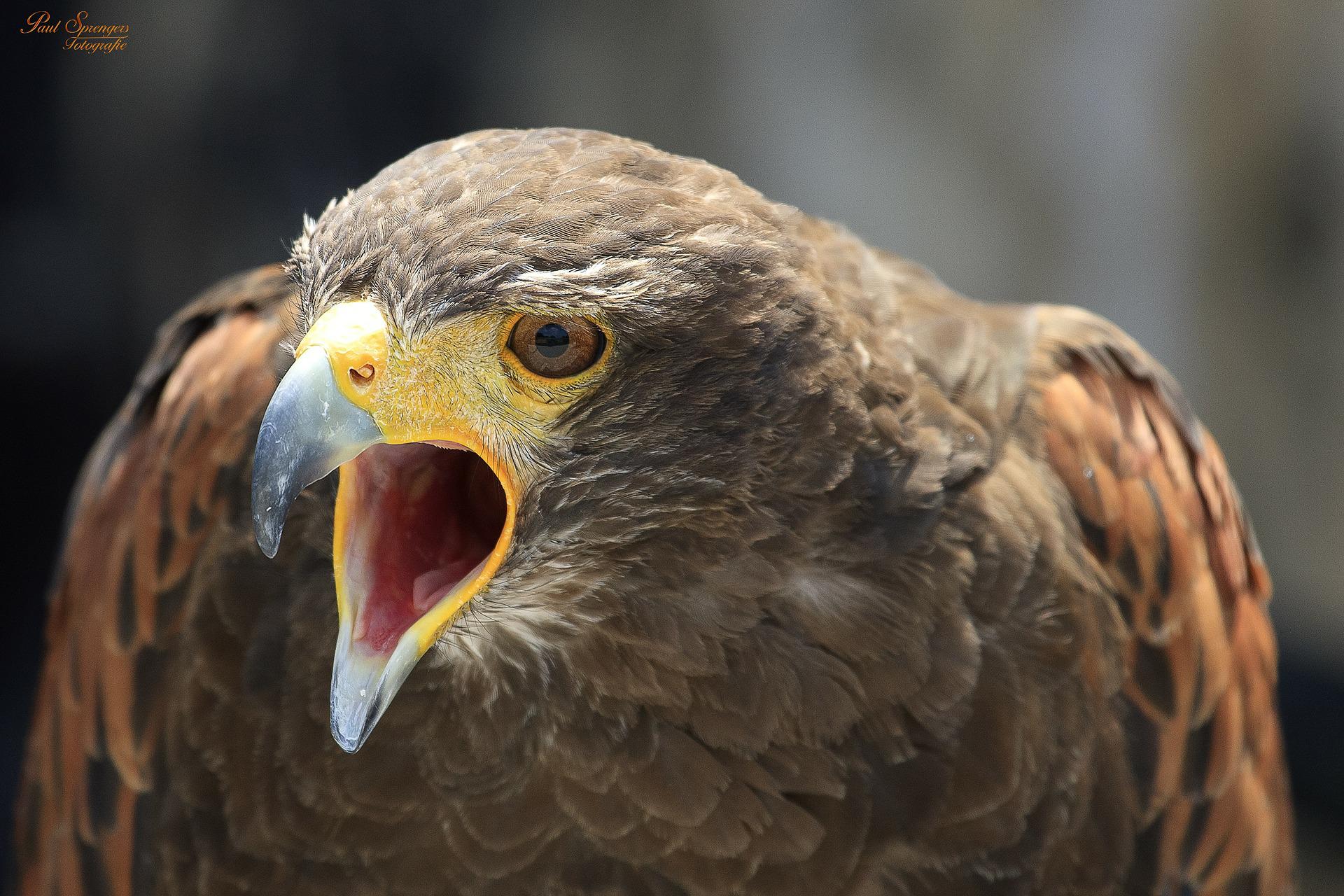
There is something about harris hawks that makes them beautiful birds to keep. Perhaps it is their majestic appearance or their graceful movements. No matter what it is, there is no doubt that these birds are a joy to behold. However, there is a lot of debate about whether or not Harris hawks make good falconry birds. It is said that some people swear by them, while others believe that they are too difficult to train.
Harris hawks are an excellent choice for falconry as they are adaptable and versatile. These birds are intelligent and quick to learn, making them a popular choice among falconers. In addition, Harris hawks are relevantly easy to care for compared to some other birds of prey.
Harris hawks are lovely to own for numerous reasons, and whether you’re a newbie, apprentice or a licenced falconer, the content below is designed to guide you in making a decision about whether or not you want to own one.
What are the pros and cons of using a harris hawk for falconry?
Falconry is the sport of hunting with trained birds of prey, and it has been practised for centuries. In recent years, Harris hawks have become increasingly popular for falconry due to their docile nature and ability to hunt as a team. Nonetheless, there are both pros and cons to using Harris hawks for falconry.
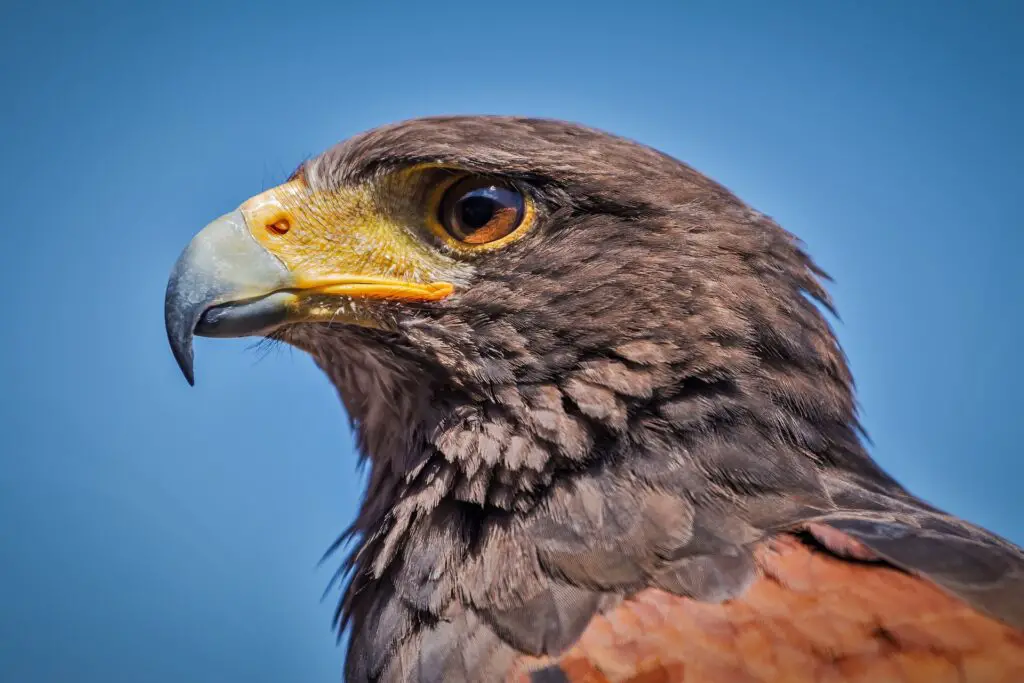
On the plus side, Harris hawks are relatively easy to train and bond with their human handlers. They are also highly adaptable, which means they can successfully hunt in a wide range of environments. In addition, Harris hawks typically hunt in groups, making them very efficient hunters.
On the downside, Harris hawks require more care and attention than other types of birds of prey. They also have a shorter lifespan than raptors like eagles and Falcons. Additionally, Harris hawks are not as fast or agile as other types of birds of prey, which can make them less successful at hunting small game.
Are harris hawks a good starter bird
Harris hawks are a popular choice for first-time bird owners. These intelligent and affectionate birds are excellent companions and relatively easy to care for. Harris hawks are also relatively small, so they do not require a large cage. However, it would be best if you remembered a few things before bringing a Harris hawk into your home as a pet. First of all, Harris hawks are very active birds, and they need plenty of space to fly and play. They also require a diet of fresh meat, which can be expensive and messy. Finally, Harris hawks are not typically recommended for households with small children, as their sharp talons can be dangerous. Overall, Harris hawks make great pets for experienced bird owners who have the time and resources to provide them with the care they need.

Are harris the easiest birds of prey to train
Harris’s Hawks are a type of bird of prey. These birds are relatively easy to train and make excellent hunting partners. Harris’s Hawks are known for their cooperative hunting behaviour, which makes them a perfect choice for hunters looking to add a bird of prey to their hunting team. In addition to being cooperative hunters, These birds are intelligent and learn quickly. When choosing a bird of prey to train, it is vital to consider the individual bird’s personality and temperament. Some birds of prey are more independent and challenging to train than others. However, Harris’s Hawks are generally considered to be one of the more accessible types of birds of prey to train. As long as you spend some time getting to know your bird and work with it patiently, you should be able to successfully train a Harris’s Hawk.
Are Harris hawks temperamental?
Harris hawks are known for being one of the most temperamental raptors. They are known to be stoic in nature and can become easily angered or aggressive when they feel threatened. Suppose you are considering getting a Harris hawk. In that case, it is essential to do your research and ensure that you are prepared to deal with their temperament. It’s important to note that the following steps can be taken in order to help you be able to manage their character in a few different ways:
- Make sure that you provide them with plenty of space and resources. They should have a large cage or aviary to live in and should be given ample opportunity to hunt and exercise.
- Be sure to socialize with them from a young age. Harris hawks need to be around people in order to learn how to trust them. In the absence of proper socialization, they might never learn to trust humans and may always be wary of them.
- Make sure that you are consistent with your training.
Harris hawks need clear rules and boundaries in order to feel secure. If you are compatible with your training, they will become apparent and may become agitated or aggressive. However, you can take steps to ensure that your Harris hawk lives a long and healthy life if you follow these tips.
Are Harris hawks smart?
Harris hawks are among the most intelligent of all raptors. They are highly social birds, living in family groups of up to 10 individuals. Harris hawks have used cooperative hunting strategies to flush out prey and take it down. These birds are also very adaptable and able to live in a variety of habitats and ecosystems. Harris hawks have even been known to thrive in urban environments, where they often hunt pigeons and rats. In addition to their intelligence and adaptability, Harris hawks are also renowned for their physical prowess. These birds have powerful talons and beaks that allow them to take down prey much more significantly than themselves. Harris hawks are remarkable creatures, possessing a unique combination of intelligence, athleticism, and adaptability.

How effective are harris hawks in taking down prey
Harris hawks are very effective predators. They hunt in pairs or small groups, using their keen eyesight and sharp talons to take down prey. Harris hawks typically prey on rodents, reptiles, and birds but are also known to eat carrion. Raptors such as these are found in the deserts of North and South America, where they use their camouflage plumage to blend in with the surroundings. When hunting, Harris hawks will perch on a branch or other high spot and watch for movement below. Once they spot their prey, they will swoop down and snatch it up with their talons. Thanks to their hunting prowess, Harris hawks are a valuable asset to farmers and ranchers who often use them to control pests. In addition to being effective hunters, Harris hawks are also exciting birds of prey. For example, did you know that Harris hawks are the only species of hawk that typically hunt in groups? This behaviour is likely because Harris hawks live in arid desert habitats where food is scarce. By working together, Harris hawks increase their chances of finding food and raising the young. So next time you see a hawk flying overhead, take a moment to appreciate this fantastic bird of prey!
What is the process to obtain a harris hawk?
The Harris hawk (Parabuteo unicinctus) is a medium-sized bird of prey t. These birds are relatively common in the wild, but they are often kept as pets. If you are interested in obtaining a Harris hawk, there are a few things you need to know. First of all, it is crucial to find a reputable breeder. These birds are not commonly found in pet stores, so you may need to do some research to find a breeder in your area. As soon as you have located a breeder that meets your needs, you will need to obtain a permit from the U.S. Fish and Wildlife Service. This permit will allow you to legally keep the bird in the United States. Obtaining a Harris hawk can be time-consuming and expensive, but it is possible to get these beautiful birds if you are willing to put in the effort.
What country are harris hawks native to
Harris Hawks are the only species of hawk in the genus Harrison. Their name comes from Harris County, Texas, where the first specimens were collected. Adult Harris Hawks are reddish-brown above and white below, with dark bars on their wings. Juveniles are similar in appearance but have greyish-brown plumage. Harris Hawks prefer open habitats such as deserts, grasslands, and savannas. However, they often perch in high places, such as tree branches or power lines, from which they can scan the ground for prey. Small mammals such as rodents and rabbits make up most of their diet but also eat reptiles, birds, and insects. Harris Hawks are social birds and often hunt in pairs or small groups. During the breeding season, teams build large stick nests in trees or cliffs. The female lays 3-6 eggs, which hatch after about a month. After another month or so, the young hawks are ready to leave the nest and begin hunting on their own.
Are wild harris hawks easy to tame and train
Catching, keeping or killing a wild harris hawk is prohibited in many states or other countries around the world. The only way you would be able to catch and keep a harris hawk is to be a master falconer. Catching these birds is no easy feat. They are intelligent animals and could easily evade you. Also, once they are caught, they may prove difficult to control, which could lead to injury or even death if not done correctly.
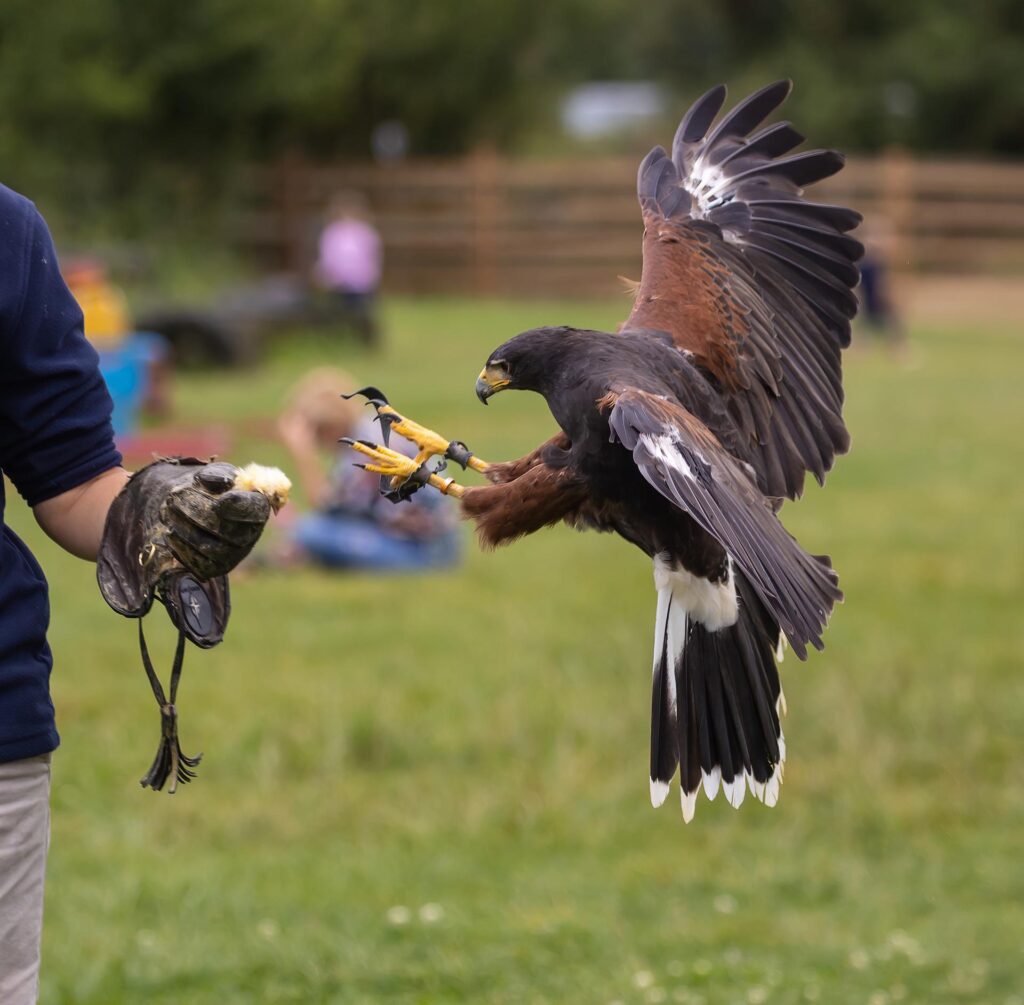
Wild harris hawks are not easy to tame and train. They are not socialized with humans like domestic hawks, so they do not form the same bond with humans. Additionally, they are accustomed to hunting in the wild and may not take well to being in captivity. However, it is possible to tame and train a wild harris hawk with patience and proper training. First, it is crucial to earning the hawk’s trust. This can be done by offering food or toys that the hawk enjoys. Once the hawk begins to trust you, you can start working on basic commands such as flying to your glove or perching on your arm. With time and patience, you can turn a wild harris hawk into a well-trained bird of prey.
Do Harris hawks make good pets or working animals, or are they better off in the wild, where they can hunt on their own terms?
Harris hawks are a type of bird of prey that is native to North and South America. These birds are relatively small, with a body length of about 16 inches and a wingspan of up to 3 feet. They are named for their brown and white plumage. Harris hawks are known for their intelligence and trainability and have been used as hunting partners by humans for centuries. In recent years, they have also become popular pets and working animals. However, there is some debate over whether or not Harris hawks are better off in the wild. While these birds can be trained to hunt with humans, they can also hunt independently. In the wild, they have a diet that consists primarily of small mammals and reptiles. This diet can be challenging to replicate in captivity, and it is essential to make sure that Harris hawks receive the proper nutrition. Additionally, these birds require a large amount of space to fly and exercise. For these reasons, some experts believe that Harris hawks are better off in the wild, where they can hunt on their own terms.
Harris hawks make good falconry birds for a number of reasons. They are generally easy to train and handle, have excellent vision, and can hunt prey on their own. If you’re thinking about adding a Harris hawk to your falconry collection, be sure to do your research first to ensure that the breeder you are considering is reputable and that you will be able to obtain a healthy bird from them.