

Birds of prey, such as hawks, eagles and falcons, require a place to perch. To keep them safe, it’s imperative that you provide them with an outdoor or indoor mew, one that they cannot escape, and building an outdoor mew is the perfect way to do that.
The cost of building a mew will vary depending on the size and type of mew you create, but typically it costs around $300-$1000+.The materials you use and items you place in the mew will directly affect the cost, and some of these Mews can range in the thousands of dollars.

Building a mew is one of the most essential aspects of falconry as this will house your precious asset, and there are many things to consider when setting up this dwelling for your raptor, so read on for tips and helpful hints on how it is best to create this structure.
Can I use wood to build a mew?
You can use wood to build a mew for falconry, but you have to be careful about the type of wood you choose. The durability and resistance of some woods are excellent than those of others, and they can withstand the elements better. Costs must also be considered when choosing the wood. Some woods are more expensive than others, but they may last longer and be worth the investment.
When choosing wood for your mew, make sure to select a type that is weather-resistant and will not rot or decay over time. With proper care, your wood mew will last for many years and provide a safe and sturdy home for your falcons.
Can I use bricks to build a mew?
Raptors are amazing creatures, and it’s not surprising that many people want to have them as pets. However, it’s important to remember that raptors are wild animals requiring special care and housing. One option is to build a mew for raptors out of bricks. This type of construction can provide the necessary space and security for raptors, and it can also be very durable.
However, it’s important to note that bricks can be expensive, and you might need to hire a contractor to help with the construction. In addition, you’ll need to purchase bricks and mortar, which can also be costly. As a result, building a mew for raptors isn’t always the cheapest option for everyone.
Does a mew have to have netting?
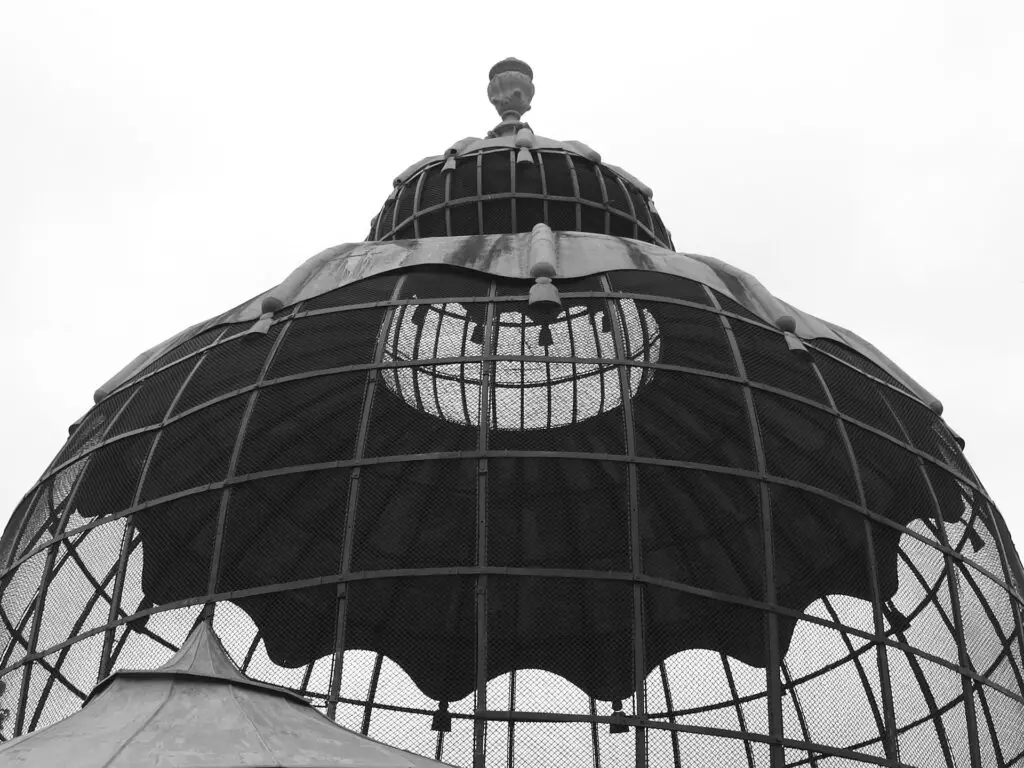
Some people choose to add netting to their Mews in order to keep their birds safe; the net will allow the natural elements to pass through while giving your bird a view of its surroundings. In addition, netting can help protect the birds from predators and from falling out of the mew. First, however, it is vital to make sure that the mesh is secure and that there are no holes or gaps that the birds could escape through.
How much does a perch cost?
A perch is a small, elevated platform that is used for a variety of purposes. Whether you are training a bird to stay on its perch or providing your feathered friend with a place to rest, a perch is an essential part of bird care. While perches come in a variety of shapes and sizes, they typically cost between $20.00 and $50.00. Most perches are made of wood but can also be made of other materials such as plastic or metal.
When choosing a perch for your bird, it is crucial to consider the size and weight of the bird as well as the type of material the perch is made of. Some birds prefer softer materials like rope or cloth, while others prefer more complex materials like metal or stone. In order to maintain their balance, you should choose a perch that is comfortable for your bird and that will allow them to maintain their balance.
What is the most durable material for a perch?
In terms of durability, wood makes the best perch. It doesn’t splinter as some materials can, and it’s also a natural material that birds love. The problem with wood, however, is that it can be challenging to clean and disinfect. In addition, if the perch is not made of treated wood, it can rot and fall apart over time.
Metal is another durable option for a perch, but it can get very hot in the sun and may not be as comfortable for your bird to stand on. Finally, plastic is a lightweight and inexpensive option, but it can crack and break easily. Ultimately, the best material for a perch is one that will last long enough to provide your bird with a safe and comfortable place to perch without breaking the bank.
What toys can I add to my raptor’s mew?
An amazing thing about owning a raptors mew is that you can have endless fun with it by adding different toys to its enclosure. Some of the best options include:
-Balls: These are always a popular choice for any type of pet, and they can keep raptors’ Mews entertained for hours on end. Be sure to get a variety of sizes and colours so your raptor can play with them in different ways.
-Tunnels: These can provide an excellent way for raptors to explore and play, and they’re also perfect for hiding treats or toys inside.
-Hanging Toys: These can be swung around or perched on to give raptors a new challenge and something to chew on.
-Puzzles: These can help raptors use their natural problem-solving skills to figure out how to get to the treat or toy inside.
In order to keep your raptor entertained, whatever toys you choose, be sure to rotate them regularly so your raptor doesn’t get bored. And, of course, always supervise your raptor when it’s playing with any type of toy.
Does the netting of the mew have to be steel?
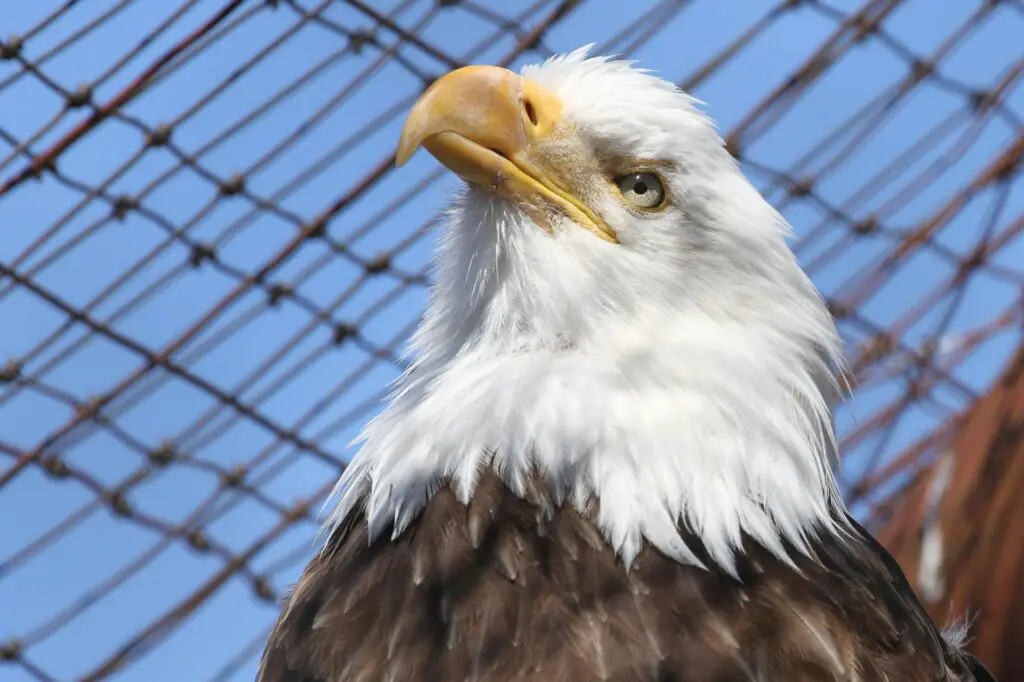
No, the netting does not have to be steel. Many people choose to use steel because it is a very sturdy material, but there are other options available that can also work well. There are many different types of netting available on the market, and each has its own advantages and disadvantages.
Your predominant concern should be to choose a material that is strong enough to withstand the wind and weather conditions in your area. If you are in a hurricane-prone area, for example, you will need to make sure that your netting can withstand high winds. Your local area may have a variety of options. Contact your local hardware store or home improvement centre to find out what options are available in your area.
How much steel would I need to build a mew?
Steel is a strong and sturdy material that would be perfect for constructing a mew. However, the quantity of steel needed for this project will depend on the size and design of the mew. Therefore, it is best to consult with a professional builder to get an accurate estimate.
If you are looking to be cost-effective, you can use other cheaper materials like bricks/blocks of wood that you can use for 2-3 corners of the mew and use steel netting around the central opening. You could also use blocks for the entire bottom all round and use mesh for the top. Make sure there is a place for your bird to find cover if it is raining, so perhaps a smaller portion of the roof can be a fully covered area. When using mesh or steel netting, make sure firstly is it durable and the bird cannot dame it or bite through it. A good idea may be to use plastic-coated netting. This will prove more durable in the long run.
How long should a mew be?
A raptor’s mew is its home, and it is crucial that the mew is large enough to meet the raptor’s needs. A mew should be around 10 feet long, give or take a few feet. This provides the raptor with enough space to properly exercise and hunt.
A smaller mew could lead to health problems for the raptor, including obesity and muscular atrophy. Raptors are also at risk of injury if they do not have enough space to stretch their wings. In addition, a small mew could cause the raptor to become stressed, which can lead to aggression. In light of all of these factors, it is imperative that raptors have a mew that is large enough to meet their needs.
How high should a mew be?
A raptor’s mew should be high enough that it can easily see its surroundings. This will help the raptor stay safe while hunting and allow it to better protect its territory. In addition, by being able to see its surroundings, the raptor will be able to spot potential predators and escape before they can attack.
Additionally, a raptor that can see its surroundings will be able to better defend its nest from intruders. Finally, a raptor with a clear view of its territory will be able to more easily find prey. In short, a raptor’s mew should be high enough that it can easily see its surroundings in order to stay safe and successful.
If a mew has too much netting, will my raptor feel cold?
Every pet owner knows that providing his or her animal with a comfortable and safe environment is essential. This is especially true for raptors, which are particularly prone to stress and injury. When choosing a mew for your raptor, it’s important to take into account the climate where you live. In a colder climate, your raptor may feel out if the mew has too much netting.
However, in a warmer climate, the raptor may not feel the effects of the netting as much. As a result, it’s best to use a combination of a few materials to provide the optimal comfort and safety for your raptor. Taking the time to plan ahead is the best way to ensure that your raptor has a healthy and happy home throughout its life.
Do Mews have a monthly maintenance cost?
Mews are specially designed buildings used to house falconry birds. They can be either indoor or outdoor structures and generally include features like perches, nesting boxes, and a storage area for food and equipment. Mews require some level of ongoing maintenance, including cleaning and repairs as necessary. The cost of this upkeep depends on the size and complexity of the structure, as well as the location. In rural areas, for example, it may be less expensive than in a city centre.
As a result, Mews play an important role in the care of these birds. Without proper upkeep, the Mews would quickly fall into disrepair, making it difficult or even impossible to house the birds safely. As such, those who own or operate Mews must be prepared to budget for this ongoing expense.

Is an aviary the same as a mew?
There is a big difference between an aviary and a mew for falconry. An aviary is typically used for housing a variety of birds, while a mew is specifically for raptors. The main distinction between an aviary and a mew is that an aviary is larger and has more space for the birds to fly around, while a mew is smaller and more confined.
Raptor experts say that “a mew is really only suitable for housing one or two birds, whereas an aviary can accommodate several.” So if you’re looking to keep more than just a few raptors, an aviary is the way to go. However, if you only have a few birds or want them closer to you, then a mew may be the better option.
Mews are an integral part of keeping your raptor safe. They provide a place for the bird to stay and protect it from predators or other animals that may want to harm it. In order to make sure your mew is effective, you need to do your research on the appropriate materials to use in your particular situation. In addition, Mews can be costly, so make sure you have the budget available before starting construction.